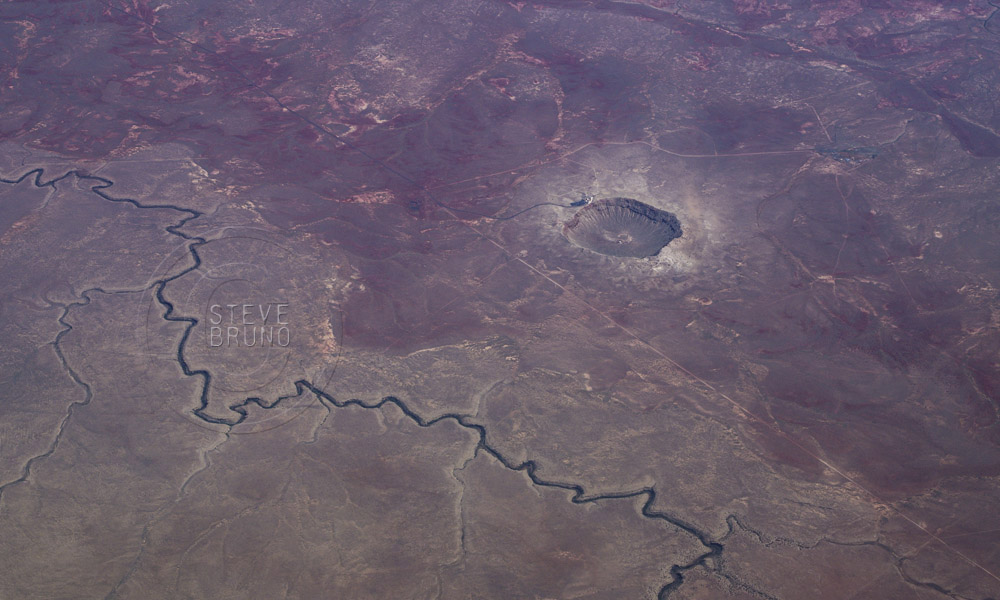
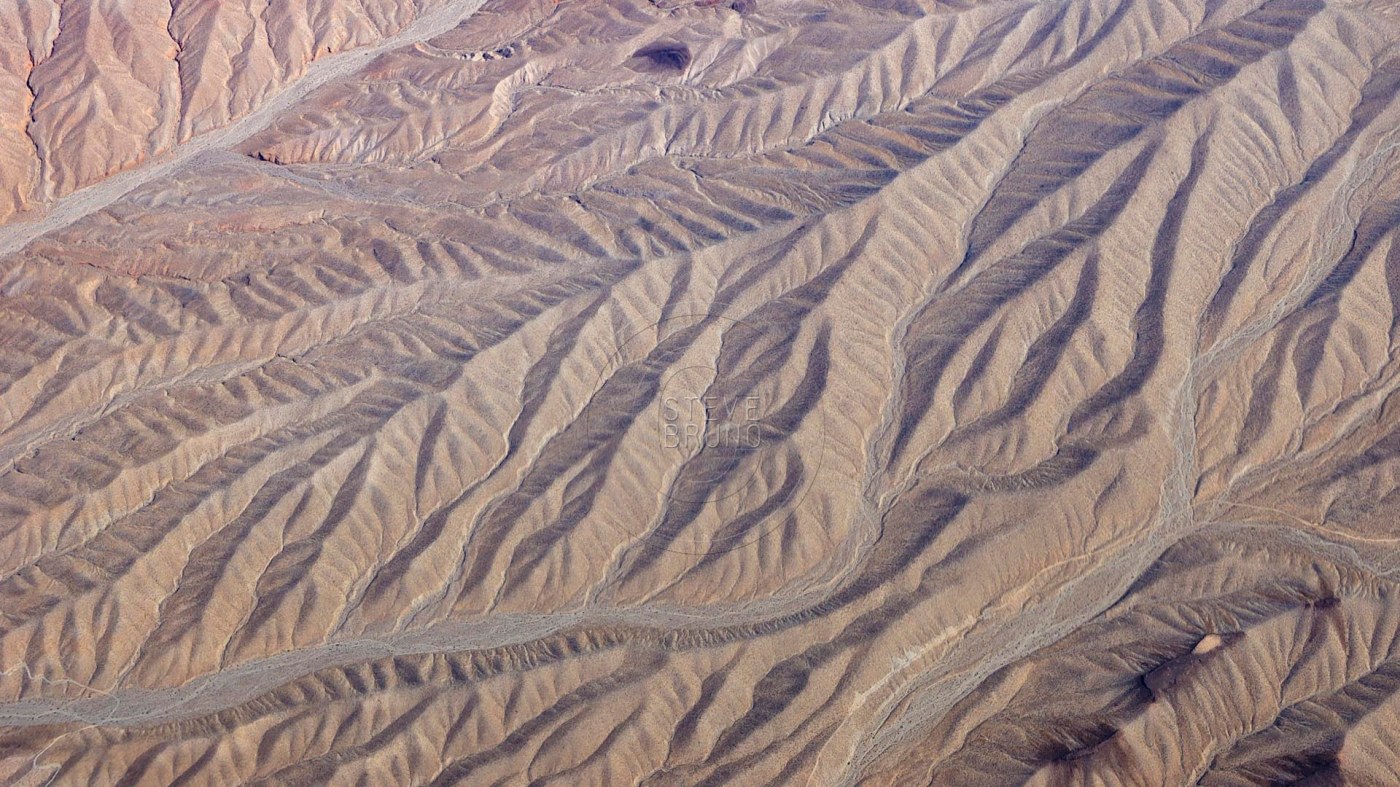
I’ve flown enough out of McCarran Airport to know the flight patterns towards every corner of the US, and earlier this month on my flight to Houston, we definitely started off course. I figured the pilot would make an adjustment, but we seemed to stay further south than all the previous flights to the southeast. I was enjoying the slight change of scenery, and one of the first things to get my attention was patterns of the Mojave Desert (above). As we approached Flagstaff, I knew we were still on a southern course because the San Francisco Peaks were visible out the left side windows. They had just received a late spring coating of snow. The Arizona Snowbowl looked as though they could still have been skiing, but I’m sure it was past season. 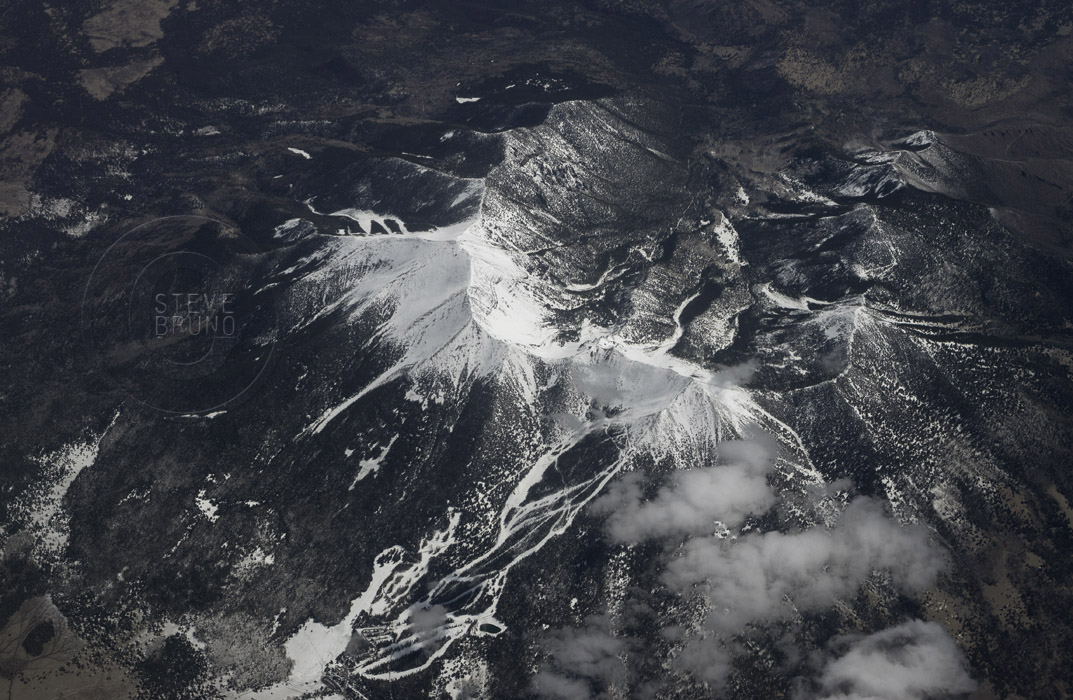 The next feature to come into view was Meteor Crater. It’s really hard to grasp the scale of the crater from the air, but perhaps the tiny roads will help.
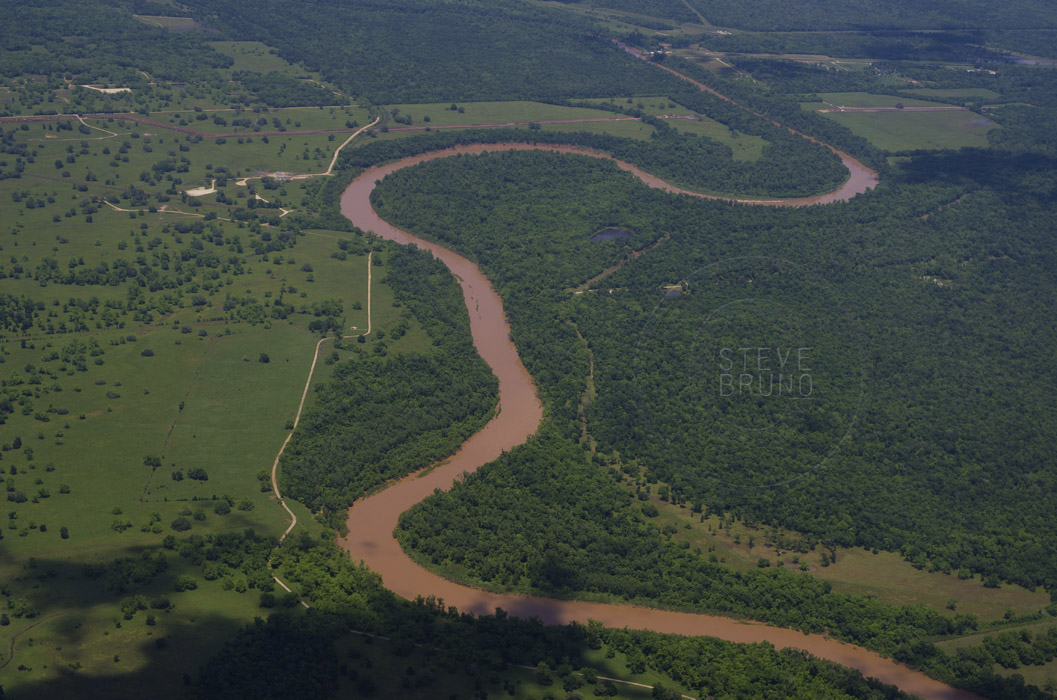
  There wasn’t much to see after that, until descending into Houston. The brownness of west Texas gave way to the patchwork of agricultural land and the greenery and waterways of the much more humid environment we were about to touch down upon.
  Then something very red appeared on the horizon. Amidst all that green, it was hard to miss. After zooming in on the computer screen, I can see that it is a manufacturing facility for heavy equipment.
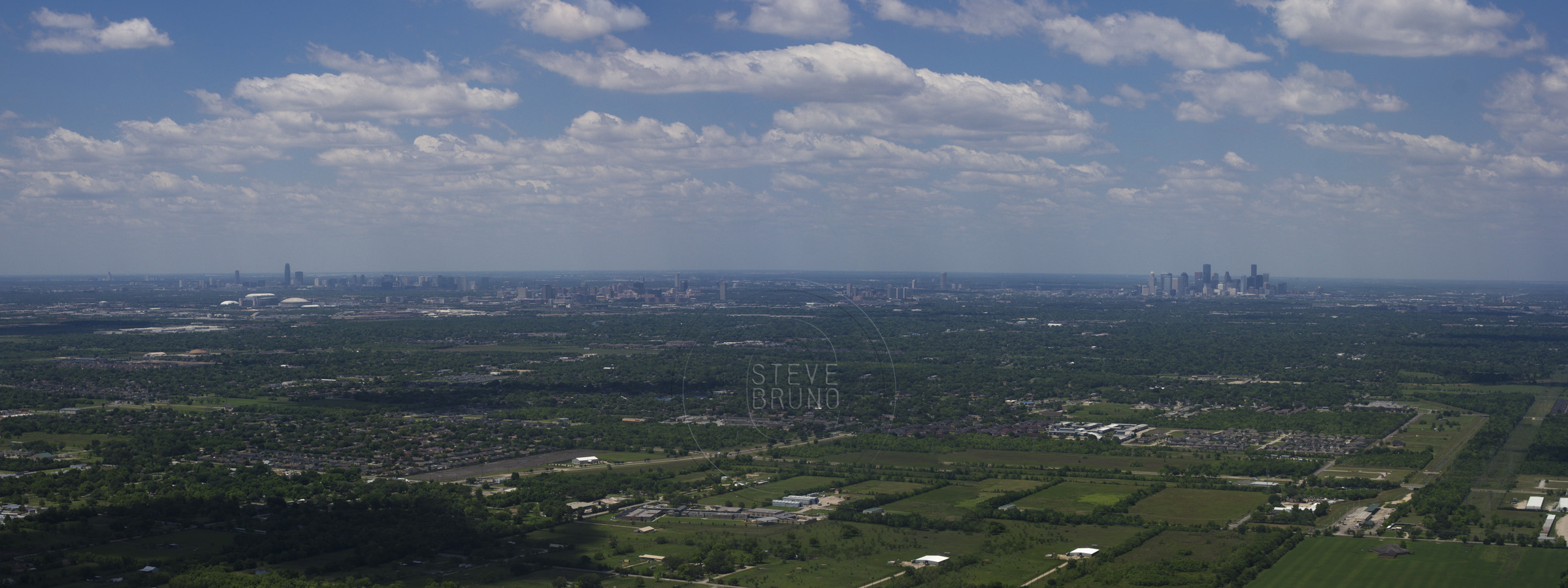
  And then, finally, welcome to Houston.
  In response to The Daily Post’s weekly photo challenge: “On the Way.”
If you travel at all, you will eventually come across something broken and abandoned. It’s in our nature, being so much easier to just leave something behind once it has outlived its usefulness.
Here in the US, cars seem to be a popular item to dispose of once they are broken. I have encountered numerous cars and trucks left for nature to swallow up. It’s sad when someone determines that the cost to tow and repair a vehicle outweighs the value of said vehicle.
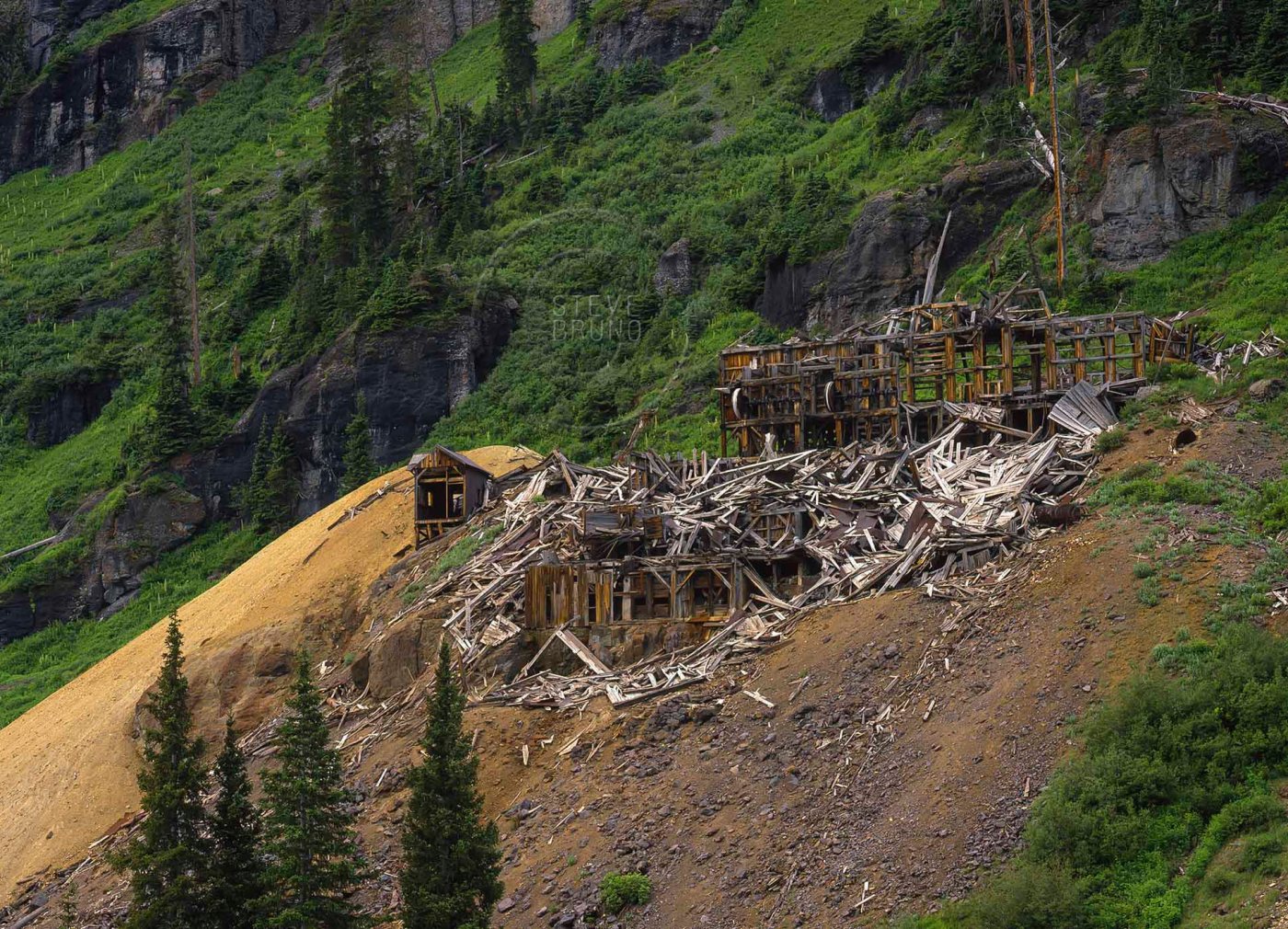
Some things would require far more effort and cost to remove once they become broken. This mining operation, above, would be a perfect example of that. I’m sure it was perfectly functional when the people decided to move on, probably because they had exhausted the material they were mining. Nature eventually reclaims everything, and is slowly working her magic on this remnant of civilization.
Other examples of broken: a broken rainbow 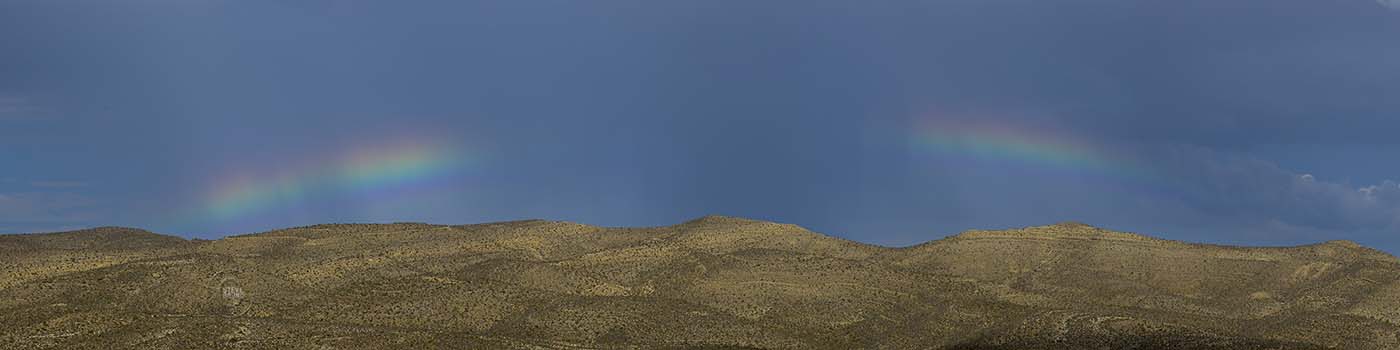 a broken down ranch grain tower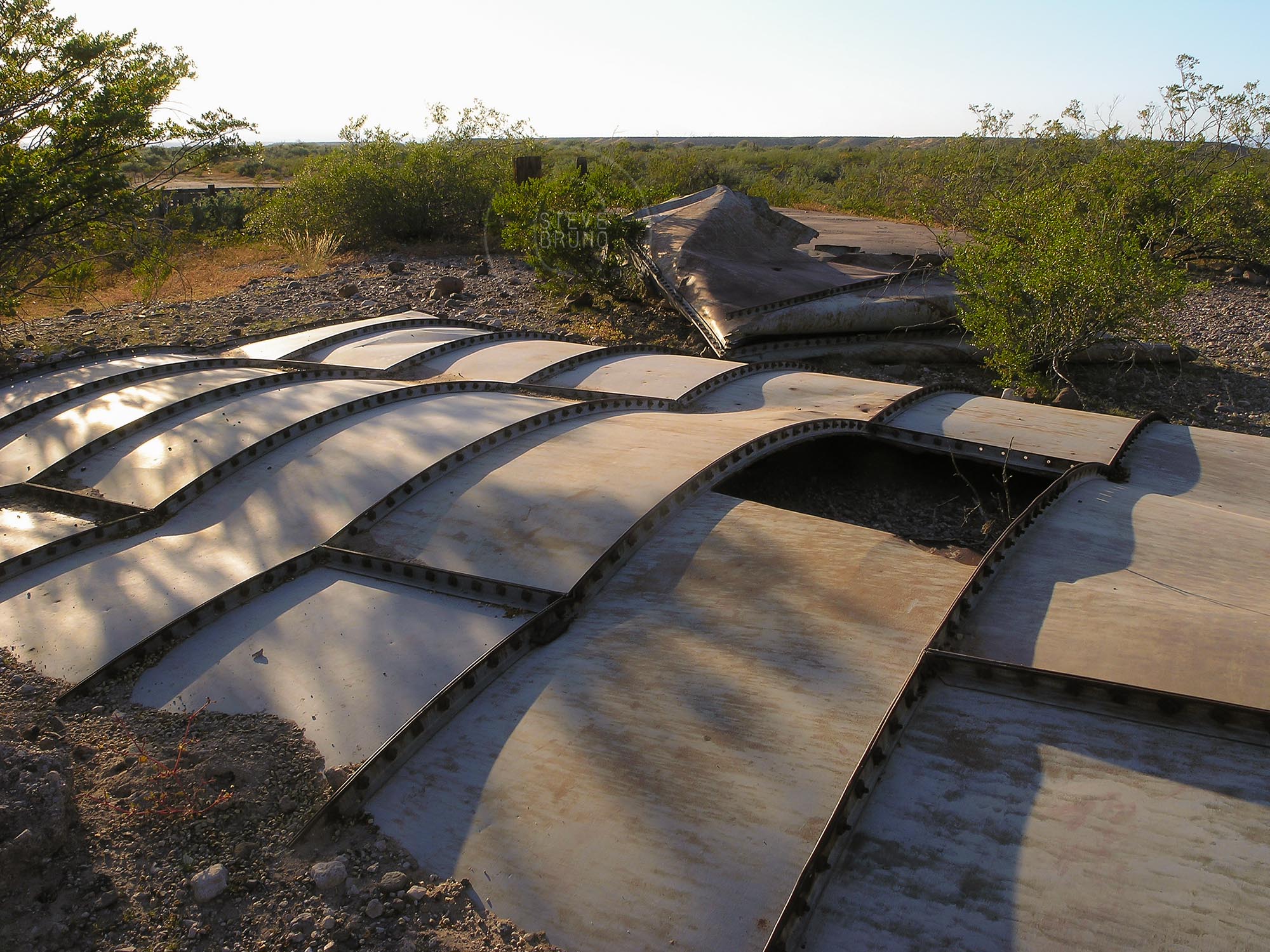
canyon walls broken from rockslide 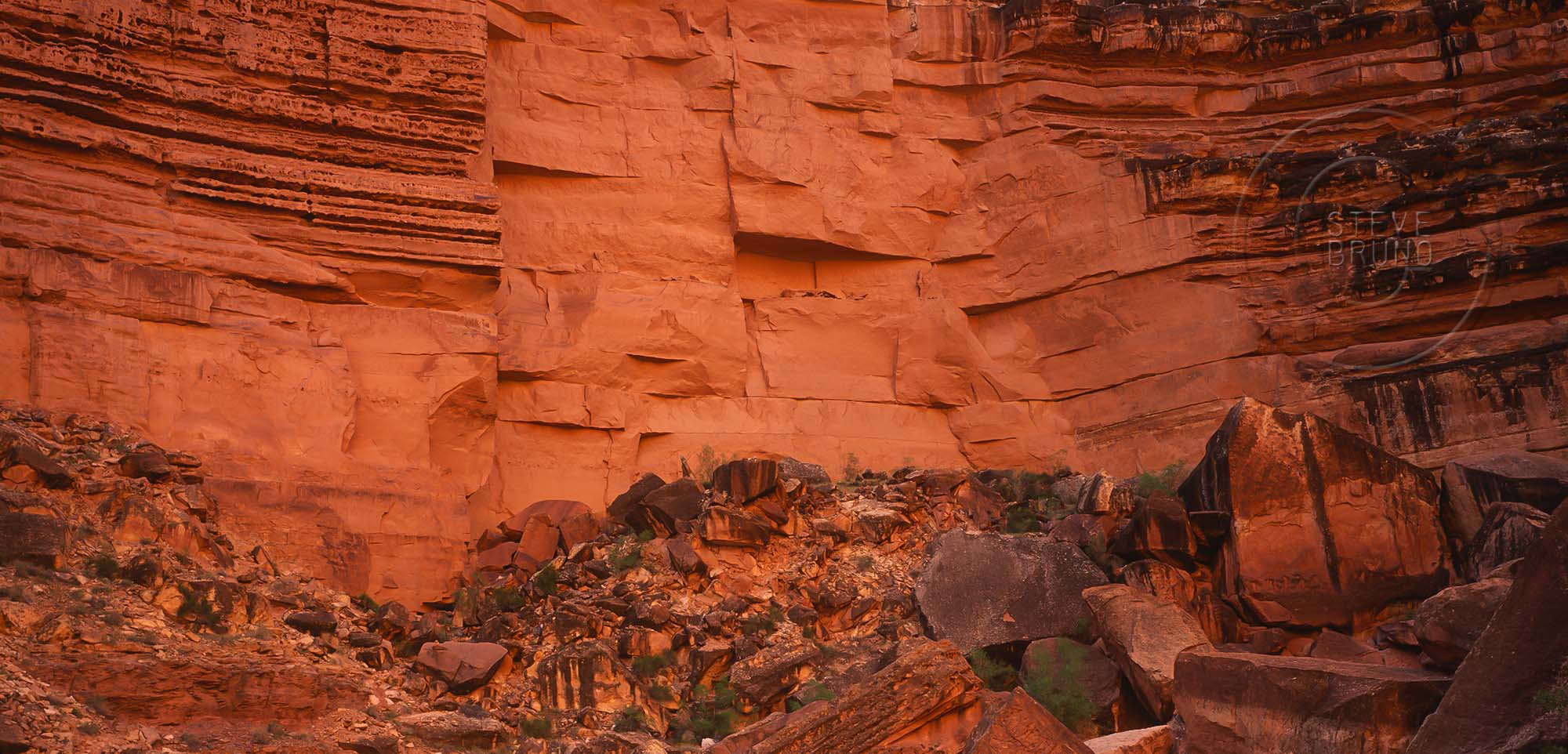 In response to The Daily Post’s weekly photo challenge: “Broken.”
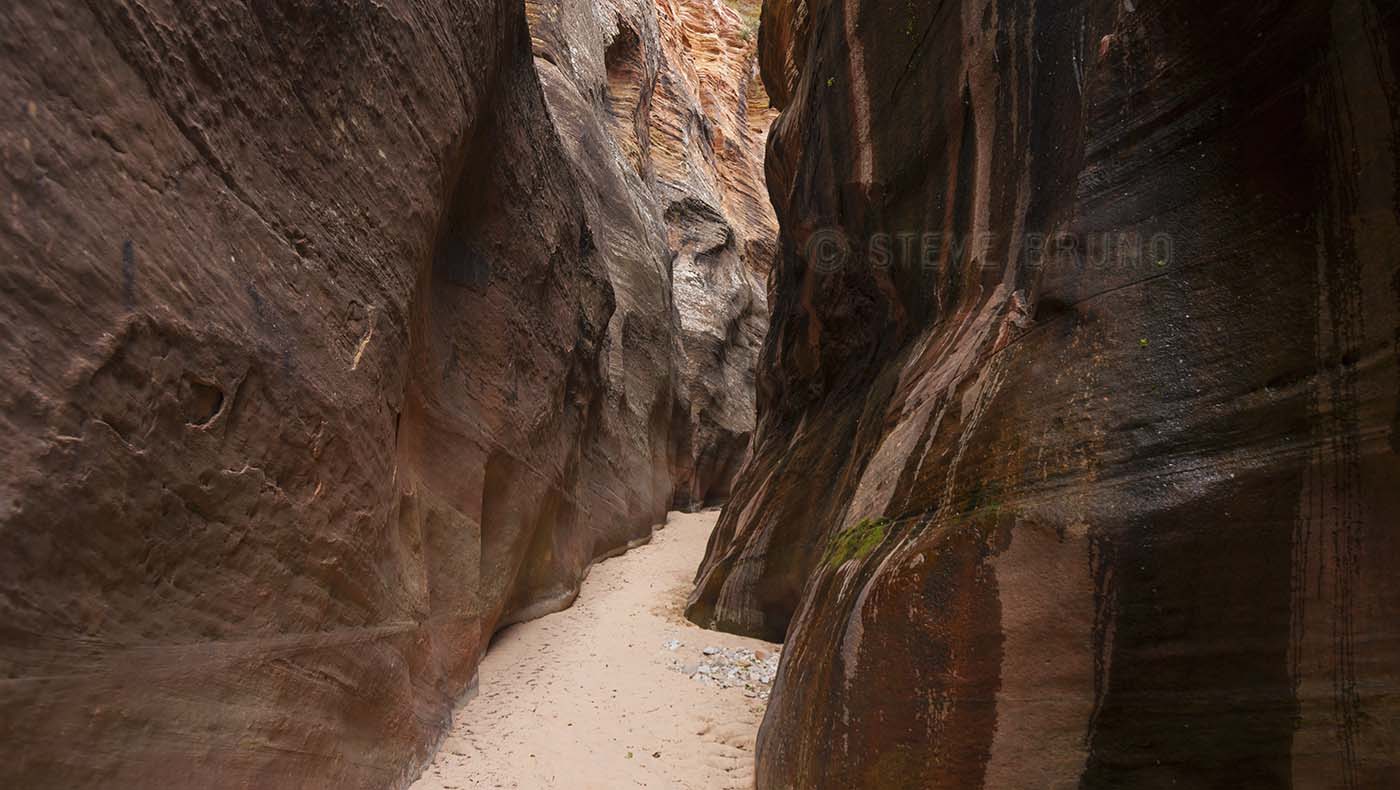
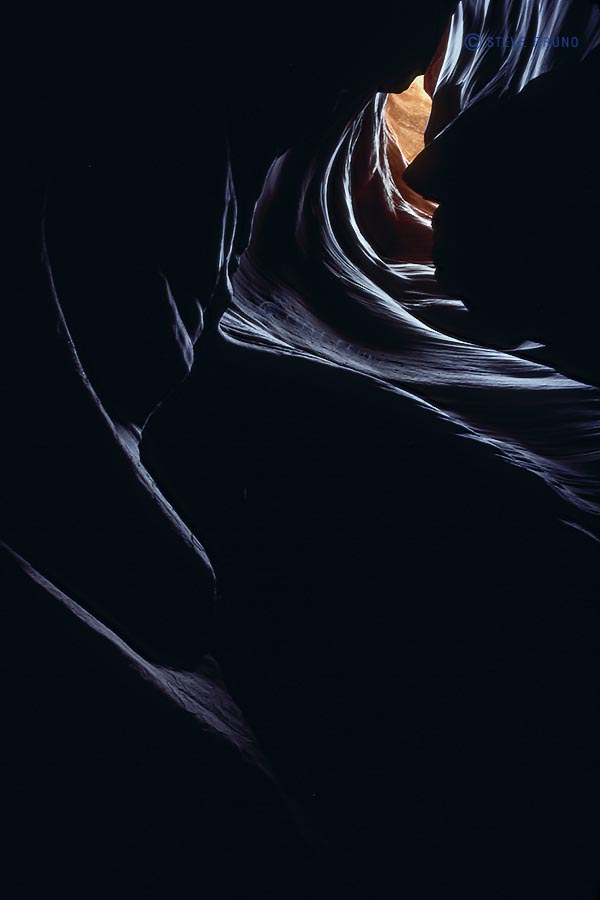
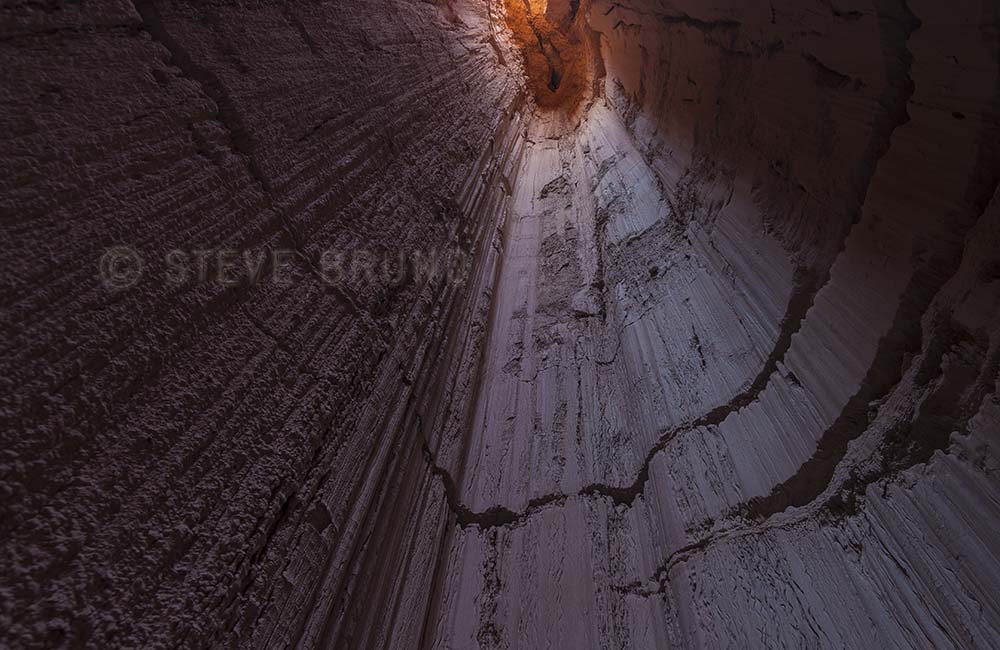
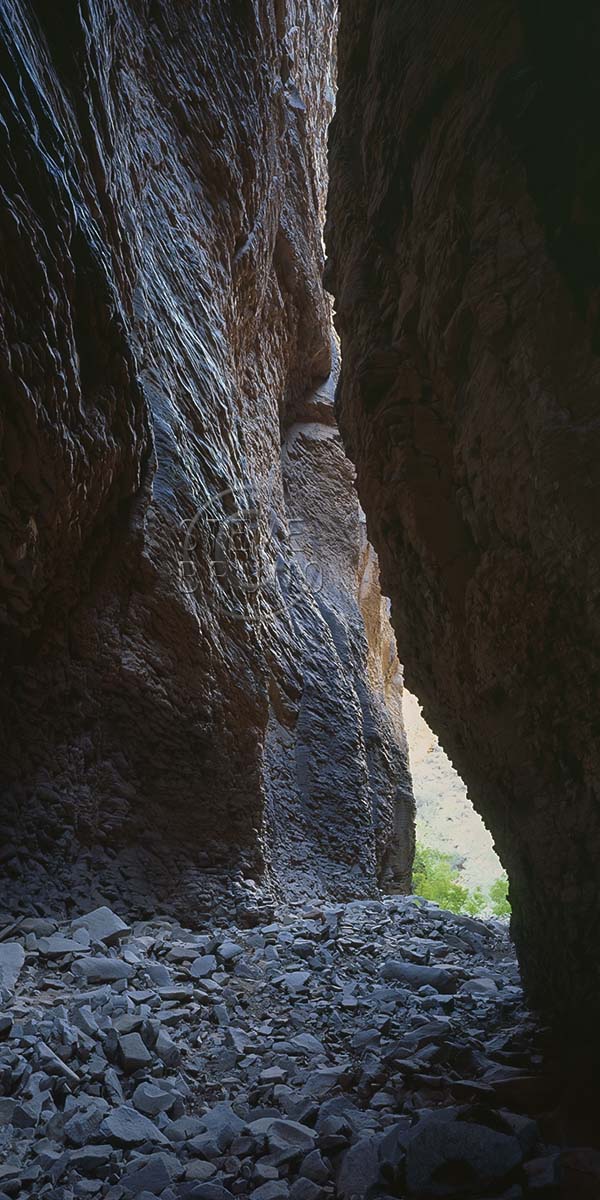
I’ve hiked many miles, and early on I discovered I preferred canyon hikes over those on a mountaintop or ridgeline. It’s not just about having shade or water, but more of the adventure of coming around a corner and being amazed with something unexpected. And while canyon exploring tops my list, some canyons are more memorable. Those are the ones where the skies disappear and I might have to take off the pack and step sideways for a moment or two. At that point, it’s hard not to feel enveloped in the land. Sometimes it’s challenging to find an angle to photograph these spots, because there’s no moving around for a better angle, and looking up just yields a washed out image. Whether it’s a slot canyon or just another thin slit in the earth’s crust, sunlight rarely penetrates to the bottom. If it does, the contrast is too much, so the best light is often reflected sunlight.
Here are some of my favorite places to become enveloped:
Top: small side canyon in Zion National Park, Utah
Second: Antelope Canyon, near Page, Arizona
Third: Cathedral Gorge State Park, Nevada
Fourth: unnamed canyon in Navajo Indian Reservation, Arizona
In response to The Daily Post’s weekly photo challenge: “Enveloped.”
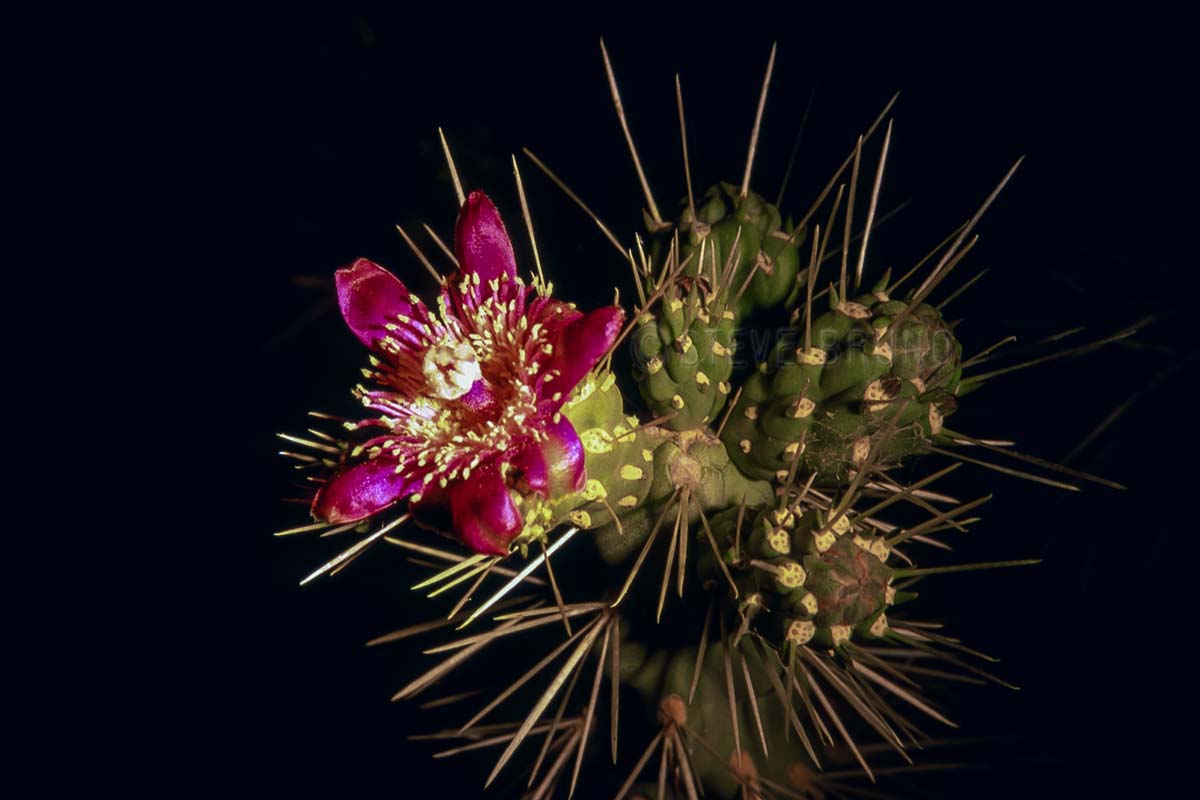
The desert is full of pointy things, so a good flashlight is essential when exploring at night. Some desert plants bloom at night, such as this fruit chain cholla cactus, which is also called the jumping cholla. While they don’t actually jump, they broken pods on the ground just need the slightest touch to attach themselves to you. These broken chameleonlike pods, now dead and dehydrated, blend in effortlessly to the rocky ground. Loose cactus pods don’t usually venture too far from the living plant, so avoiding them isn’t too challenging. Rattlesnakes and scorpions like to come out at night, too. Did I mention you want a good flashlight…..better yet, two?
First off, I would like to wish all the mothers out there a Happy Mother’s Day.
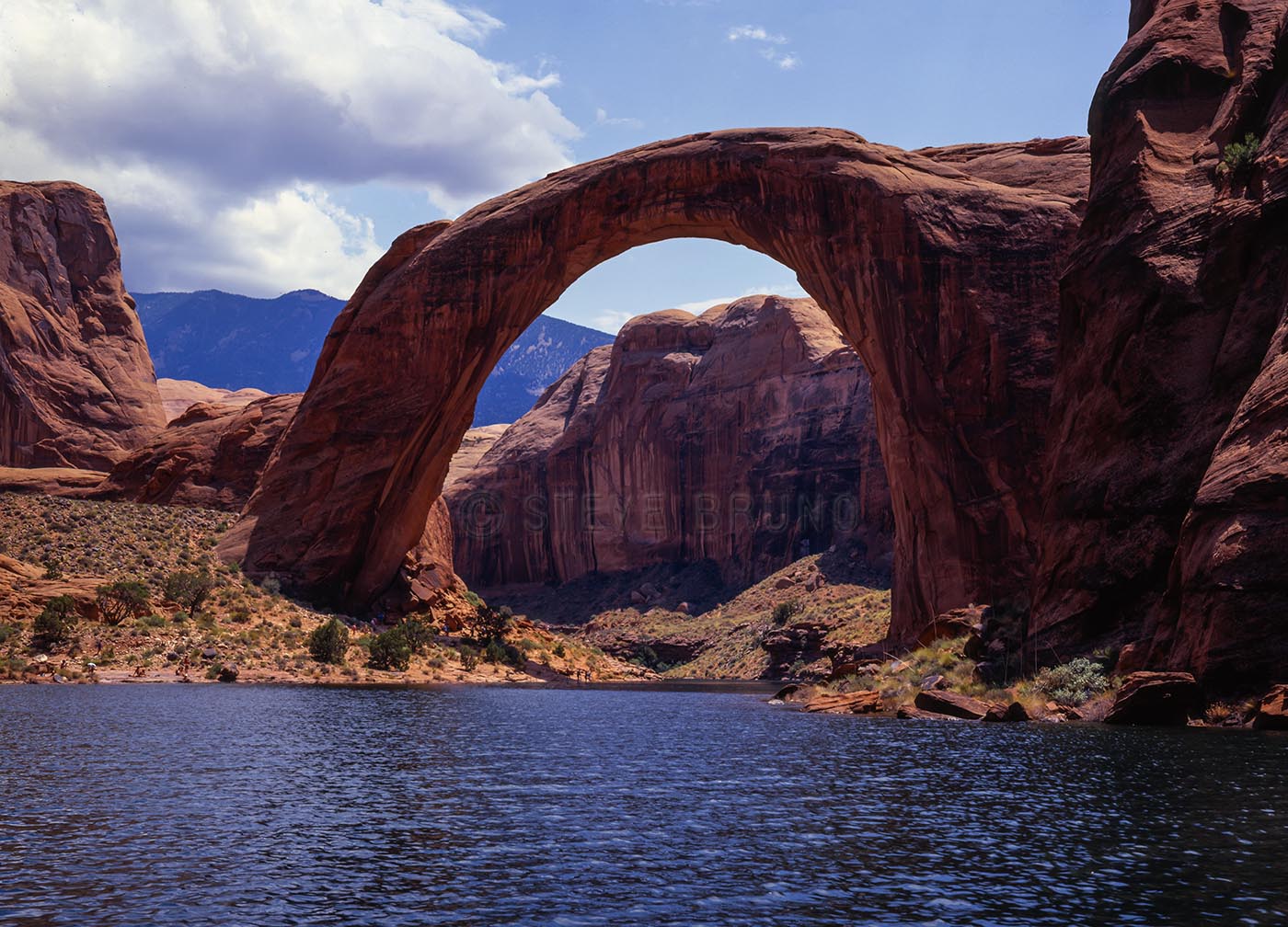
The photograph above was taken when I took my mother along with her mother on a several day excursion around northern Arizona and southern Utah. My mom has joined me a couple times since, but it was the only time for my grandmother. I kept the trip very ‘touristy’, and we all had an enjoyable time. Thank you, mom – for everything you’ve done for me and wanting to see my world.
Now, about the title. This photo was taken in July, 1983 when the waters of Lake Powell were at historically high levels. Winter snows had been abundant, and the temperatures stayed cool well into spring. Then, over a period of about a week, summer decided to move in. Although the authorities knew how much snowpack was in the upper Colorado River Basin, they hadn’t anticipated it melting this quickly. As they released water from the spillways of Glen Canyon Dam, they were losing ground to the inflow at the upper end of Lake Powell.
The spillways had never been worked extensively until 1983. They were run before for testing purposes, but never at full capacity. After a couple days, people noticed that the dam was vibrating. Engineers below the dam had observed chunks of concrete with rebar being ejected with water from the spillways. Water flows had to be cut back so as to not damage the spillways any further, and plywood sheets were attached to the top of the dam to potentially hold back the rising waters of Lake Powell. The Bureau of Reclamation contends that the dam was never in danger during this period. I’m not an expert, but I’m pretty sure a 710 foot high dam holding back trillions of gallons of water, which was now vibrating, was headed for disaster had they maintained the flows. After the floodwaters receded, repairs were performed on the spillways which ended up going full throttle again the following year.
Needless to say, there is still a Lake Powell. If the Sierra Club had their way, we wouldn’t. The organization fought the initial construction of the dam, and has even made recent campaigns for its removal. It was around 2000-2001 when I remember seeing billboards around Phoenix where the Sierra Club was asking to ‘restore’ Glen Canyon. This falls under the category of ‘be careful what you wish for’. In 2005, several years of drought had brought the lake levels down 150 feet. Parts of the canyon that hadn’t been seen in over 30 years were now accessible. Forecasts are still predicting long-term drought, and this is something we may see again. For now, if you want to see what it was like pre-Glen Canyon Dam, check out the book “The Place No One Knew” with the photographs of Eliot Porter.
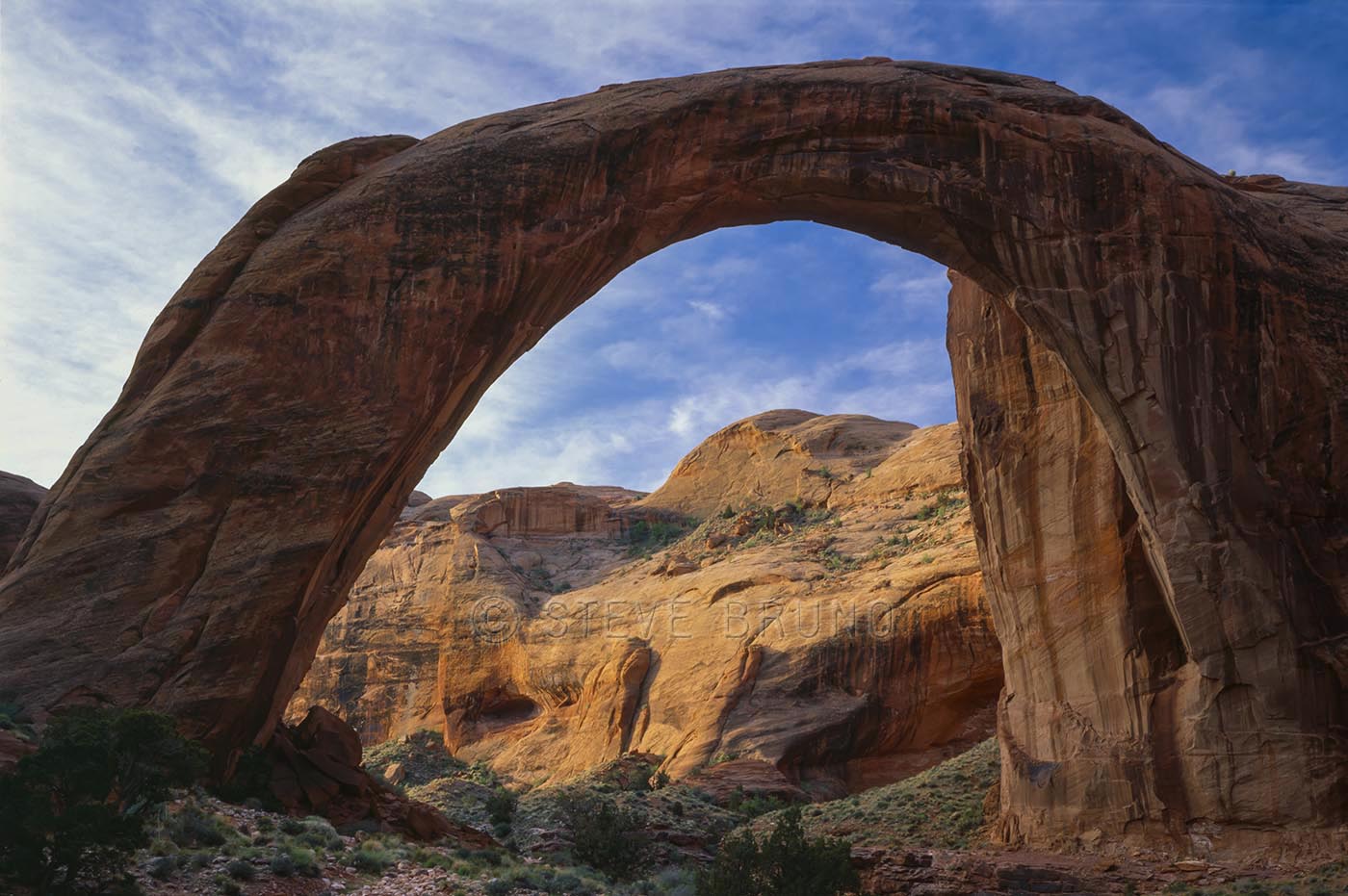
A little closer to present day we have the photograph below, taken in 1996. I had no intentions of duplicating the above photo. In hindsight, I wish I had taken one from near the same spot. If I had turned the camera the other way, you wouldn’t see much water. A small trickle and some pools in the creek bottom, and that was it. This time I hiked in, on what is one of my favorite hikes in the southwest. That’s Rainbow Bridge spanning the horizon.
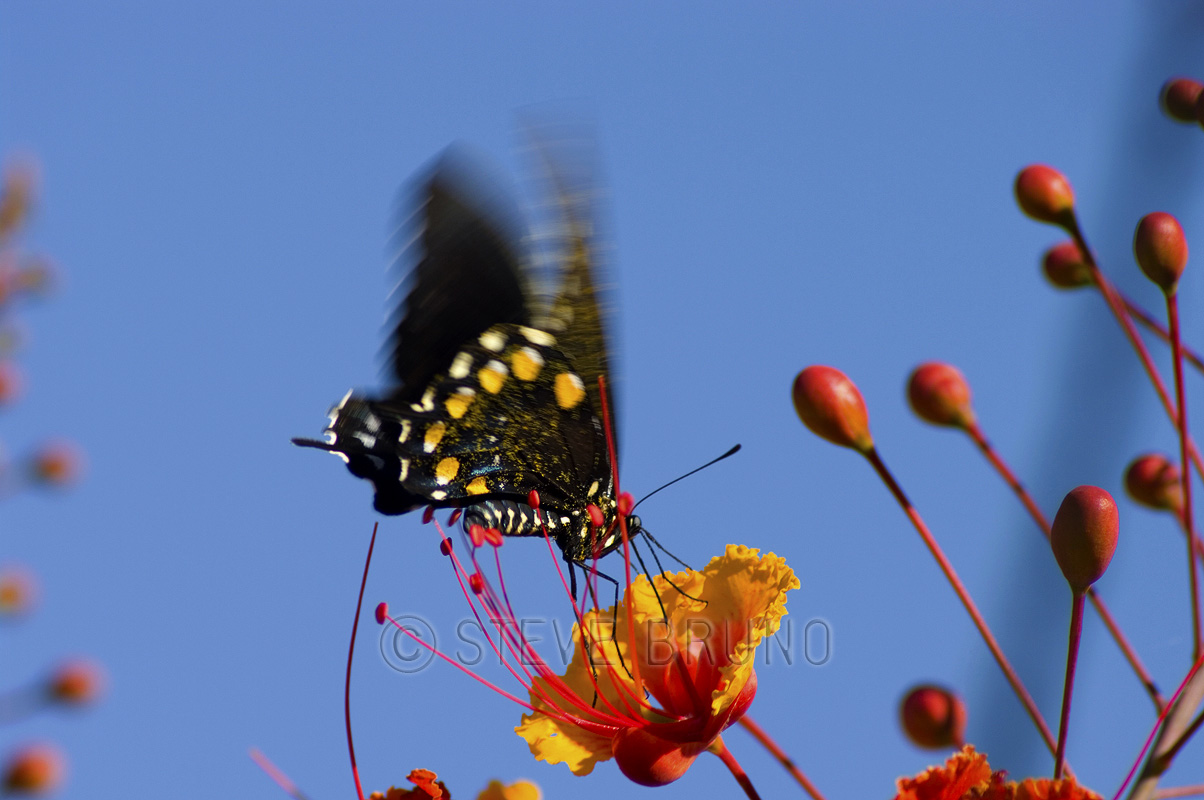
I went searching through the archives for this week’s challenge, because I didn’t think I was going to find motion in my landscape photographs. I prefer those to be sharp and still, but I even found some surprises there. I couldn’t really chose a favorite, but maybe you’ll have one.
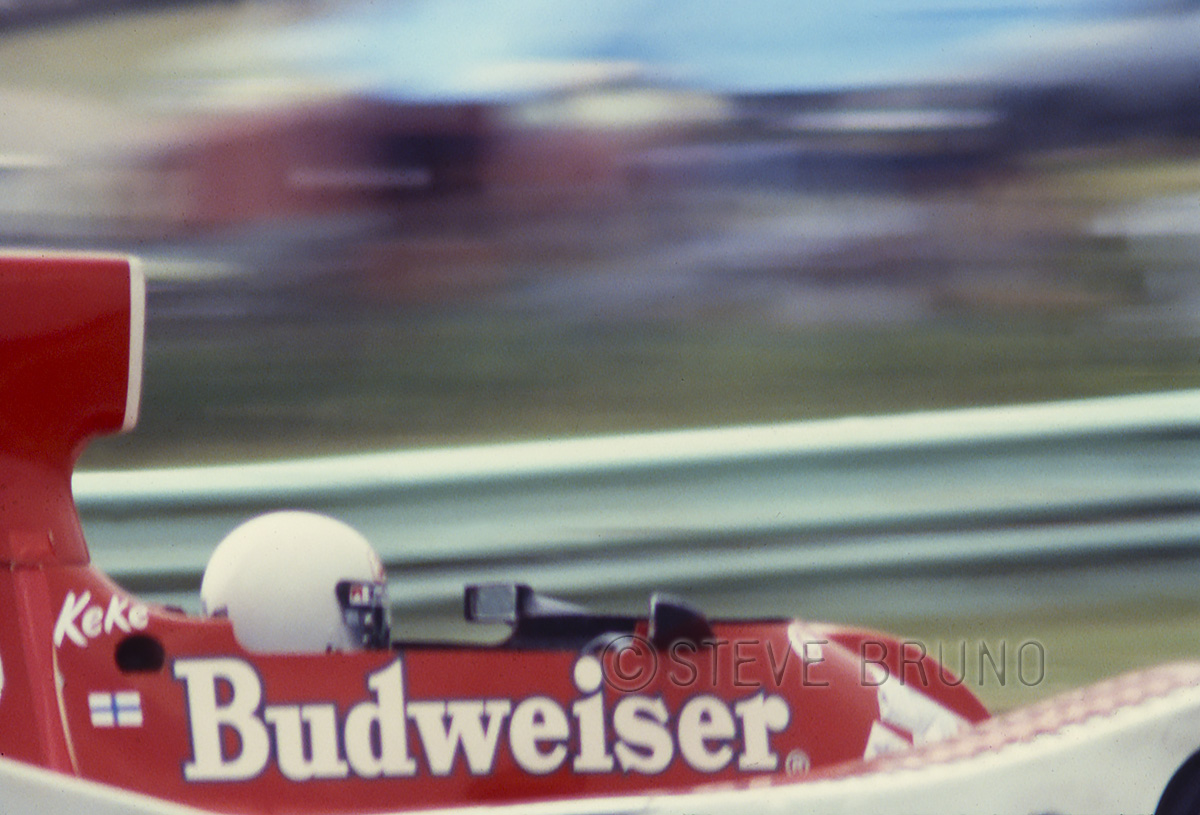
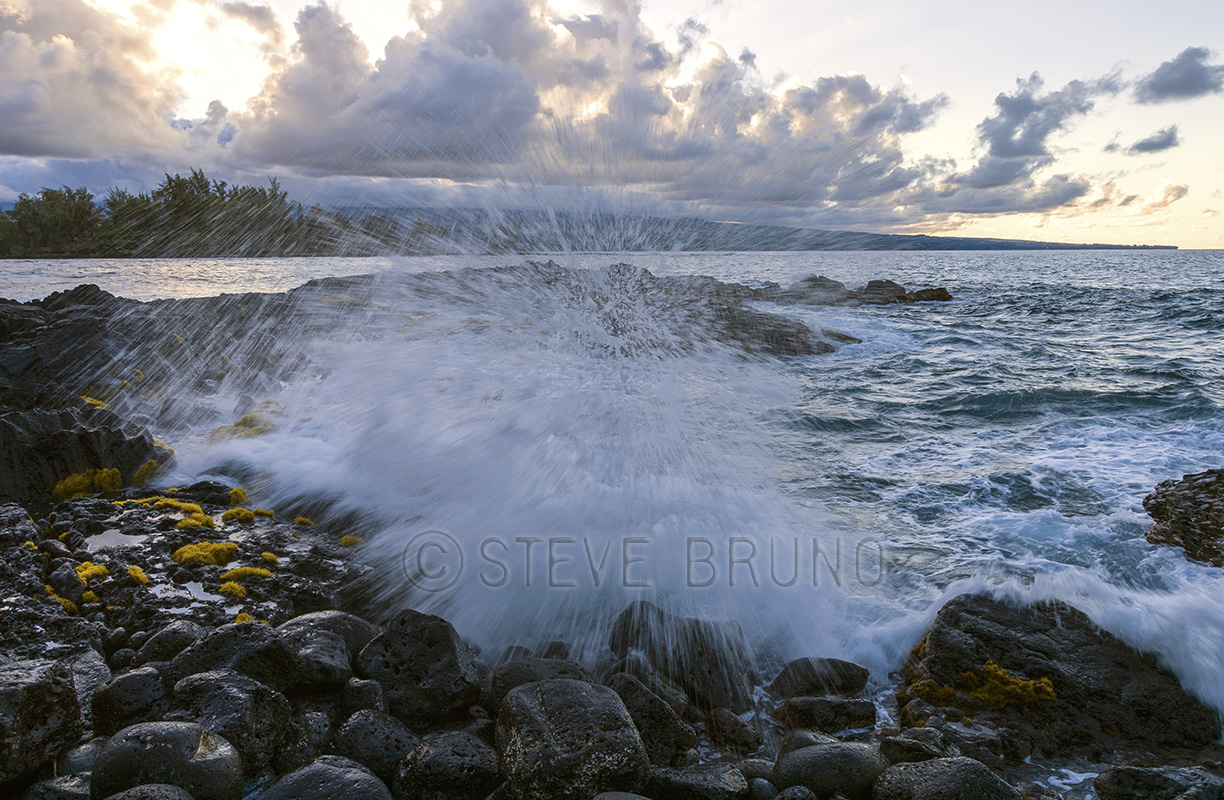



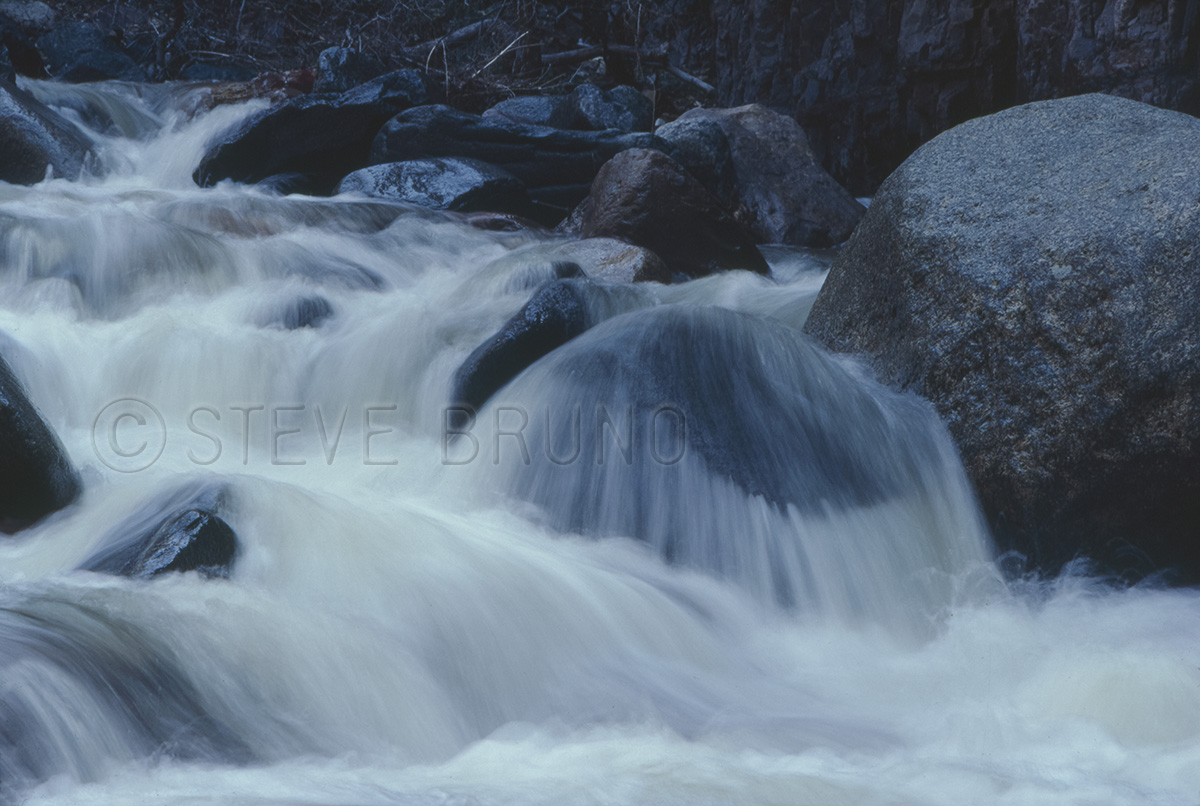
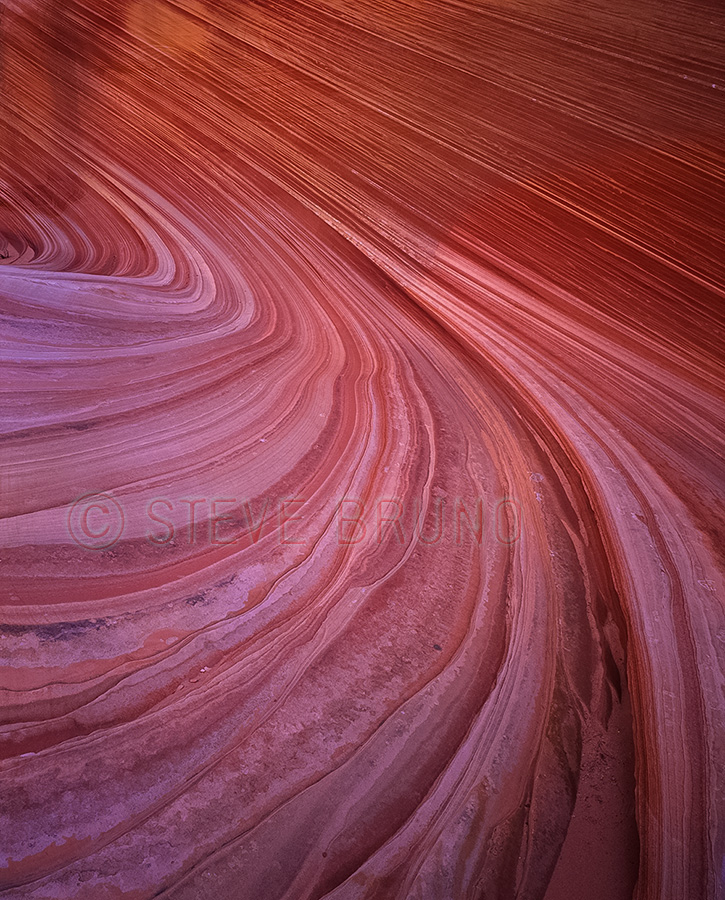
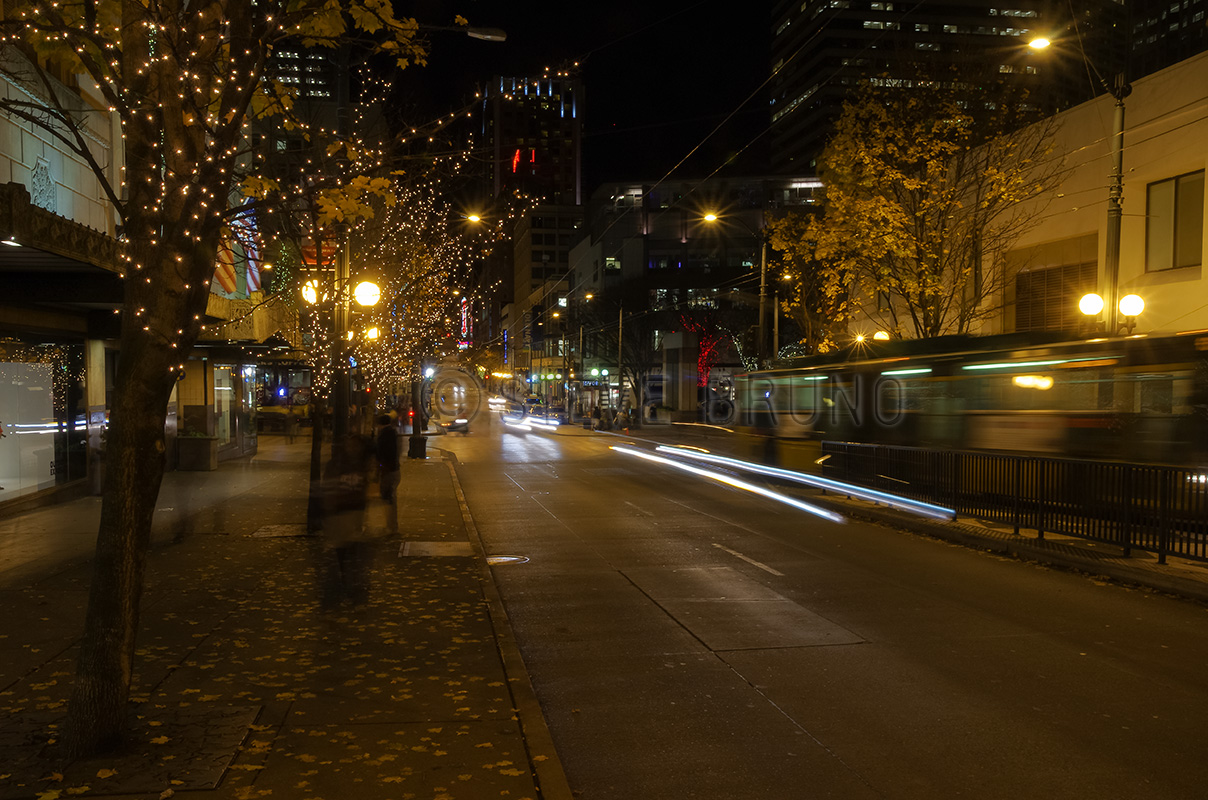
In response to The Daily Post’s weekly photo challenge: “Motion.”
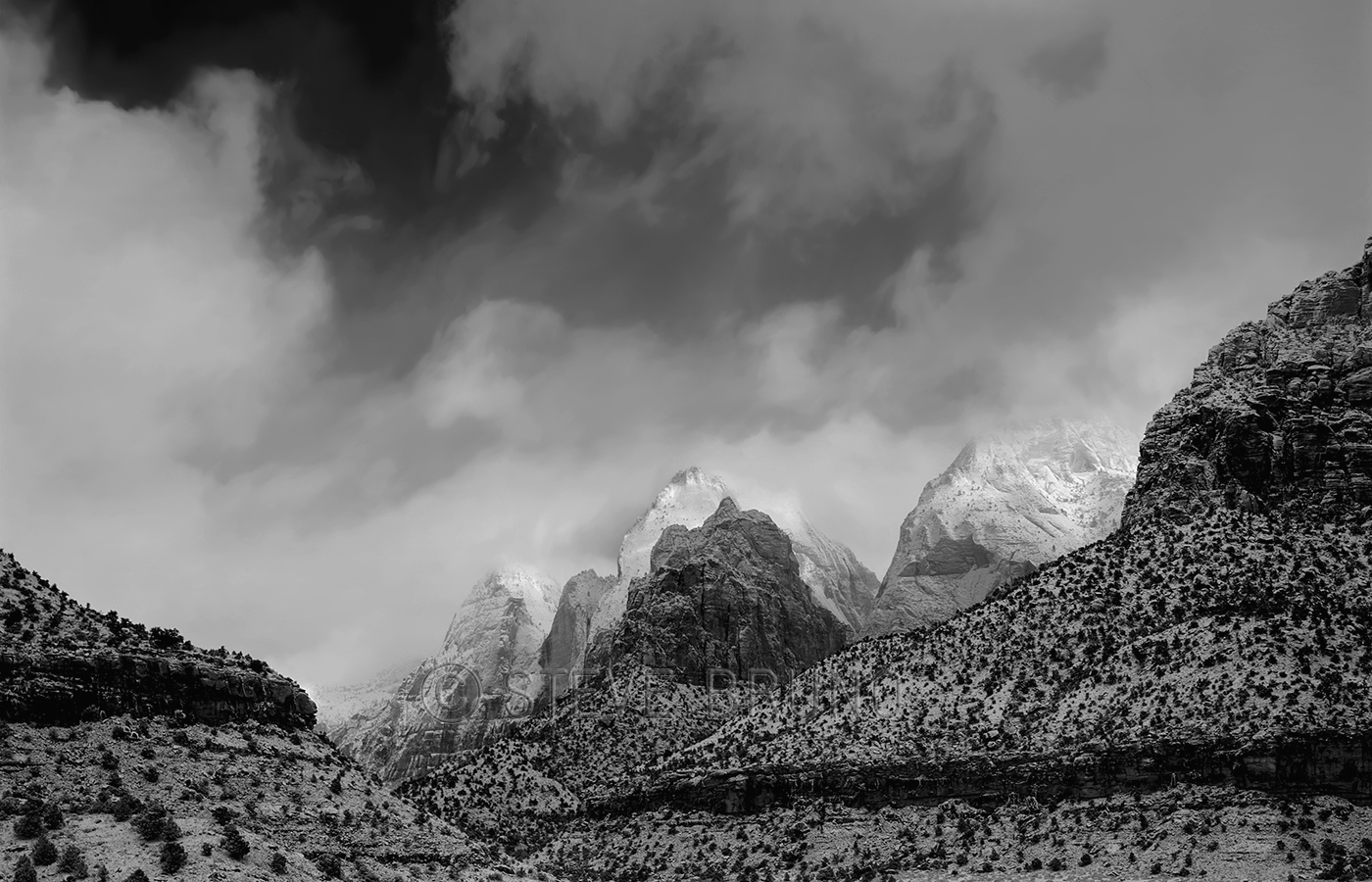
April 22nd is Earth Day, an idea originally started in 1970. It also marks the day that Ansel Adams passed away in 1984. Adams was one of the greatest advocates for the environment and our role as stewards, so this post is a tribute to him. The town of Kanab, Utah uses the slogan “Greatest Earth On Show”, which is hard to refute given its proximity to Zion, Bryce, and many other unique locations. In keeping with Adams’ style my black and white photo comes from Zion National Park, Utah.
On the 45th anniversary of this day, I can’t help but think that we haven’t made very good progress as stewards of the earth. Our rapidly growing population can only place more stress on resources that are already being pushed to their limits. News stories abound about overfishing, forests being cleared or rapidly dying, greenhouse gas emissions, water shortages, etc. I’m not sure if there is a more blatant example of our mismanagement of natural resources than China’s current water situation. In their rush to industrialization, they have depleted thousands of rivers, and are now in an effort to channel water from the southern part of the country northward to the civilization centers. Having lived in a desert for the better part of my life, the message has always been out there for water conservation. I hope this crisis instills the same message to the Chinese.
It has taken many years for the problems facing us and our planet to build, and they won’t be going away overnight. Perhaps a reminder like Earth Day will make us think about our daily decisions and any long-term ramifications.
Happy Earth Day!

To this day, this remains the most spectacular sky I have ever seen in Las Vegas, and certainly a top five anywhere. Unlike most photos where we only get to see a snippet of what’s happening, this sky had a similar appearance as far as I could see.
When I’m on the road, it’s a given that I will get up early to try to get the best light for my subject. This was in my backyard, relatively speaking. I had watched the weather segment on the news the previous night, and the timing of an approaching front looked as though it might coincide with sunrise, so I set my alarm. I drove out to nearby Red Rock Canyon, and well before the sun hit the horizon, I knew it was going to be incredible. The clouds were consistent, and not very low, so the color just came through in waves as the sun started to hit the horizon. It is the only time I’ve had friends call me later in the day to see if I was out there capturing the sunrise. Apparently, it was like a red beacon coming into everybody’s home in Las Vegas.
In response to The Daily Post’s weekly photo challenge: “Early Bird.”
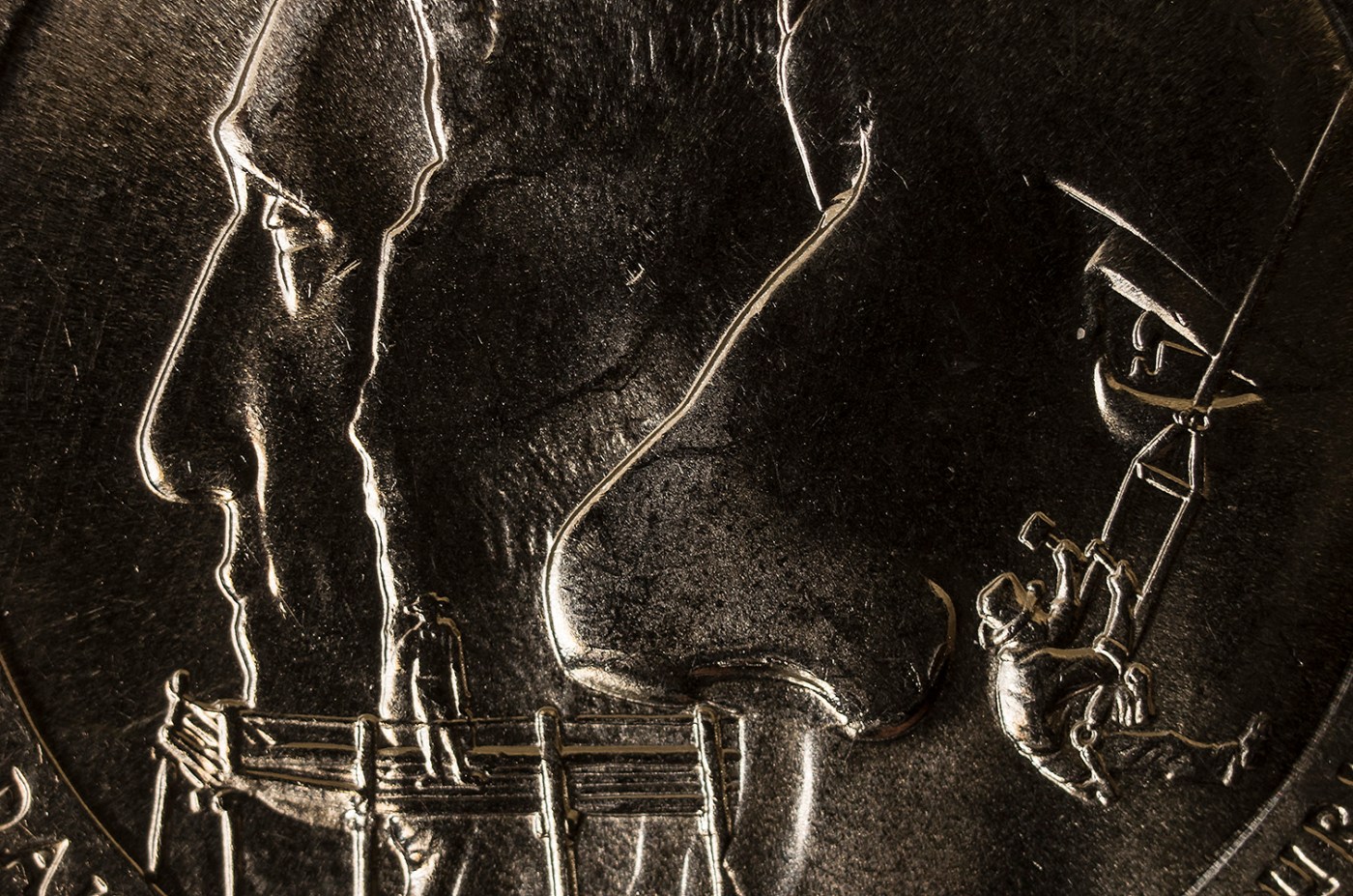
It’s way too windy outside to attempt any close-ups, so I thought I’d have some fun with my camera indoors. The source for this shot – a 2013 US quarter with the tribute to Mount Rushmore (just a reminder that it’s tax time for procrastinators). This is an uncropped shot taken with a Pentax 40mm lens with two extension tubes. Exposure 1/3 second f/8 ISO 200.
In response to Cee’s Fun Foto Challenge http://ceenphotography.com/2015/04/14/cees-fun-foto-challenge-close-ups/
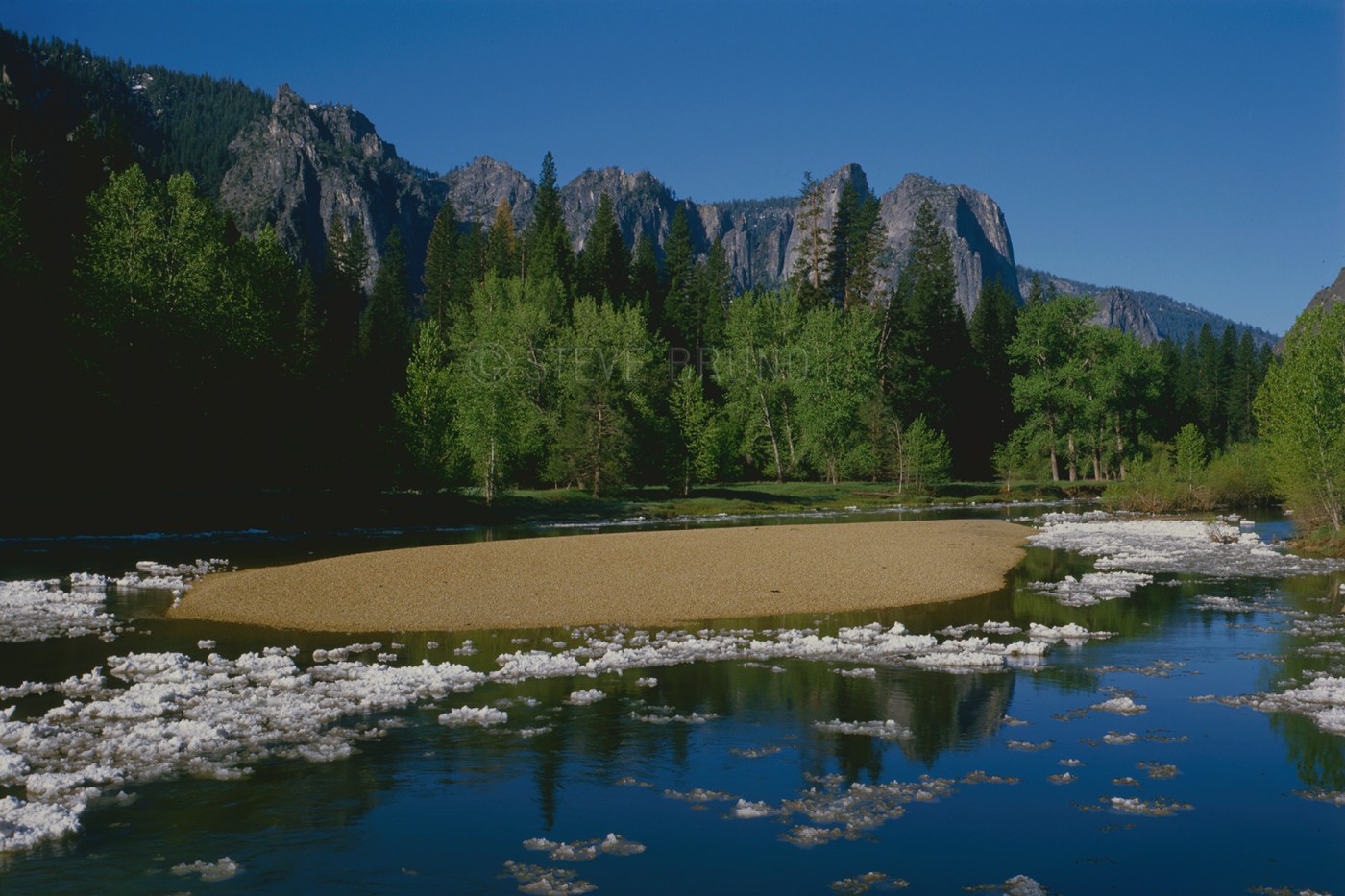
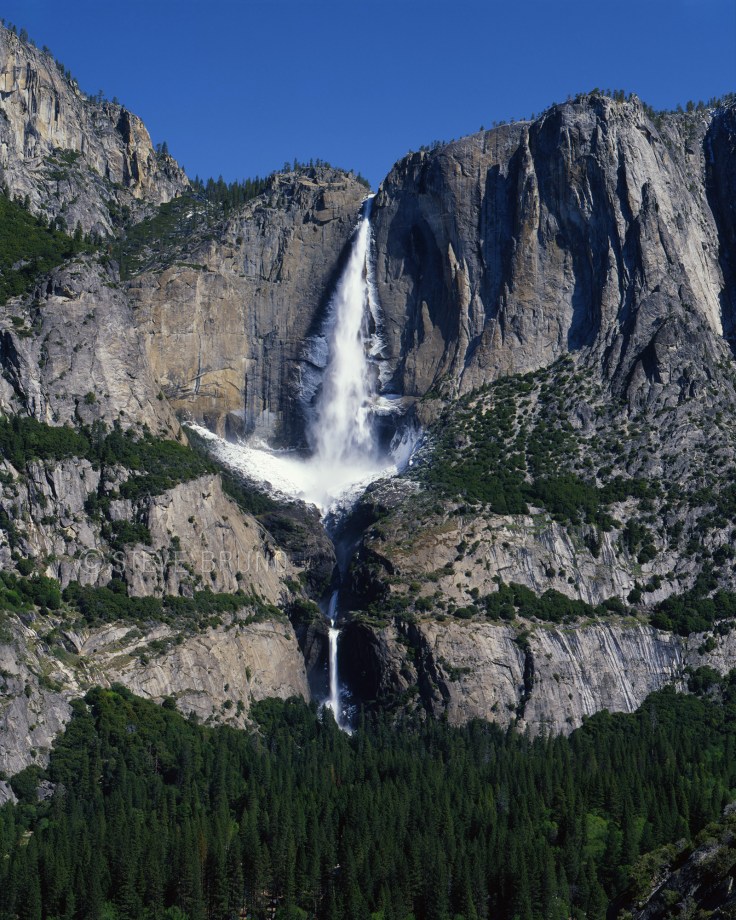
We were in Yosemite in springtime, when a cold front passed through. The next morning there were chunks of ice floating down the river that hadn’t been there the previous mornings. We traced it back to the source – Yosemite Falls. The spray from the falls had built up a layer of ice close to a foot thick during the night and was now melting. This probably happens on a regular basis there, but I have never seen photos of it.
In response to The Daily Post’s weekly photo challenge: Afloat
The source for all the ice:
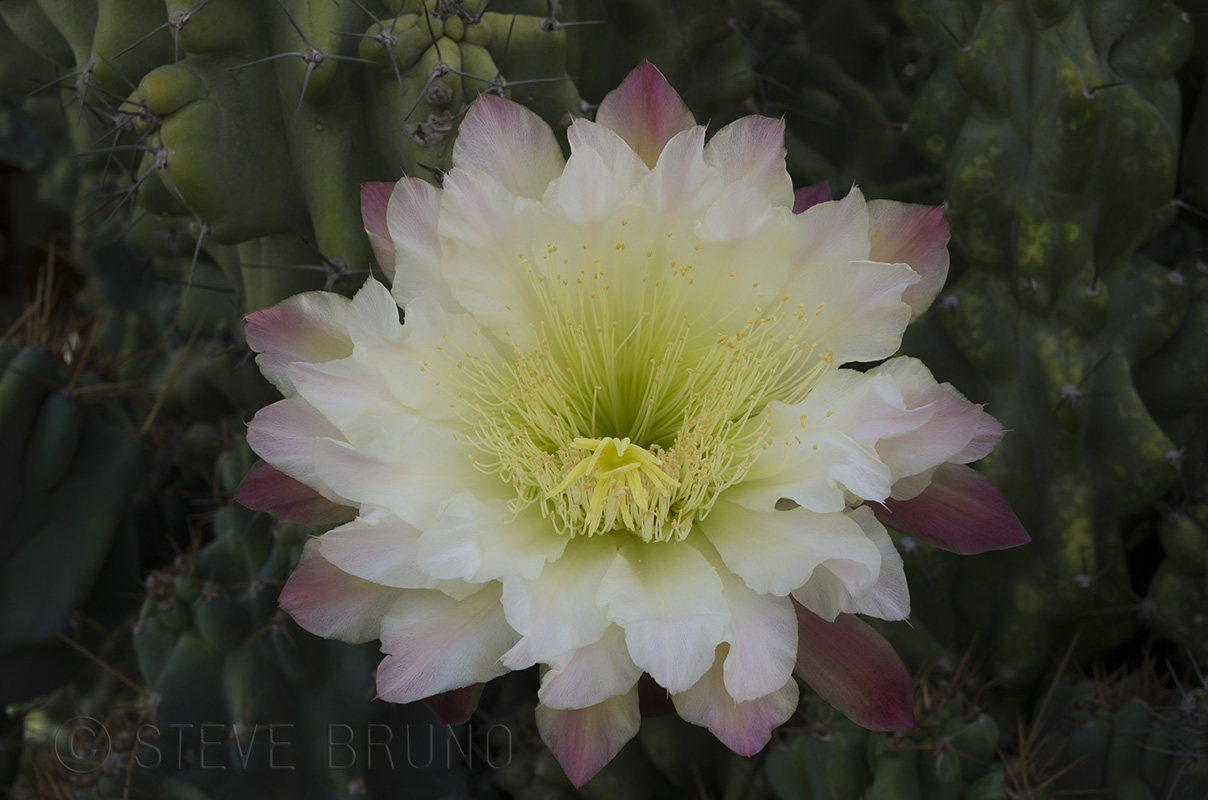
I was down in Arizona this week, and while the early flowers have succumbed to the heat, the cactus are now beginning to show. And, as it turns out, there’s a little bit of yellow in this one.
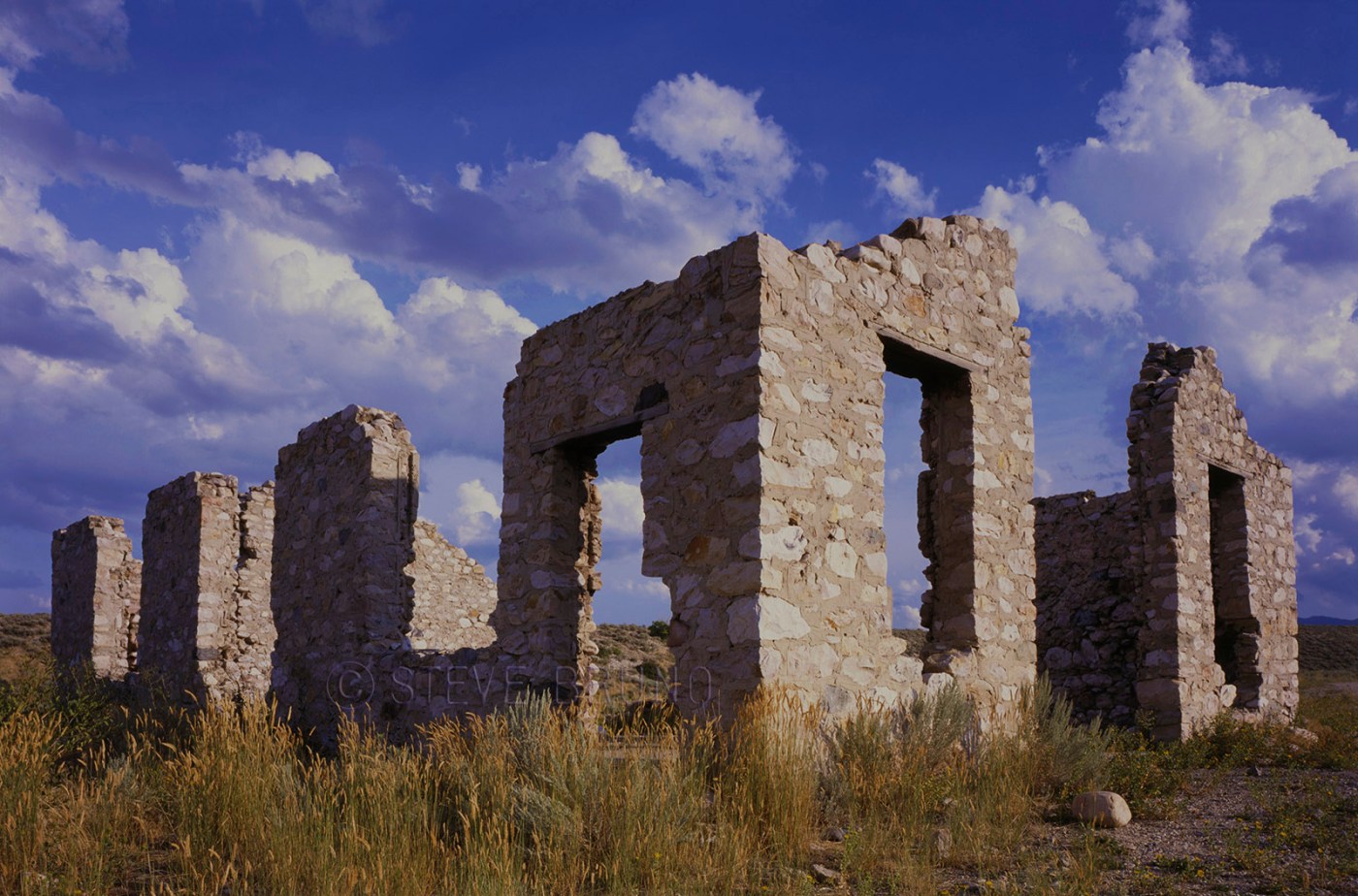
Here in Las Vegas, there is nothing 100 years old. I think it’s an unwritten law that a building must be imploded when it reaches 40 years, with something new and shiny replacing it. I had this shot in my files from the desert west of Salt Lake City, Utah. There were no historical markers or anything to indicate its age or any significance. I’m guessing its time to be from early 1900’s. Maybe a reader with more knowledge on building methods of the past might weigh in with some better info. In response to Sunday Stills Photo Challenge
 Steve Bruno Photo
You must be logged in to post a comment.