Search

Steve Bruno Photo

Tag

Utah

WPC: Earth

Earth.  Our one and only home.  Forget about going boldly where no one has gone before, this is it.  Even if we were to find another suitable planet for our existence, history suggests we would strip it of its resources and fight over who gets to claim ownership.

Many civilizations have proven it’s possible to live within the means of the local environment, but our modern society has created demands which leave tremendous scars on our planet.  Forest clearcutting and strip mining would be major examples of this.  Copper, a material we have made essential to our way of living, does not exist in large, solid masses, so can only be extracted through the process of strip mining.

For this week’s challenge, I could have chosen one of many images which I feel portray the special qualities and beauty of this planet. I kept coming back to this one, however.  Earth has this magical quality of rejuvenation, and after we have vanished, will reclaim itself.

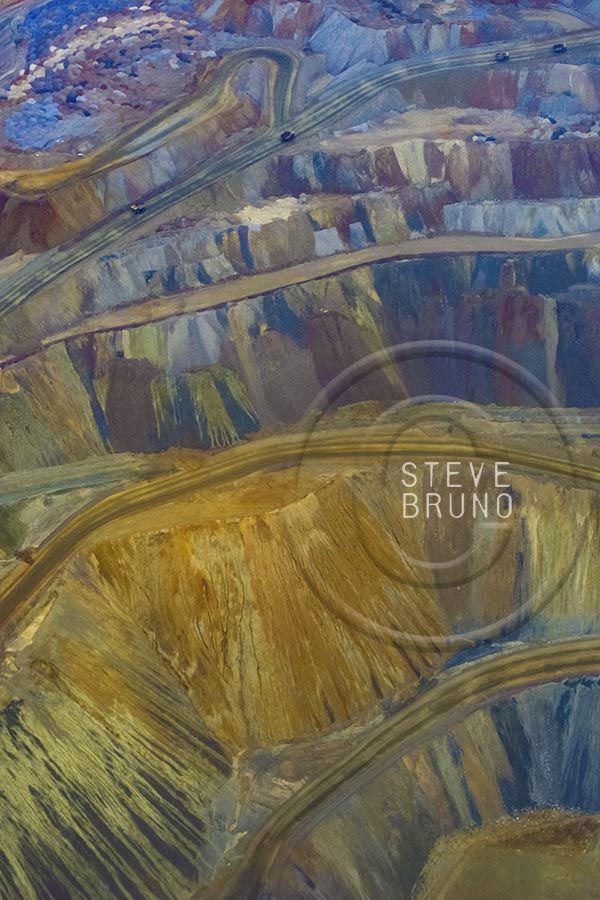
This is my hands-down favorite image ever taken from an airplane.  On an early morning flight into Salt Lake City, we passed the Kennecott open pit mine.  After copper is exposed, the oxidation process turns it into a complexity of colors.  This should have been a blight on the land, but all I can see is beauty in this shot.

Need a frame of reference?  Along the line extending to the upper right corner, you will see four dots.  Each of those is a truck capable of moving hundreds of tons of dirt, and having tires that are taller than a semi-trailer.

WPC: Abstract

The Daily Post Challenge for Abstract might just be my favorite one yet.  I used to consider it the greatest compliment when someone would look at one of my images and say “That’s a photograph?  That doesn’t look real!”  Nowadays that usually means someone didn’t know when to say no to Photoshop.

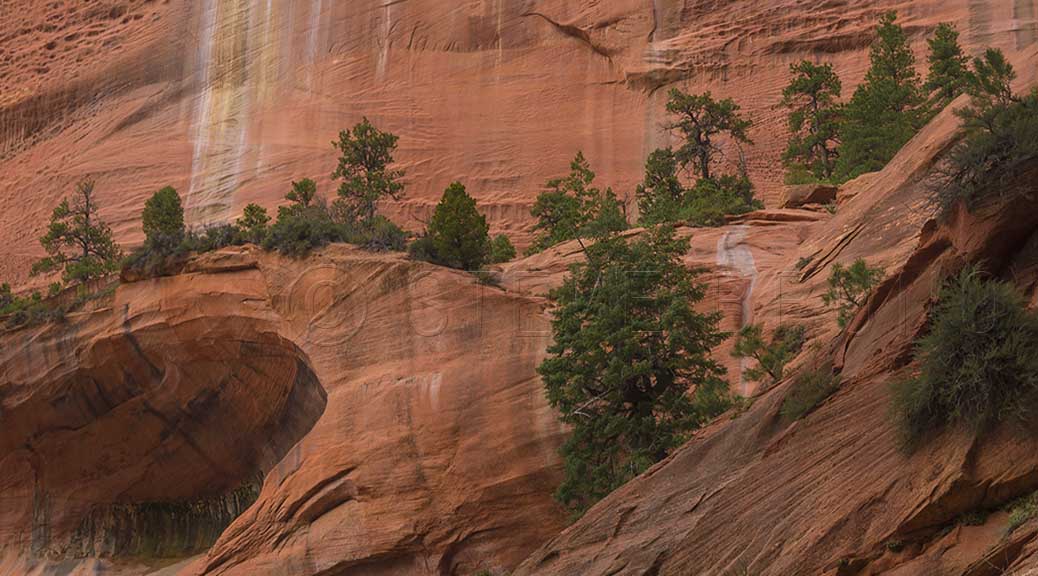
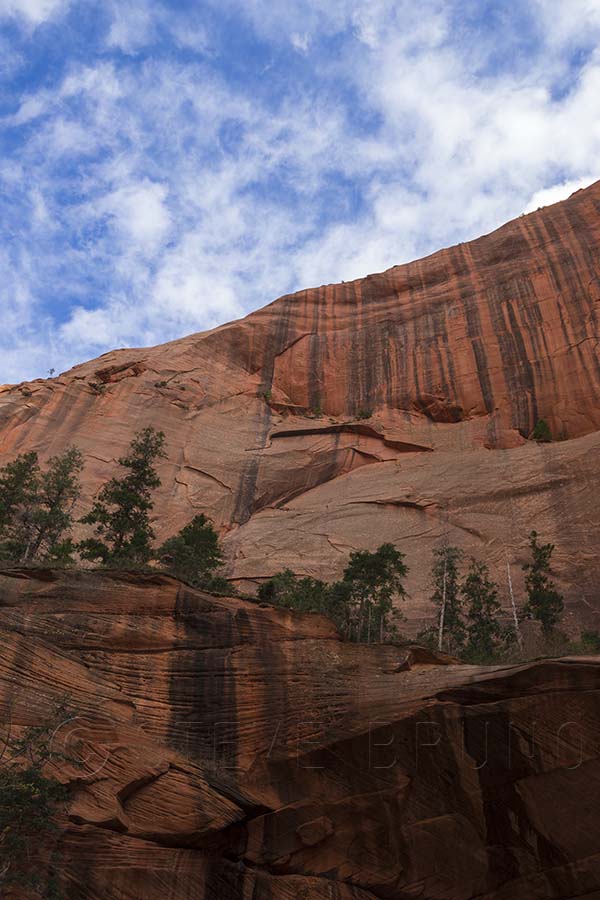
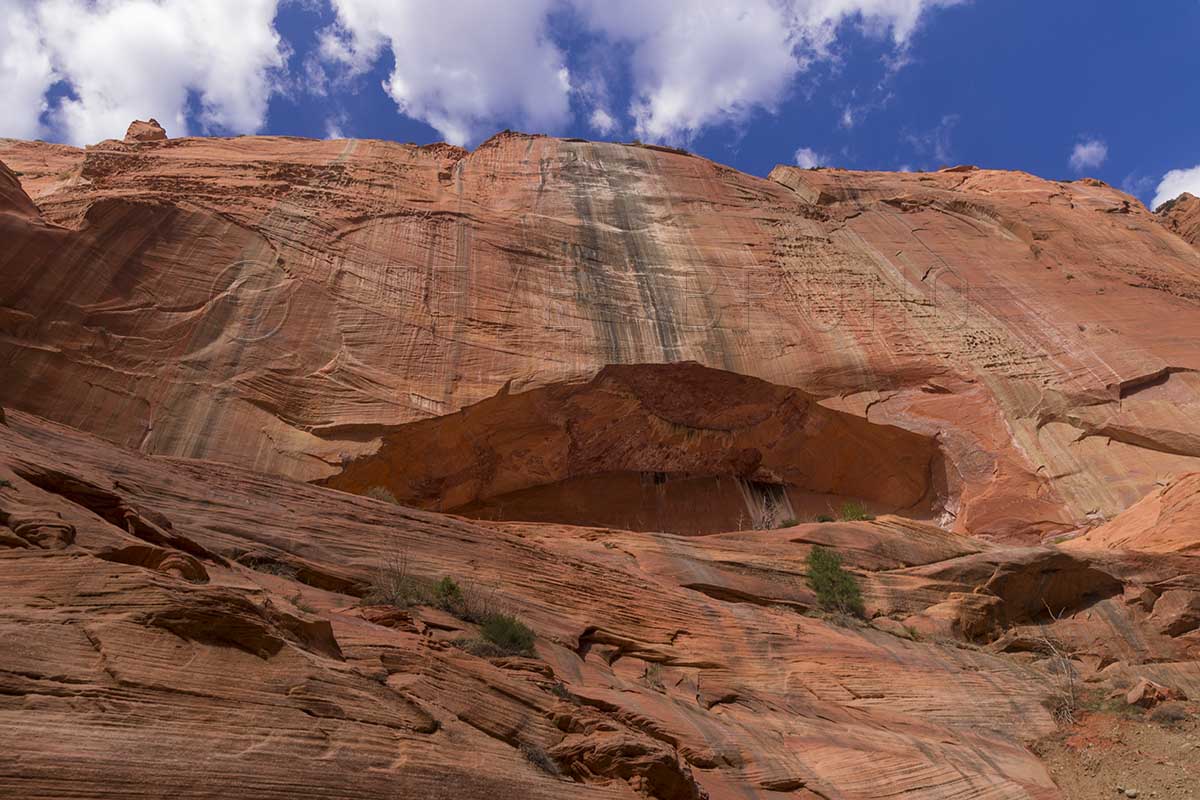
The top photo is one I call Sandstone Wall Watercolor.  This is straight off the film, no effects added.  It was taken in a canyon where water was working its erosional magic, and the sunlight was just out of frame and bouncing light all around.

I have a few more favorites in the gallery below.  Some are obvious as to what they are, some not so much.  Details are in the captions in the gallery.

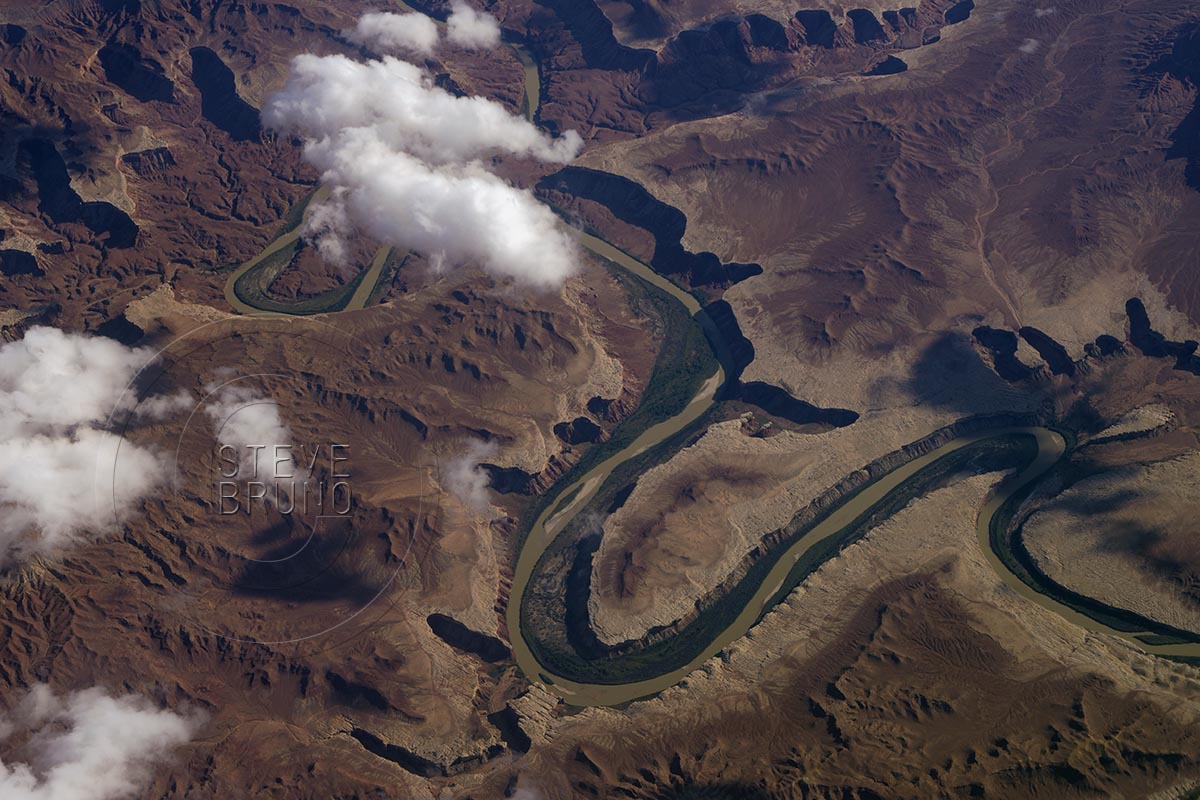
Wordless Wednesday: Window Seat II

Window Seat

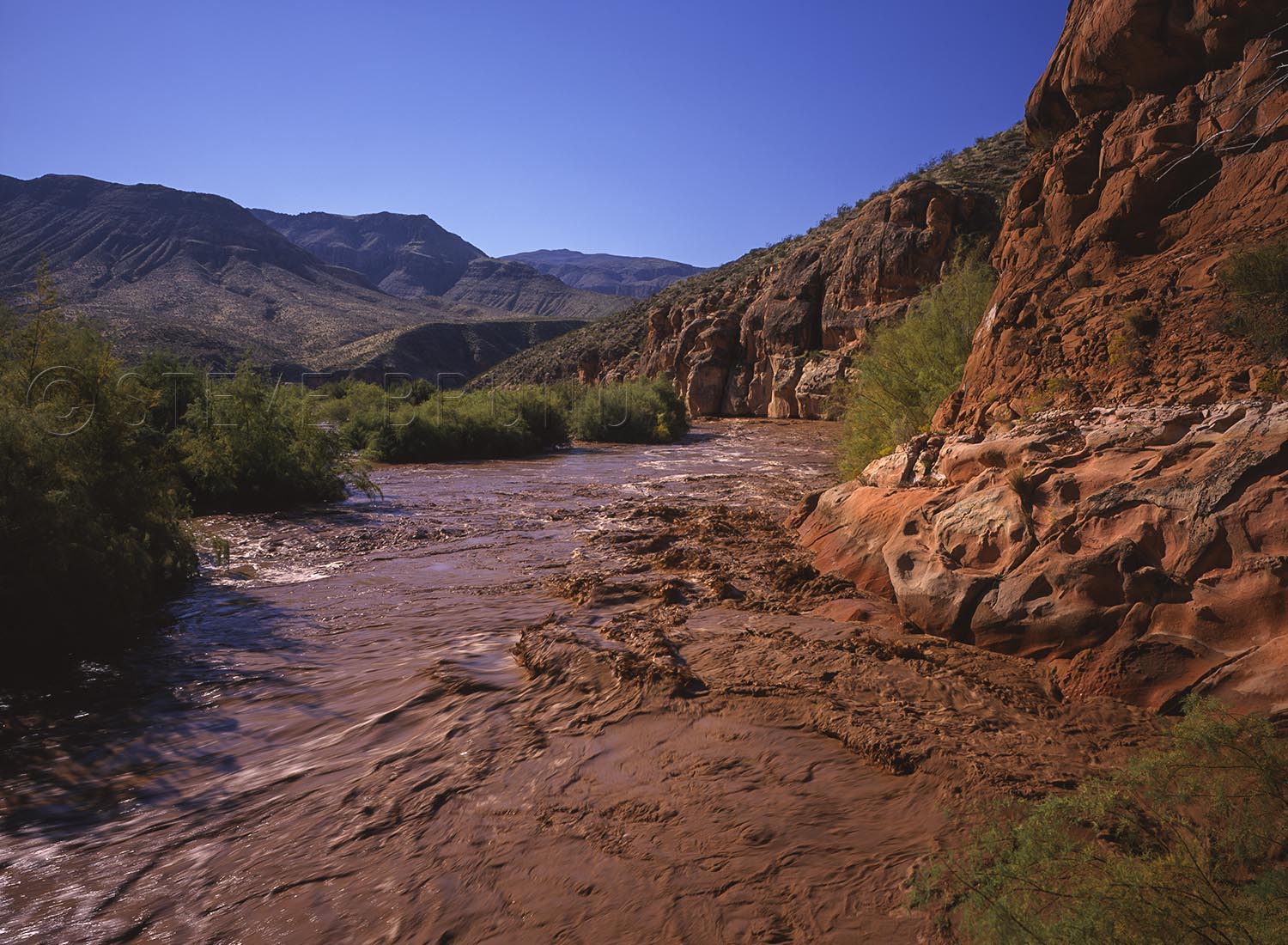
It didn’t rain here

I repeat – it didn’t rain here.  Not a drop.Virgin River Flood-Steve Bruno

This is what we faced one morning a few years ago when we planned a trip into the Paiute Wilderness in northwestern Arizona.  During the majority of the year, the water of the Virgin River would be mostly clear and about ankle to calf deep here.  In the parts where the river channel narrows to the length of your average rental car, it is still only knee to thigh deep.  At this point, you can certainly feel the pull of the water, yet it is not dangerous.

Upon our arrival, we knew we had to scrap our plans.  One single thunderstorm had dumped upon the headwaters of the river, about thirty miles away, during the course of the night.  We could kick up dust here.

On Monday, hikers died in a narrow slot canyon in Zion National Park, Utah.  Rangers had given them a warning about potential flooding, but they can’t stop people from going unless flooding is imminent or occurring.  It is up to the discretion of the visitors to proceed, and once this has happened, there is no way to warn them of changing weather.  In canyon country, you have no way of knowing unless it’s directly above you.
On August 14, 1997, eleven hikers perished in a flood in Antelope Canyon.  A photographer friend of mine was there that day, and was one of several people pleading with the tourists not to proceed into the canyon.  The tourists had already discussed the conditions, and voted to continue, but they weren’t from around here.  Besides, it wasn’t raining there, either.
I get it.  People plan a trip and try to see as much as they can, and end up on a tight schedule.  A little rain shouldn’t interfere with that, right?
This is the desert, and a little rain goes a long way.  Literally.  Many, many miles sometimes.

To see an example of what not to do in a flood, watch this video on Youtube.  These are the stupidest people, and because they survived, the luckiest people you might ever come across.  I wanted to give them credit for making a wise decision when they seek higher ground in the earlier portion of the video, but then they resume when the rain seems to let up.  Tell me you’re not scratching your head by the end of this video thinking what are these people doing?

I’m certain this week’s news about hikers in a flood will not be the last of its kind.  I just know there’s no photograph in the world that justifies going into a narrow canyon when there’s rain nearby.  Other links to flash floods will show up when you watch this video.  I don’t want my last words to be “Should I keep filming this?”

WPC: Today Was a Good Day

As an old friend used to say, “Every day above ground is a good day!”  Some days stand out more than others, and here’s one that I still remember.

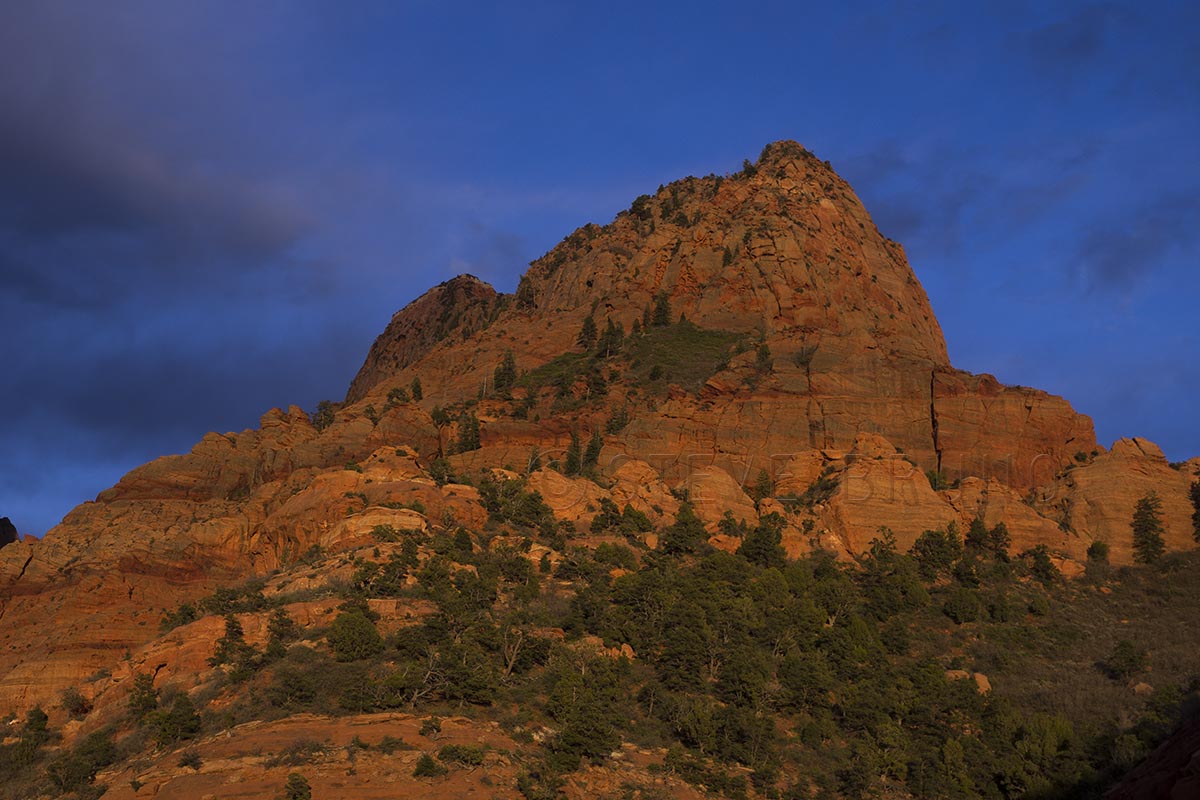
My friend Dave asked me to join him checking out a hike he had read about.  It was the Taylor Creek hike in the Kolob Canyons section of Zion National Park in Utah.  The National Park Service lists this as a 5 mile roundtrip hike that only gains 450 feet.  Dave and I both have extensive hiking experience, including the Zion Narrows and many Grand Canyon hikes, so this sounded like something we would knock out in about 2 hours.  The official trail ends at Double Arch Alcove, but he had read that going further up canyon was worth investigating.  Even then, we both had the feeling we would be done early, and maybe that would leave time to hike another trail in the park.

We left Las Vegas about 8 am on a late April day.  The forecast for Zion was sunny skies and about 80 degrees F.  This placed us on the trail about 11 am, just in time for mid-day light.  Neither one of us was expecting any great photographs, but it was a beautiful day, and any day hiking is a good day!

The trail started out in relatively open country and we could see higher canyon walls ahead.  The easiness of the trail soon had us at an old cabin along the way.  It didn’t seem like it was much longer when we arrived at Double Arch Alcove.  This was an impressive sight and the depth of this beautiful canyon had become obvious.  As we continued further up, there was a physically demanding spot or two, enough to keep the average tourist back.  Then, our first unexpected sight came up.  It was a large snowbank at the base of the canyon where water was trickling down.  The cool air announced its presence before we had sight of it, and the snow was a bit on the mushy side, as one would expect in 80 degree air.  We continued upward, and as we neared the end of our route we encountered another snowbank.  This one, however, was completely different.  It was several feet thick and rock hard.  We referred to it as the desert glacier, and were estimating that it was still going to be there in June when the temps hit 100.  It was shaded by steep walls of the final narrow box canyon.  At the end of this box canyon were colors and textures that neither one of us had ever seen, and in a canyon so dark we needed a flash to capture it properly.

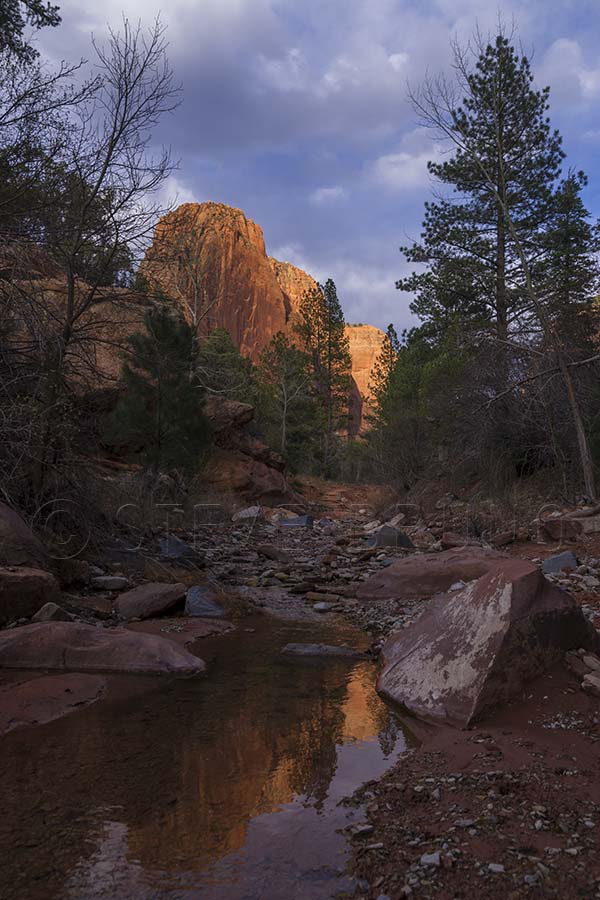
As we headed back, we couldn’t help but notice that there was a cloud or two floating above.  The weathermen rarely get it right, and this day was no exception.  By the time we got back to Double Arch Alcove, there was more cloud than open sky, and the light was becoming great for photography.  Usually I’m the one who holds other hikers back under these circumstances, but Dave was fascinated with the changing light as much as I was.  A hike which we should have finished in another 45 minutes took us almost 3 hours.  Most of these photographs are along the official trail.

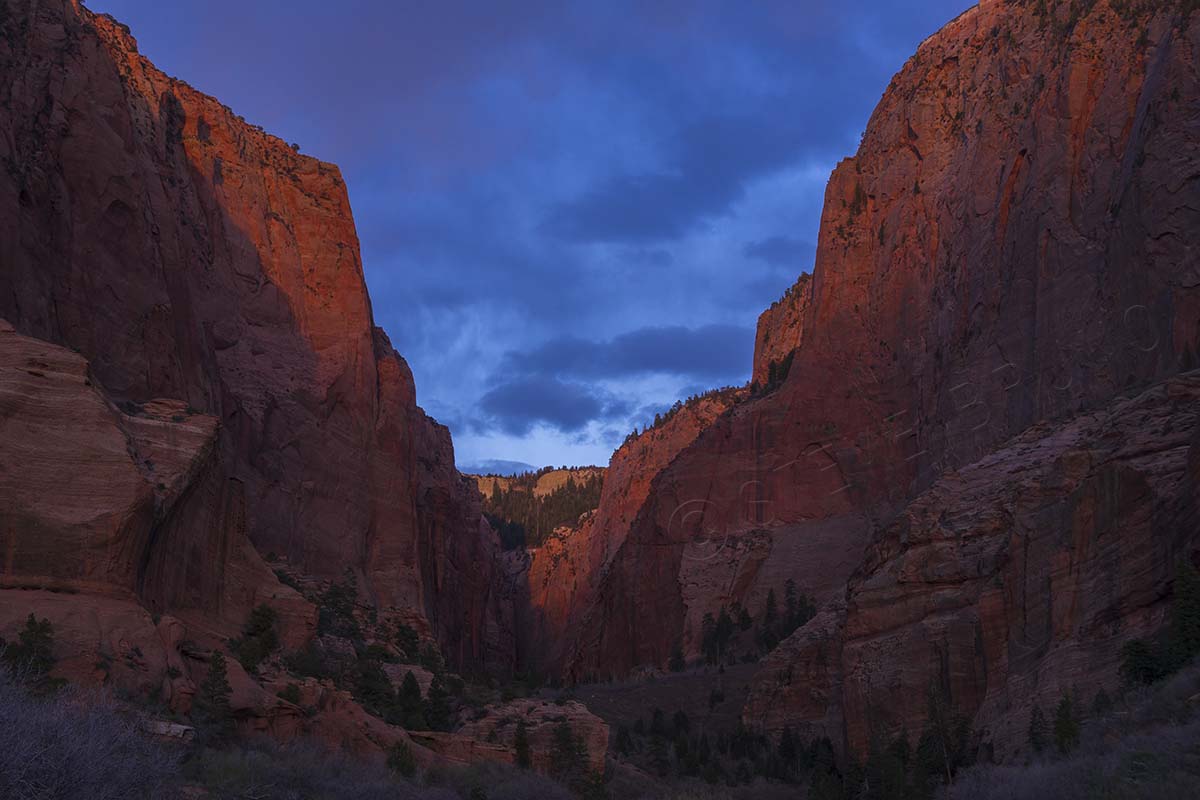
As we got back to the car, we knew we only had about a half hour before sunset, and we couldn’t leave just yet.  We drove into the park about another mile and found a couple great spots to get more photos as the sun was going down.  Afterwards, we headed down to St. George and filled up on a healthy dose of comfort food.  What better way to finish out a very good day?

WPC: Creepy

I posted a bunch of creepy critters in the Close-Up challenge.  If you missed those, you can find them here.  That made me search harder for some different creepy images.

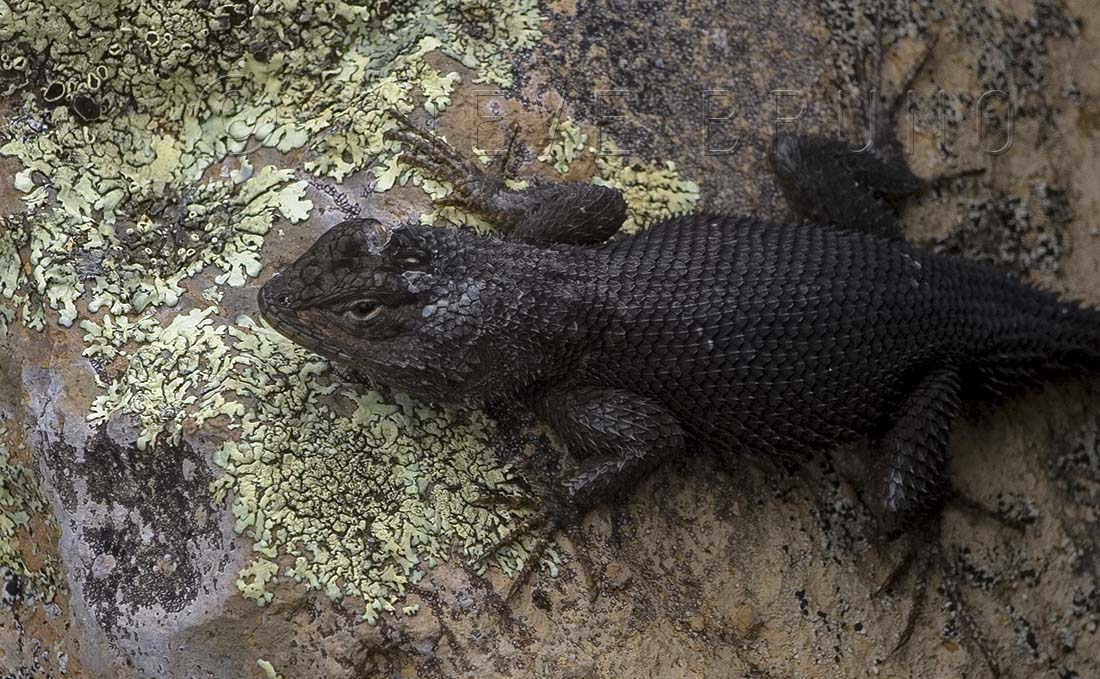
Initially. I have this lizard which I came across in the Chiricahua Mountains of southeastern Arizona.  Probably not that creepy until you look at the gash on the top of its head.  He was a fairly sizeable creature, but it makes me wonder what thinks of him as dinner.

Lizard with a gash on its head, southeastern Arizona, photo by Steve Bruno

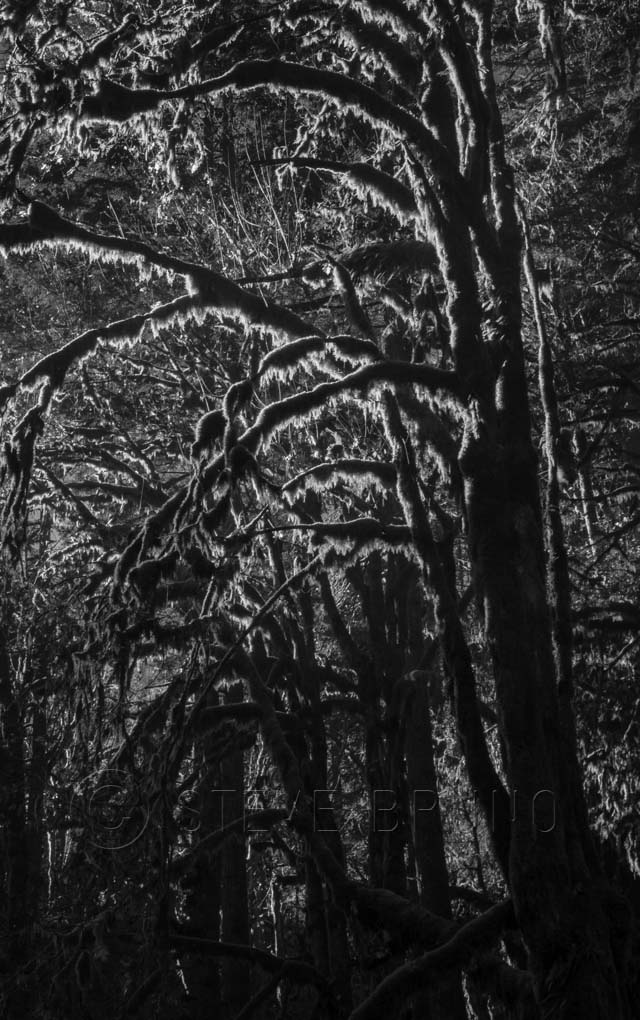
Dark forests can be creepy, and one of the darkest I ever came across was in Hawaii, of all places.  I didn’t take any photos there, but this one, with the moss hanging from the branches, is from last year in Oregon.

Sunlight filters through the moss covered forest in central Oregon, photo by Steve Bruno

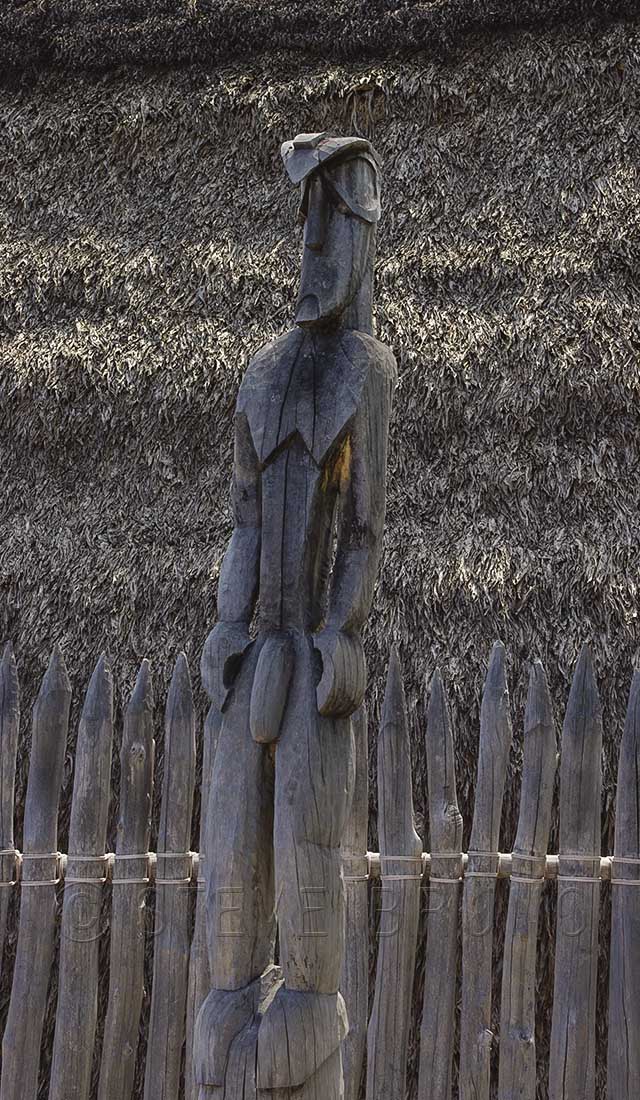
At Pu’uhonua o Honaunau National Historical Park in Hawaii, there are many carvings.  Most of these are genderless with ugly faces with large teeth, which would imply they were there to scare off intruders.  The creator of this one decided it was scarier to have a relatively featureless face and a large penis.  That’s creepy!

Carved statue in Pu'uhonua o Honaunau National Historical Park, Hawaii by Steve Bruno
Carved statue in Pu’uhonua o Honaunau National Historical Park, Hawaii by Steve Bruno

Other symbols, created by a different civilization are equally bizarre.  In the Grand Canyon, this panel of pictographs has some creepy characters on it.  In addition to the large symbols, there are 5 faces which are nothing more than 3 dots and a line on top (4 lines for number 1).  Two eyes and a mouth is my guess, but it’s more like a nose on 4 and 5.  There’s also the ghostly white symbol on the far left.  I’m not sure how the two deer ended up on this one.  This panel is, fortunately, out of reach of anybody today, so this is how it was created over 700 years ago.

Strange panel of pictographs in the Grand Canyon, Arizona by Steve Bruno

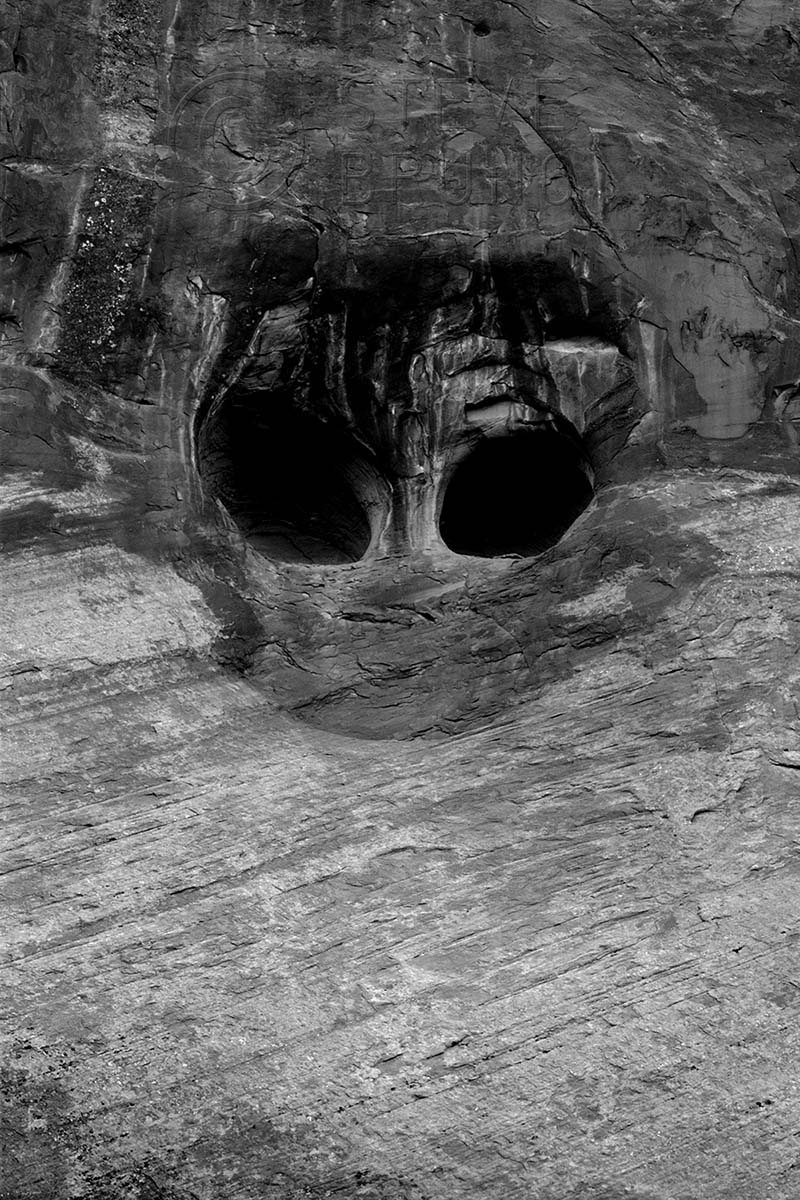
By far, the creepiest site I have ever encountered was this pair of grottos in the canyons near Moab, Utah.  The dark features around the two grottos suggest a rather alien-like face, and I couldn’t help but have the feeling I was being watched.

Canyon walls near Moab, Utah appear to have eyes. Photo by Steve Bruno

WPC: Enveloped – in deep, narrow canyons

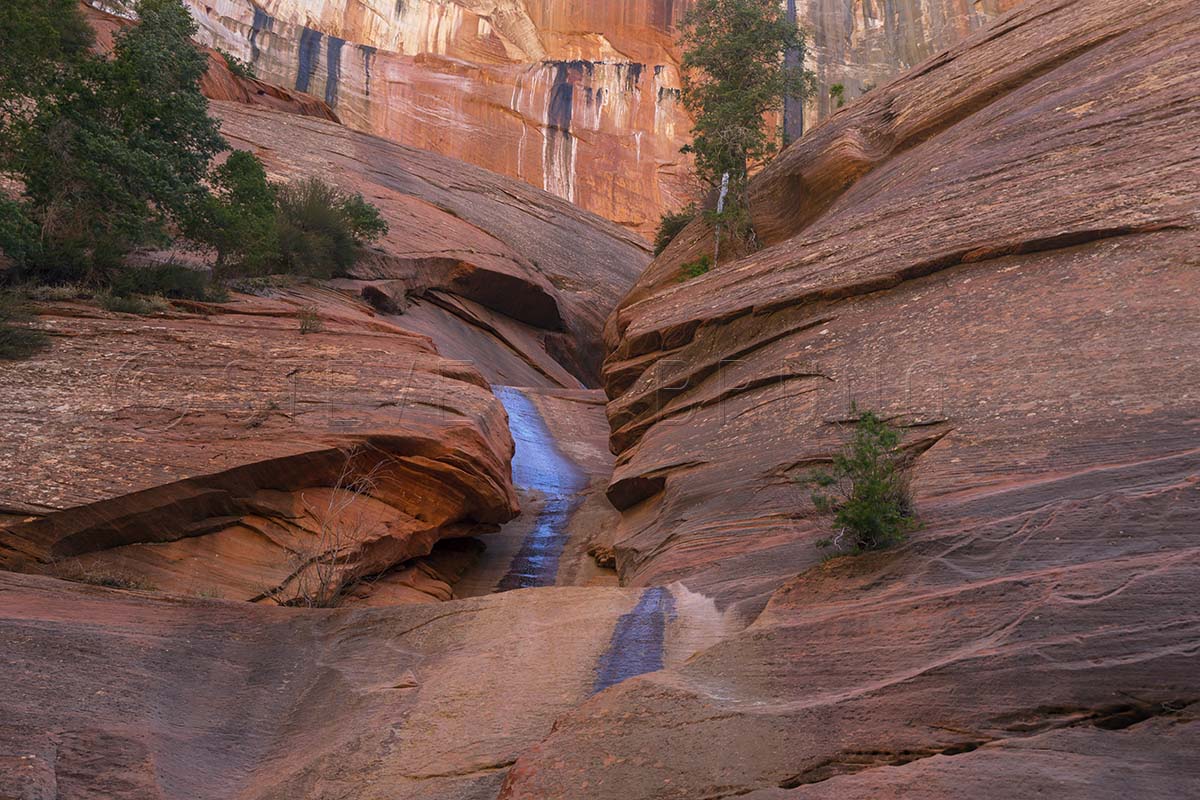
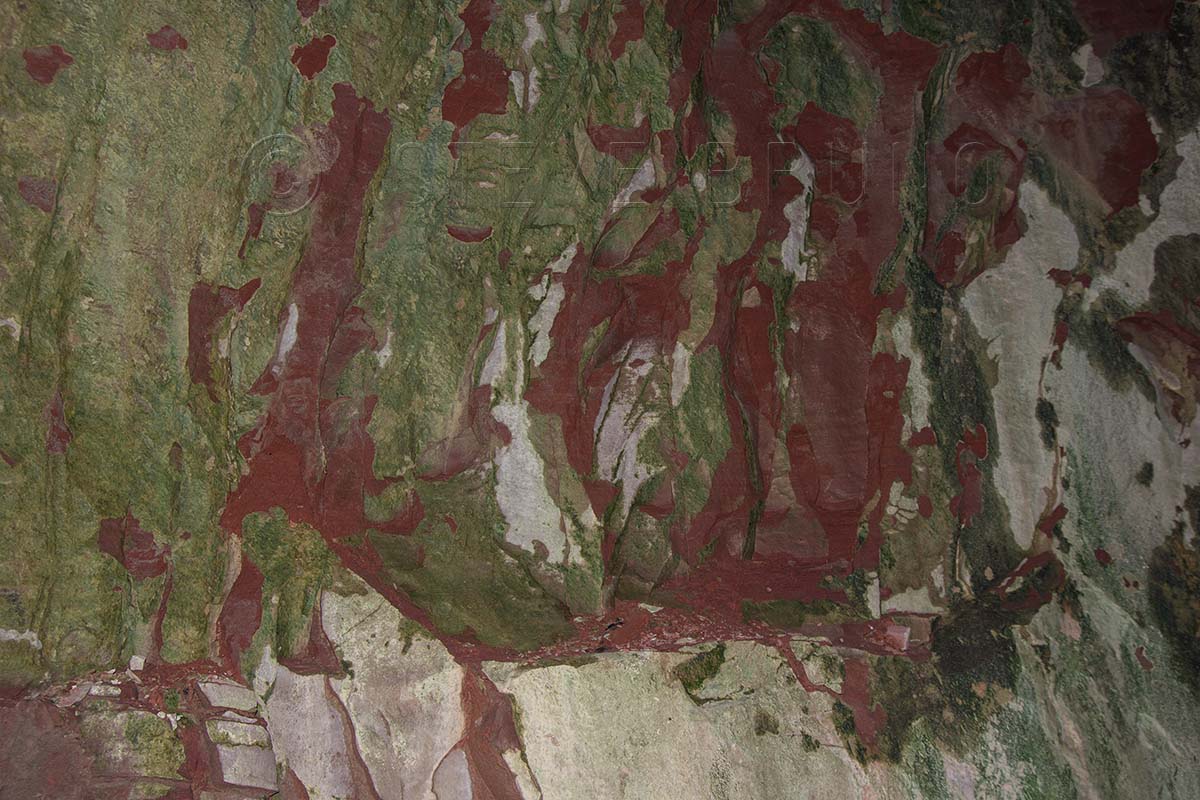
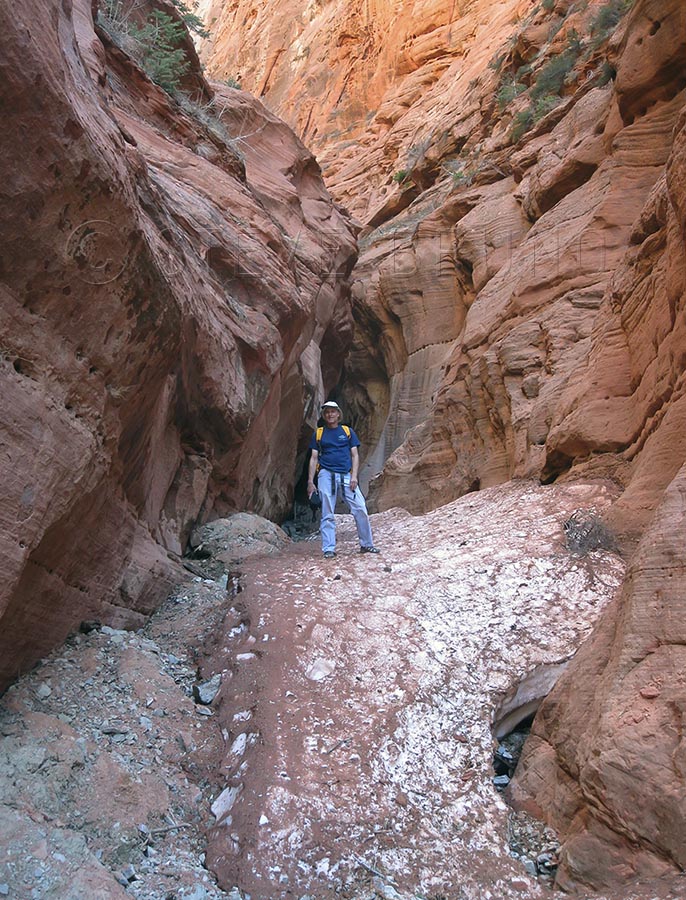
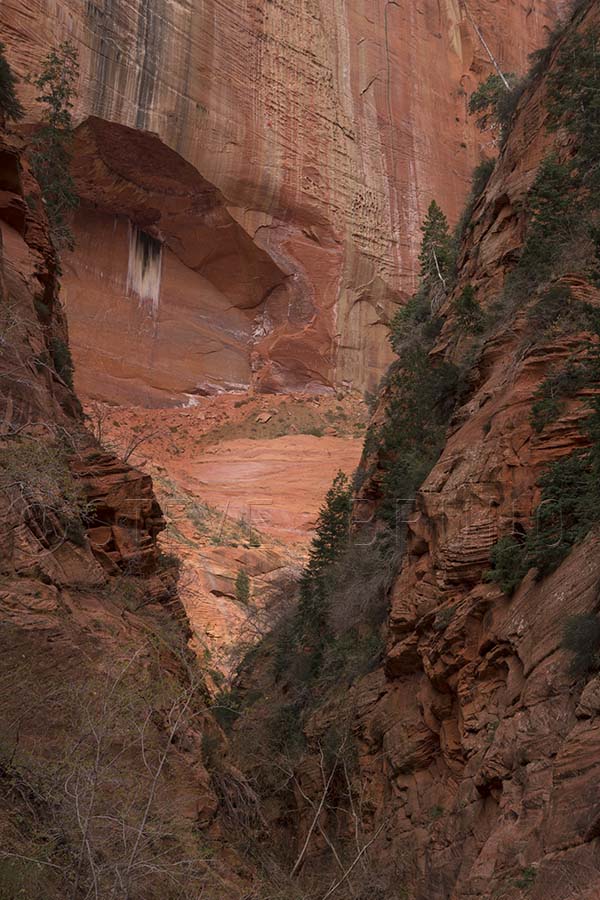
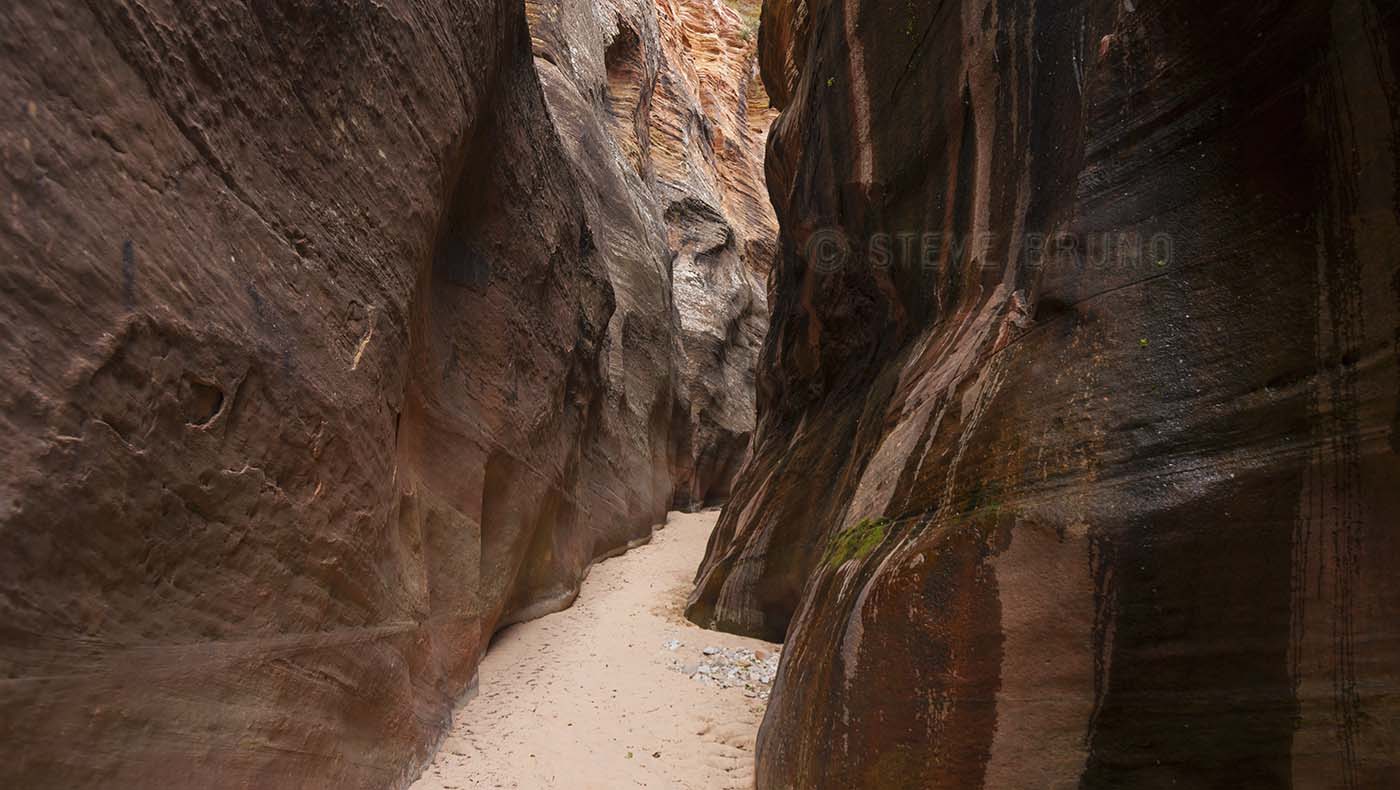
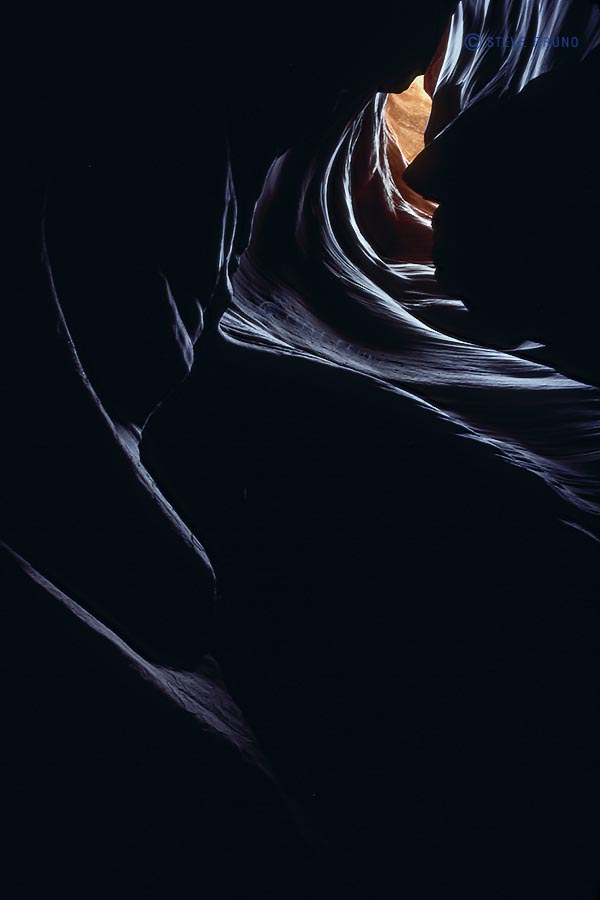
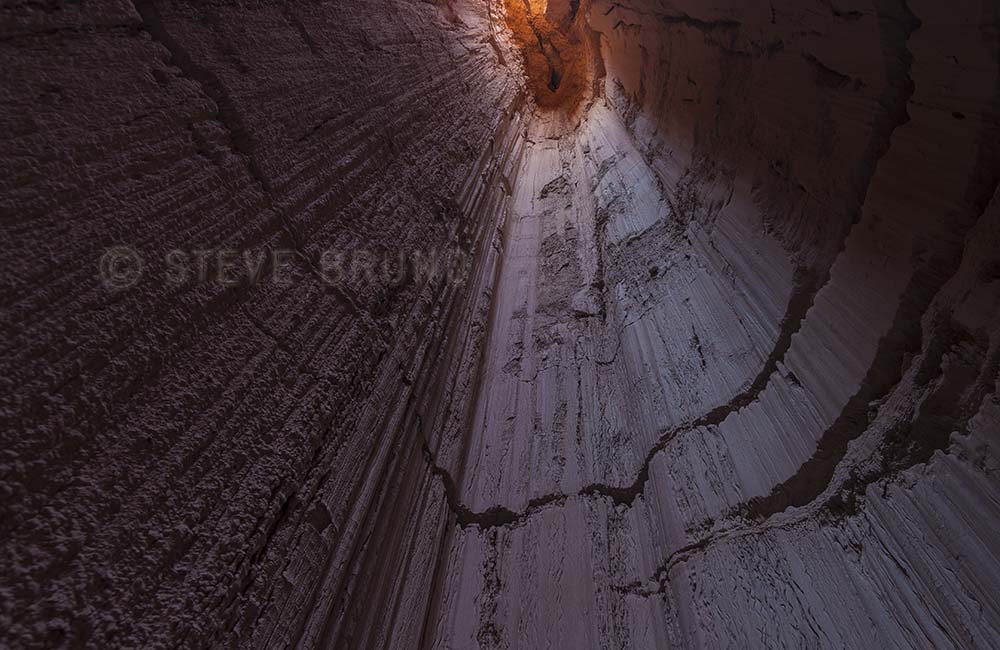
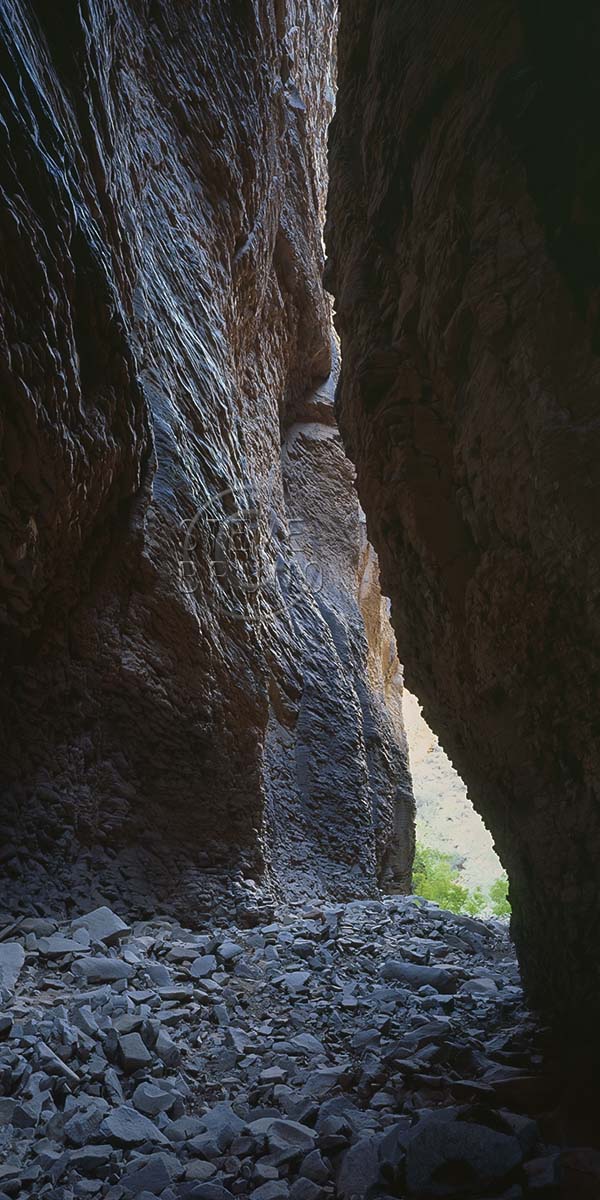
I’ve hiked many miles, and early on I discovered I preferred canyon hikes over those on a mountaintop or ridgeline.  It’s not just about having shade or water, but more of the adventure of coming around a corner and being amazed with something unexpected.  And while canyon exploring tops my list, some canyons are more memorable.  Those are the ones where the skies disappear and I might have to take off the pack and step sideways for a moment or two.  At that point, it’s hard not to feel enveloped in the land.  Sometimes it’s challenging to find an angle to photograph these spots, because there’s no moving around for a better angle, and looking up just yields a washed out image.  Whether it’s a slot canyon or just another thin slit in the earth’s crust, sunlight rarely penetrates to the bottom.  If it does, the contrast is too much, so the best light is often reflected sunlight.

Here are some of my favorite places to become enveloped:

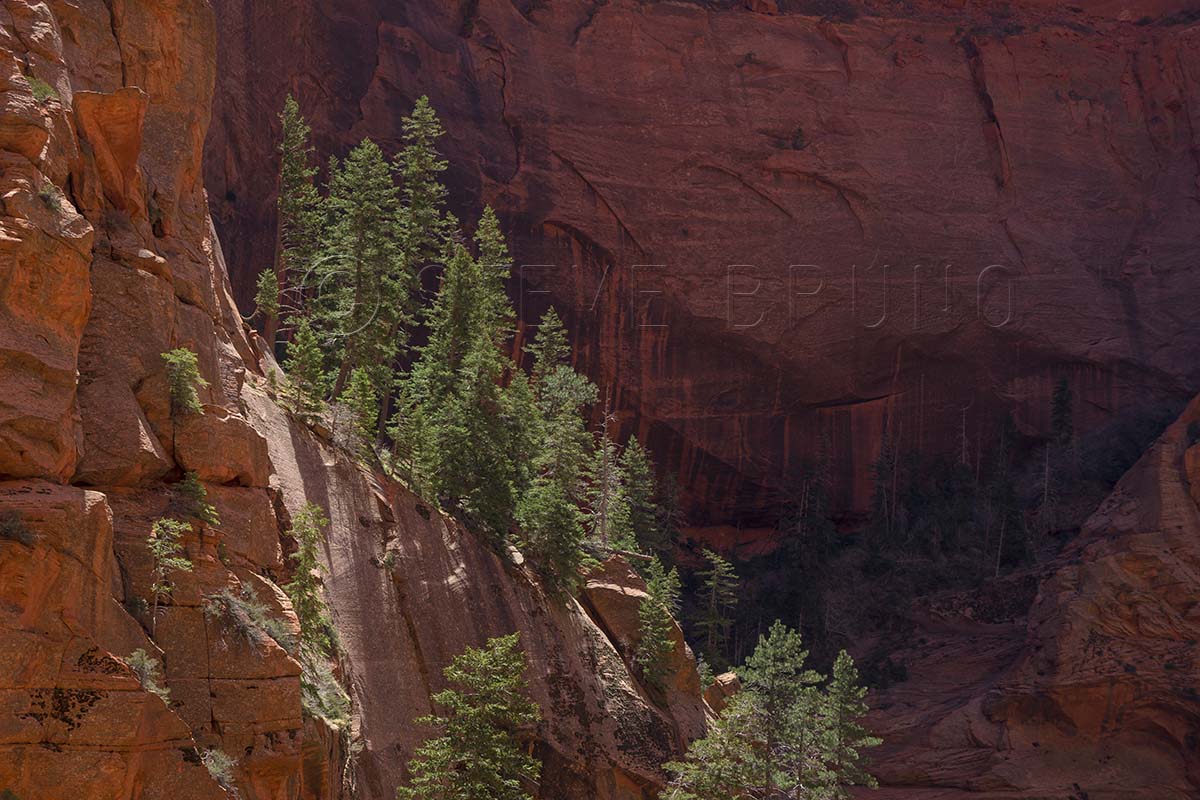
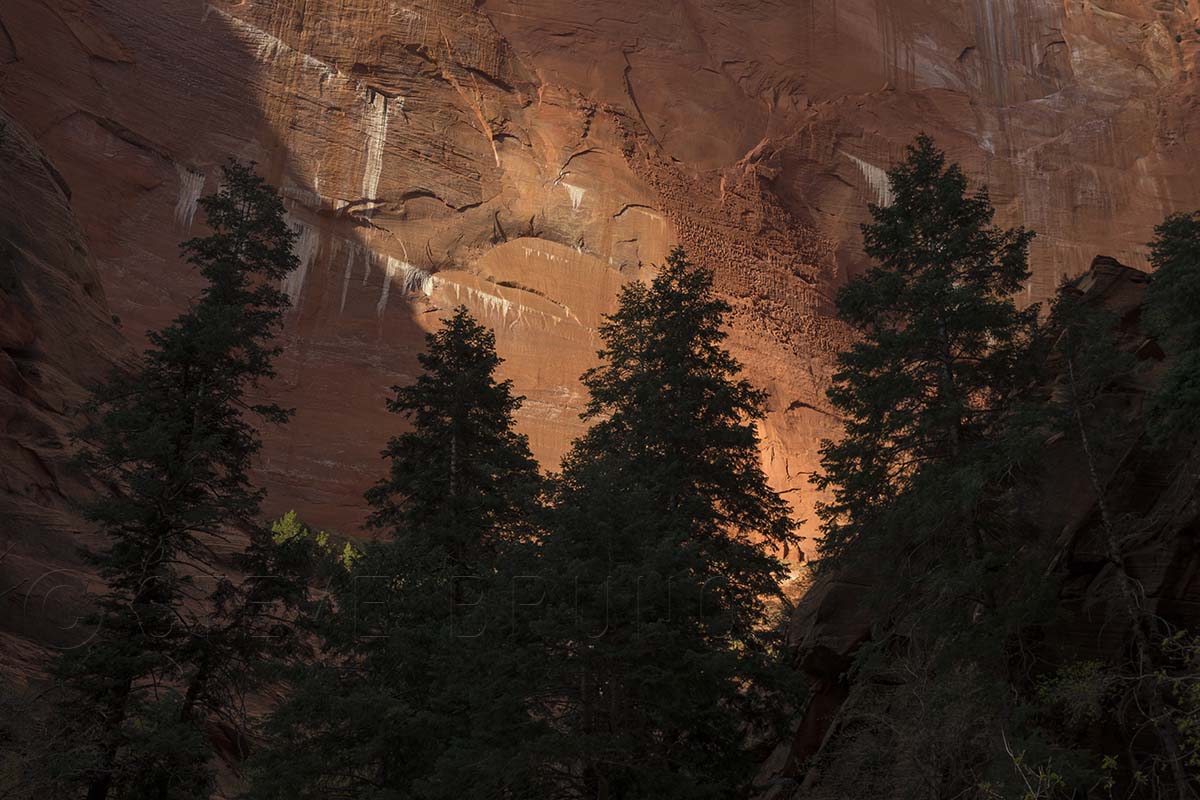
Top:  small side canyon in Zion National Park, Utah

Second:  Antelope Canyon, near Page, Arizona

Third:  Cathedral Gorge State Park, Nevada

Fourth:  unnamed canyon in Navajo Indian Reservation, Arizona

Slot Canyon-Steve Bruno

Cathedral Gorge-Steve Bruno

Deep Canyon-Steve Bruno

In response to The Daily Post’s weekly photo challenge: “Enveloped.”

Historical Photographs, part 1

First off, I would like to wish all the mothers out there a Happy Mother’s Day.

The photograph above was taken when I took my mother along with her mother on a several day excursion around northern Arizona and southern Utah.  My mom has joined me a couple times since, but it was the only time for my grandmother.  I kept the trip very ‘touristy’, and we all had an enjoyable time.  Thank you, mom – for everything you’ve done for me and wanting to see my world.

Now, about the title.  This photo was taken in July, 1983 when the waters of Lake Powell were at historically high levels.  Winter snows had been abundant, and the temperatures stayed cool well into spring.  Then, over a period of about a week, summer decided to move in.  Although the authorities knew how much snowpack was in the upper Colorado River Basin, they hadn’t anticipated it melting this quickly.  As they released water from the spillways of Glen Canyon Dam, they were losing ground to the inflow at the upper end of Lake Powell.

The spillways had never been worked extensively until 1983.  They were run before for testing purposes, but never at full capacity.  After a couple days, people noticed that the dam was vibrating.  Engineers below the dam had observed chunks of concrete with rebar being ejected with water from the spillways.  Water flows had to be cut back so as to not damage the spillways any further, and plywood sheets were attached to the top of the dam to potentially hold back the rising waters of Lake Powell.  The Bureau of Reclamation contends that the dam was never in danger during this period.  I’m not an expert, but I’m pretty sure a 710 foot high dam holding back trillions of gallons of water, which was now vibrating, was headed for disaster had they maintained the flows.  After the floodwaters receded, repairs were performed on the spillways which ended up going full throttle again the following year.

Needless to say, there is still a Lake Powell.  If the Sierra Club had their way, we wouldn’t.  The organization fought the initial construction of the dam, and has even made recent campaigns for its removal.  It was around 2000-2001 when I remember seeing billboards around Phoenix where the Sierra Club was asking to ‘restore’ Glen Canyon.  This falls under the category of ‘be careful what you wish for’.  In 2005, several years of drought had brought the lake levels down 150 feet.  Parts of the canyon that hadn’t been seen in over 30 years were now accessible.  Forecasts are still predicting long-term drought, and this is something we may see again.  For now, if you want to see what it was like pre-Glen Canyon Dam, check out the book “The Place No One Knew” with the photographs of Eliot Porter.

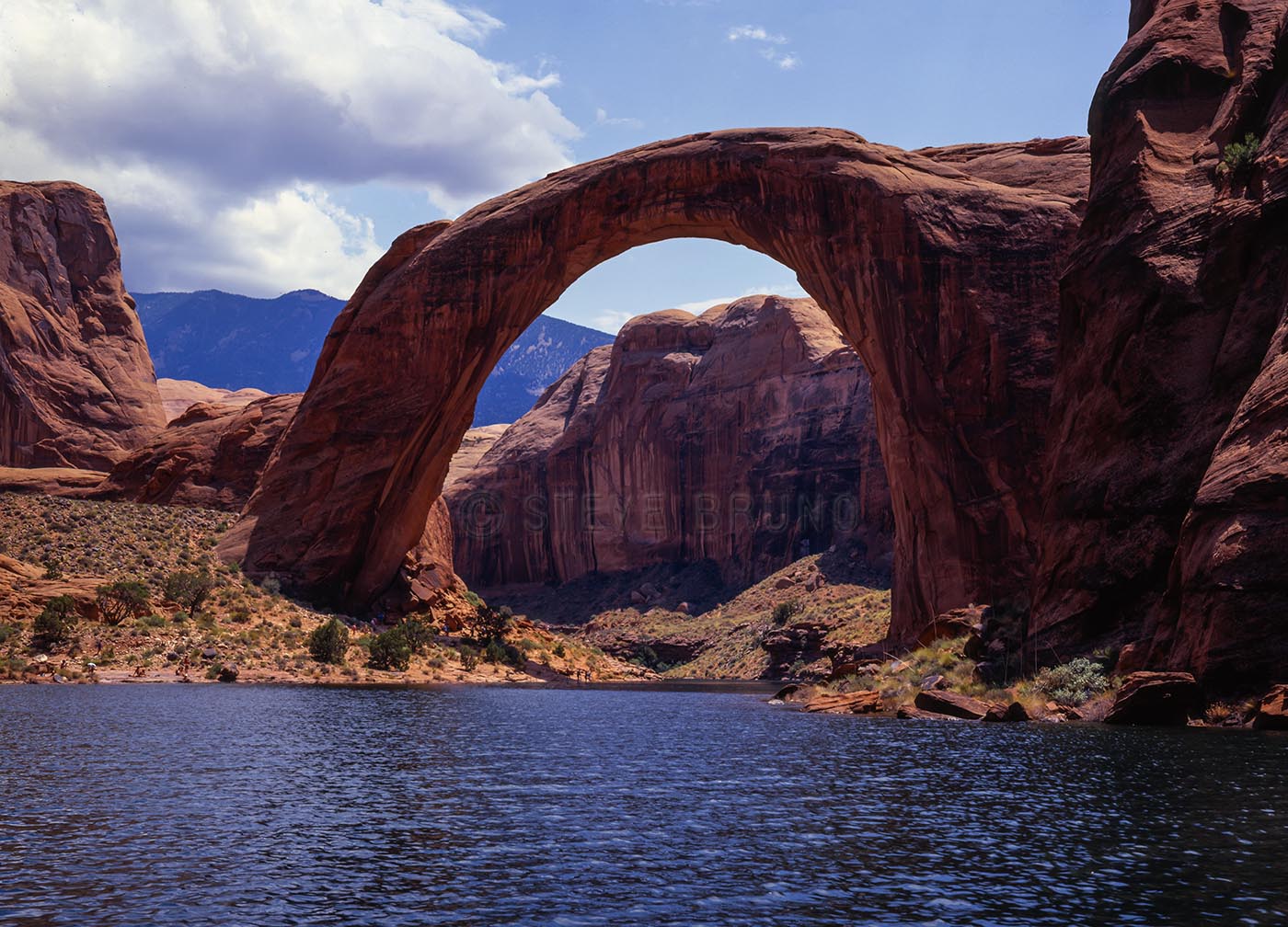
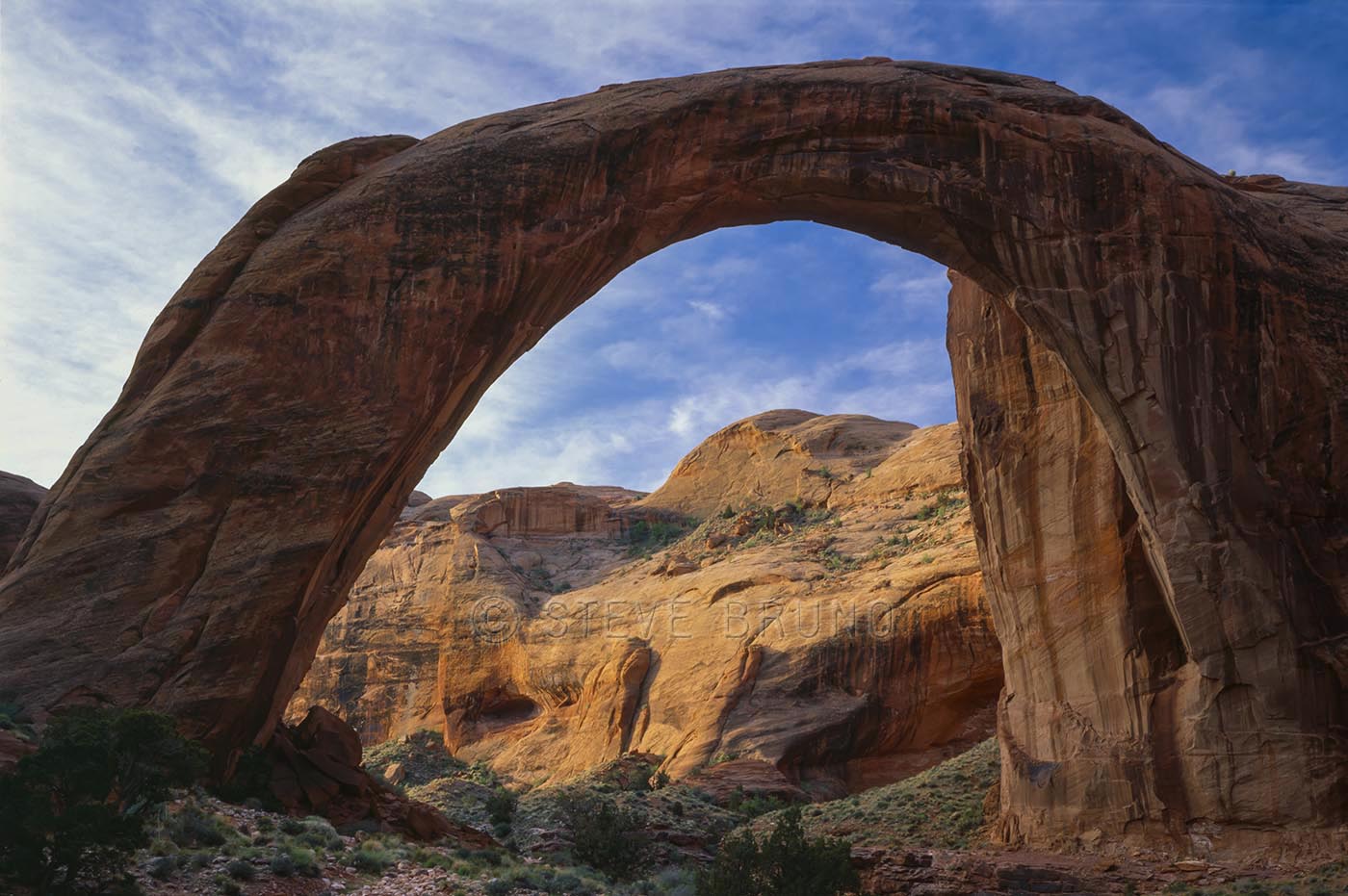
A little closer to present day we have the photograph below, taken in 1996.  I had no intentions of duplicating the above photo.  In hindsight, I wish I had taken one from near the same spot.  If I had turned the camera the other way, you wouldn’t see much water.  A small trickle and some pools in the creek bottom, and that was it.  This time I hiked in, on what is one of my favorite hikes in the southwest. That’s Rainbow Bridge spanning the horizon.

rainbow bridge 1996

Earth Day 2015

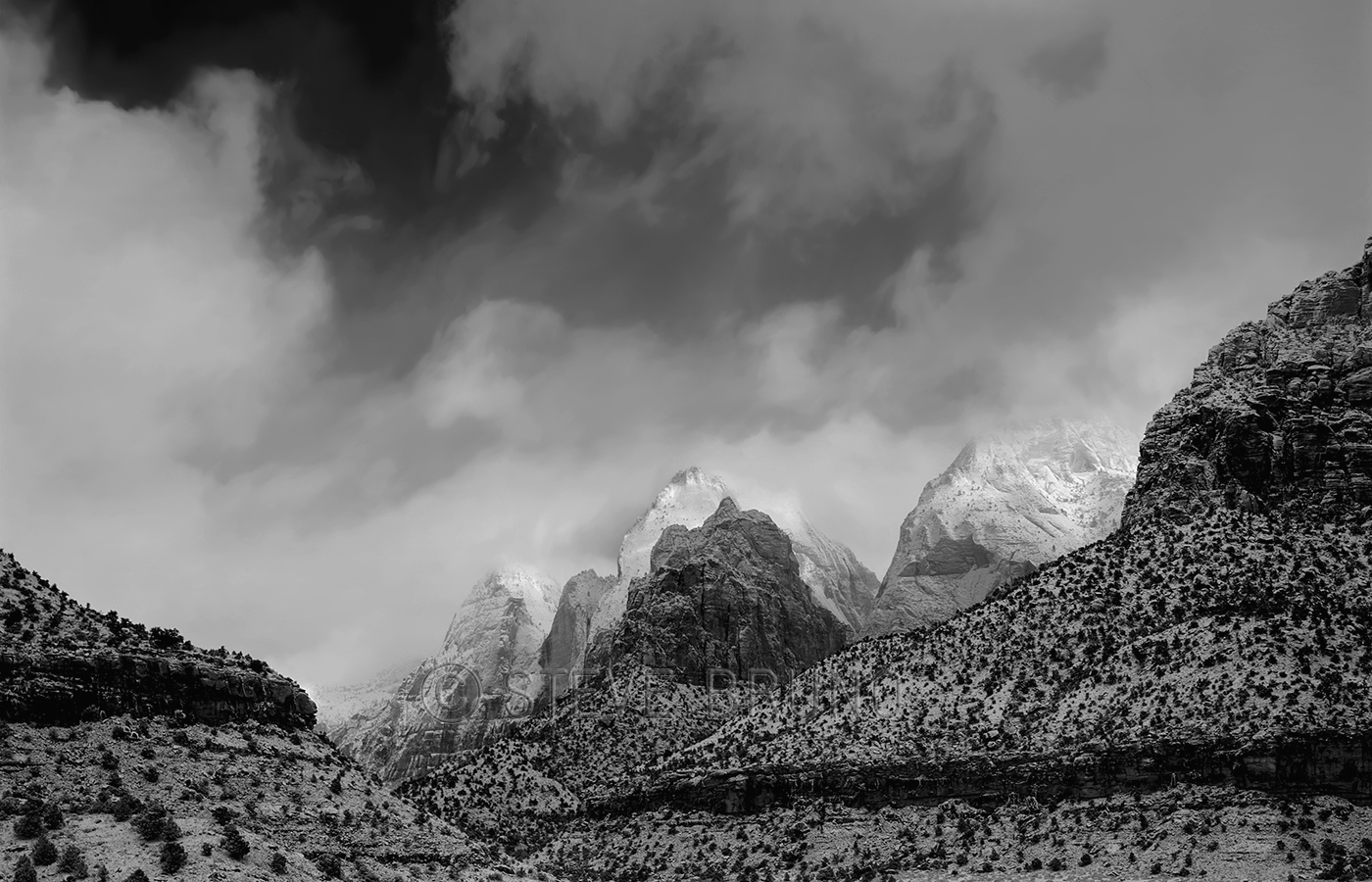
April 22nd is Earth Day, an idea originally started in 1970. It also marks the day that Ansel Adams passed away in 1984.  Adams was one of the greatest advocates for the environment and our role as stewards, so this post is a tribute to him.  The town of Kanab, Utah uses the slogan “Greatest Earth On Show”, which is hard to refute given its proximity to Zion, Bryce, and many other unique locations.  In keeping with Adams’ style my black and white photo comes from Zion National Park, Utah.

On the 45th anniversary of this day, I can’t help but think that we haven’t made very good progress as stewards of the earth.  Our rapidly growing population can only place more stress on resources that are already being pushed to their limits.  News stories abound about overfishing, forests being cleared or rapidly dying, greenhouse gas emissions, water shortages, etc.  I’m not sure if there is a more blatant example of our mismanagement of natural resources than China’s current water situation.  In their rush to industrialization, they have depleted thousands of rivers, and are now in an effort to channel water from the southern part of the country northward to the civilization centers.  Having lived in a desert for the better part of my life, the message has always been out there for water conservation.  I hope this crisis instills the same message to the Chinese.

It has taken many years for the problems facing us and our planet to build, and they won’t be going away overnight.  Perhaps a reminder like Earth Day will make us think about our daily decisions and any long-term ramifications.

Happy Earth Day!

Sunday Stills: 100+

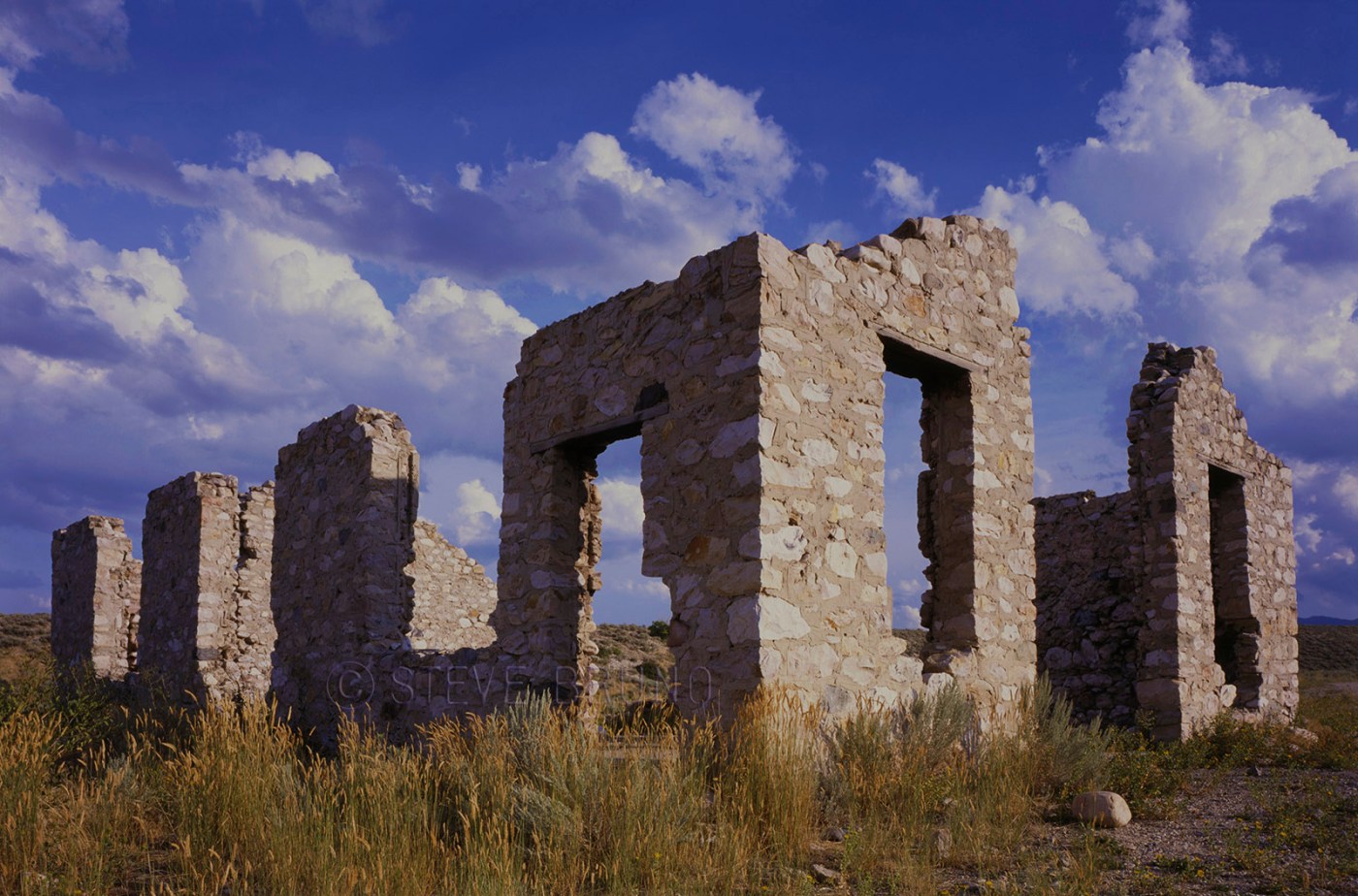
Here in Las Vegas, there is nothing 100 years old. I think it’s an unwritten law that a building must be imploded when it reaches 40 years, with something new and shiny replacing it. I had this shot in my files from the desert west of Salt Lake City, Utah. There were no historical markers or anything to indicate its age or any significance. I’m guessing its time to be from early 1900’s. Maybe a reader with more knowledge on building methods of the past might weigh in with some better info. In response to Sunday Stills Photo Challenge

Blog at WordPress.com.

Up ↑