Window Seat
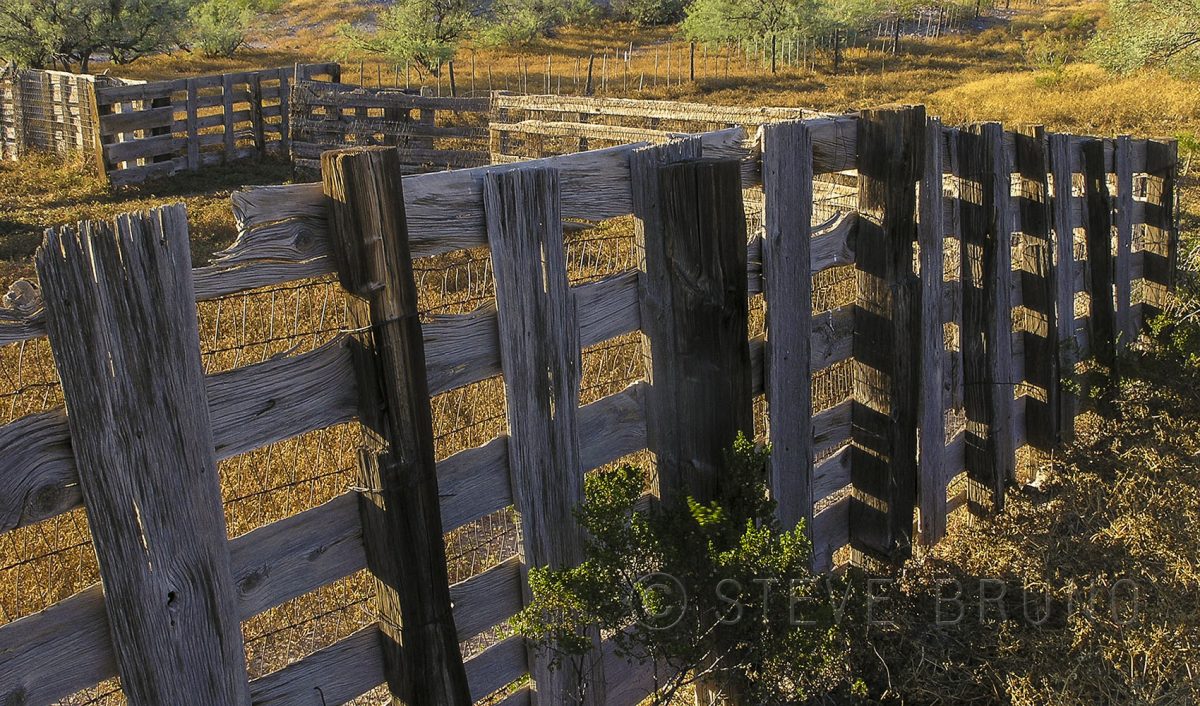
Fence that once corralled the herd on an abandoned ranch in the desert of southeastern Arizona.
In response to The Daily Post’s weekly photo challenge: “Grid.”
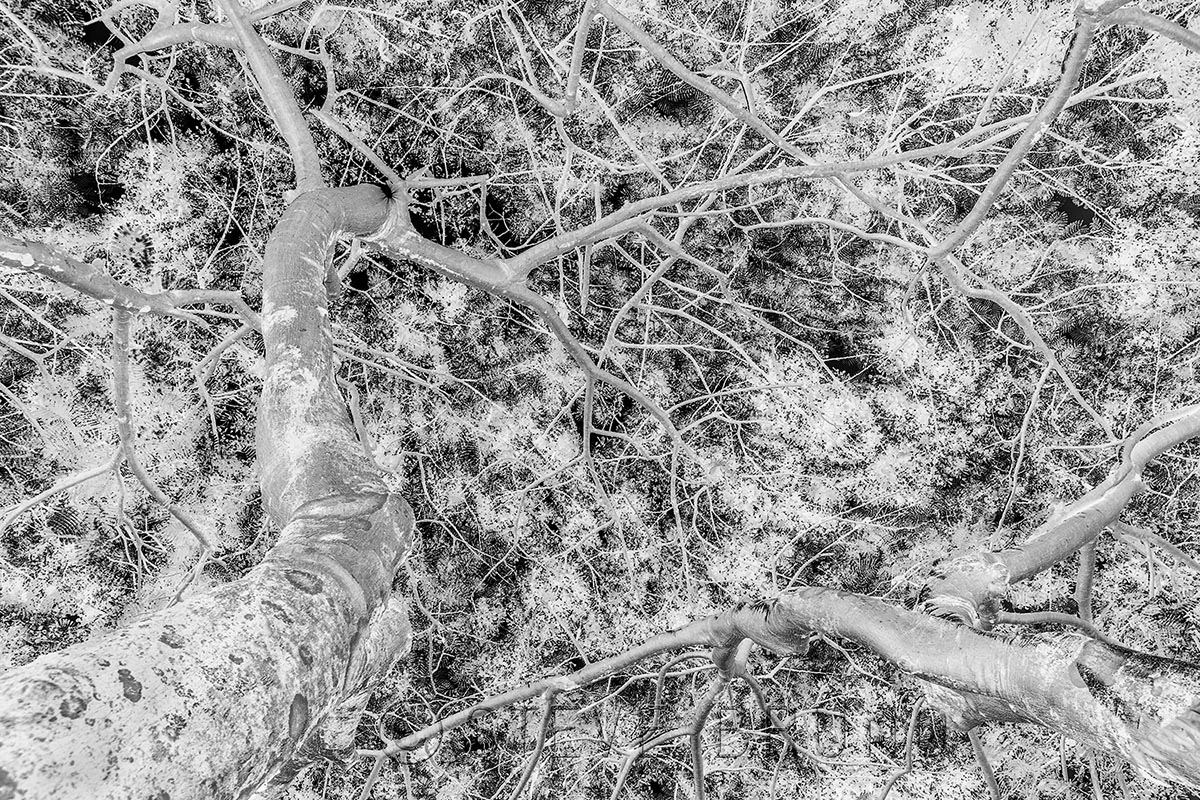
I thought I’d try something a little different for Cee’s Black & White Challenge.
This is one of my favorite shots from Hawaii, but it didn’t come from some spectacular wilderness setting. In the property next to a gas station, there was an interesting group of trees. This was taken looking up from underneath two of them, but closer to the one on the left. I love the patterns of the branches reaching skyward, and in color the contrast of the branches against the lush green with red flowers makes this work. When I converted it to grayscale, it just fell flat. And then I thought, what’ll happen if I click on Inverse? The network of branches came back to life!
For this week’s challenge, I’m going back into my Calgary files and presenting three views of the Calgary Tower. The building is a rather tall and an impressive sight, but the further back you get, it just seems to get dwarfed by the rest of the city.
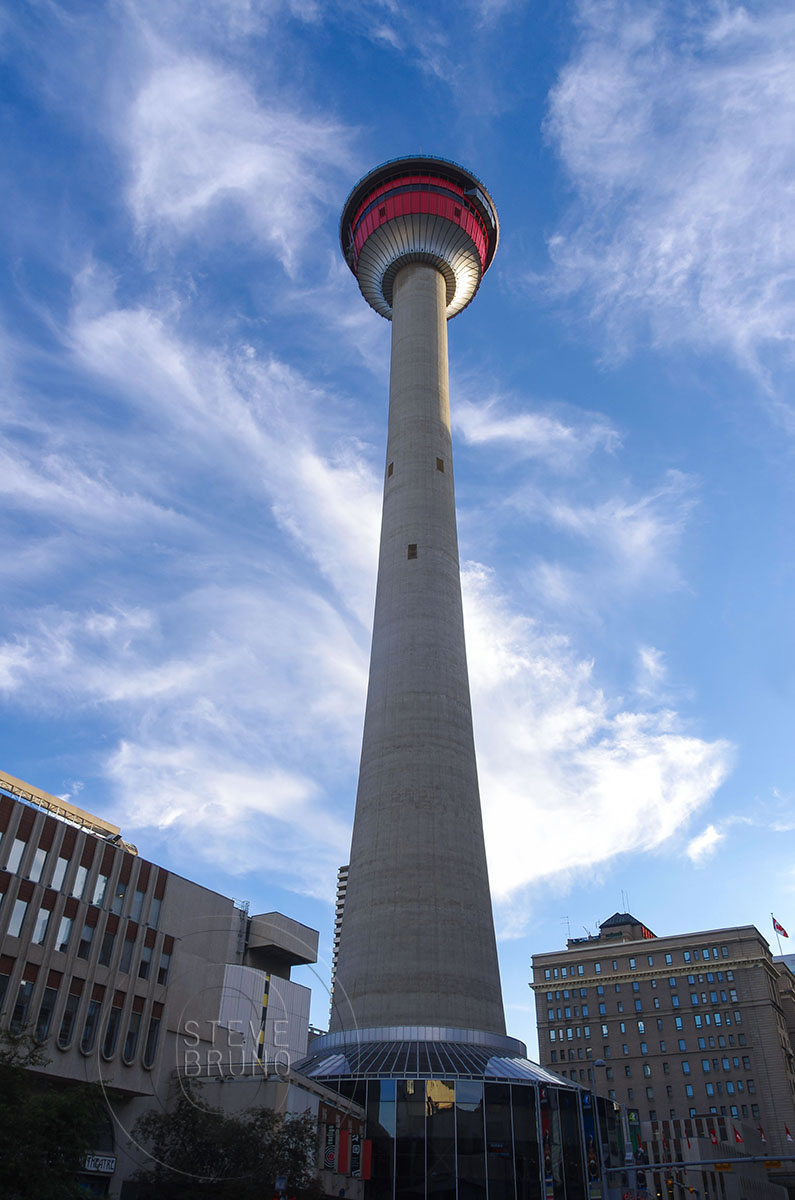
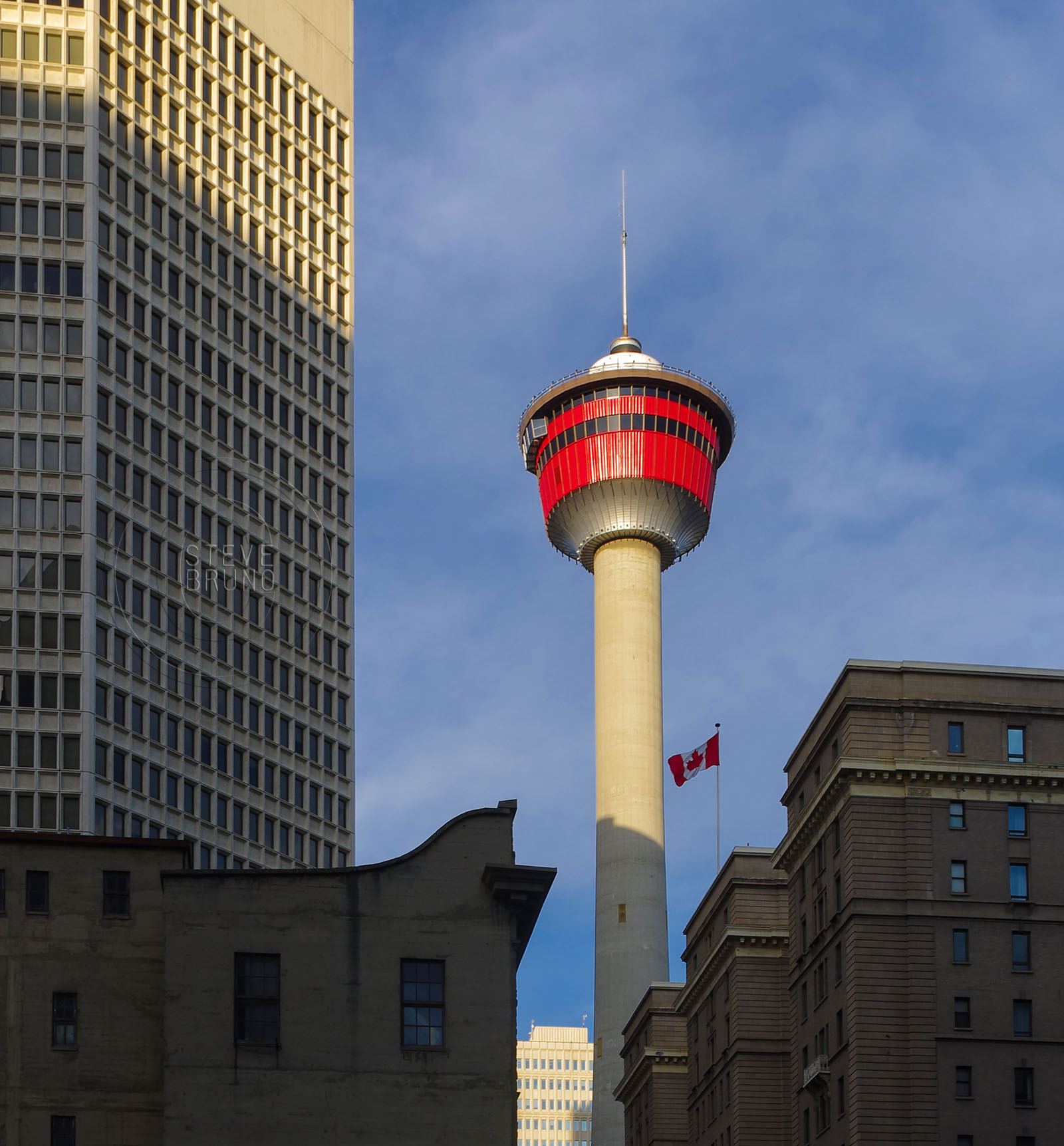
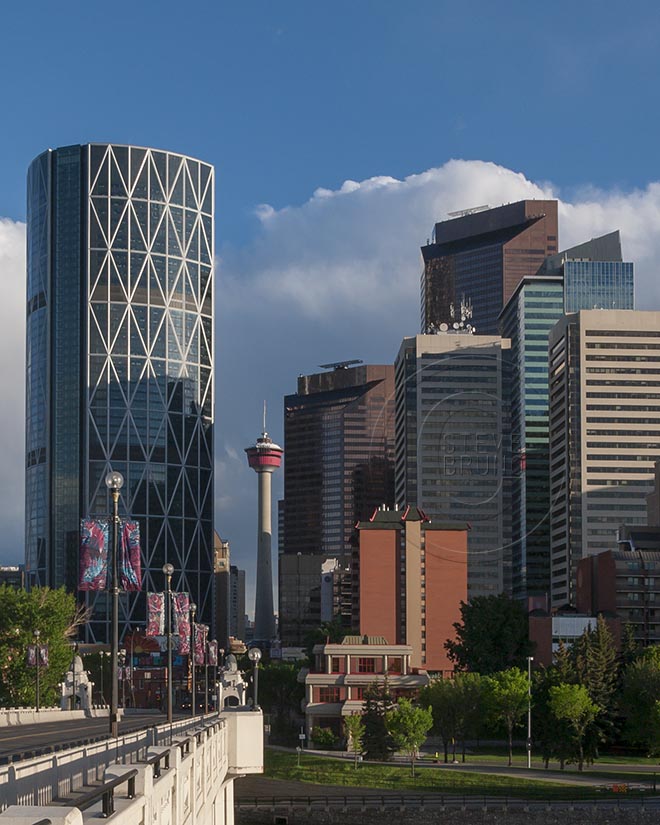
In response to The Daily Post’s weekly photo challenge: “From Every Angle.”
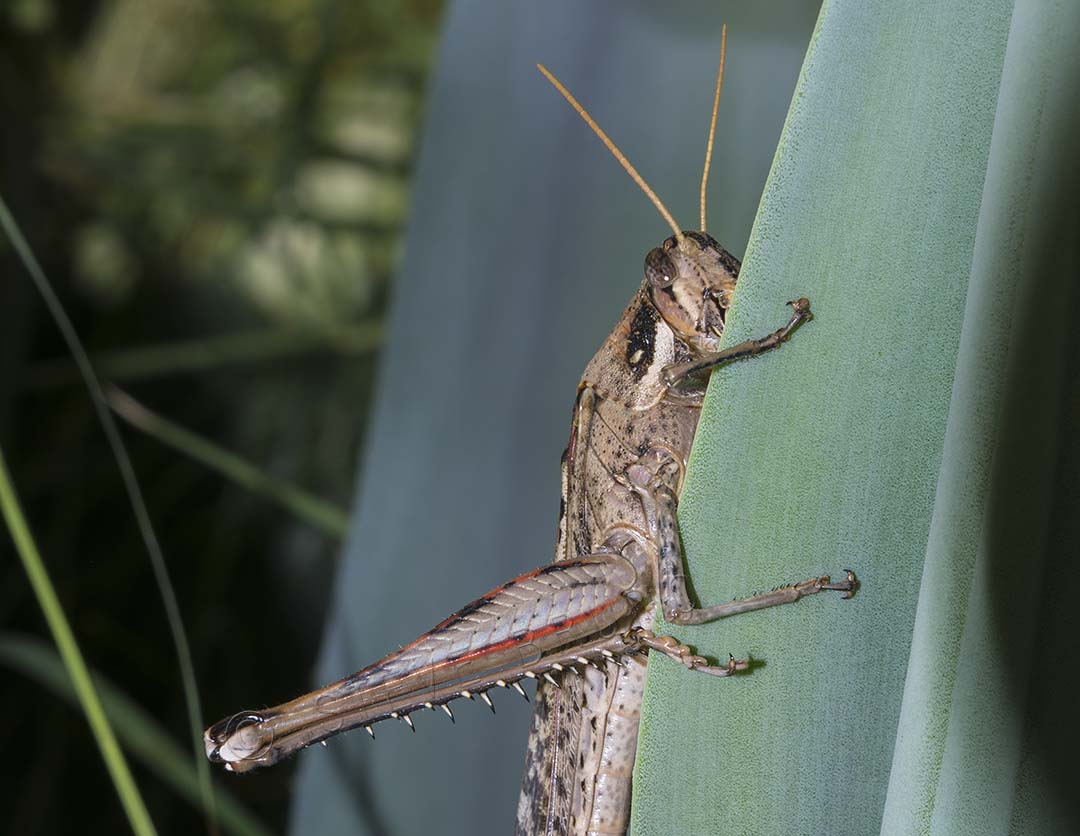
Grasshopper clinging to an agave plant, my entry for Ed’s Challenge.
I posted a bunch of creepy critters in the Close-Up challenge. If you missed those, you can find them here. That made me search harder for some different creepy images.
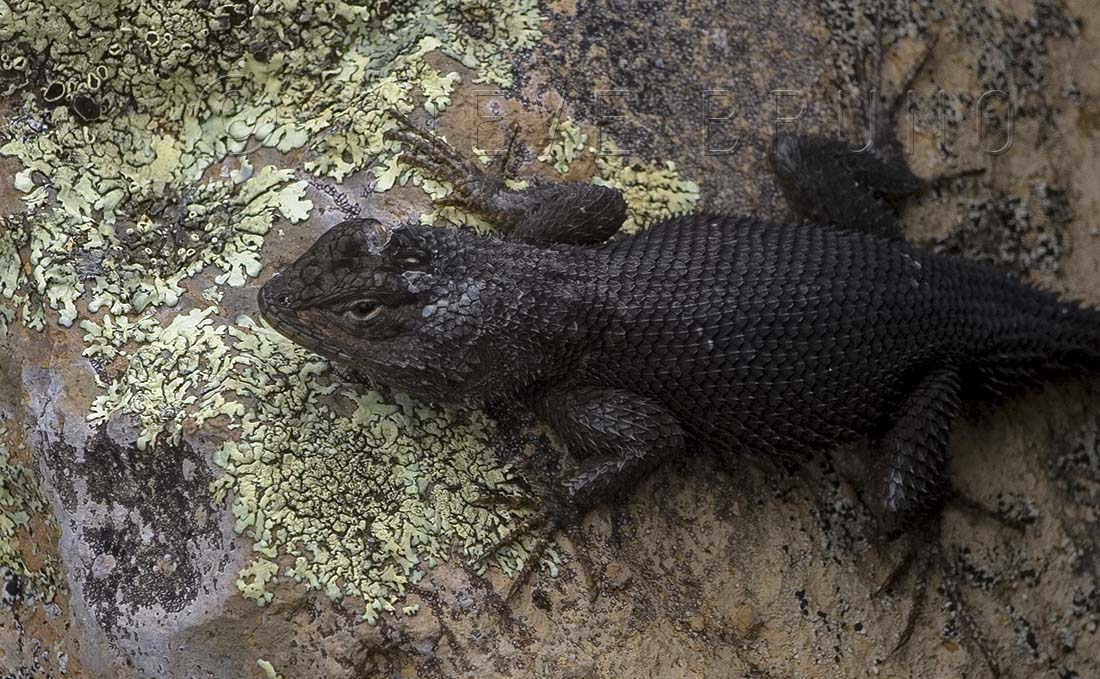
Initially. I have this lizard which I came across in the Chiricahua Mountains of southeastern Arizona. Probably not that creepy until you look at the gash on the top of its head. He was a fairly sizeable creature, but it makes me wonder what thinks of him as dinner.
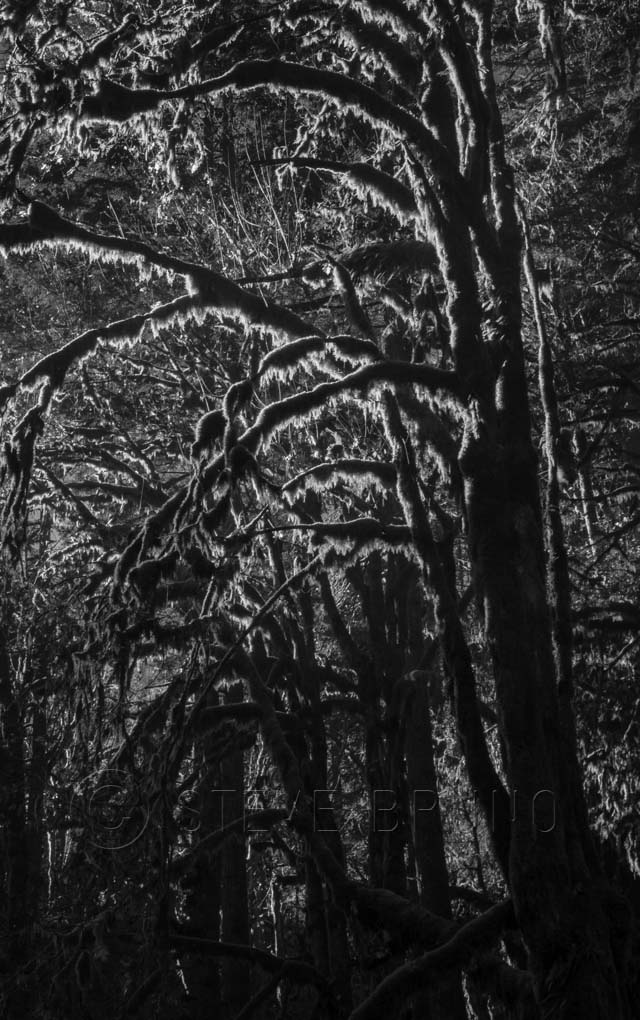
Dark forests can be creepy, and one of the darkest I ever came across was in Hawaii, of all places. I didn’t take any photos there, but this one, with the moss hanging from the branches, is from last year in Oregon.
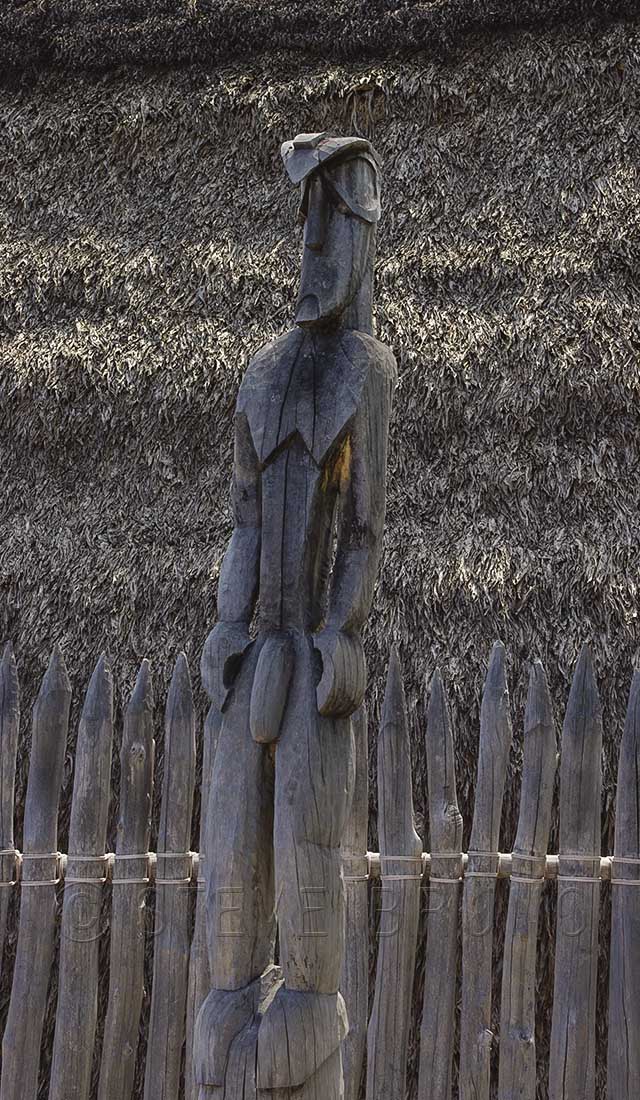
At Pu’uhonua o Honaunau National Historical Park in Hawaii, there are many carvings. Most of these are genderless with ugly faces with large teeth, which would imply they were there to scare off intruders. The creator of this one decided it was scarier to have a relatively featureless face and a large penis. That’s creepy!
Other symbols, created by a different civilization are equally bizarre. In the Grand Canyon, this panel of pictographs has some creepy characters on it. In addition to the large symbols, there are 5 faces which are nothing more than 3 dots and a line on top (4 lines for number 1). Two eyes and a mouth is my guess, but it’s more like a nose on 4 and 5. There’s also the ghostly white symbol on the far left. I’m not sure how the two deer ended up on this one. This panel is, fortunately, out of reach of anybody today, so this is how it was created over 700 years ago.

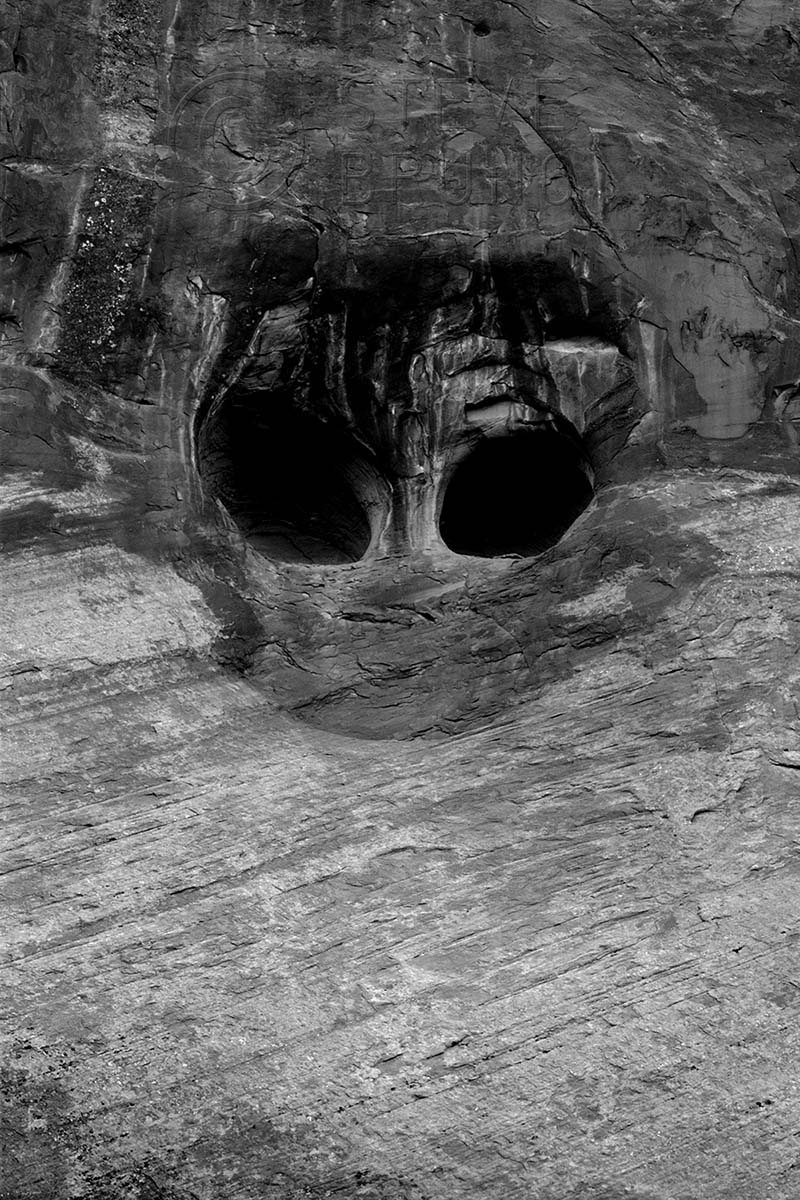
By far, the creepiest site I have ever encountered was this pair of grottos in the canyons near Moab, Utah. The dark features around the two grottos suggest a rather alien-like face, and I couldn’t help but have the feeling I was being watched.
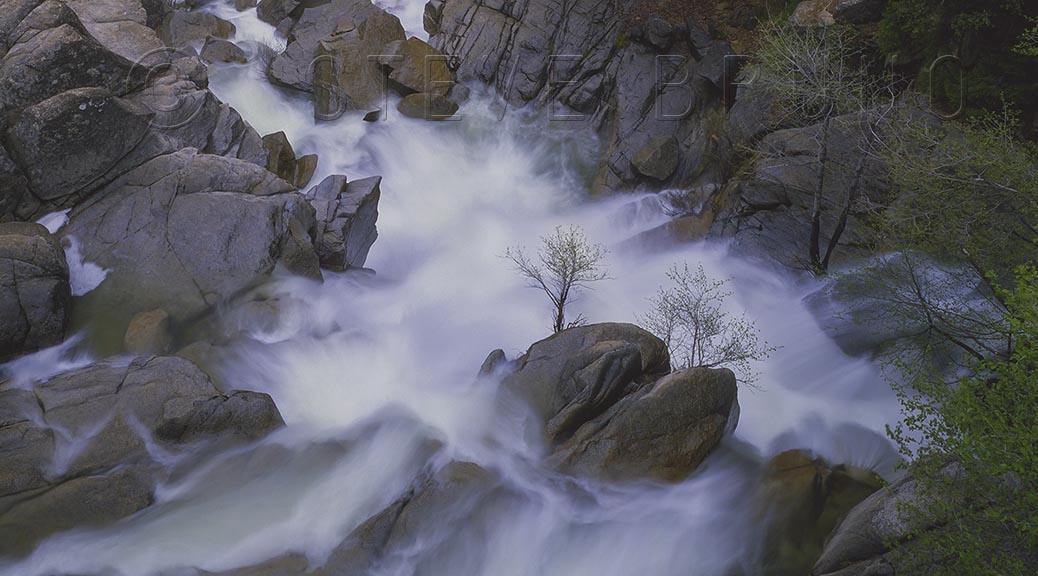
For this week’s challenge, I thought it would be easy to come across many photos fitting the category. Emphasizing the foreground in landscape photography is one of the standard rules. Moving in close doesn’t necessarily equate to showing what’s beneath your feet, however.
The featured image, taken in Yosemite National Park, is a location where everything was below my feet. I had a great vantage point where three creeks came together, providing a different perspective on tumbling water.
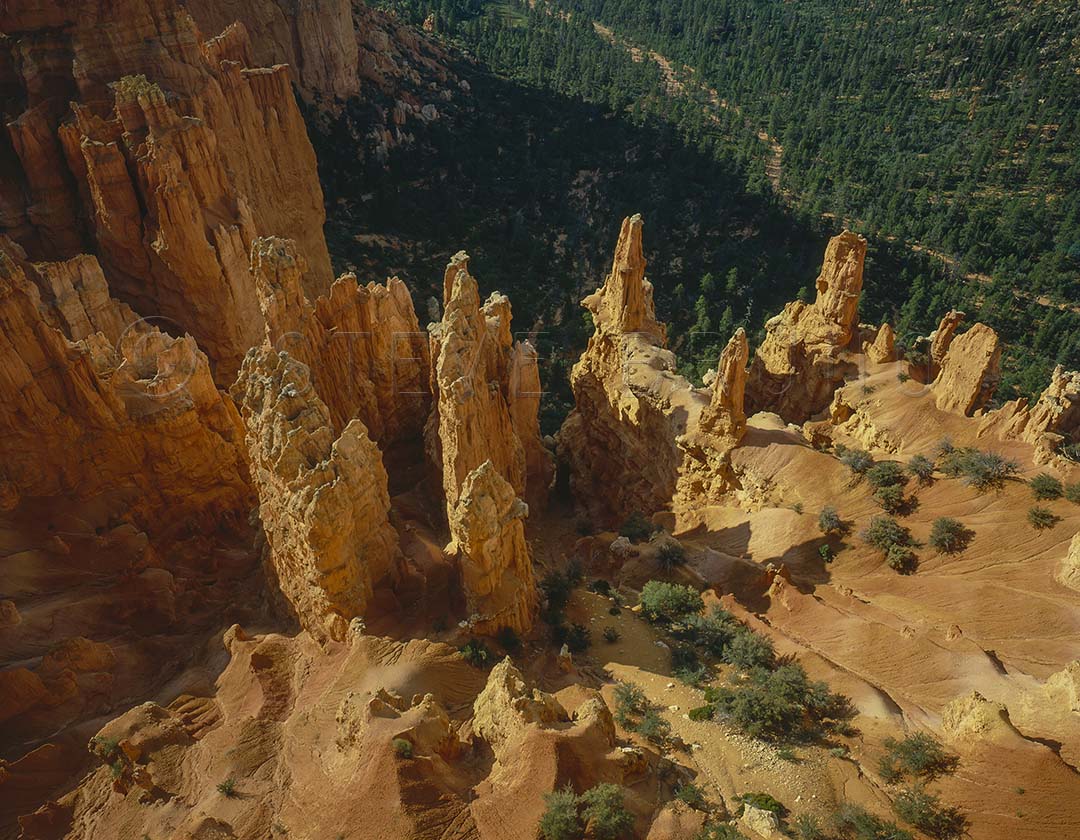
At Bryce Canyon National Park, I usually prefer to hike down amongst the formations, but this has been a favorite from the rims. I have often been asked where I was standing to get this one. Since then, I think erosion has made this spot off limits.
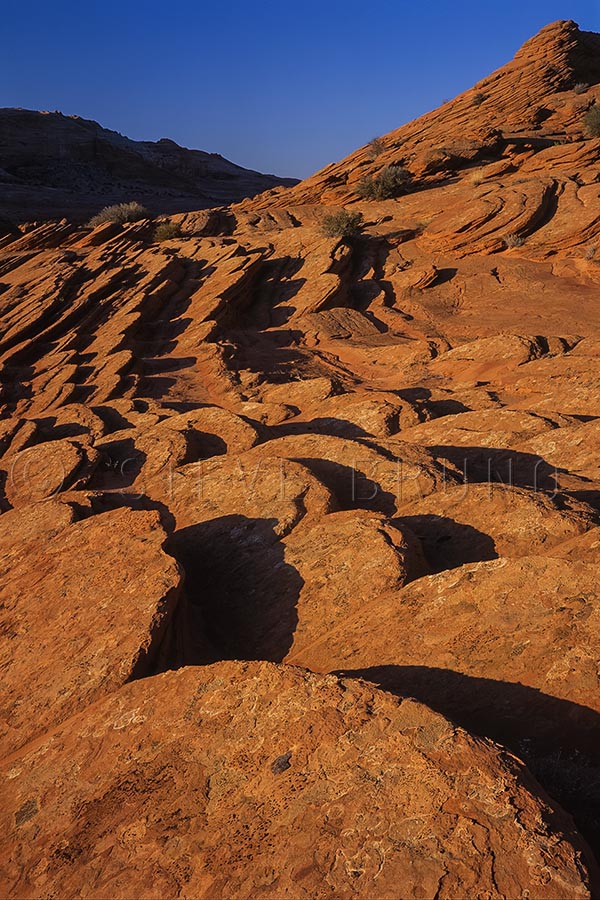
Not far from Bryce, in the Vermillion Cliffs Wilderness, I encountered these sandstone discs embedded in the ground, on edge. This repetitive pattern was under my feet for some distance.
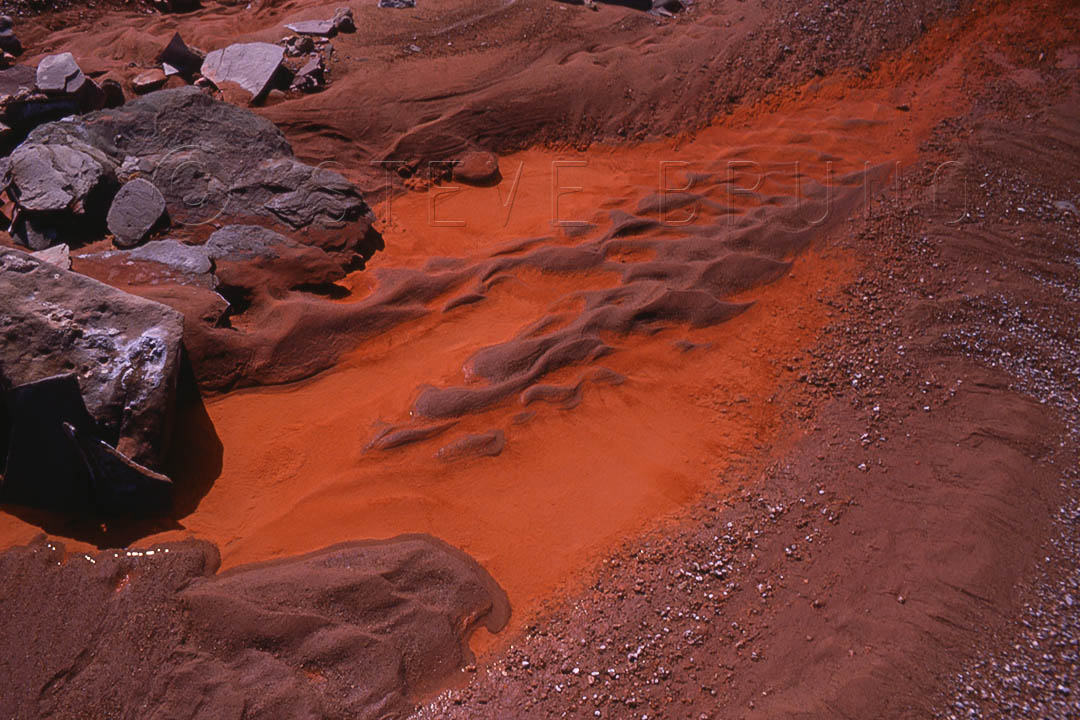
The Painted Desert was a well chosen name, which becomes more obvious when you see it after a rain. These patterns were in a wash where the water was still standing in limited pockets. A polarizer was used to remove the glare and allowed the color come through.
Getting down close to the ground was the best way to get photos of these little goslings, seen on one of my trips to Calgary, Alberta, Canada.

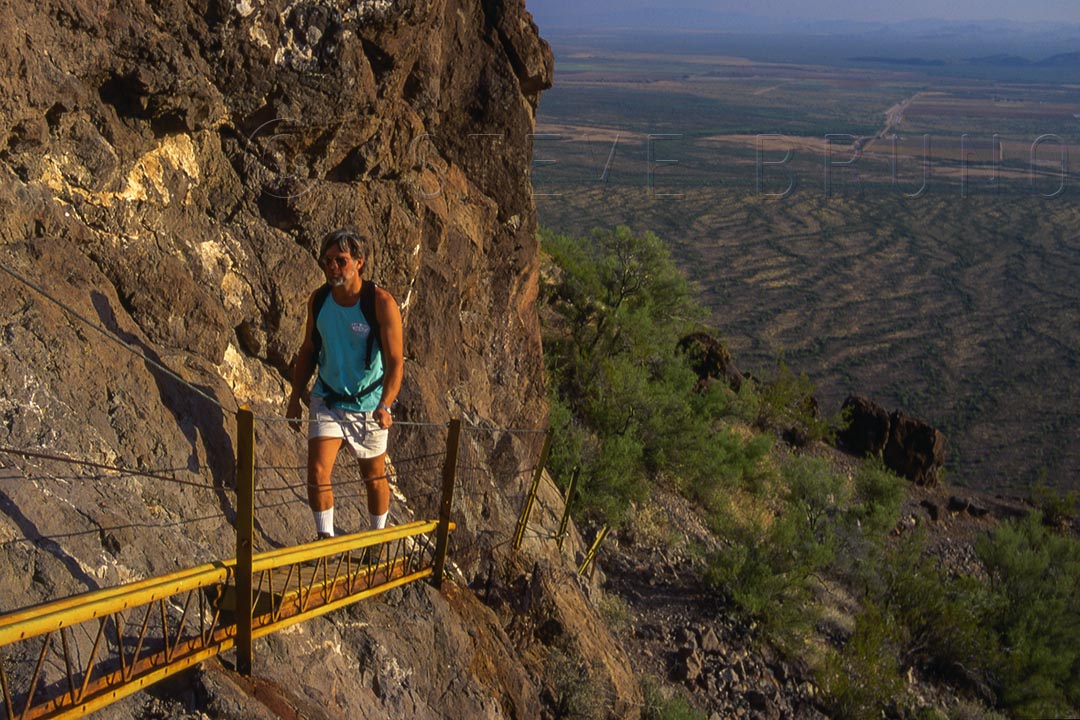
Most people are in disbelief when you tell them there is a great hiking trail right next to Interstate 10, which is arguably the most boring drive in the US. Picacho Peak rises about 1500 feet above the surrounding desert, and on the back side there’s a stretch with very little earth beneath your feet. Posts, cables and planks assist hikers in this steep section. Thrillseekers expecting something along the lines of Spain’s El Caminito del Rey will be disappointed.
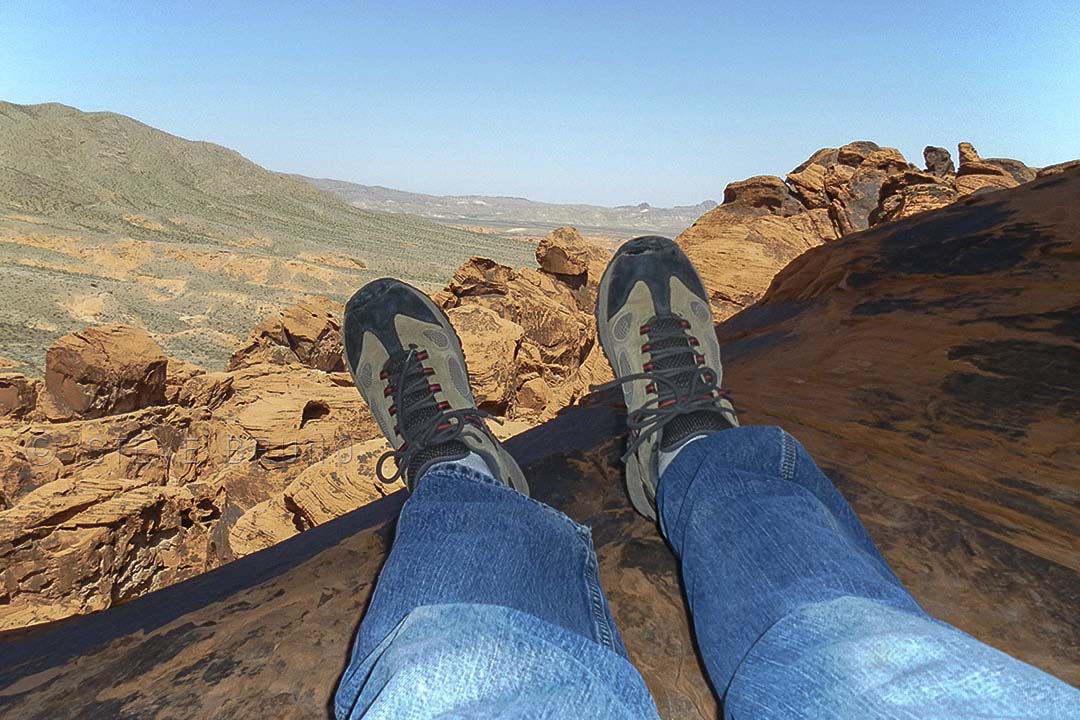
I know some people are big on taking foot-selfie’s wherever they go, but this is the only one I have. From under one of Valley of Fire State Park’s largest arches, where I brought my friend and accomplished hiker, Dave.
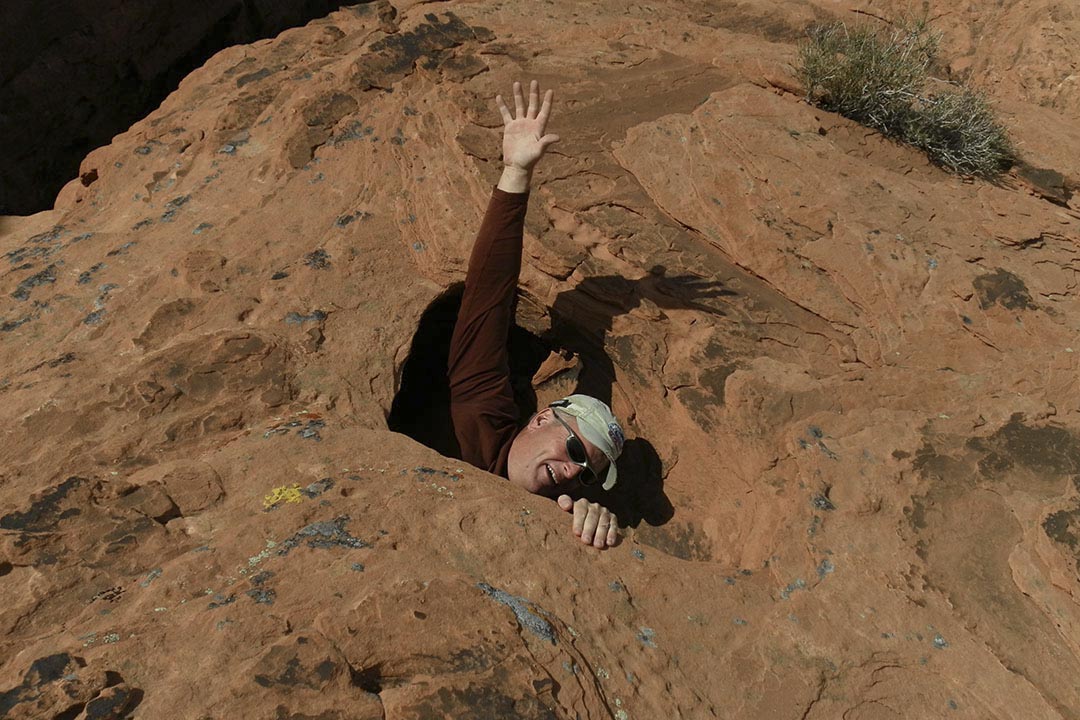
After the arch, Dave and I explored the large sandstone mass in the middle of the park, which I refer to as the park’s summit. Along the way, we came across some interesting potholes and pools. This one went down a short distance, then ejected from the small side canyon in the shaded area, upper left. Nothing under his feet there, and as we walked this area, we could hear some areas that had a hollow sound underneath.
Another great place to check out what’s beneath your feet is Mount Charleston, just west of Las Vegas. The red flowers are called Indian Paintbrush, and this is a squirrel’s perspective on them.

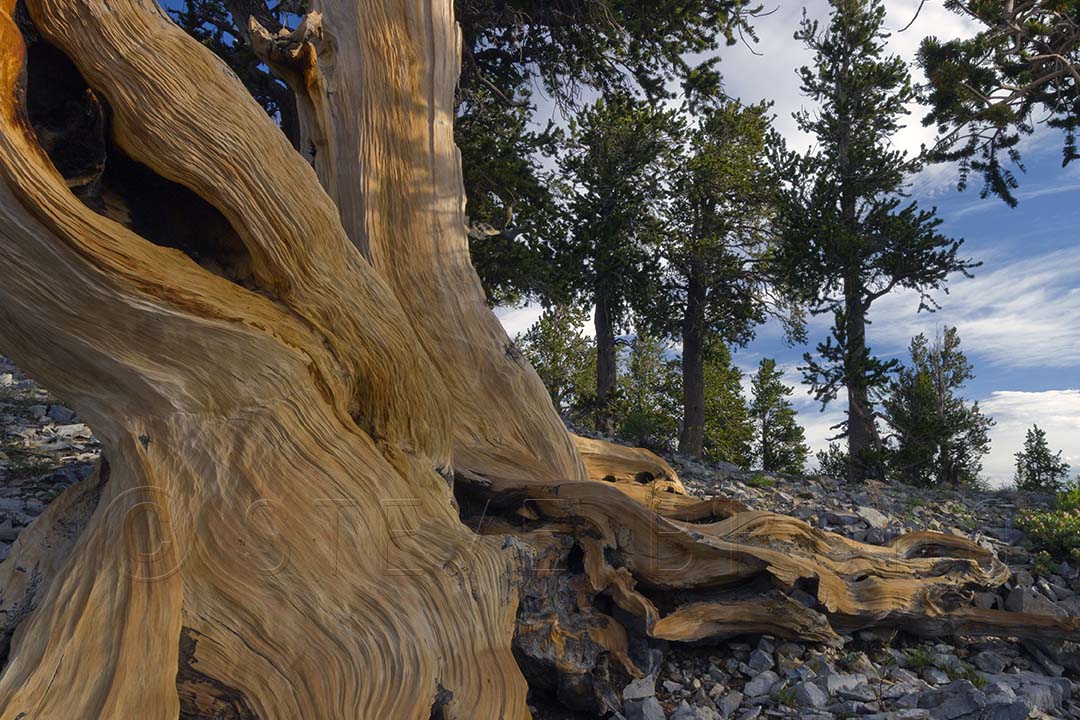
Also on the mountain you will come across both of Nevada’s state trees. This one, the bristlecone pine, is characterized by distinct coloring and patterns, and can live to be 5000 years old.
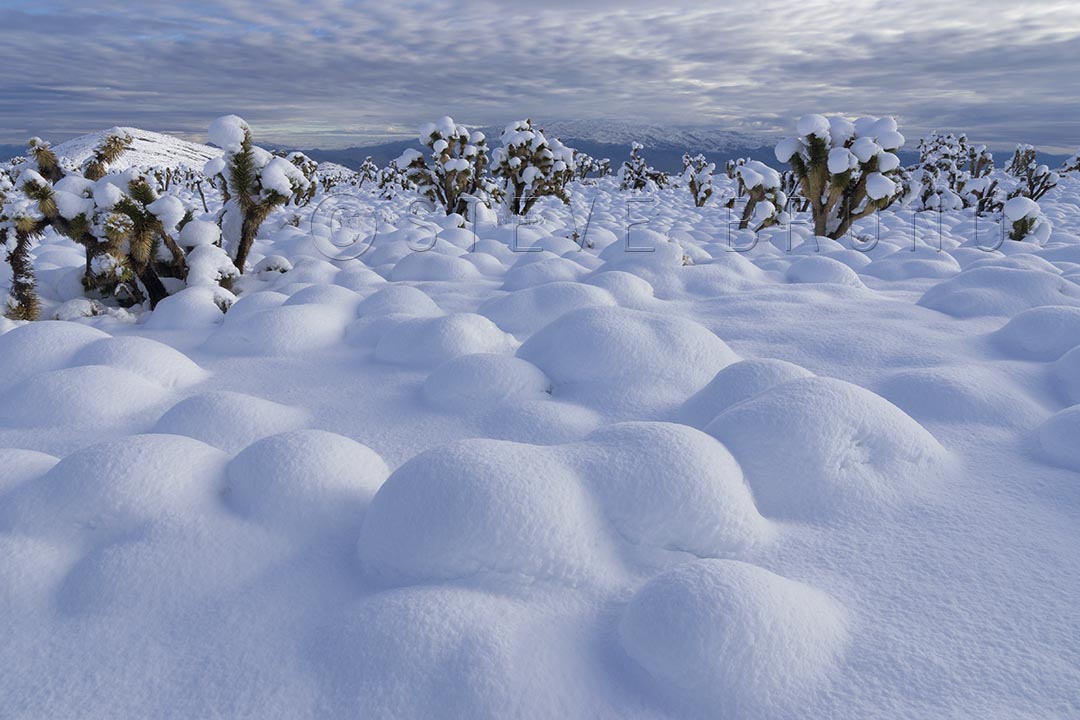
At the base of Mount Charleston, there are thousands of joshua trees. I wasn’t quite sure what was lurking under all that snow, however. Rocks? Bushes? Frozen bunnies?
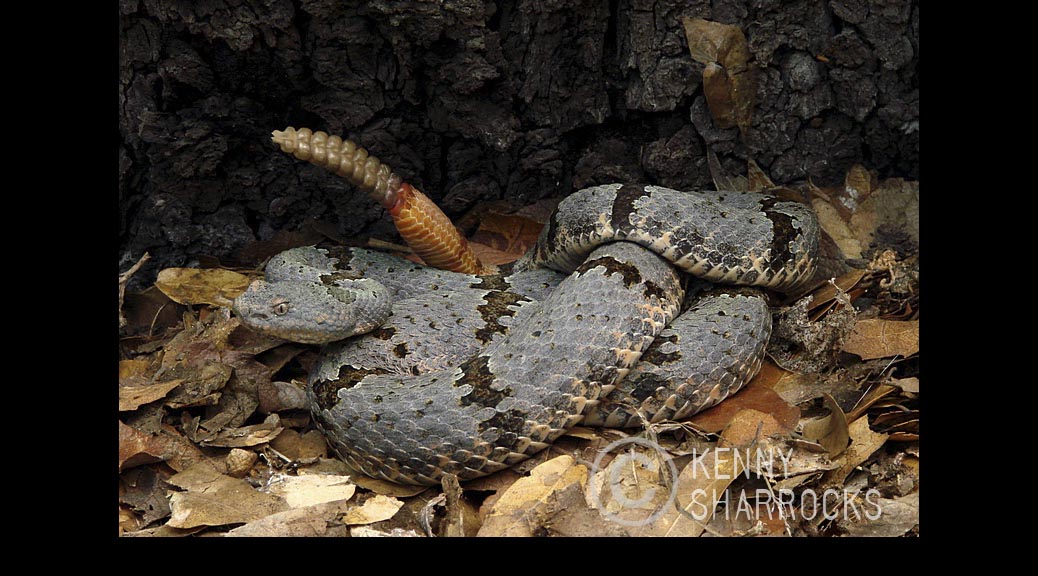
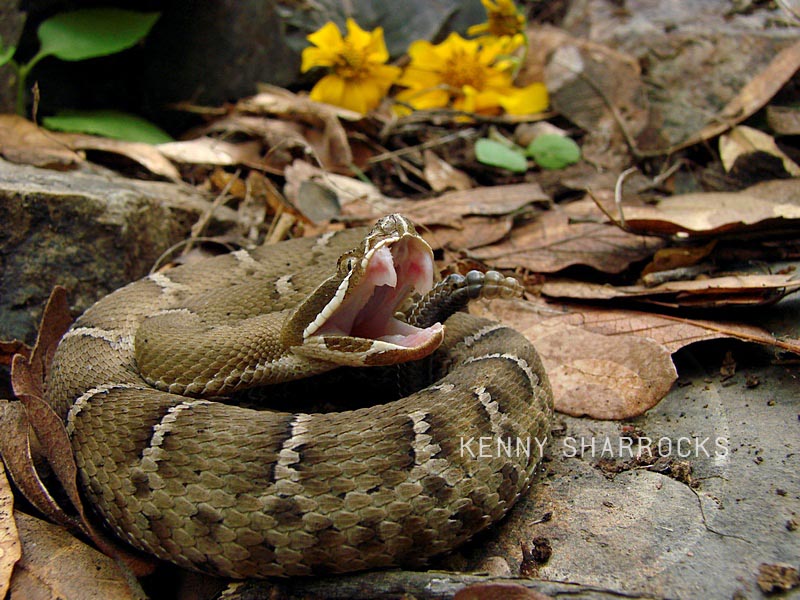
For this week’s challenge I’m including photos taken by a friend of mine, because he captures amazing images of something I won’t. At least not deliberately. My friend, Kenny Sharrocks, along with a few like-minded pals, goes out several times a year wandering through southern Arizona looking for rattlesnakes. And while his pals bring out the latest high megapixel Canons and Nikons, Kenny uses his seven year old Sony H5 series all-in-one with its high powered zoom lens. He tells me he gets better depth-of-field than his cohorts, which is one of the things I admire about his shots. He also captures excellent detail of his subjects, which are almost always found in shaded settings. Kenny doesn’t use a flash, and yet he still gets a nice studio softbox feel to the shots with no post-processing.
Another subject he is fond of are the frogs he has come across on his trips to the tropics. For these, he does move in close, using a wide-angle and a ring flash. While my friend prefers small critters for subjects, he is very capable of handling almost any subject matter with his camera.

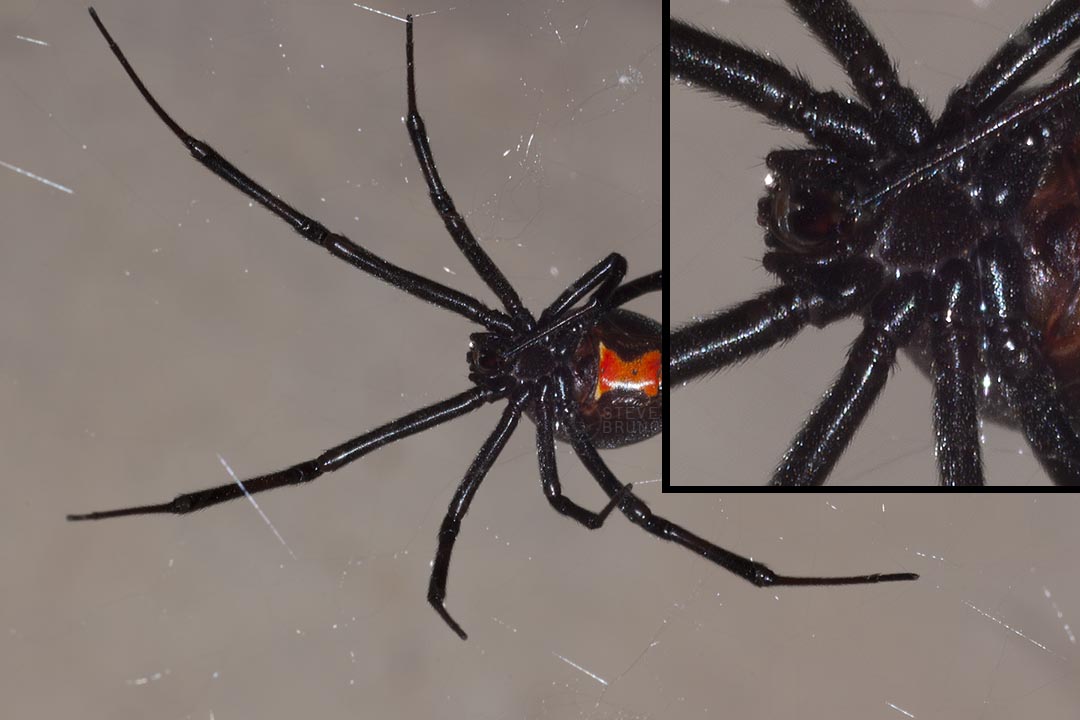
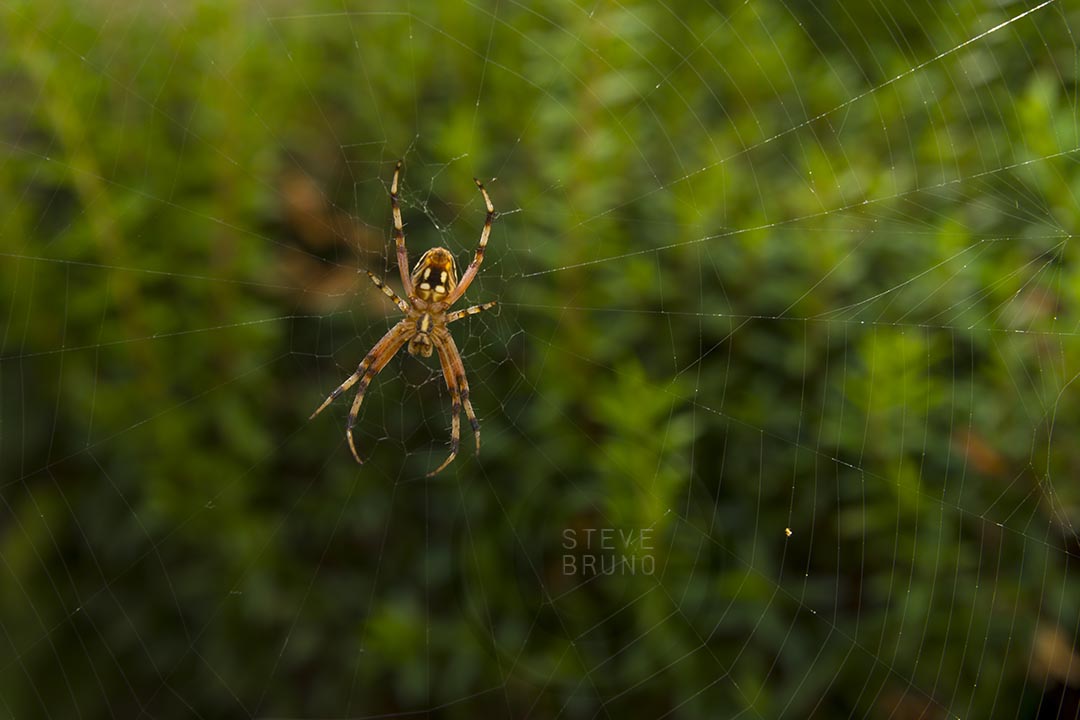
I prefer dangerous subjects that only move fast while they are retreating. Take the black widow, for instance. I was so close to this one that I thought I was going to get a shadow from the lens while using the built-in flash. This is an uncropped shot. In the exploded view insert, you can see that it has brought one of its legs to its open mouth, perhaps for some cleaning.
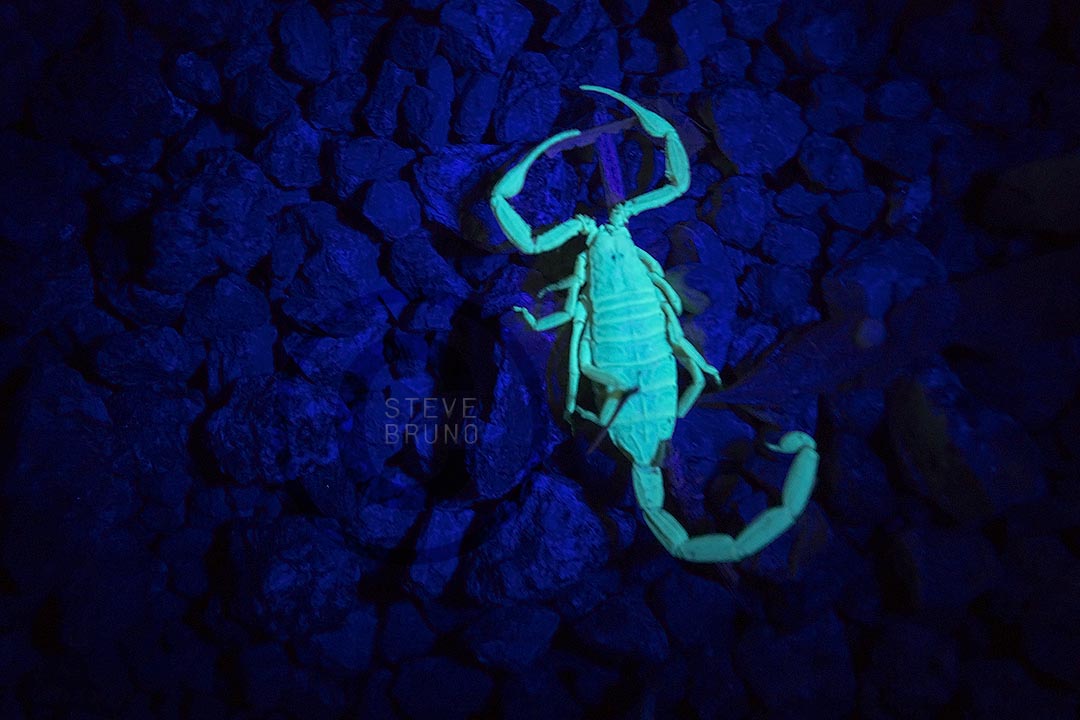
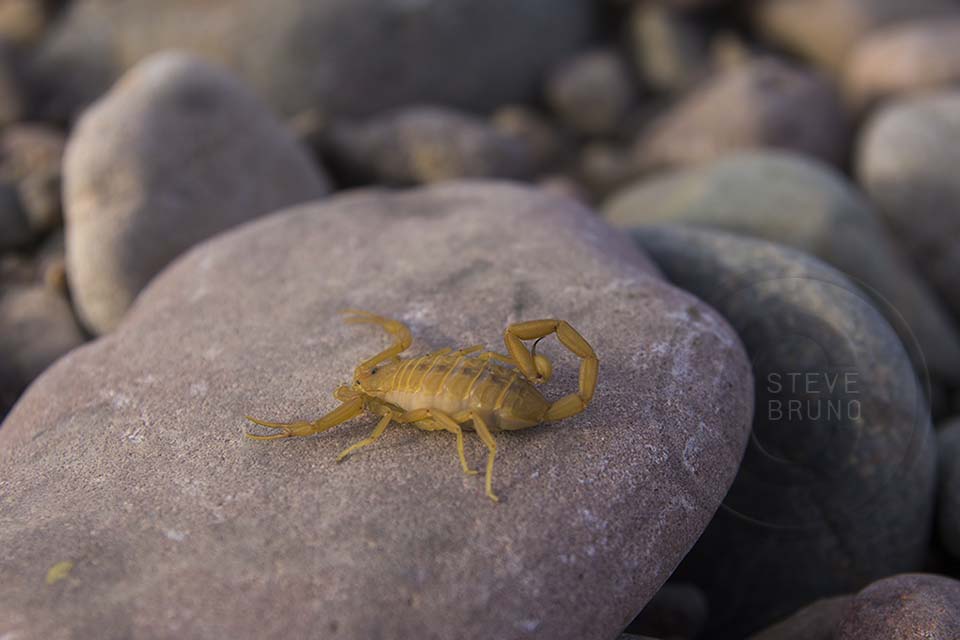
Another fast retreater is the scorpion, which are usually found in defensive locations, waiting for their food to come to them. A white light flashlight will have them hiding quickly, but a black light flashlight will spot them up to 20 feet away, and will not startle them as you get very close. It is very difficult for a camera’s autofocus to work properly under this circumstance, so I turn the focus mode to manual.
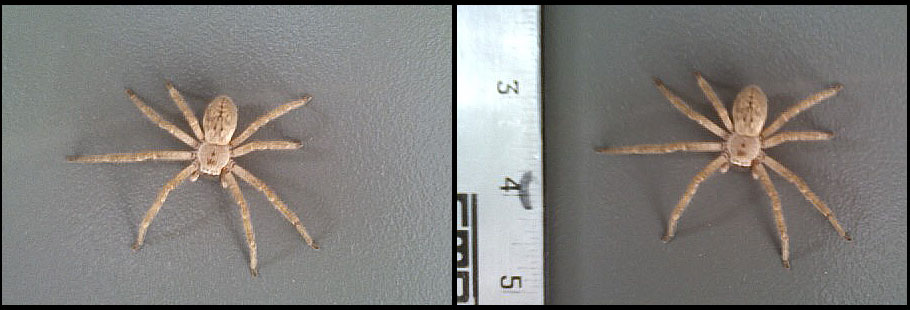
How about a spider so big, it didn’t get fazed by my presence. The largest wolf spider I had ever seen before this was about quarter-sized, including legs. Sometimes you want to move in close to your subject for dramatic or artistic effect. I wanted to show how big this one was, but realized after the first shot, nobody would be able to tell. I went to grab a metal yardstick and placed it alongside the wolf spider, which sat there the entire time. This was before I had a digital camera, and was taken with a flip-phone.
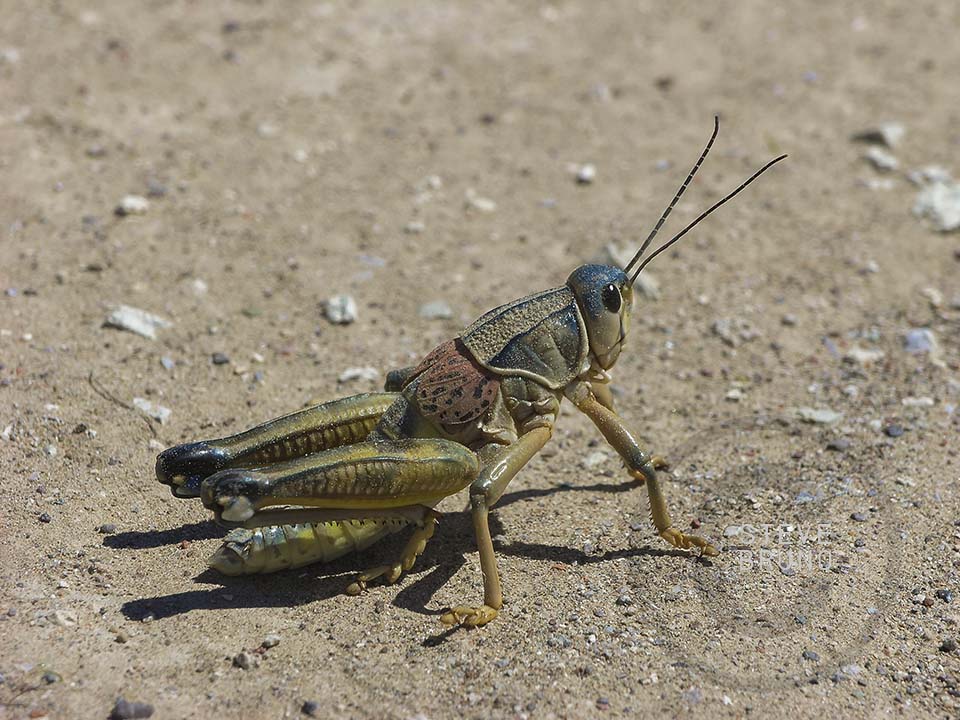
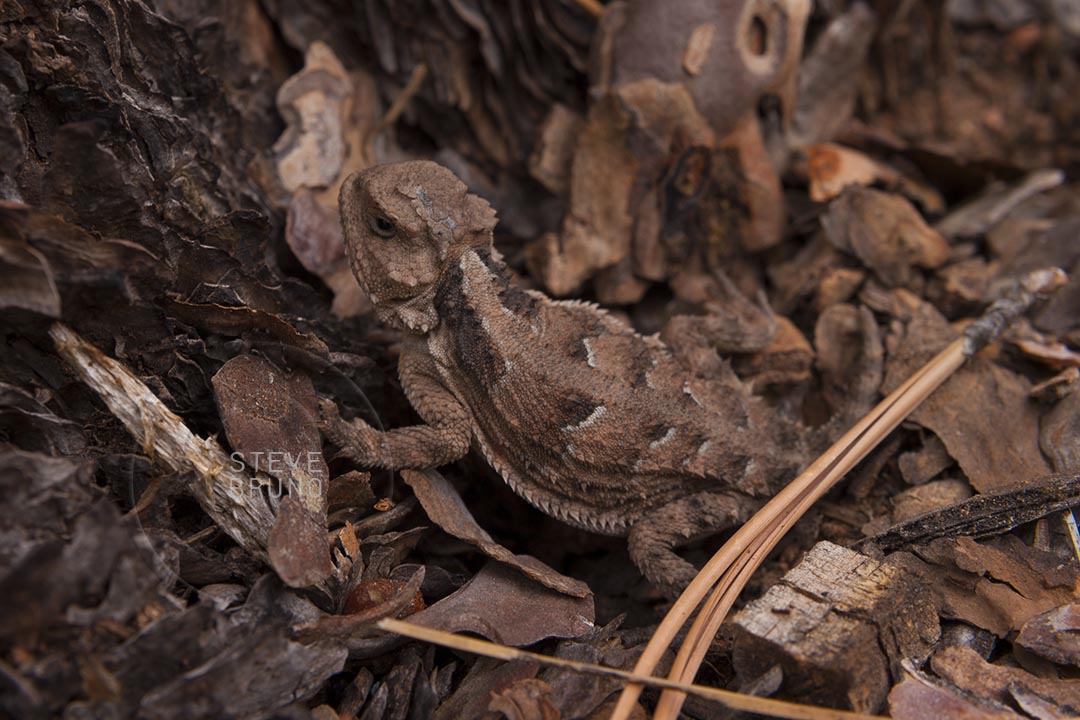
Shooting video in macro mode can be challenging. When I came across these ants in Zion National Park crawling all over this branch, I couldn’t resist trying to capture the frantic pace of their world. The breeze was wreaking havoc with my autofocus, so I switched to manual. At this distance, the branch was still swaying slightly in and out of focus, and I was able to capture better video by moving further back.
Error
This video doesn’t exist
Enough of the creepy, crawly things, let’s move on to some flowers. Again, special equipment is an option here. The red cactus flower was taken in my mom’s backyard with an android phone. This is straight out of the camera, and was very sharp in an 8×10 print – good enough for mom. Sometimes your best tool for macro photography is patience. This cluster of pink flowers took 45 minutes for me to finally capture sharply. Every time the breeze subsided, I would press the shutter, then zoom in on the screen, only to find that part of it was still moving. About 30 deleted shots later, I finally got this one. The white flower is one I took this spring. In the original, there was a little bit of subdued sunlight finding its way to the background, making for some distraction. This shot was handheld. If I had my tripod, I could have shaded the background completely, and avoided having to do this in post-processing. I have employed the shadowing technique many times, it just requires extra hands and a cable release or remote, along with the tripod.

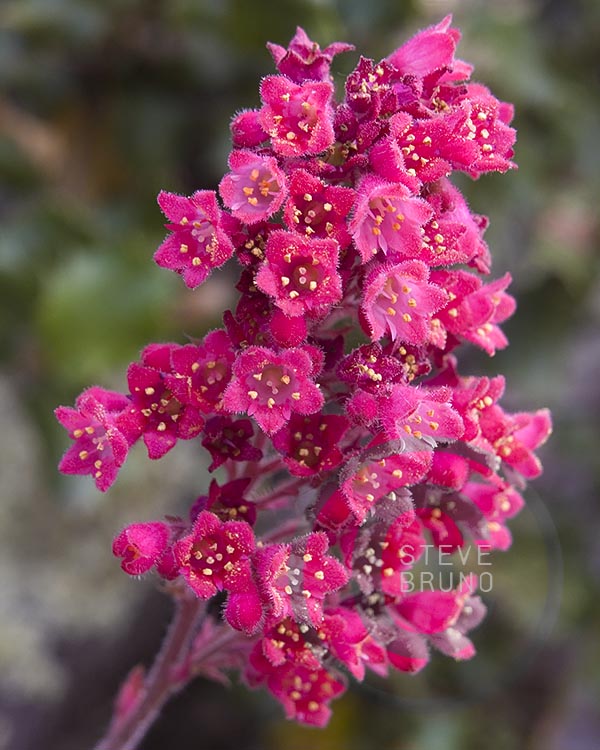
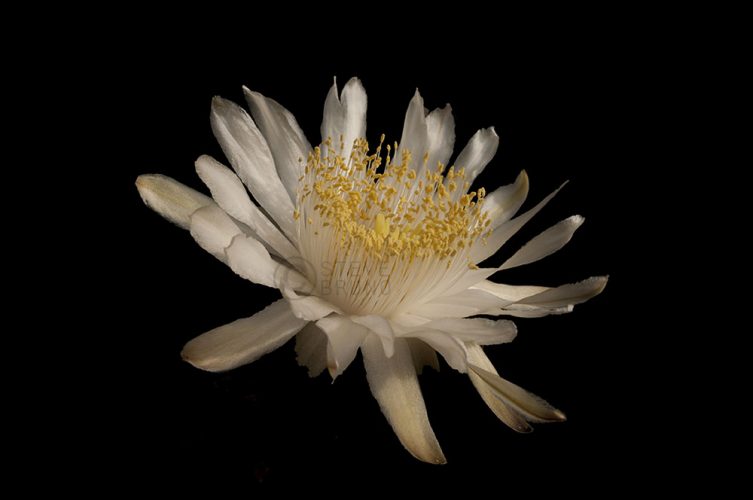
Then there’s extreme close-up without using a microscope. My last shot was one I used for one of Cee’s Challenges, but I’m bringing it back out for this one. This is an uncropped photo of a 2013 US quarter with the Mount Rushmore tribute. I used a fixed 40mm manual lens and two extension tubes. The extension tubes render the aperture useless and fixed wide open. I wasn’t getting the depth of field I wanted, so I took the lens off, then reattached it, but didn’t turn it all the way into a locked position. This allowed me to change the f-stop and see the result in viewfinder. Similar results can be achieved by using a wide angle fixed lens mounted backwards. Focusing in these situations has to be precise and is assisted by using a focusing rail.
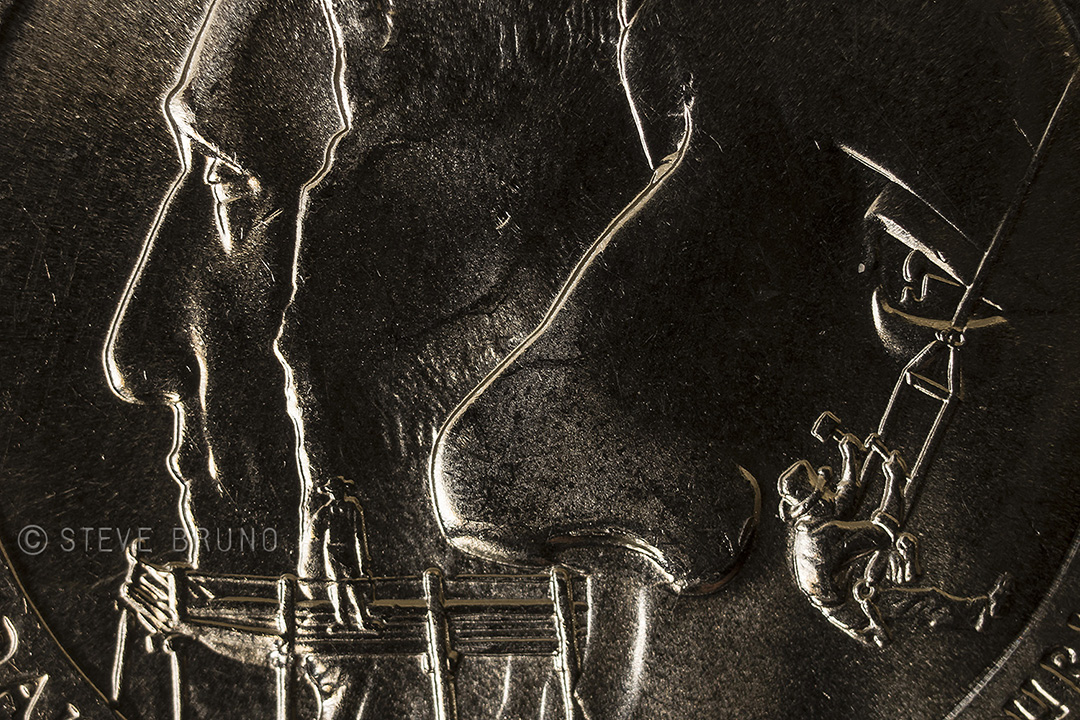
In response to The Daily Post’s weekly photo challenge: “Close Up.”
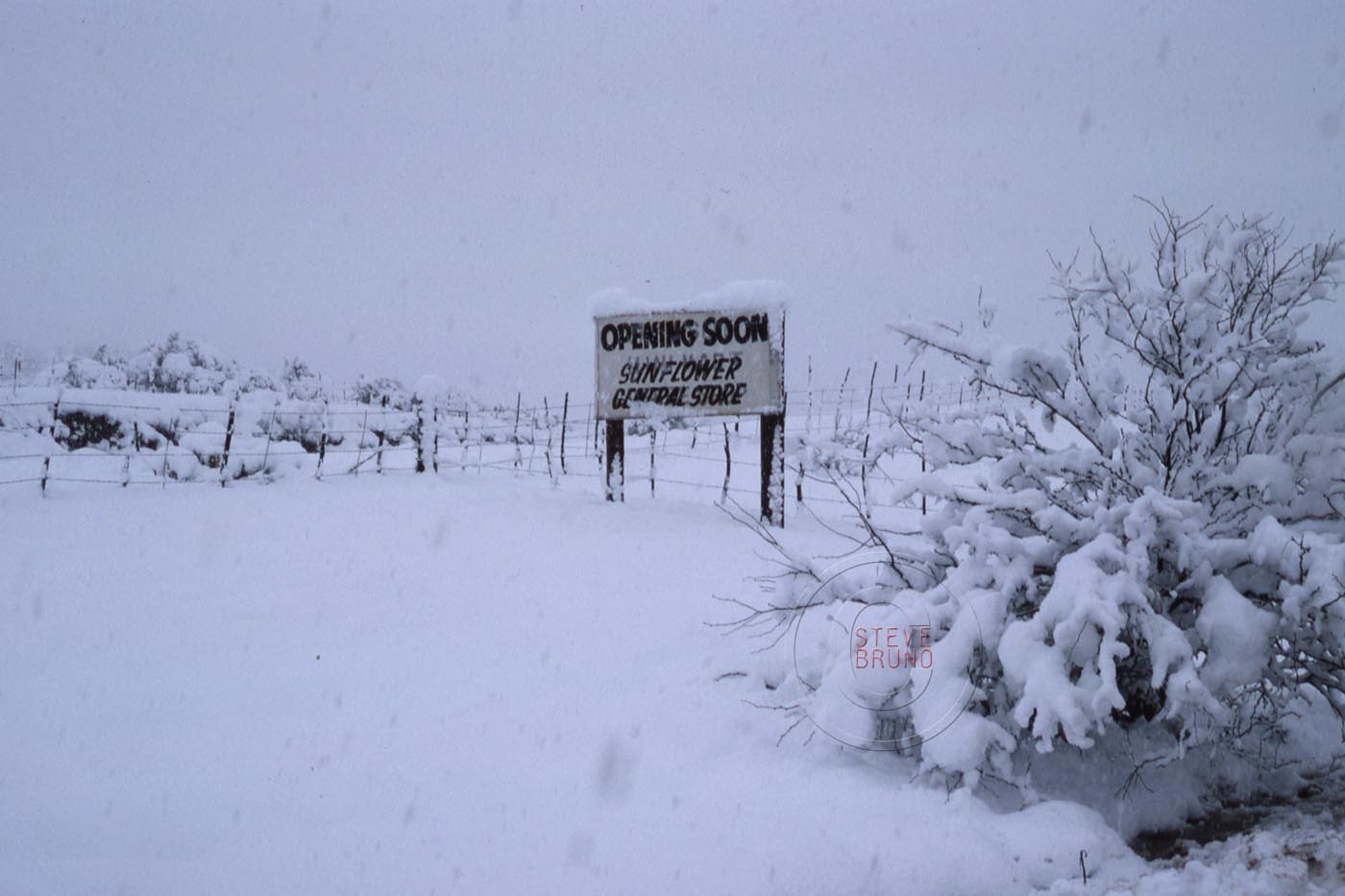
While driving between Phoenix and Payson, Arizona a number of years back, I came across this roadside sign. “Opening Soon” was a relatively loose term here.
In response to The Daily Post’s weekly photo challenge: “Off-Season.”
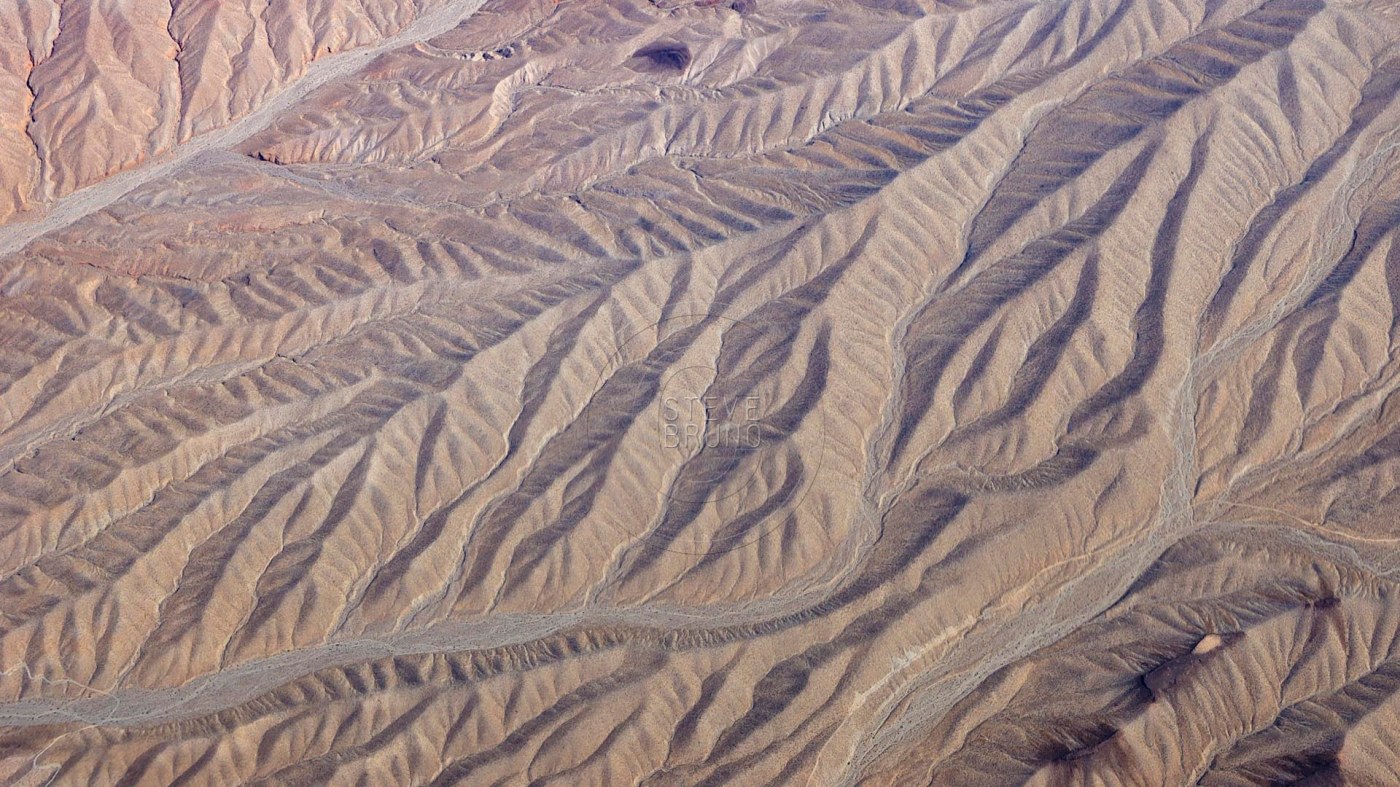
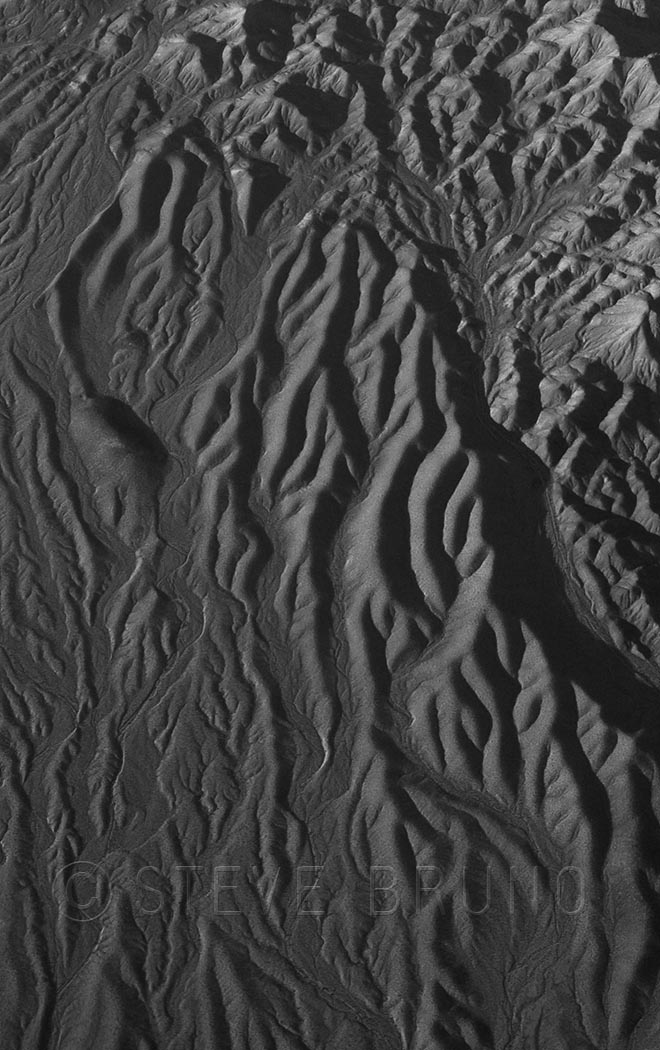
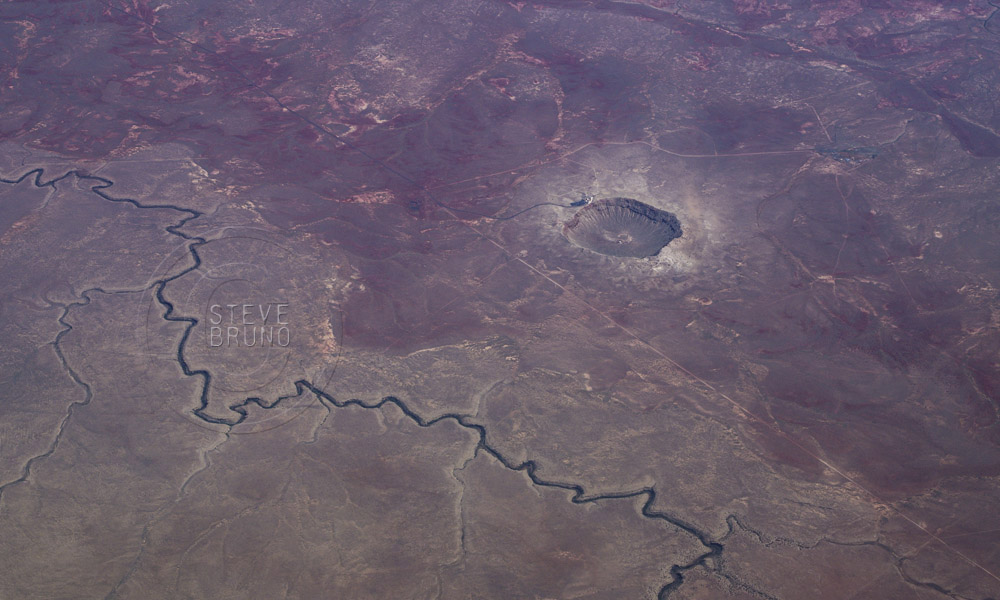
I’ve flown enough out of McCarran Airport to know the flight patterns towards every corner of the US, and earlier this month on my flight to Houston, we definitely started off course. I figured the pilot would make an adjustment, but we seemed to stay further south than all the previous flights to the southeast. I was enjoying the slight change of scenery, and one of the first things to get my attention was patterns of the Mojave Desert (above). As we approached Flagstaff, I knew we were still on a southern course because the San Francisco Peaks were visible out the left side windows. They had just received a late spring coating of snow. The Arizona Snowbowl looked as though they could still have been skiing, but I’m sure it was past season. 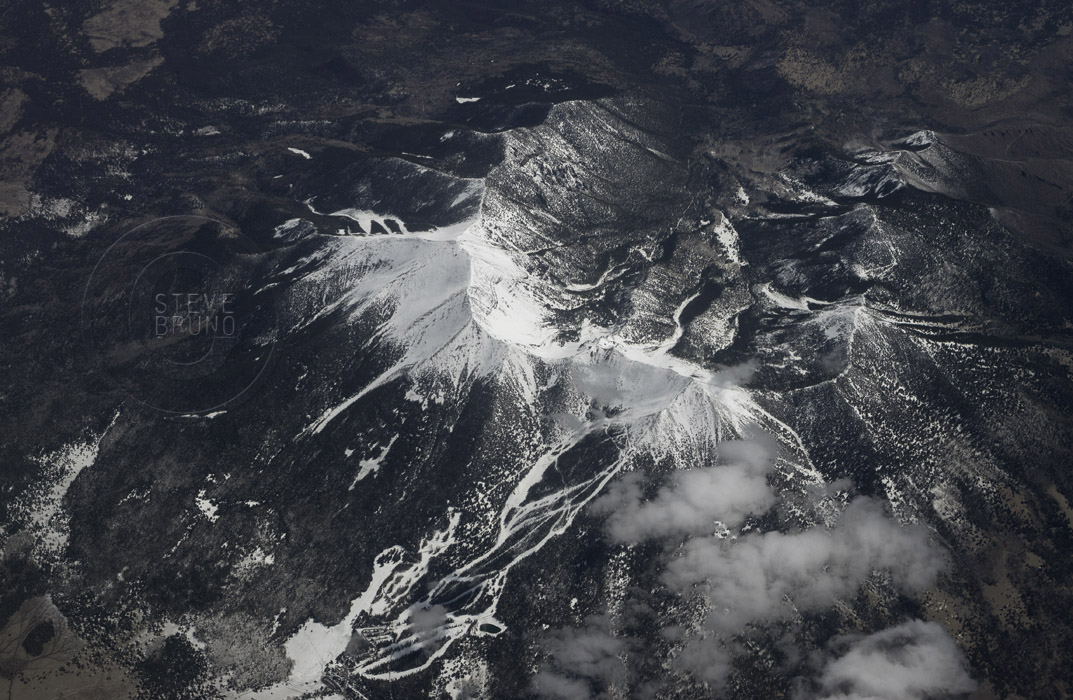 The next feature to come into view was Meteor Crater. It’s really hard to grasp the scale of the crater from the air, but perhaps the tiny roads will help.
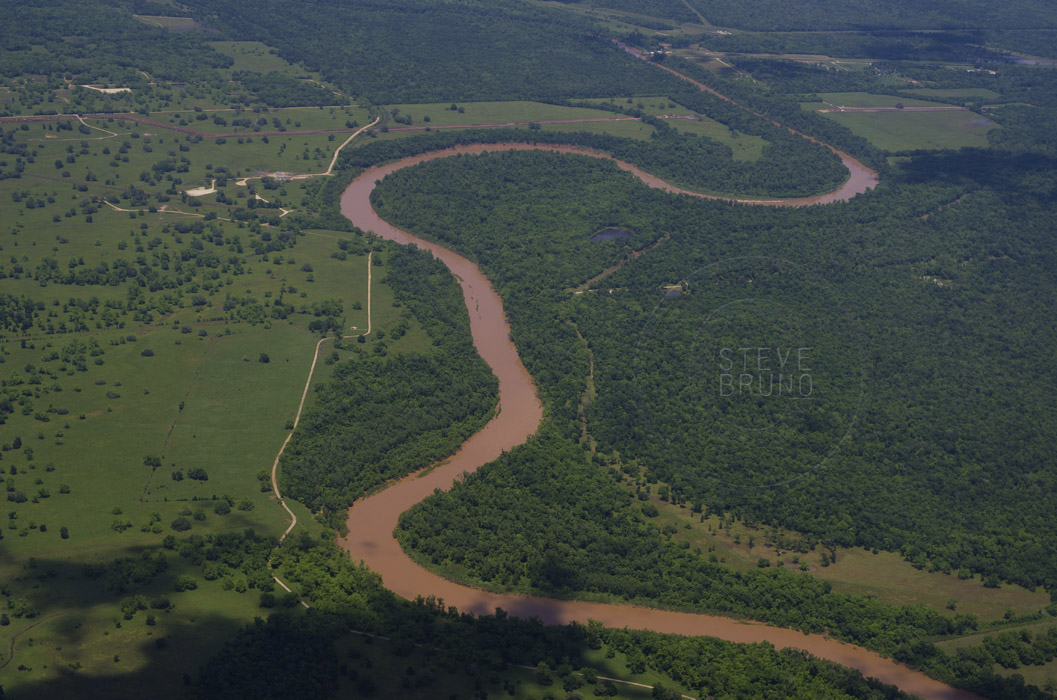
  There wasn’t much to see after that, until descending into Houston. The brownness of west Texas gave way to the patchwork of agricultural land and the greenery and waterways of the much more humid environment we were about to touch down upon.
  Then something very red appeared on the horizon. Amidst all that green, it was hard to miss. After zooming in on the computer screen, I can see that it is a manufacturing facility for heavy equipment.
  And then, finally, welcome to Houston.
 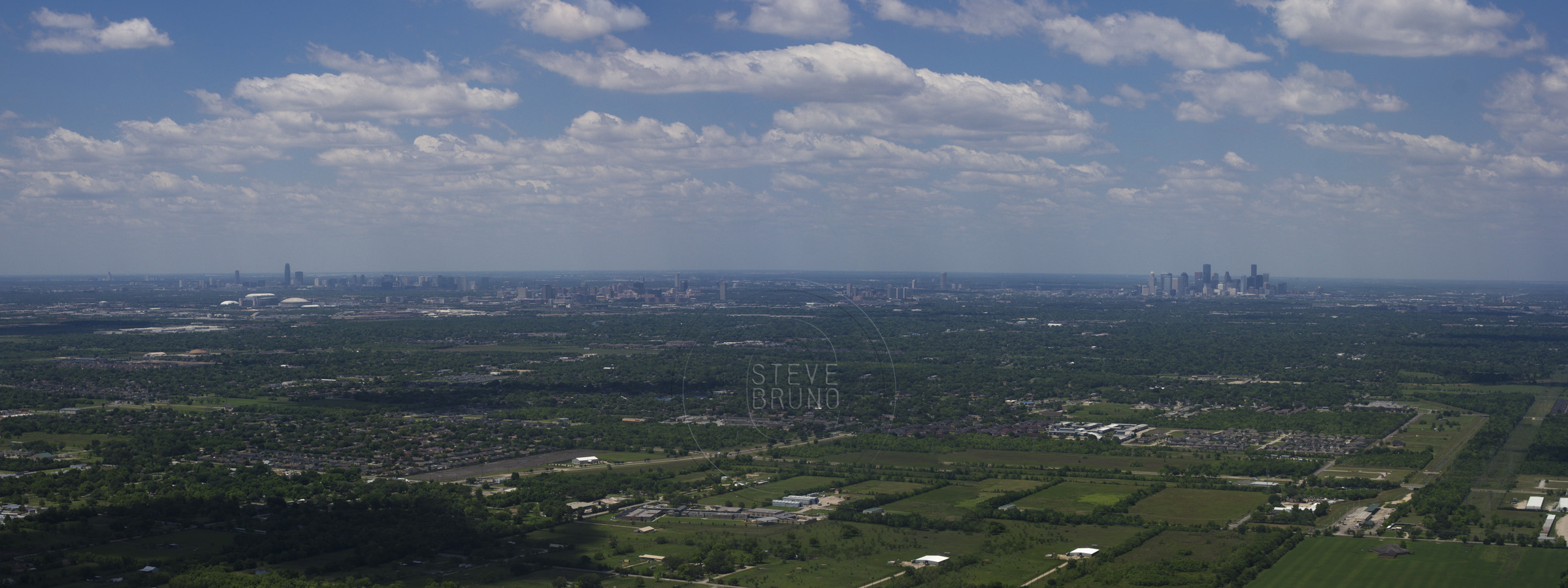 In response to The Daily Post’s weekly photo challenge: “On the Way.”
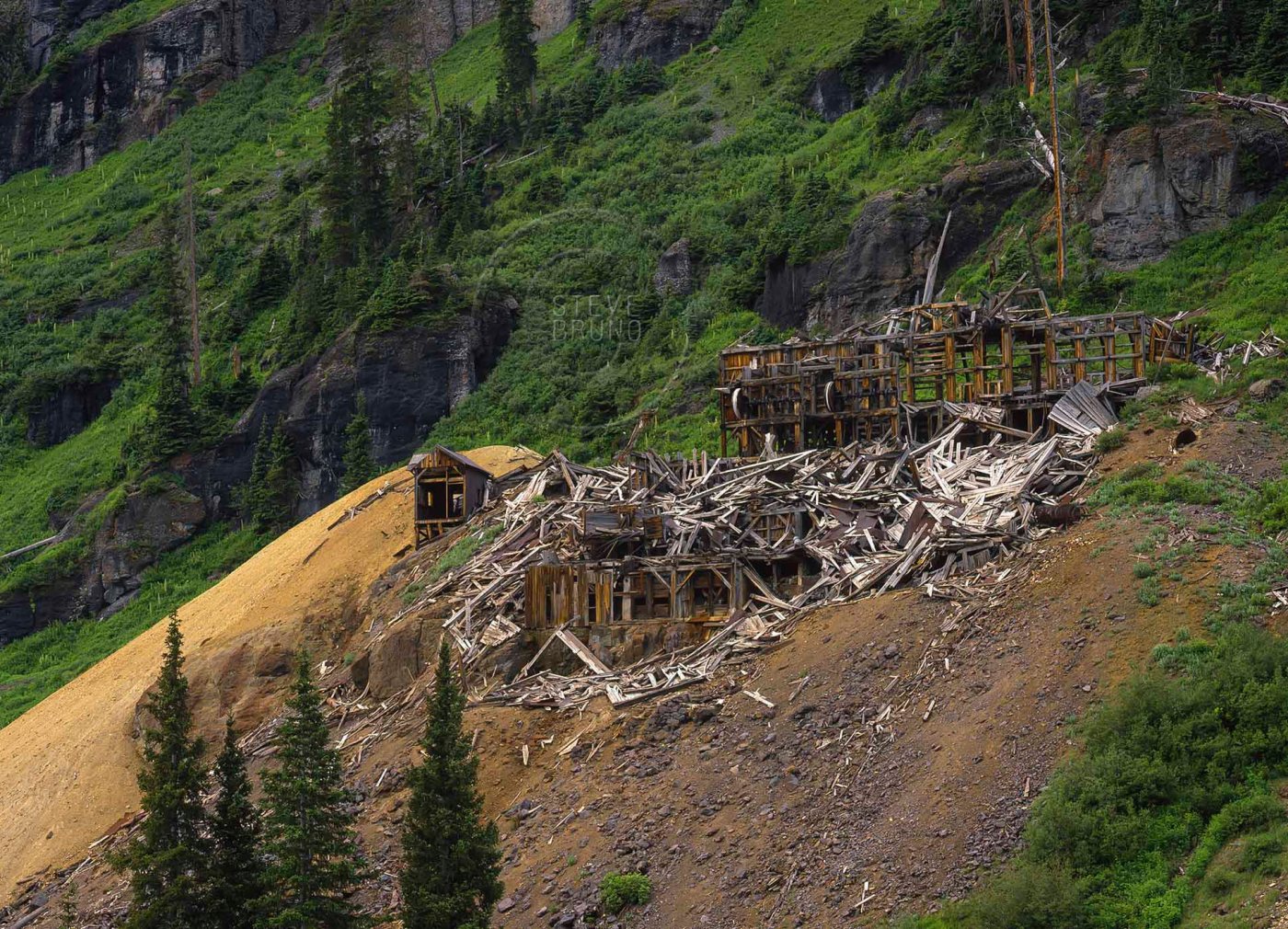
If you travel at all, you will eventually come across something broken and abandoned. It’s in our nature, being so much easier to just leave something behind once it has outlived its usefulness.
Here in the US, cars seem to be a popular item to dispose of once they are broken. I have encountered numerous cars and trucks left for nature to swallow up. It’s sad when someone determines that the cost to tow and repair a vehicle outweighs the value of said vehicle.
Some things would require far more effort and cost to remove once they become broken. This mining operation, above, would be a perfect example of that. I’m sure it was perfectly functional when the people decided to move on, probably because they had exhausted the material they were mining. Nature eventually reclaims everything, and is slowly working her magic on this remnant of civilization.
Other examples of broken: a broken rainbow 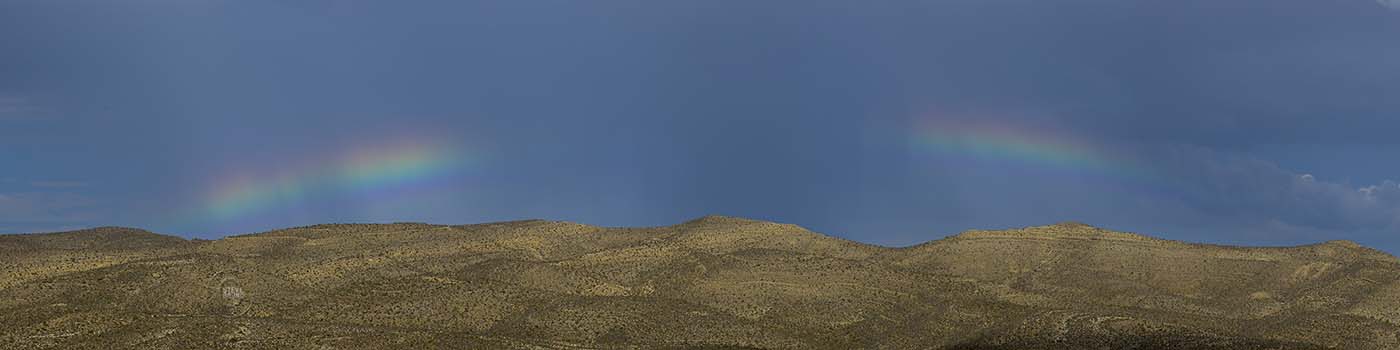 a broken down ranch grain tower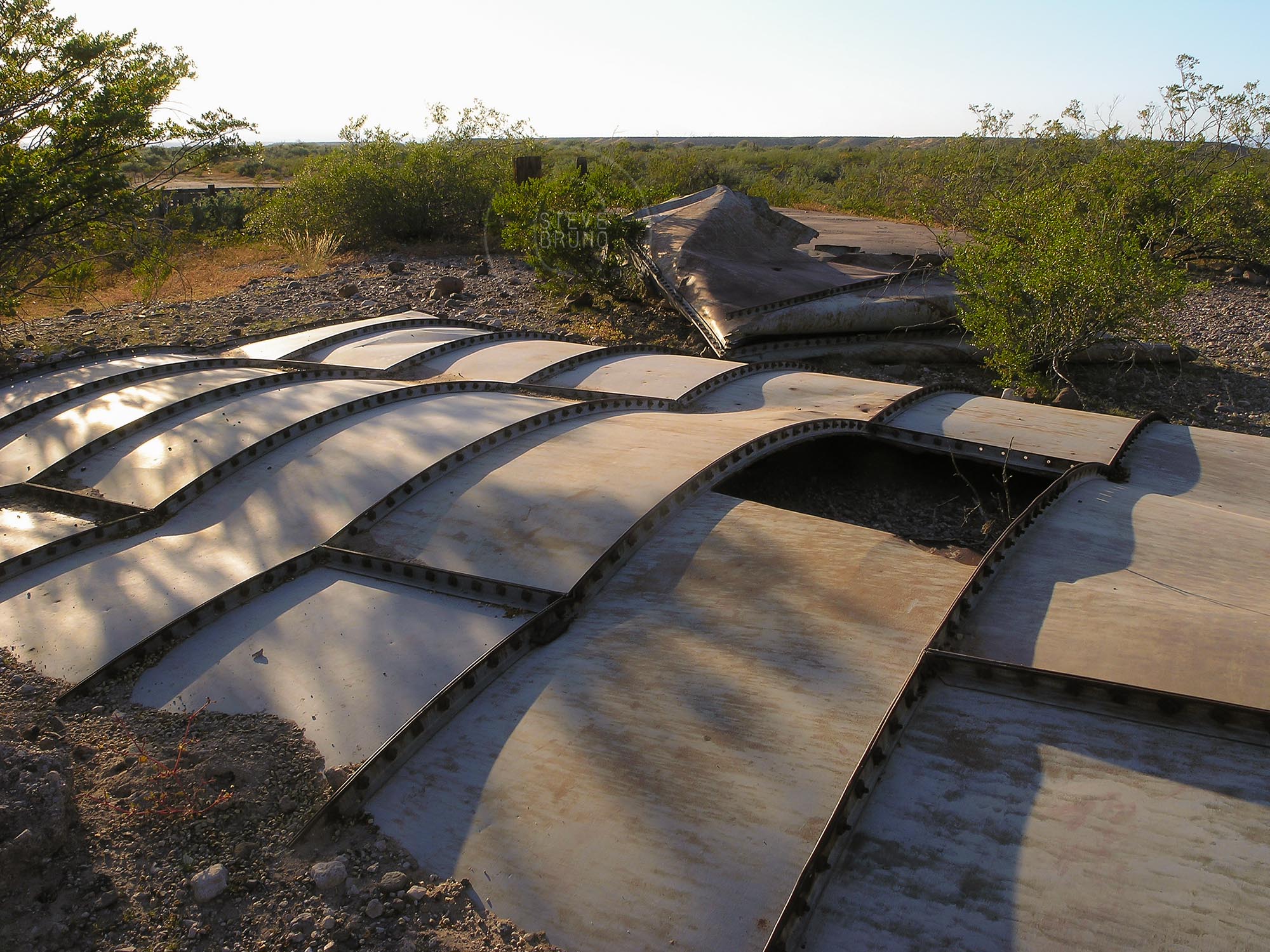
canyon walls broken from rockslide 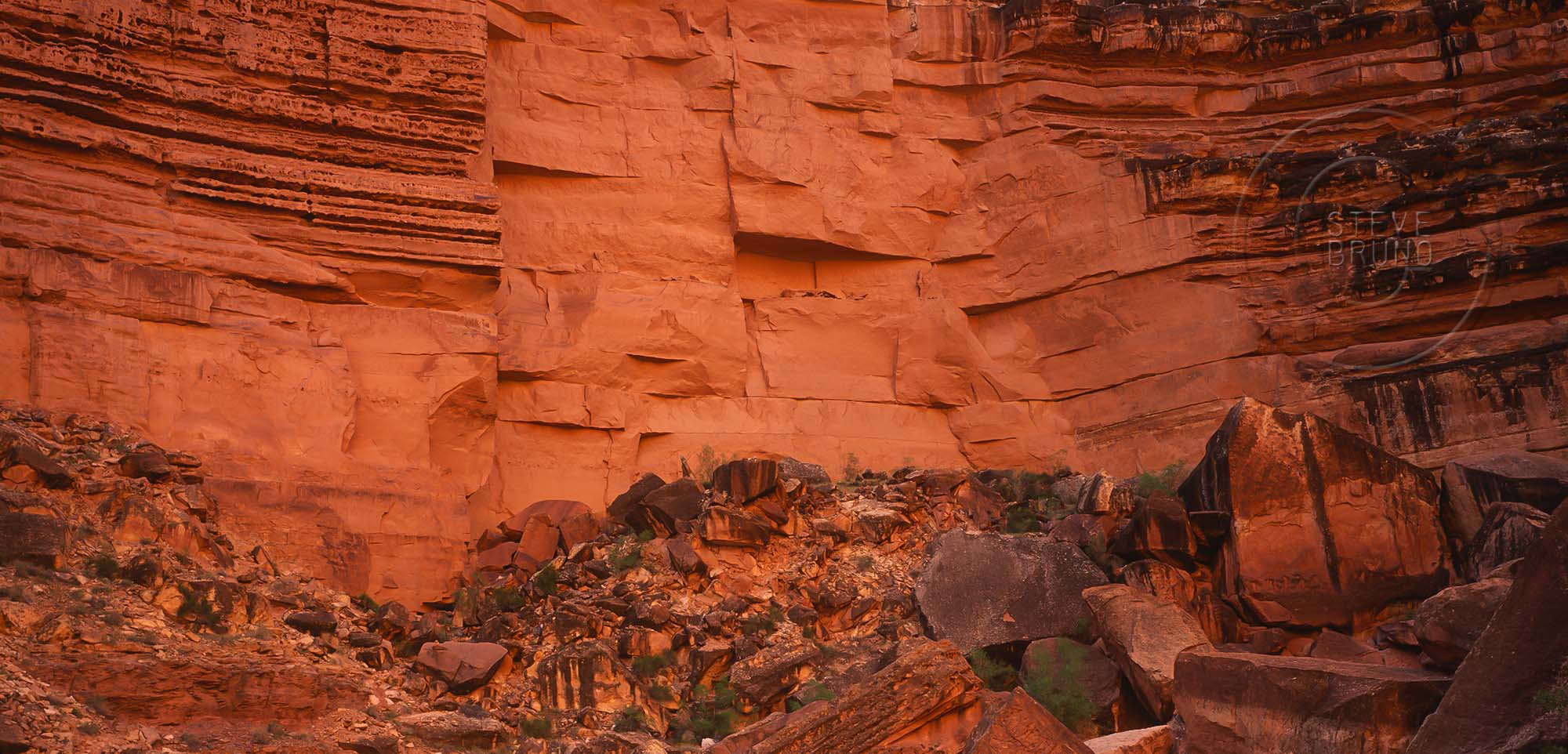 In response to The Daily Post’s weekly photo challenge: “Broken.”
 Steve Bruno Photo
You must be logged in to post a comment.