Search

Steve Bruno Photo

Tag

gottatakemorepix

Monochrome Madness: MM3-52

As spring storms start to lose their punch, it’s time to start venturing further northward.  One place I love to photograph is Cathedral Gorge State Park.  It’s a blink-and-you-miss-it kind of spot along the Great Basin Highway in eastern Nevada.  Full of texture and contrast, it offers many opportunities for black and white photography, and there are places and times where color photography works too.  Storm clouds added another dimension on this spring day.

This photo is my contribution to Leanne Cole’s Monochrome Madness this week.  Next week starts the fourth year for this project for Leanne.  To see what other photographers have contributed, or instructions to join in, visit her website.

Monochrome Madness: MM3-51

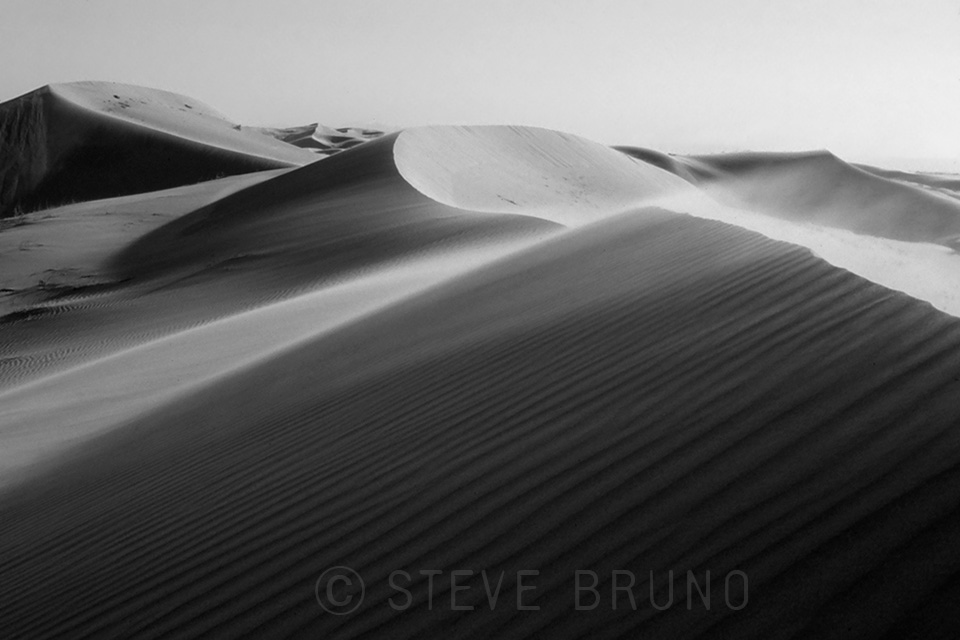
As spring transitions towards summer, cold fronts still pass through the desert, but they rarely contain significant moisture.  They always bring a little breeze, and sometimes, a lot.  A couple weeks ago we had wind gusts in the 70-80 mph range, and there’s never enough moisture to hold down the sand and dust when those fronts come through.  Usually this is landscape photography hell, but if you happen to be in the right spot, you can turn it into opportunity.

My photo was taken in the desert of southern California during one of these spring fronts, and is my contribution to Leanne Cole’s Monochrome Madness.  Instructions on how to participate, and the contributions of others can be found on her site.

Monochrome Madness: MM3-50

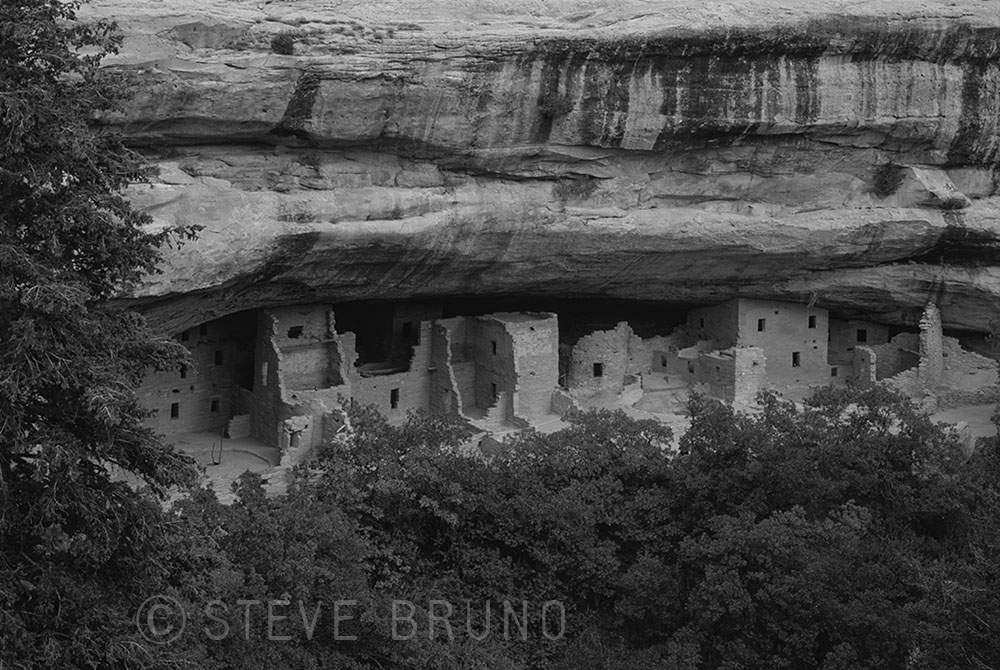
Mesa Verde National Park is one of the best preserved examples of the Ancestral Puebloan culture that once thrived in the American Southwest.  More commonly referred to as Anasazi, which is a Navajo term meaning “enemy ancestor”, these people created structures which were the largest in North America until Europeans settled here and industrialization began.  This civilization vanished around 700 years ago, and experts have various opinions as to how this happened.  A major climate shift started in the mid 1100’s with multiple periods of drought, and would have severely impacted the food supply.  There is also evidence of warfare which may have occurred with nomadic groups.

My photo is of Cliff Palace, the largest of the ruins at Mesa Verde, and is my contribution to Leanne Cole’s Monochrome Madness, which had the theme this week of culture.  Instructions on how to participate, and the contributions of others can be found on her website.

Monochrome Madness: MM3-48

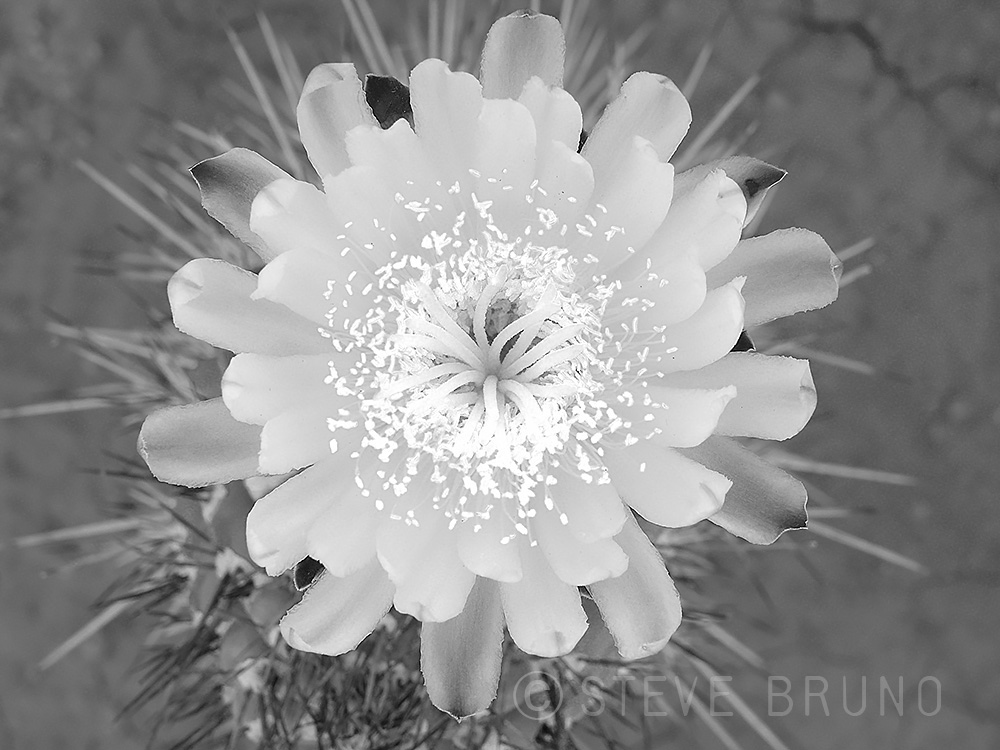
Spring has made it here, and it almost felt like we were going to jump right to summer.  Fortunately, temperatures have returned to normal, and we can go out and enjoy the flowers which have made their presence as a result of decent winter rains.  The cacti are usually the last to bloom, and it doesn’t matter to them if there was rain or not.

This is my contribution to Leanne Cole’s Monochrome Madness this week.  Instructions on how to participate, and the contributions of others can be found on her website.

WPC: Atop

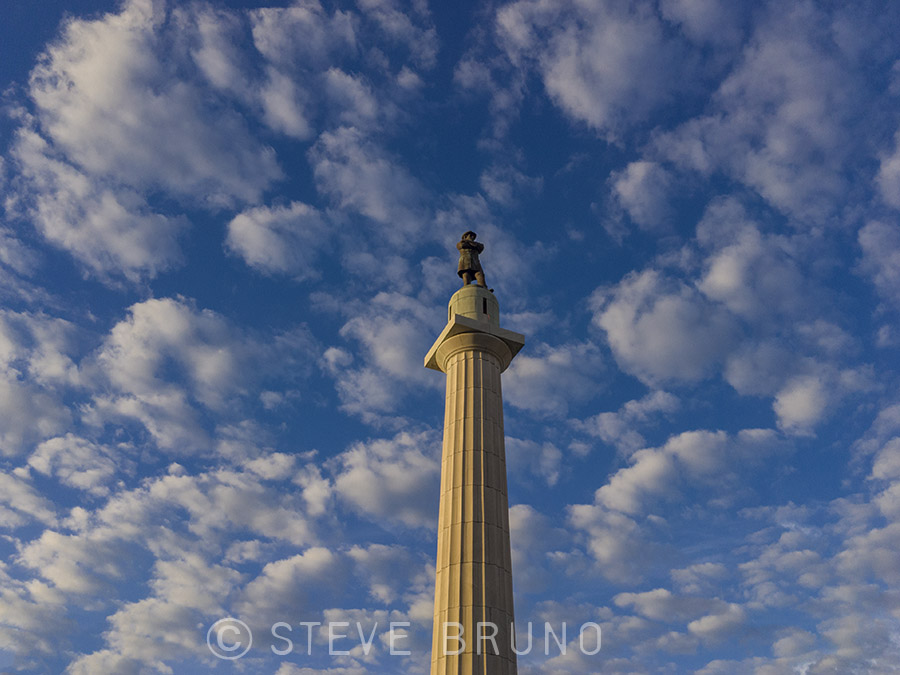
For this week’s Daily Post Challenge of Atop, I have a photo from my trip to New Orleans a couple months ago.  The Robert E. Lee Monument is a massive column with a small (by comparison) statue of General Lee atop.

Although this monument is on the National Register of Historic Places, there is a real possibility of it being taken down.  In an effort to rid America of all things associated with the South, this statue has been involved in court cases during the last couple years.  Will this eradicate racism?  No.  What can be put up in its place that will not offend people now or in another hundred years?  Perhaps a Big Mac and an order of fries?

Monochrome Madness: MM3-43

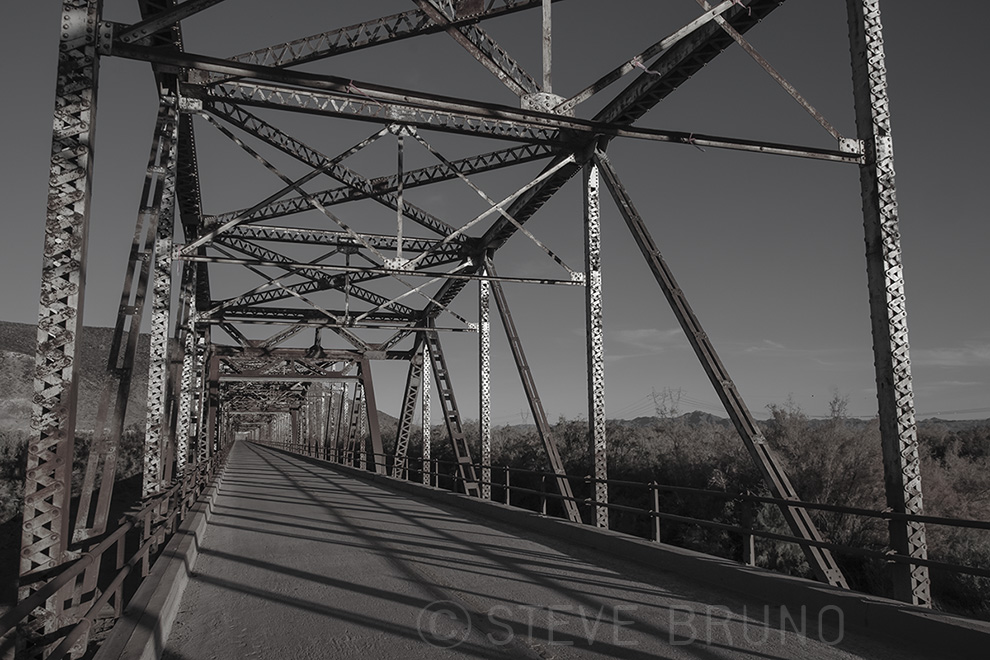
You won’t find any covered bridges in the desert, so this is as close as you’ll get to one.  On a lonely road somewhere west of Phoenix, I discovered this bridge.  It had such incredible oxidation taking place, that I couldn’t resist taking a few photos.  In order to maintain a vintage feel, I didn’t convert it to b&w, but desaturated the original to the point that you see.

This is my contribution to Leanne Cole’s Monochrome Madness this week.  Instructions on how to participate, and the contributions of others can be found on her website.

WPC: Shadow

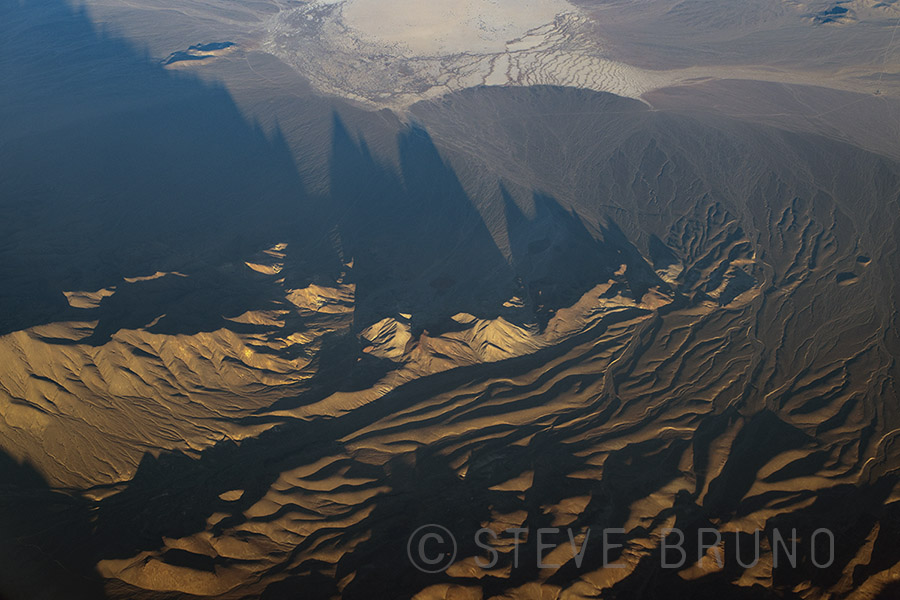
When I schedule my flights, I try to arrange them so that I’m taking photos near sunrise or sunset.  The colors are more saturated, and the shadows of even the smallest features become elongated.  For this week’s challenge of shadow, I immediately thought of being up in the skies looking down, and my photo comes from somewhere northwest of Las Vegas.

WPC: Solitude

When I first started venturing out on photographic journeys, I felt solitude almost immediately upon leaving the city.  Unless it was a holiday weekend.  Nowadays, finding a quiet space seems a little more difficult, but not impossible.  There are still places where I can hear the pulsing of a hawk’s wings, or a lizard moving upon the sands, or just plain silence.

WPC: Graceful

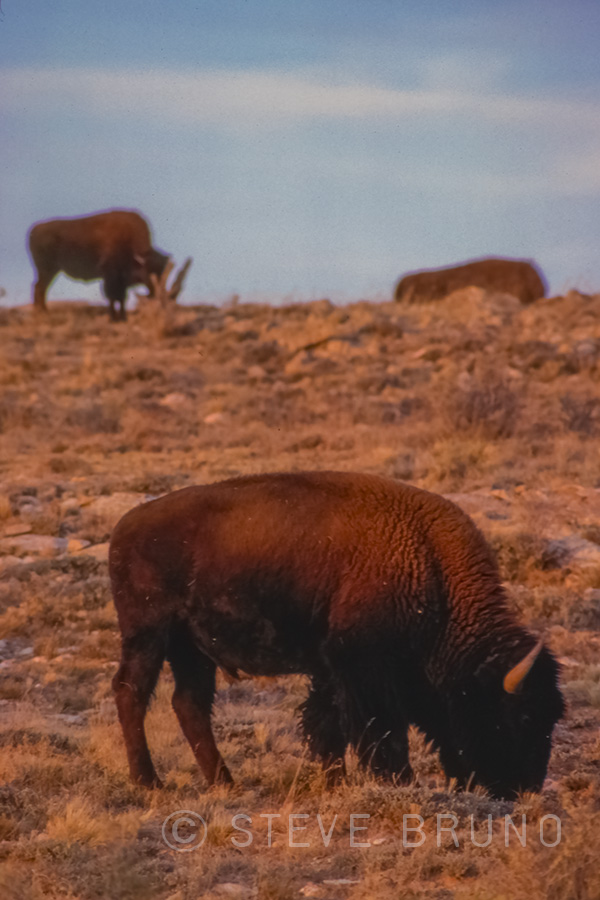
A 2000 pound animal graceful?  Are you kidding?

There are 2 places in Arizona where you can find buffalo.  One of them, House Rock Valley Ranch, has no fences.  The Grand Canyon, Kaibab Plateau, and Vermillion Cliffs all form a natural perimeter.  With that much land to cover, don’t expect coming here for animal sightings.

On my first visit to House Rock Valley, I had my brother and his daughter along.  She got excited when she saw the sign about the buffalo ranch, but we let her know about the vastness of the property so her hopes were not too high.  We drove many miles out to where we set up camp overlooking Marble Canyon, then drove back slightly for another overlook.  When we came across a road junction which we had crossed not more than an hour before, there were 5 buffalo standing in the road.  Collectively, they easily outweighed my vehicle, so we just sat and watched.  After a minute or so, they got bored with the standoff, and started to move along the side of the road.  We drove slowly beside them, and then they picked up their pace.  We matched them.  They continued to pick up their pace, at which point I noticed we were driving 35mph.  We were on a fairly smooth road, they weren’t!  After about a minute of running with the herd, they peeled away until we lost sight of them.

A few years later I returned to House Rock Valley.  This time was specifically to cover the buffalo, and unfortunately, it was hunting season.  The herd’s numbers are maintained, and only a handful of permits are issued each year.  These buffalo know when it’s hunting season, and become scarce.  Rising from the valley at about a 45 degree angle, the Kaibab Plateau has some twisting, sheer walled canyons.  The buffalo traverse these canyons like bighorn sheep, and the hunters can’t follow. I met with the manager of the ranch, and he was full of information about these animals.  One story he relayed was about the animals’ ability to leave no trace.  There are no reliable water sources here, so they have placed water tanks about in several spots.  In hunting season, the buffalo will enter from one side, then step on a rock or clump of grass, get their drink, walk around to the other side of the tank, all the while being selective as to where they step, and not leave a track within ten feet.  Is it any wonder these animals were so revered by Native Americans?

Monochrome Madness: MM3-39

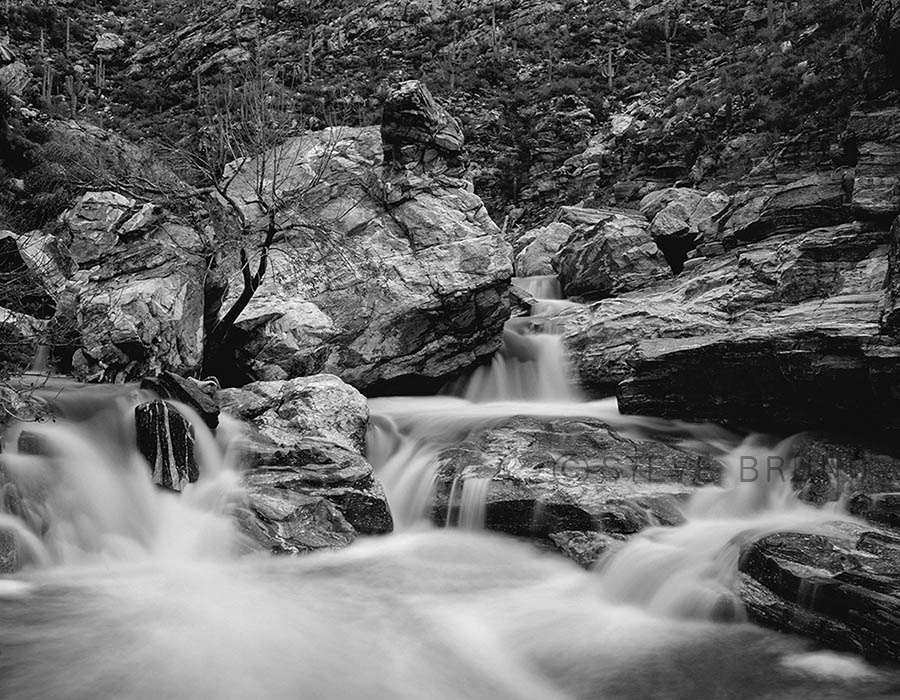
Now that winter snows have returned to the mountains of the southwest, the small streams that lie dormant much of the year are returning to life.  This one never really dries up, but this is a decent non-flood rate.  In the mountains east of Tucson, Arizona, my photo comes from the desert oasis of Tanque Verde Wash.

You will find this image, along with those taken by other photographers at Leanne Cole’s Monochrome Madness this week.  Instructions on how to participate are there as well.

WPC: Ambience

For this week’s Daily Post Challenge of Ambience, I tried to think of one place that captures the mood of the southwestern deserts.  Monument Valley, in the heart of the Navajo Indian Reservation, tops my list.  As with any location that is highly visited, there is the tackiness that comes with tourism.  But spend a day in this valley, and seek out moments of solitude.  If you happen to be here when the rains come through, you might be rewarded with sunsets like this.

Monochrome Madness: MM3-38

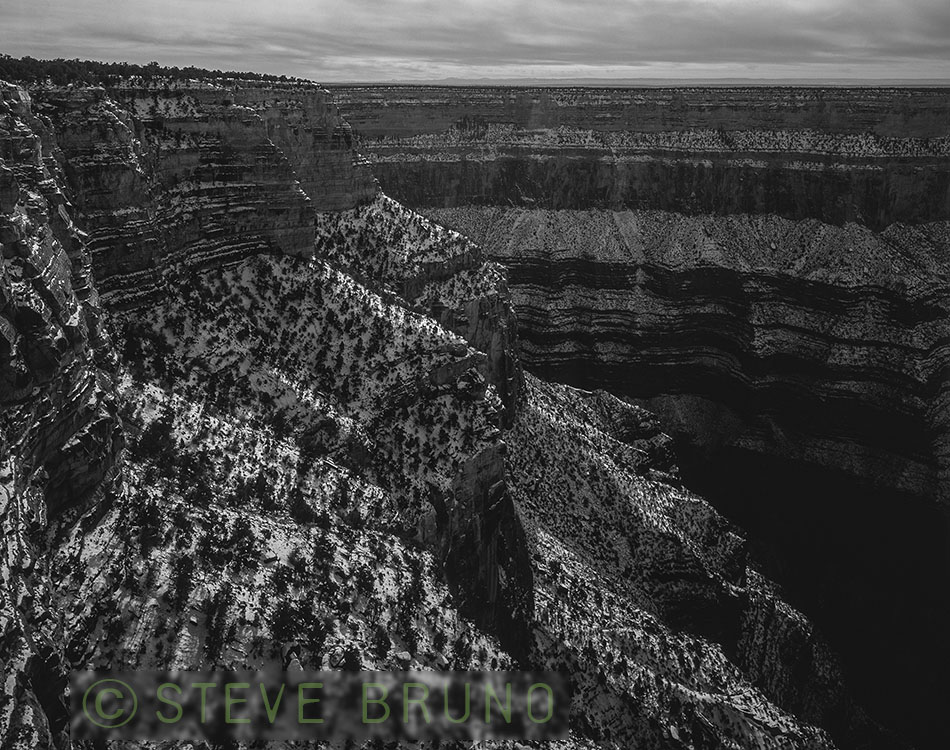
The South Rim of the Grand Canyon can be miserably hot in the early parts of summer, so many people find it surprising how miserably cold it can be in winter.  As with many canyons of the southwest, snow doesn’t stick to the sheer walls, so the layers are accentuated by the snow.  Even in relatively flat light, this adds depth to the scene.  Photos taken when winter storms are in the clearing process are some of the most dramatic I’ve ever seen of the canyon, and the temps are usually tolerable at that point.  Watch out for the days following, when wind chill factors can make it feel like Canada.

This is my contribution to Leanne Cole’s Monochrome Madness this week.  Instructions on how to participate, and the contributions of others can be found on her website.

Blog at WordPress.com.

Up ↑