Search

Steve Bruno Photo

Category

weather

Monochrome Madness: MM3-51

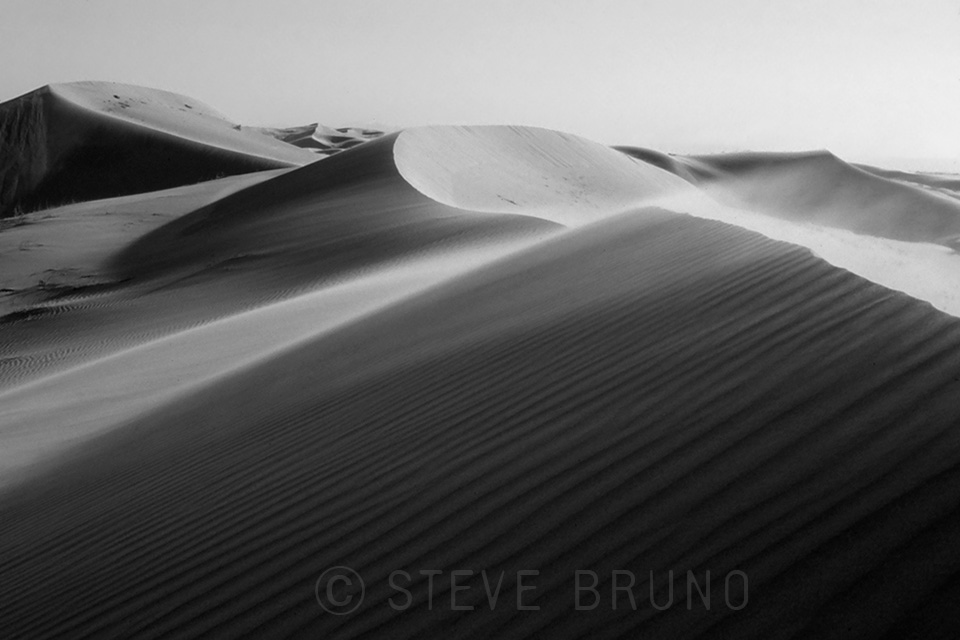
As spring transitions towards summer, cold fronts still pass through the desert, but they rarely contain significant moisture.  They always bring a little breeze, and sometimes, a lot.  A couple weeks ago we had wind gusts in the 70-80 mph range, and there’s never enough moisture to hold down the sand and dust when those fronts come through.  Usually this is landscape photography hell, but if you happen to be in the right spot, you can turn it into opportunity.

My photo was taken in the desert of southern California during one of these spring fronts, and is my contribution to Leanne Cole’s Monochrome Madness.  Instructions on how to participate, and the contributions of others can be found on her site.

WPC: Dance

For this week’s challenge of Dance, I almost took the easy route with photos of people dancing, but then remembered the operative word is challenge.  You’ll probably enjoy these a bit more, anyway.  I know I do.

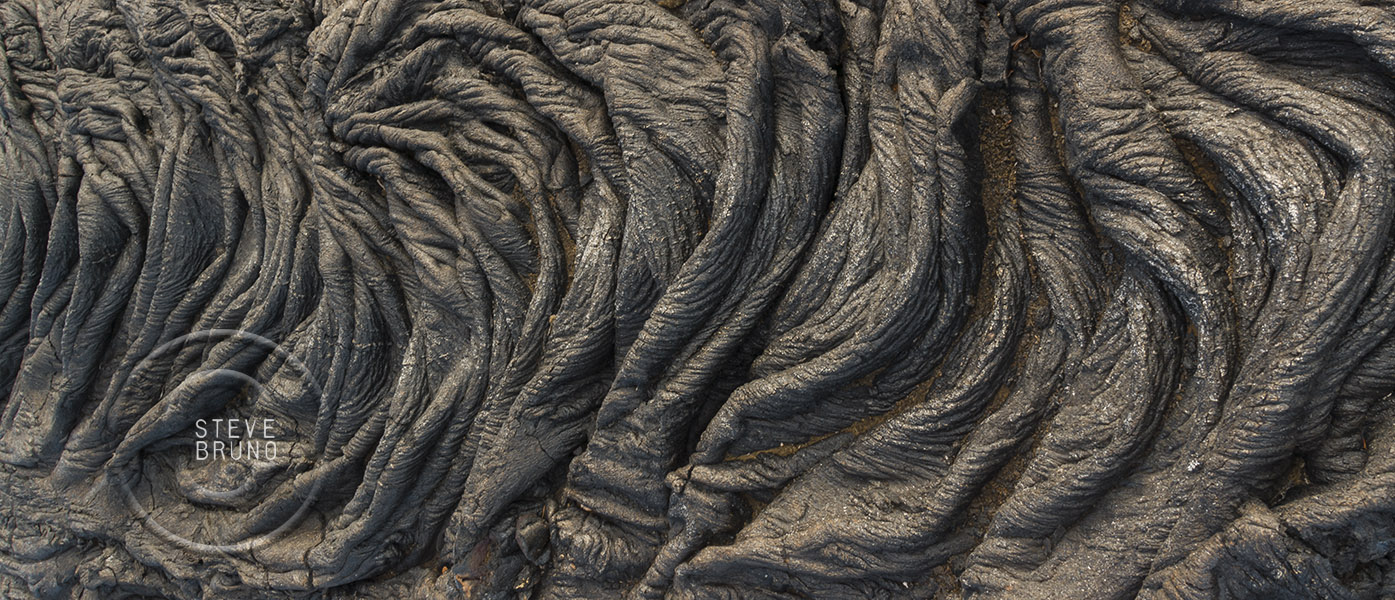
For anyone who has ever witnessed a slow lava flow, you know there is a pulse that surges, as the cool air solidifies the flow, while the warm undercurrent wants to keep moving.  The final cooled result (above) reflects that pulse, and was taken in Hawaii Volcanoes National Park.

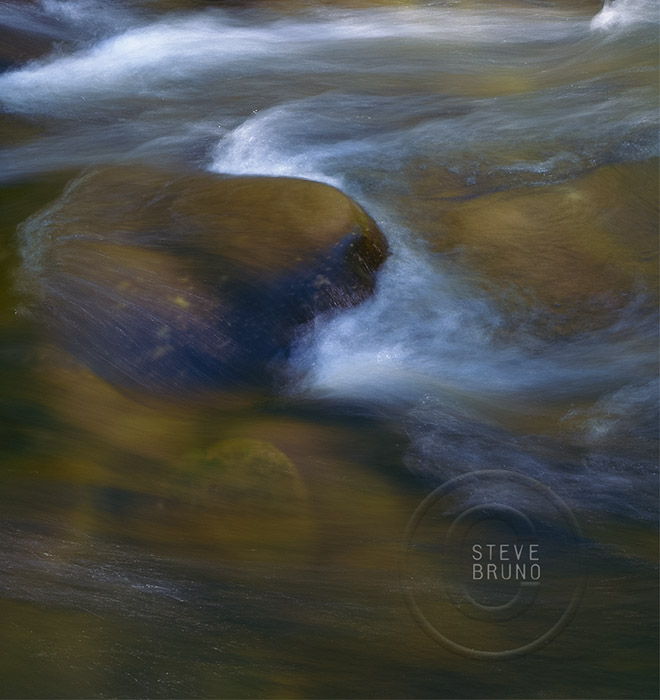
Flowing, tumbling water can also have a rhythmic feel to it.  The sunlight was being filtered through the forest, and accentuated most of the current in this shot of Oak Creek, near Sedona, Arizona.

Flowing Water, Oak Creek, Sedona, Arizona, Steve Bruno

Clouds can portray a feeling of choreography, even in a still capture.  My favorite example is this thunderstorm at sunset near Cloudcroft, New Mexico.

Thunderstorm Clouds, Sunset, New Mexico, Steve Bruno

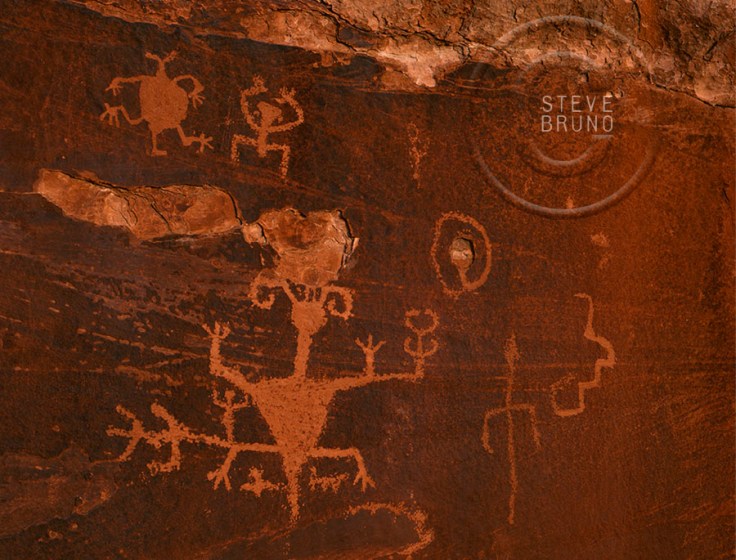
Finally, rock art symbols almost always have a sense of dance and celebration, indicating how important this was in ancient culture.  This panel of rock art is in the Grand Canyon.

Rock Art, Grand Canyon, Arizona, Steve Bruno

WPC: State of Mind

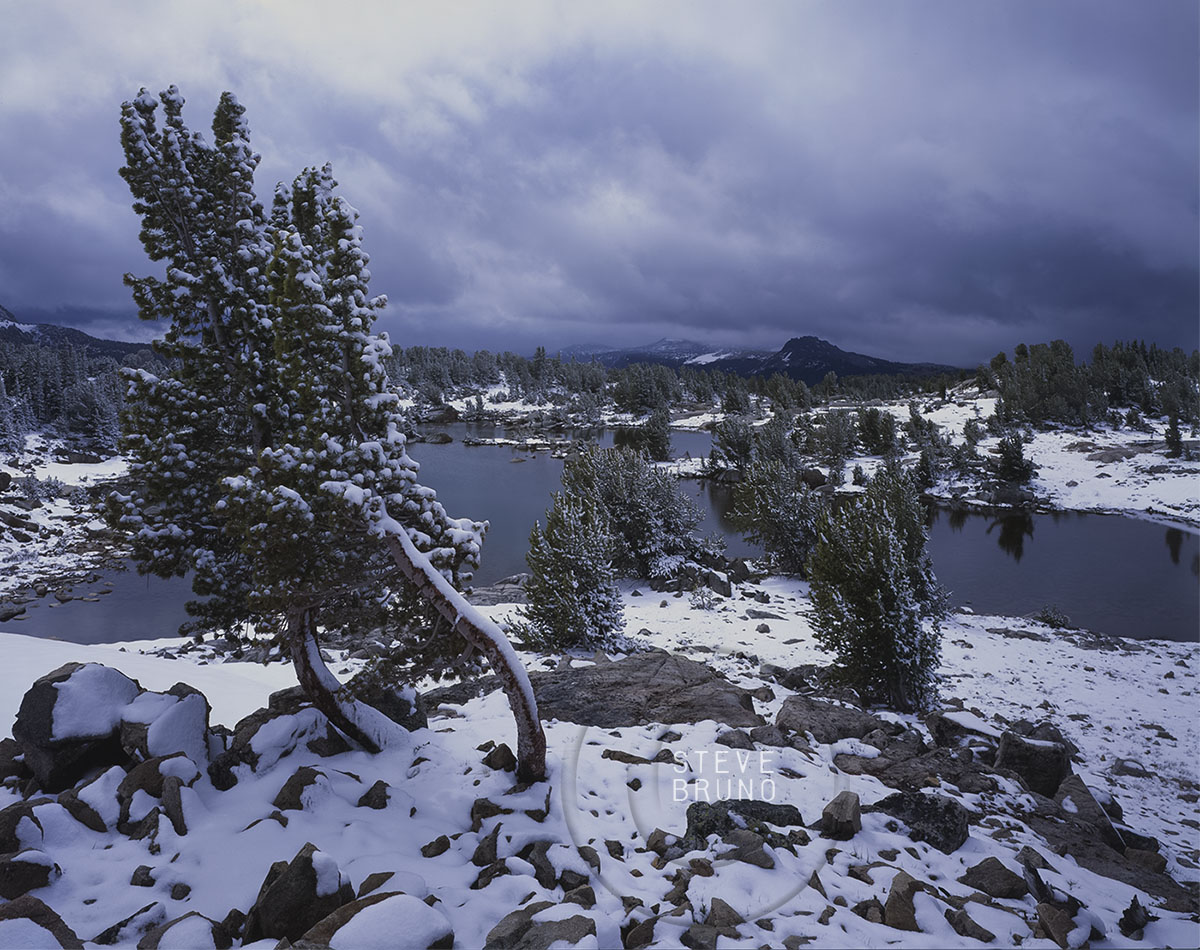
On my first visit to Yellowstone National Park, I entered the park via the Beartooth Highway, on the northeast side.  When I started in the morning, it had been relatively sunny and warm, but by the time I reached the road’s summit, winter conditions prevailed.  This was in the 2nd week of July.

The snow had started to accumulate to at least a couple inches, and the clouds made visibility very poor.  This mountain road turns and climbs to an elevation well above treeline.  What I remember most was the lack of a guardrail, and the eerie bamboo poles stuck into the ground at the road’s edge – a guide for the plows to find the road when their time came.

I had been in 4wd, and I’m sure my top speed was no more than 25mph.  At one point I came across a fairly long section of straightaway and decided to test the braking ability ever so lightly.  As I did, I could feel there was no traction underneath and I started to slide a little towards the downhill side.  That was the last time I made any attempts at braking, and slowed my pace even further.  Although not a sheer cliff, the mountainside sloped downward at least 1000 feet, and if I rolled off, it would have been at least a day before anyone would have found me.  I found out later that the road was closed minutes after I started my ascent, which explained why I was the only one out there that day.

Upon descending back to the forested regions, I came across this small lake and pulled over.  By now, I was just glad to have something flat on the side of the road, and having that crazy drive over the mountain pass behind me.  I remember feeling so much more relaxed when I got out.  This scene, with the calm lake, and the storm clouds moving out, echoed my state of mind at the time.

November Rain

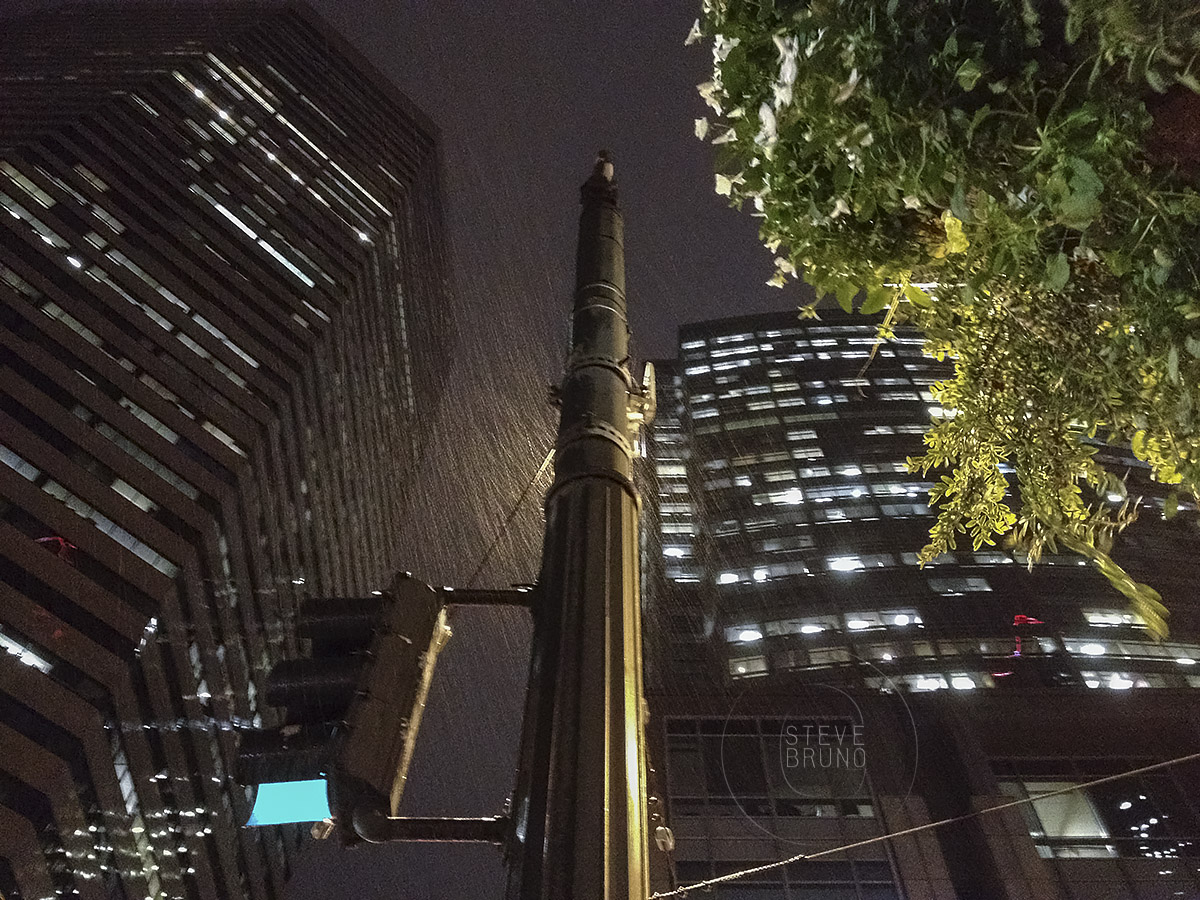
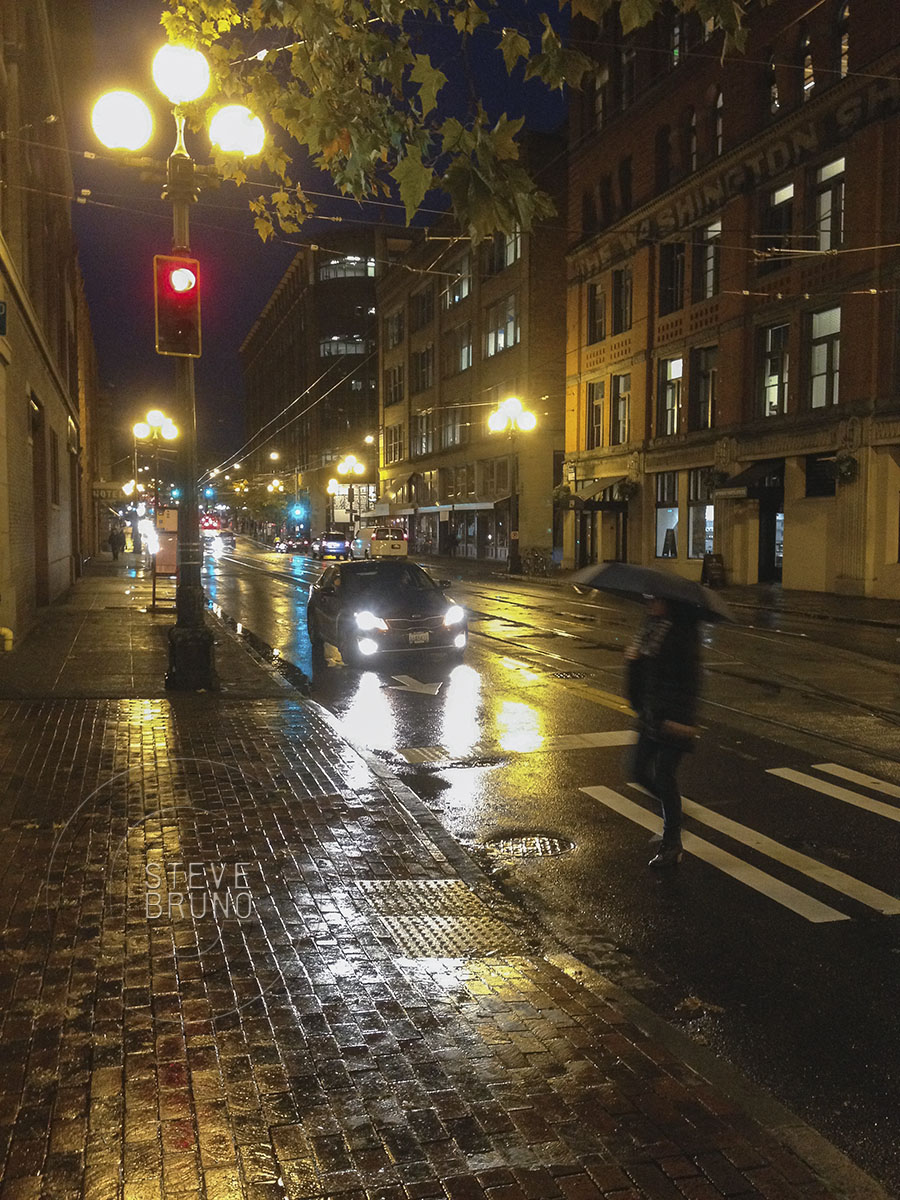
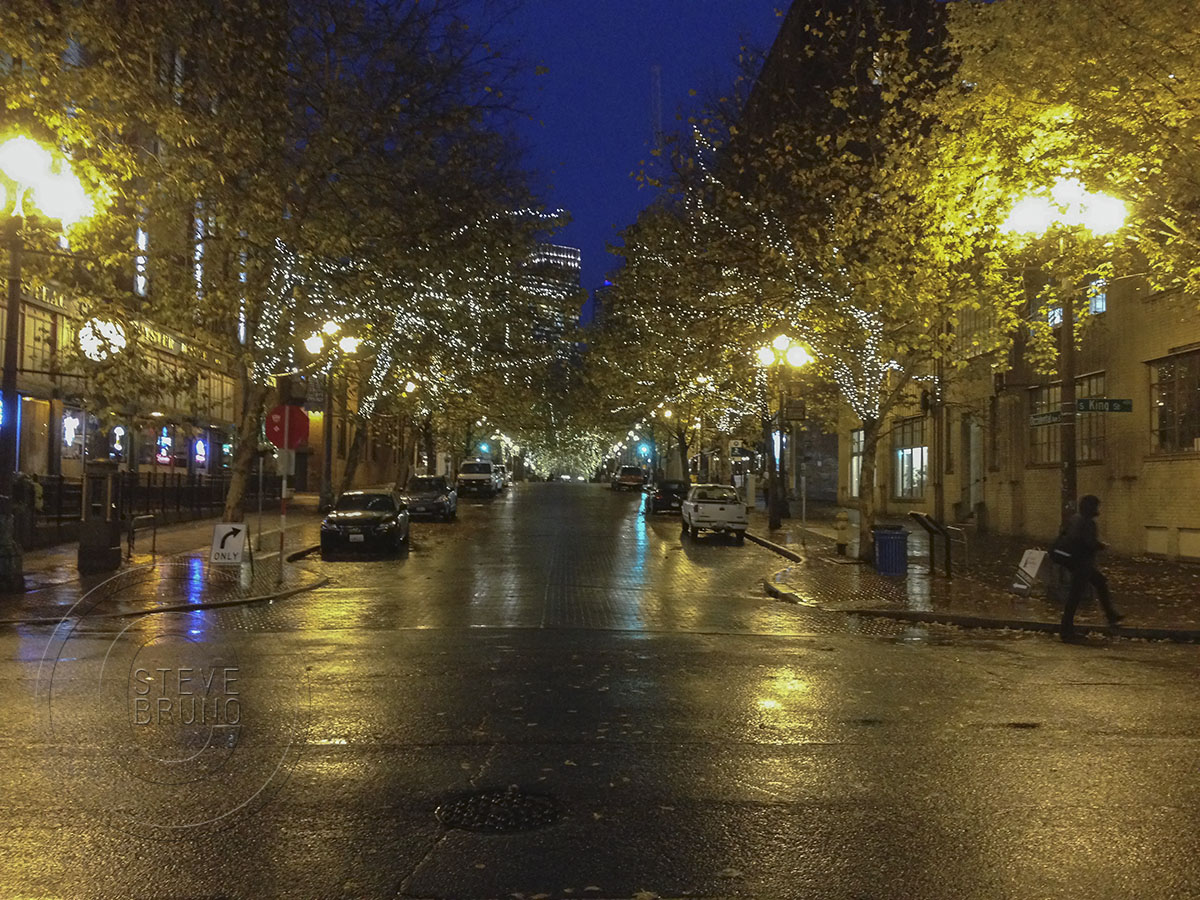
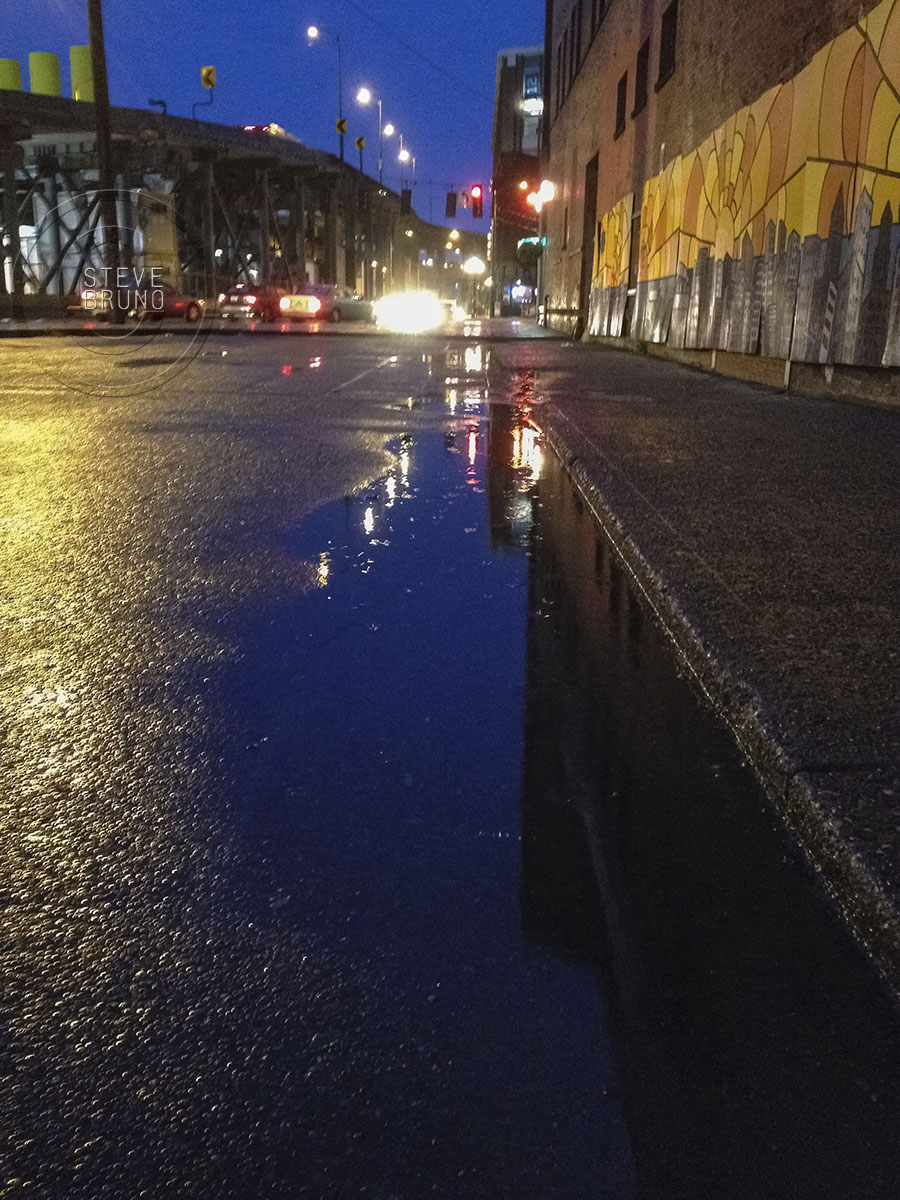
Most people think I’m crazy when I say I enjoy going to Seattle in November.  And that’s before I tell them I also enjoy walking around in this weather.  My attitude might be different if I spent months here, instead of just being a visitor.  I grew up in the Midwest, and remember long periods of dismal weather, and from that experience, I also remembered how to dress appropriately.

On this particular evening, I was walking around with just my phone in its Otterbox case.  The rain was coming down at a substantial clip, even for Seattle.  It rains much harder in the desert, but that’s usually for about five minutes.  After I took the shot above, it occurred to me that I should head back to my hotel and grab my real camera.  By the time I did, the rain had reduced to the standard drizzle.  It never did rain again at night while I was here.

Window Seat III – Above The Clouds

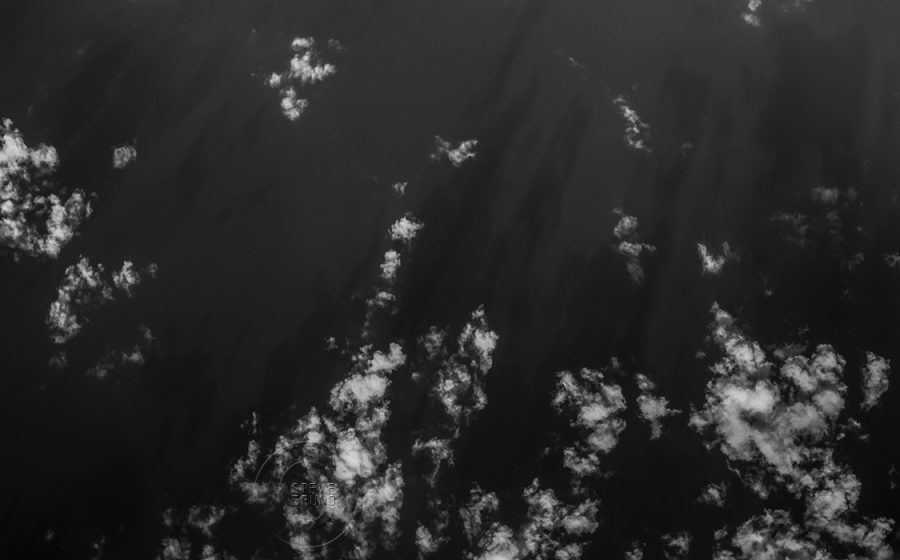
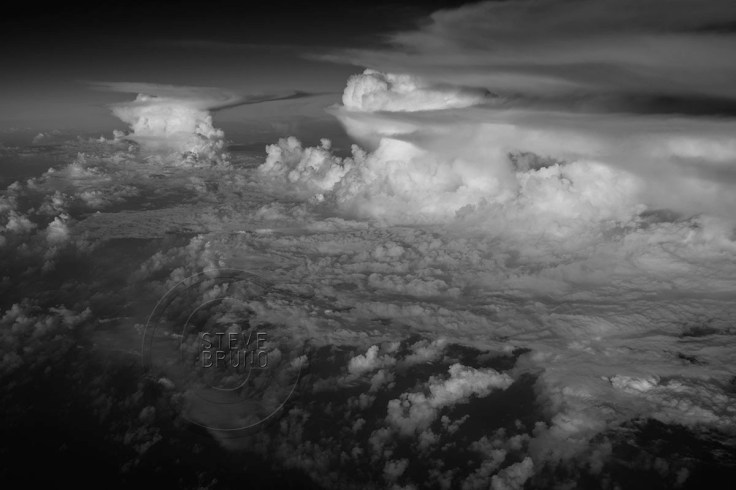
When I’m flying, I spend most of the time with my eyes peering out the window, fixated on the shapes of the landscape only available through an aerial perspective.  Every once in a while, it’s the clouds, not the land that captures my attention.

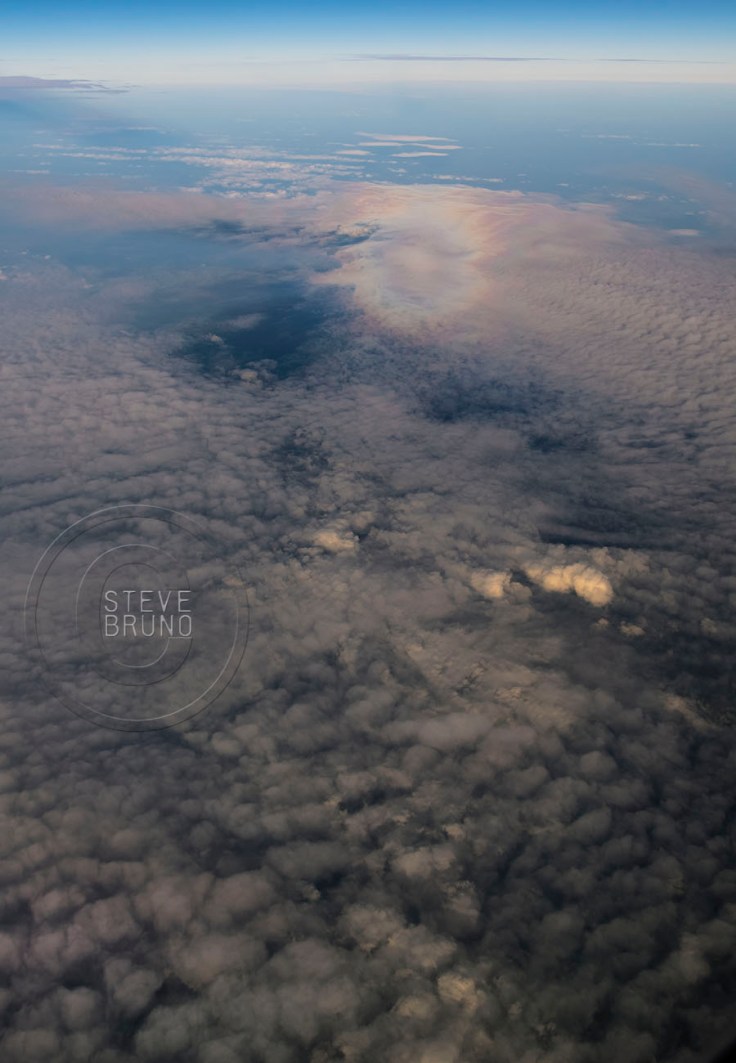
The photo above, was taken over the waters of the Gulf of Mexico.  In the absence of any features of the land, the shadows of the clouds stretched uninterrupted across the open water in the late afternoon.

Also in a late afternoon setting, the plane had turned perpendicular to the line of the sun, allowing for this lighting pattern on the top of the cloud layer. I’ve seen this effect on takeoffs and landings emerging through low clouds, but not from this height.

Clouds
Sunburst pattern on top of cloud layer. Photo by Steve Bruno.

Then there are the occasions when cloud layers become prominent, creating a depth as rich as any landscape.

Florida Clouds
Multiple layers of clouds off the coast of Florida. Photo by Steve Bruno.


It didn’t rain here

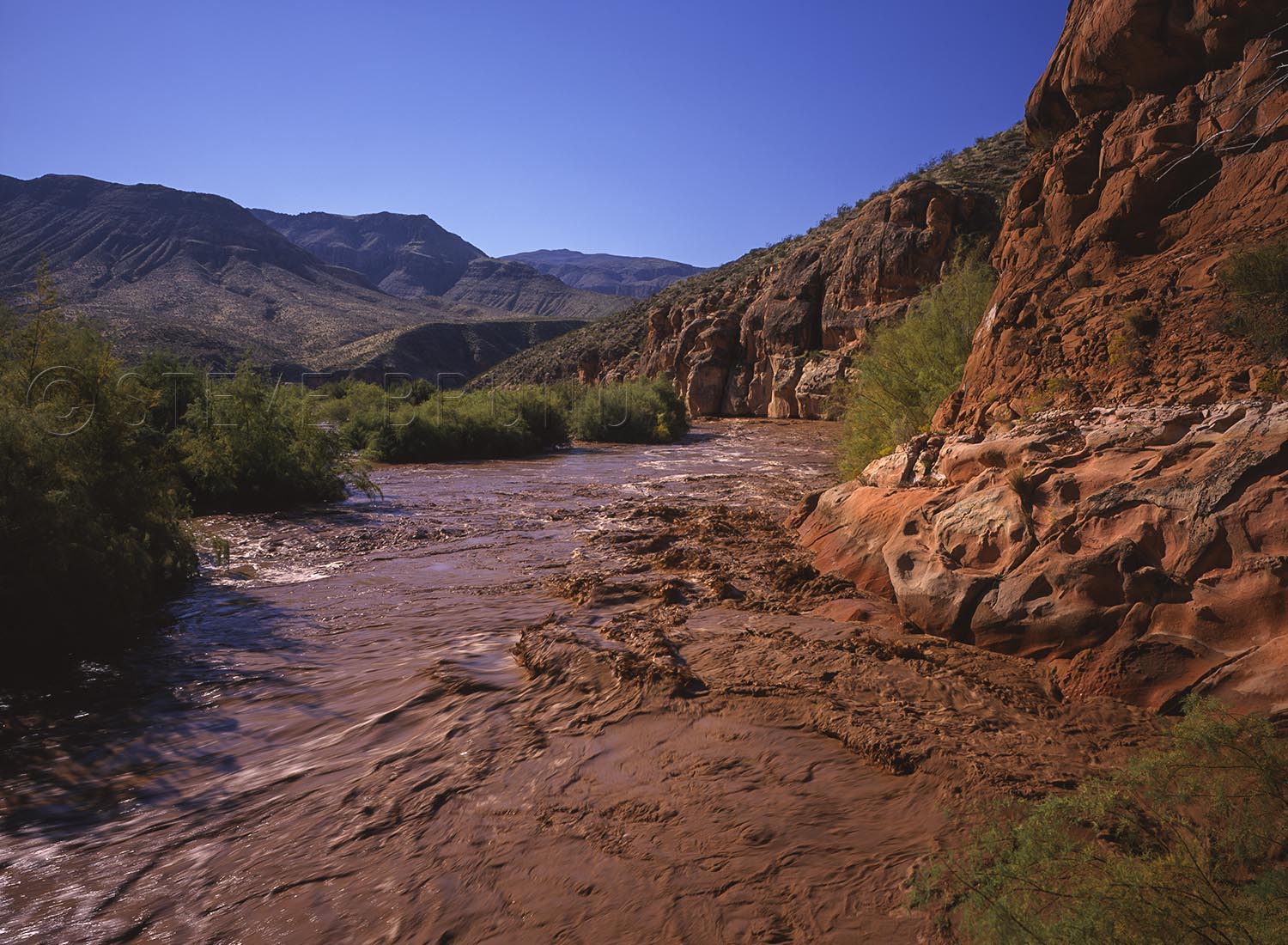
I repeat – it didn’t rain here.  Not a drop.Virgin River Flood-Steve Bruno

This is what we faced one morning a few years ago when we planned a trip into the Paiute Wilderness in northwestern Arizona.  During the majority of the year, the water of the Virgin River would be mostly clear and about ankle to calf deep here.  In the parts where the river channel narrows to the length of your average rental car, it is still only knee to thigh deep.  At this point, you can certainly feel the pull of the water, yet it is not dangerous.

Upon our arrival, we knew we had to scrap our plans.  One single thunderstorm had dumped upon the headwaters of the river, about thirty miles away, during the course of the night.  We could kick up dust here.

On Monday, hikers died in a narrow slot canyon in Zion National Park, Utah.  Rangers had given them a warning about potential flooding, but they can’t stop people from going unless flooding is imminent or occurring.  It is up to the discretion of the visitors to proceed, and once this has happened, there is no way to warn them of changing weather.  In canyon country, you have no way of knowing unless it’s directly above you.

On August 14, 1997, eleven hikers perished in a flood in Antelope Canyon.  A photographer friend of mine was there that day, and was one of several people pleading with the tourists not to proceed into the canyon.  The tourists had already discussed the conditions, and voted to continue, but they weren’t from around here.  Besides, it wasn’t raining there, either.

I get it.  People plan a trip and try to see as much as they can, and end up on a tight schedule.  A little rain shouldn’t interfere with that, right?

This is the desert, and a little rain goes a long way.  Literally.  Many, many miles sometimes.

To see an example of what not to do in a flood, watch this video on Youtube.  These are the stupidest people, and because they survived, the luckiest people you might ever come across.  I wanted to give them credit for making a wise decision when they seek higher ground in the earlier portion of the video, but then they resume when the rain seems to let up.  Tell me you’re not scratching your head by the end of this video thinking what are these people doing?

I’m certain this week’s news about hikers in a flood will not be the last of its kind.  I just know there’s no photograph in the world that justifies going into a narrow canyon when there’s rain nearby.  Other links to flash floods will show up when you watch this video.  I don’t want my last words to be “Should I keep filming this?”

WPC: Early Bird – Red Rock Canyon, Nevada

To this day, this remains the most spectacular sky I have ever seen in Las Vegas, and certainly a top five anywhere. Unlike most photos where we only get to see a snippet of what’s happening, this sky had a similar appearance as far as I could see.

When I’m on the road, it’s a given that I will get up early to try to get the best light for my subject. This was in my backyard, relatively speaking. I had watched the weather segment on the news the previous night, and the timing of an approaching front looked as though it might coincide with sunrise, so I set my alarm.  I drove out to nearby Red Rock Canyon, and well before the sun hit the horizon, I knew it was going to be incredible. The clouds were consistent, and not very low, so the color just came through in waves as the sun started to hit the horizon. It is the only time I’ve had friends call me later in the day to see if I was out there capturing the sunrise.  Apparently, it was like a red beacon coming into everybody’s home in Las Vegas.

In response to The Daily Post’s weekly photo challenge: “Early Bird.”

Seating for hundreds, but only one in the audience

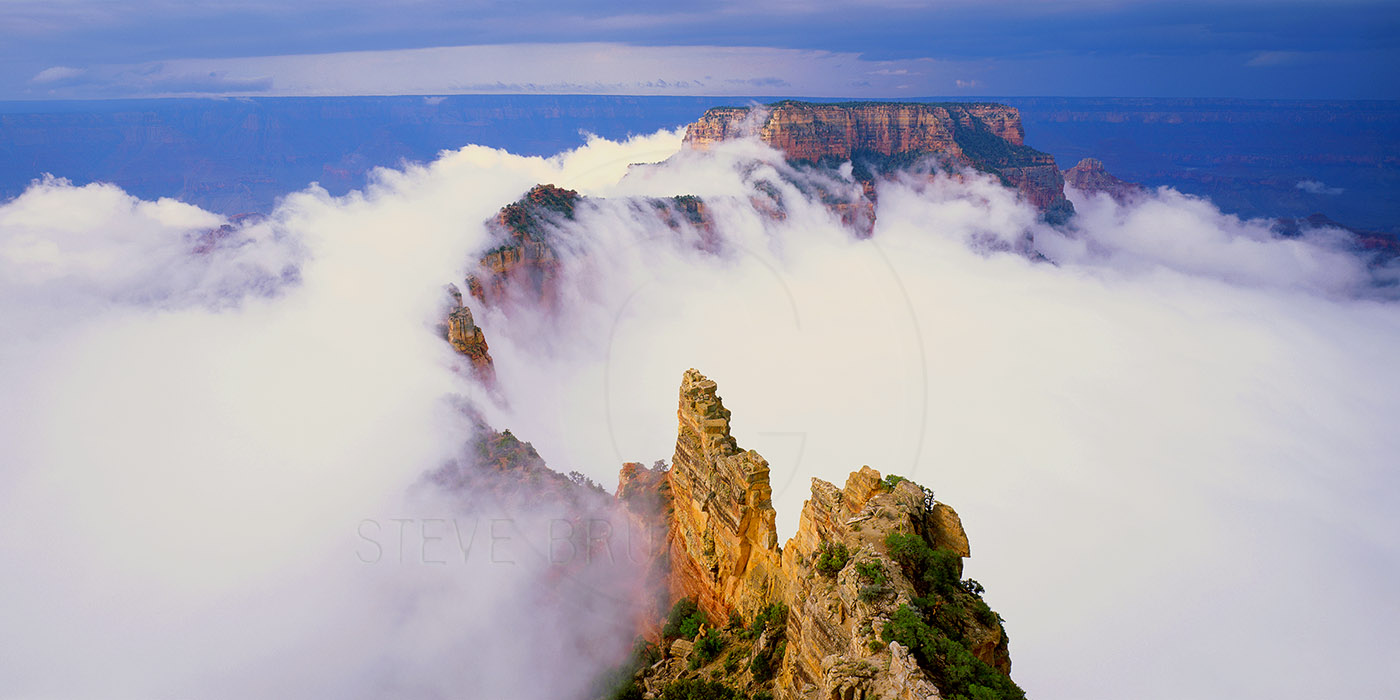
I had several photographs that I considered posting for the ‘ephemeral’ challenge, and this was one of the runner-ups. Besides, it has a story. I’ve spent many days at the Grand Canyon. Months, if you tallied them all up. This was the most spectacular morning I have ever seen there, and this image was my reward for waiting it out.

The Grand Canyon has inversions, about once every several years according to the National Park Service. On those occasions, the whole thing fills with fog and lasts a while and doesn’t offer much of a view into the canyon. This wasn’t one of those events, but in a single still frame it may appear that way.

This morning started like any other. I got up at dark o’clock, crawled out of the sleeping bag, put on appropriate clothing and started my truck (my home on wheels at times). My sleep had been interrupted several times through the night by thunderstorms. Just when I thought they couldn’t get any worse, they did. I was camped in familiar territory in the National Forest outside the park boundary because it is a quiet spot – from people, anyway.

Cape Royal is the last stop on the North Rim Drive. It is only a couple miles away from the North Rim Village as the crow flies, but twenty-something miles for those of us in a vehicle. As I walked out to the point the sky had become less black, and I could see that there was potentially going to be a window in the clouds for the sun to make a grand entrance. The air was still wet, but it wasn’t raining. It was more like the wind was sucking away raindrops from the storms that were a couple miles away to the west, right about where the village and my campsite were. Meteorologists have a term for this, they call it ‘training’. One strong thunderstorm rolls through and sets up a favorable environment for others to follow. I think this one had four engines, because the caboose was nowhere in sight.

This was still the film era. There were no weather seals on my 4×5 camera, and those errant raindrops weren’t going away. As sunrise was getting near, I could see that the opening in the clouds was still there, but if the sun came through it was probably going to be muted. The overall look was still very gray and hazy. The thing that struck me as odd was the lack of people. The parking lot has room for over a hundred vehicles and I’ve seen it full, especially at sunset. Cape Royal is a great spot anytime because of its sweeping view and options for photographs.

Commence act one. The skies in my proximity were ugly, but the sun streamed across the Painted Desert with no obstructions. I was cringing. Raindrops were still drifting in from the west, and as long as that was happening, I couldn’t get a shot. As the sun hit them, they produced a full distinct double rainbow in a purple sky. It was absolutely insane looking! The spectacle lasted for at least five minutes before the color started to shift, and the spectrum became less intense. After another five minutes, the sun slid into the lip of the cloud cover and act two of the show began. All the cliffs below me were wet and glowing from the early morning sun. The colors were more intense than I had ever seen there. Rainwater pockets on all the mesa tops glistened like topaz crystals were strewn about, and I still wasn’t getting any shots. Neither was anybody else, because there still was nobody else.

Act two wrapped up and I wasn’t sure there was going to be an act three. It was back to being ugly gray with no more potential windows visible. But the air had dried out. Now? Really? I was so frustrated at the timing of it all. I knew I had witnessed a special morning there but had nothing to show for it. I headed back to my vehicle for some breakfast. Intermission, as I like to call it. Nothing to do but wait out the morning, and the vantage point from Cape Royal was the perfect place to catch any indication of a change in the light. The smell of rain-soaked sage and pine filled the air, I still had the place to myself, and the peacefulness of it all was refreshing.

Breakfast was over, and the sun started to win its battle against the clouds, making it brighter and warmer. I grabbed my camera and headed back out to the point. Enter act three. All that moisture below needed to escape into the atmosphere, and that warm late-summer sun was hitting stride. Slowly, little patches of fog began to congregate below me. There didn’t appear to be any more threat of raindrops, so I had my camera on its tripod. Despite it being well past sunrise, the colors were getting better. I began capturing images as the collection of cloudlets was gaining strength. Finally, as one big mass, they begin to lift, and roll across the mesa immediately below me. I was using a panoramic roll film back and clicking as fast as that camera would allow. The entire process would have been a spectacular time-lapse film clip, but I was glad to be capturing images at last. Then, almost as quickly as it came together, it all broke back into fragments and was dissipating. I was packing my camera up as I heard an enthusiastic voice on the rocks above me. “Hey, come see this!” the first of the sleeping villagers beckoned to the others. I felt like yelling out, “Show’s over – you missed it!”
Blog at WordPress.com.

Up ↑