Search

Steve Bruno Photo

Category

nature

Cee’s Fun Foto Challenge: Three

In response to Cee’s Fun Foto Challenge-Three or the number 3

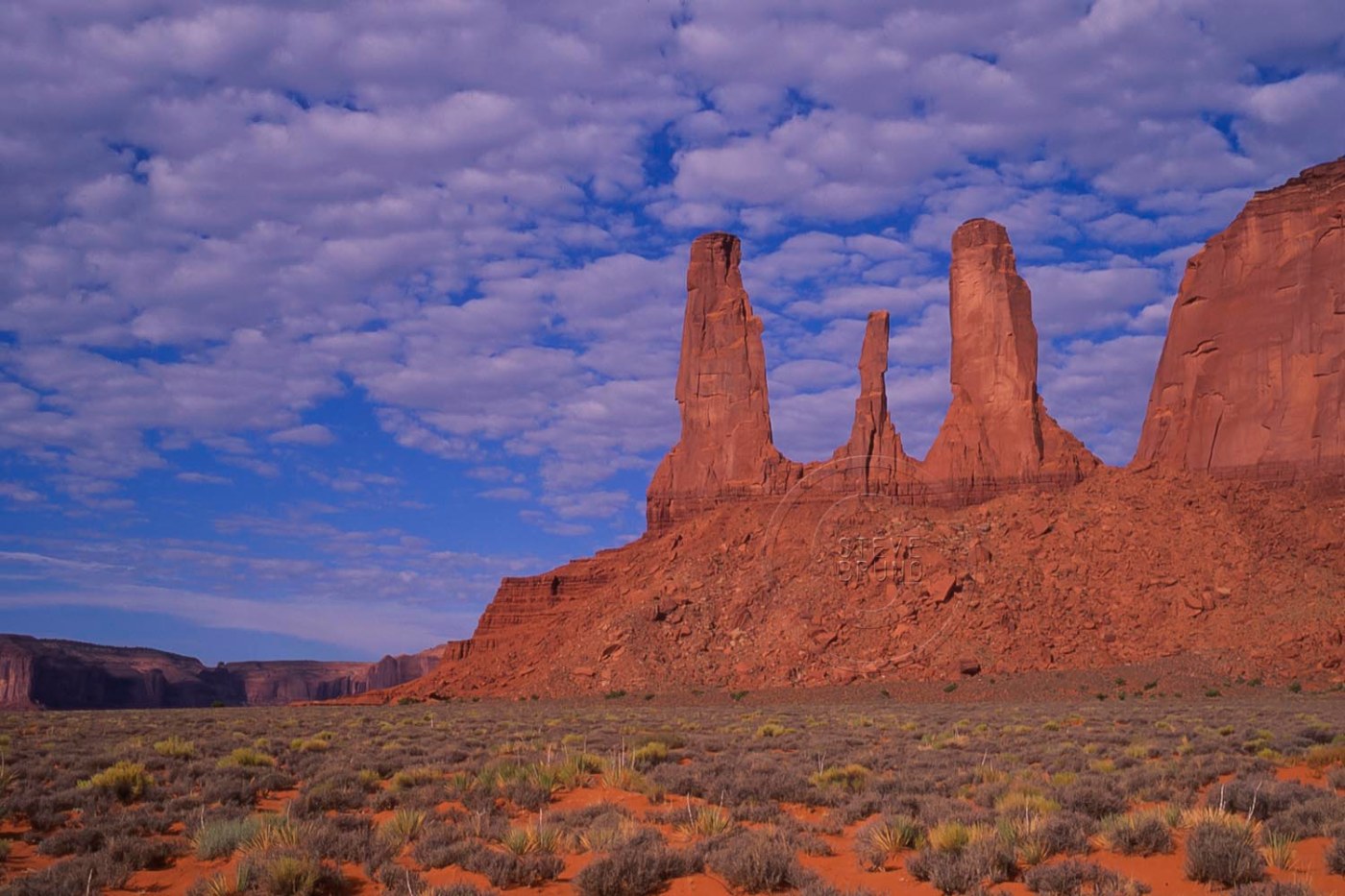
I have a trio of images for this challenge.  The featured photo is called the Three Sisters, which are three detached pinnacles at the end of a mesa in Monument Valley, Arizona.

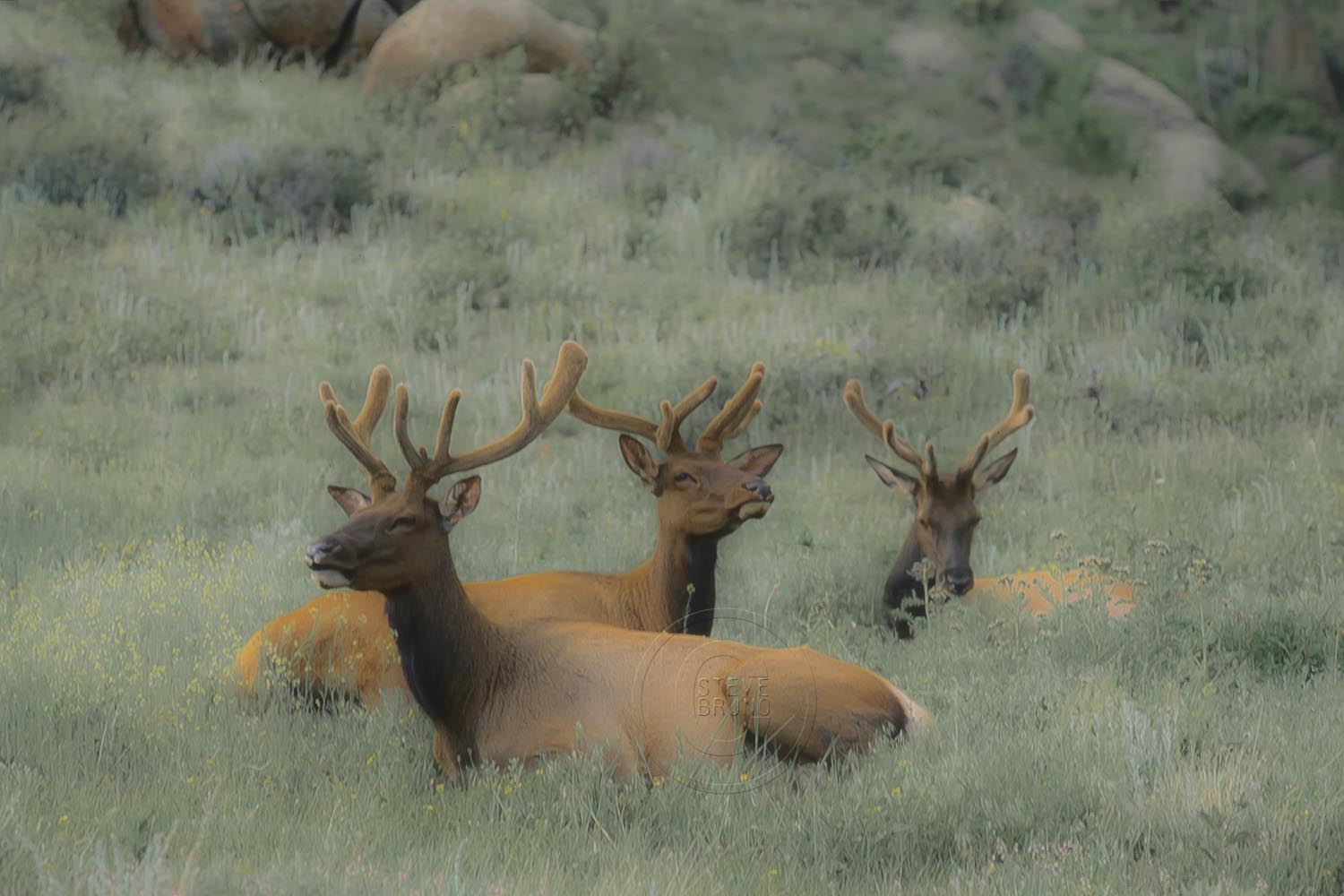
The next shot is of three elk resting in a meadow near the Lumpy Ridge Trailhead in Rocky Mountain National Park, Colorado.  I did manipulate this one a bit in Photoshop to emphasize the elk.

Three Elk-Rocky Mountain Park-Steve Bruno

For the third image, I take you to sunset on the Atlantic Ocean at Fort Lauderdale, Florida.  This would be called “Three Palms”.

Three Palms-Fort Lauderdale-Steve Bruno

Historical Photographs, Part II

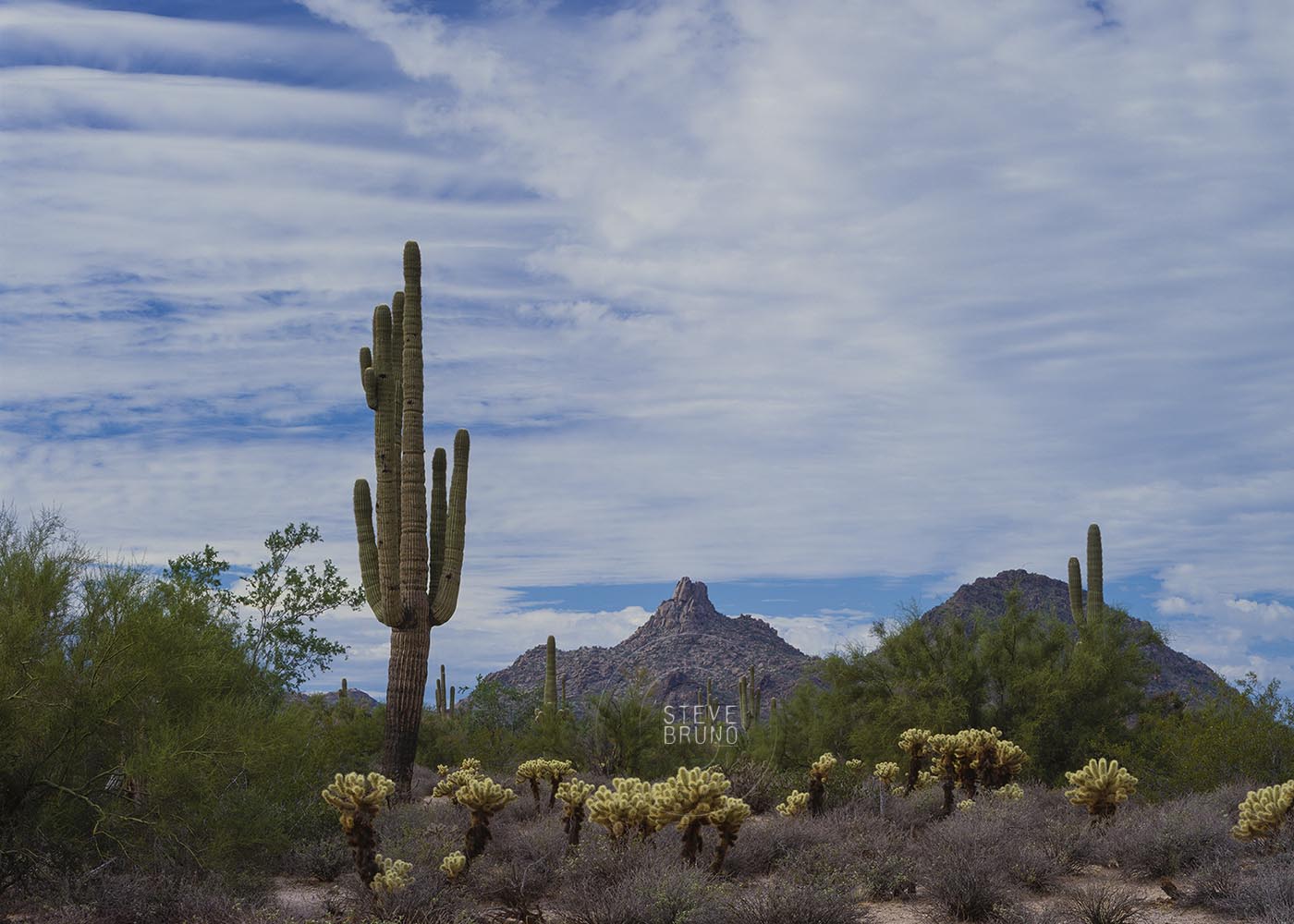
Pinnacle Peak-Steve Bruno

My photography teacher said repeatedly, “If you see something that sparks your interest, take the photos now.  It may not be there or look the same when you come back!”  He lived in the desert in Carefree, Arizona, and I knew he was referring to Pinnacle Peak (above) on more than one occasion.  At the time, developers were rearranging the map at an unprecedented pace on the perimeter of the metropolitan Phoenix area.  The location of this photograph is either someone’s backyard or a golf course now.

It’s not just development that alters our world.  Glacier covered lands don’t look the same as they did a decade ago.  Weather can wreak havoc in a matter of minutes.  Unforeseen disasters can happen at any moment.  In today’s digital era, my teacher’s words don’t seem as relevant as they once were.  You will never again hear someone say, “Hmmm, I don’t want to take that one.  I’ve only got 8 shots left on this roll of film, and I don’t want to waste them.”   Perhaps his message should be updated to “Keep an extra memory card in your bag at all times for those moments when you come across something special” 🙂

WPC: Enveloped – in deep, narrow canyons

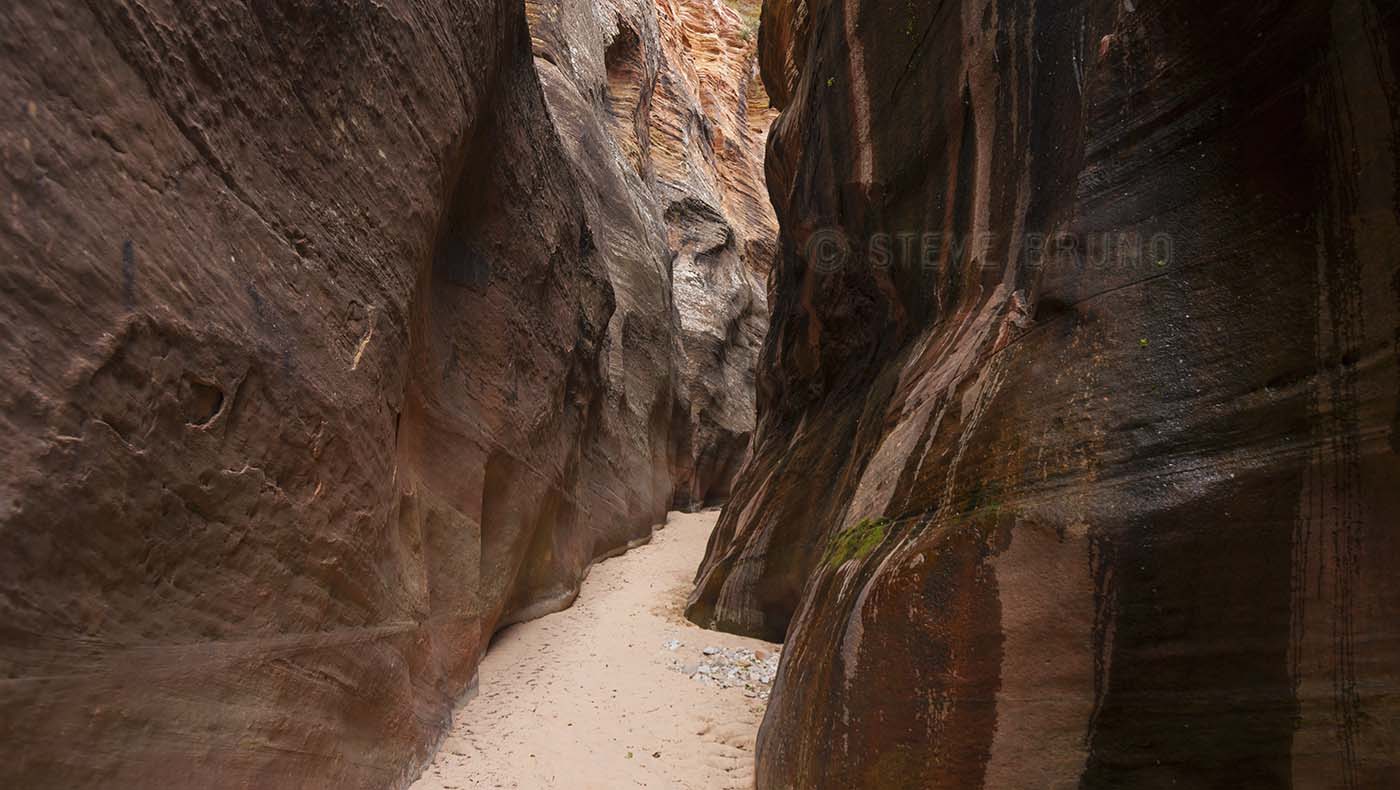
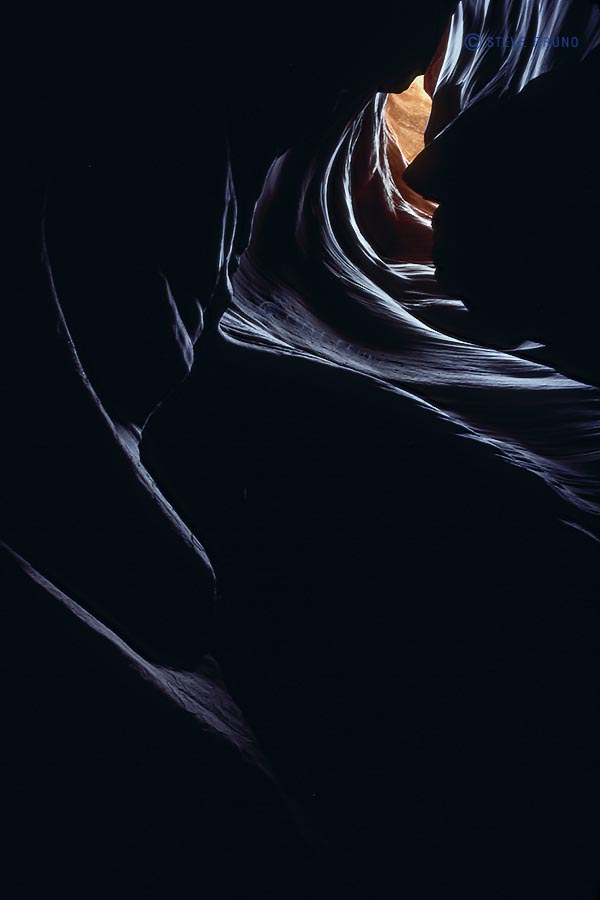
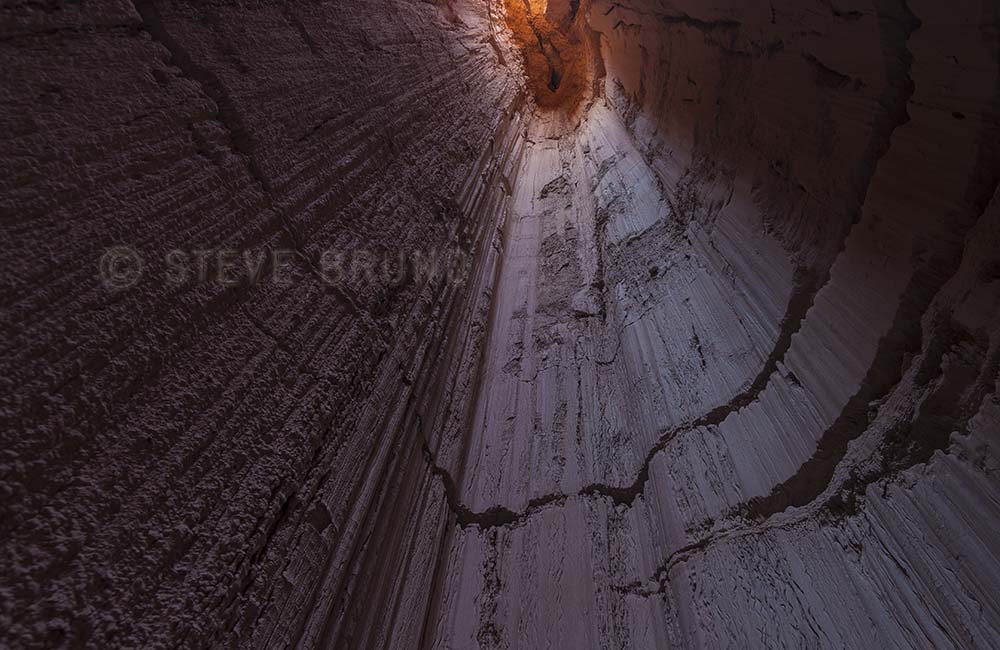
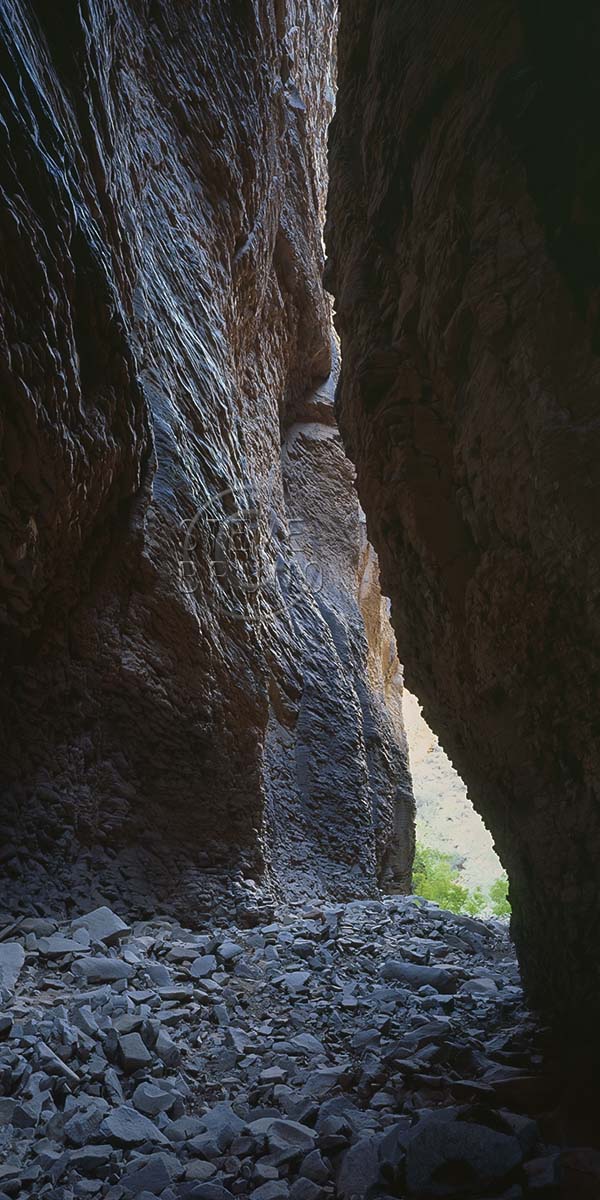
I’ve hiked many miles, and early on I discovered I preferred canyon hikes over those on a mountaintop or ridgeline.  It’s not just about having shade or water, but more of the adventure of coming around a corner and being amazed with something unexpected.  And while canyon exploring tops my list, some canyons are more memorable.  Those are the ones where the skies disappear and I might have to take off the pack and step sideways for a moment or two.  At that point, it’s hard not to feel enveloped in the land.  Sometimes it’s challenging to find an angle to photograph these spots, because there’s no moving around for a better angle, and looking up just yields a washed out image.  Whether it’s a slot canyon or just another thin slit in the earth’s crust, sunlight rarely penetrates to the bottom.  If it does, the contrast is too much, so the best light is often reflected sunlight.

Here are some of my favorite places to become enveloped:

Top:  small side canyon in Zion National Park, Utah

Second:  Antelope Canyon, near Page, Arizona

Third:  Cathedral Gorge State Park, Nevada

Fourth:  unnamed canyon in Navajo Indian Reservation, Arizona

Slot Canyon-Steve Bruno

Cathedral Gorge-Steve Bruno

Deep Canyon-Steve Bruno

In response to The Daily Post’s weekly photo challenge: “Enveloped.”

Sunday Stills, the next challenge: Pointy Things

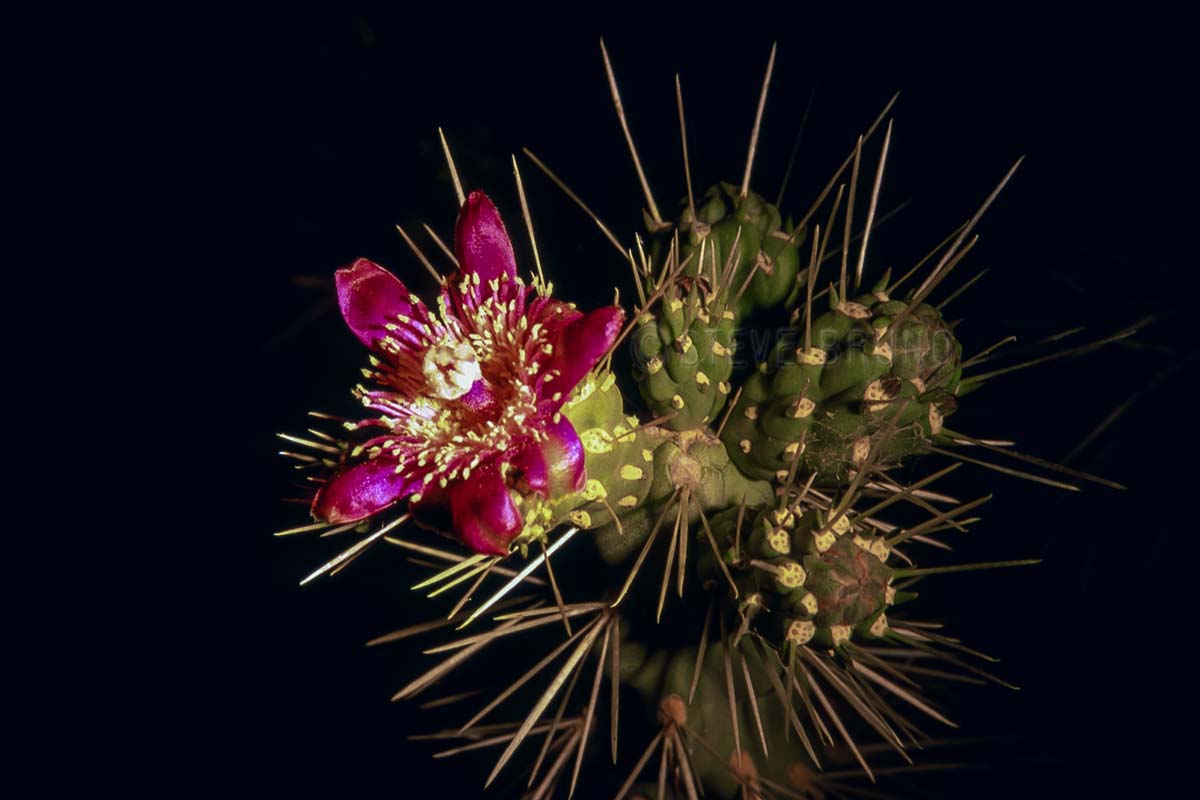
night cactus

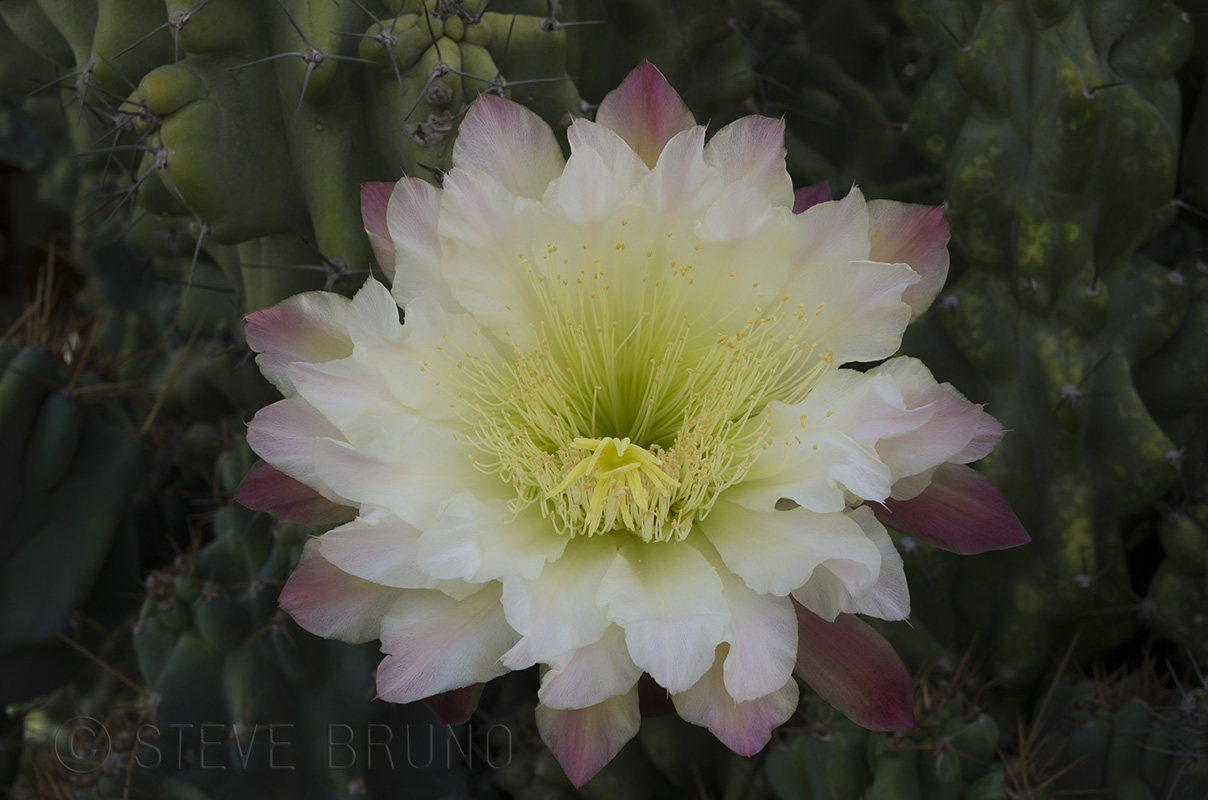
The desert is full of pointy things, so a good flashlight is essential when exploring at night.  Some desert plants bloom at night, such as this fruit chain cholla cactus, which is also called the jumping cholla.  While they don’t actually jump, they broken pods on the ground just need the slightest touch to attach themselves to you.  These broken chameleonlike pods, now dead and dehydrated, blend in effortlessly to the rocky ground.  Loose cactus pods don’t usually venture too far from the living plant, so avoiding them isn’t too challenging.  Rattlesnakes and scorpions like to come out at night, too.  Did I mention you want a good flashlight…..better yet, two?

Historical Photographs, part 1

First off, I would like to wish all the mothers out there a Happy Mother’s Day.

The photograph above was taken when I took my mother along with her mother on a several day excursion around northern Arizona and southern Utah.  My mom has joined me a couple times since, but it was the only time for my grandmother.  I kept the trip very ‘touristy’, and we all had an enjoyable time.  Thank you, mom – for everything you’ve done for me and wanting to see my world.

Now, about the title.  This photo was taken in July, 1983 when the waters of Lake Powell were at historically high levels.  Winter snows had been abundant, and the temperatures stayed cool well into spring.  Then, over a period of about a week, summer decided to move in.  Although the authorities knew how much snowpack was in the upper Colorado River Basin, they hadn’t anticipated it melting this quickly.  As they released water from the spillways of Glen Canyon Dam, they were losing ground to the inflow at the upper end of Lake Powell.

The spillways had never been worked extensively until 1983.  They were run before for testing purposes, but never at full capacity.  After a couple days, people noticed that the dam was vibrating.  Engineers below the dam had observed chunks of concrete with rebar being ejected with water from the spillways.  Water flows had to be cut back so as to not damage the spillways any further, and plywood sheets were attached to the top of the dam to potentially hold back the rising waters of Lake Powell.  The Bureau of Reclamation contends that the dam was never in danger during this period.  I’m not an expert, but I’m pretty sure a 710 foot high dam holding back trillions of gallons of water, which was now vibrating, was headed for disaster had they maintained the flows.  After the floodwaters receded, repairs were performed on the spillways which ended up going full throttle again the following year.

Needless to say, there is still a Lake Powell.  If the Sierra Club had their way, we wouldn’t.  The organization fought the initial construction of the dam, and has even made recent campaigns for its removal.  It was around 2000-2001 when I remember seeing billboards around Phoenix where the Sierra Club was asking to ‘restore’ Glen Canyon.  This falls under the category of ‘be careful what you wish for’.  In 2005, several years of drought had brought the lake levels down 150 feet.  Parts of the canyon that hadn’t been seen in over 30 years were now accessible.  Forecasts are still predicting long-term drought, and this is something we may see again.  For now, if you want to see what it was like pre-Glen Canyon Dam, check out the book “The Place No One Knew” with the photographs of Eliot Porter.

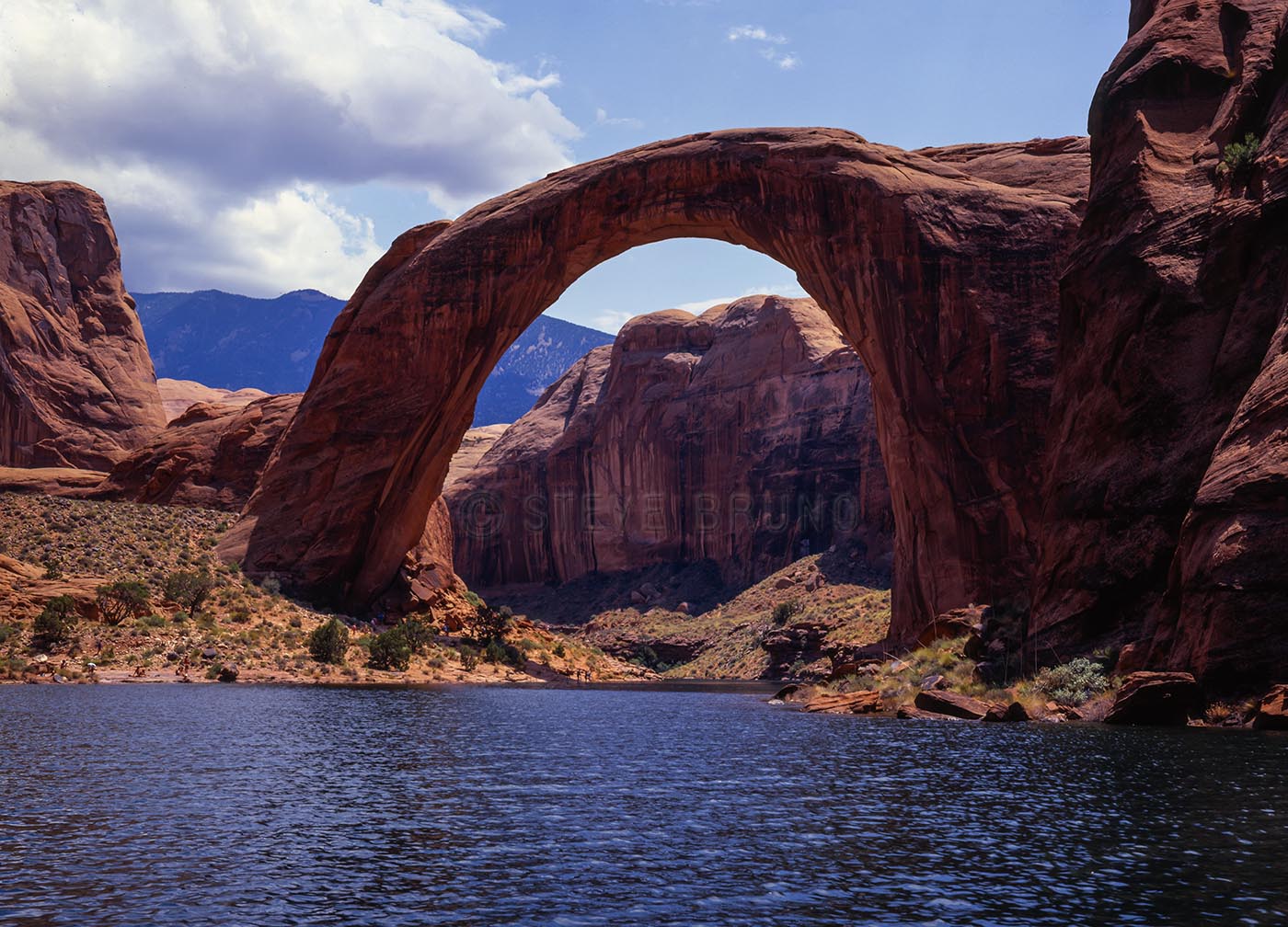
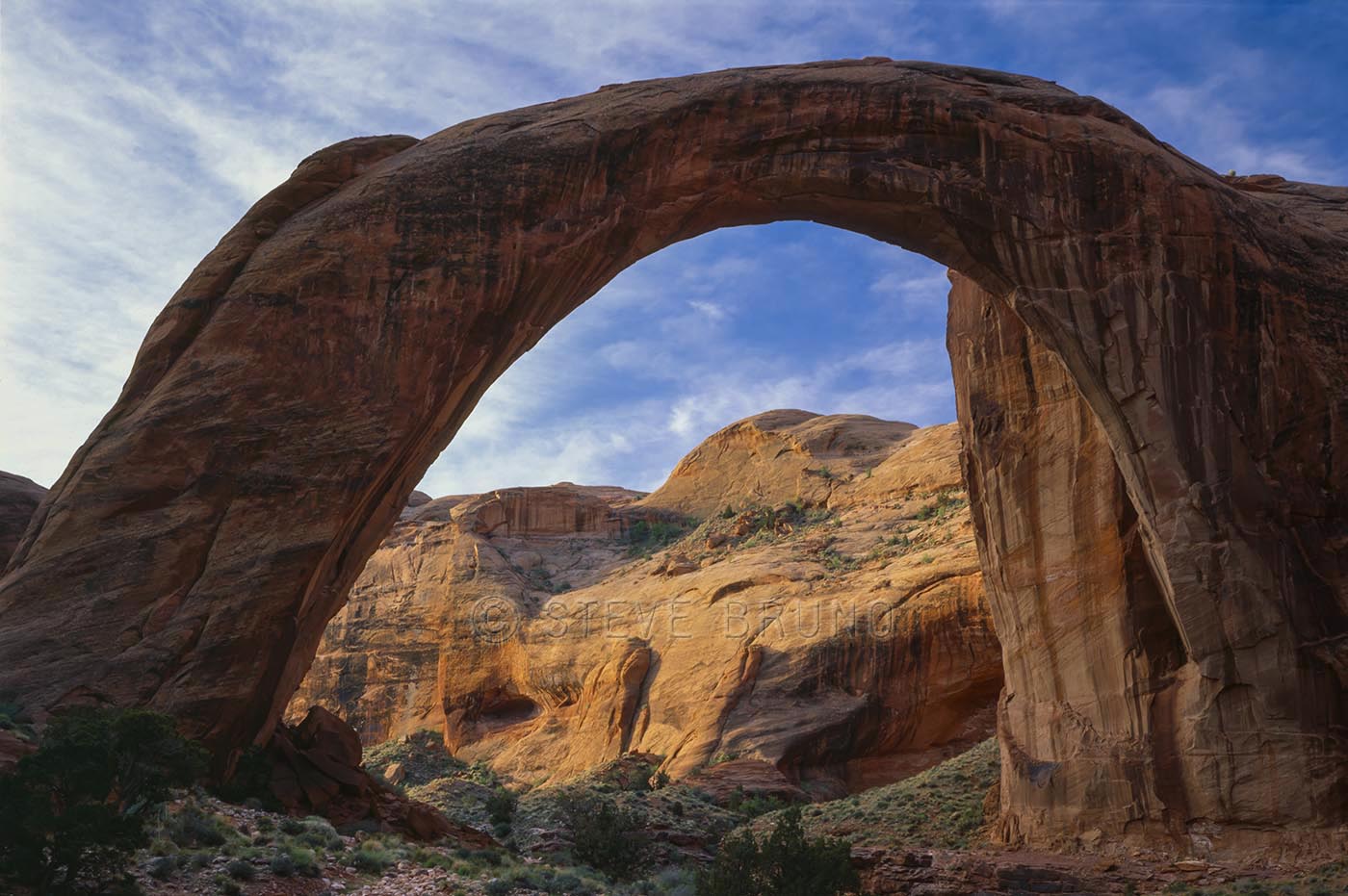
A little closer to present day we have the photograph below, taken in 1996.  I had no intentions of duplicating the above photo.  In hindsight, I wish I had taken one from near the same spot.  If I had turned the camera the other way, you wouldn’t see much water.  A small trickle and some pools in the creek bottom, and that was it.  This time I hiked in, on what is one of my favorite hikes in the southwest. That’s Rainbow Bridge spanning the horizon.

rainbow bridge 1996

WPC: Motion appears in a variety of subjects

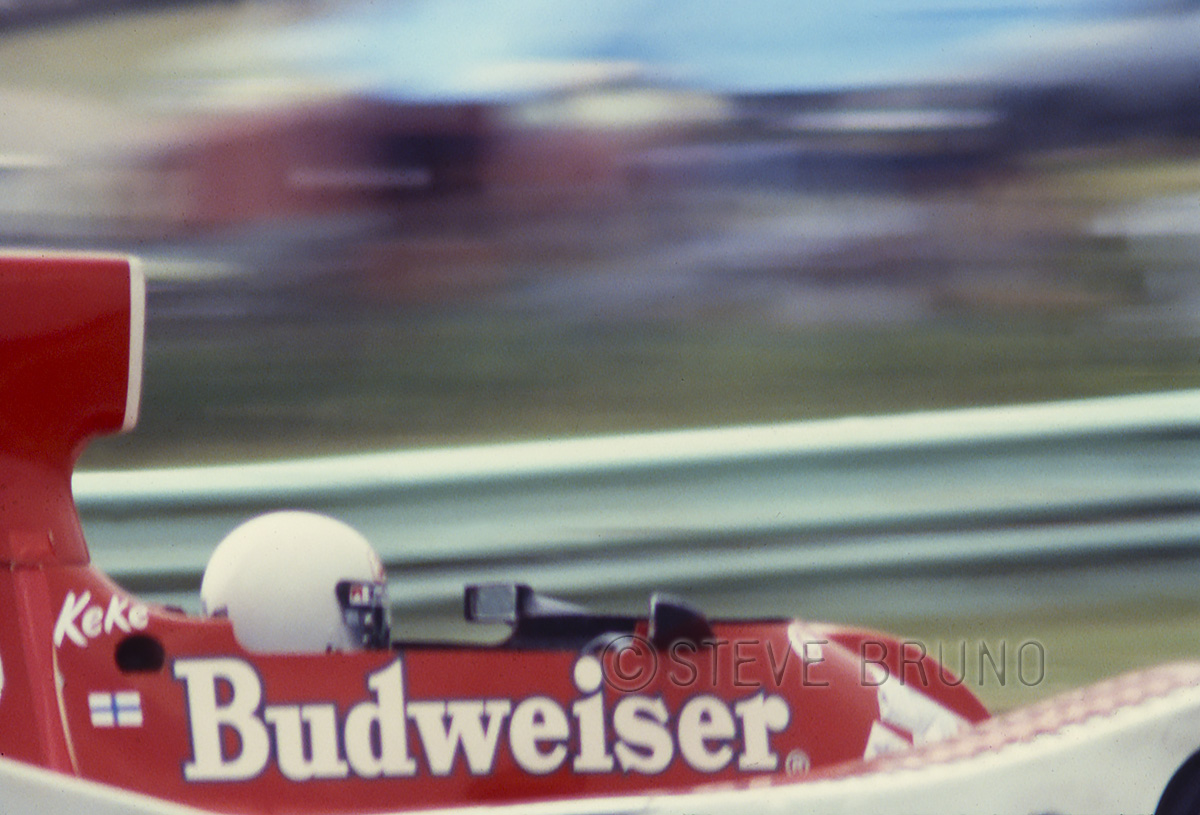
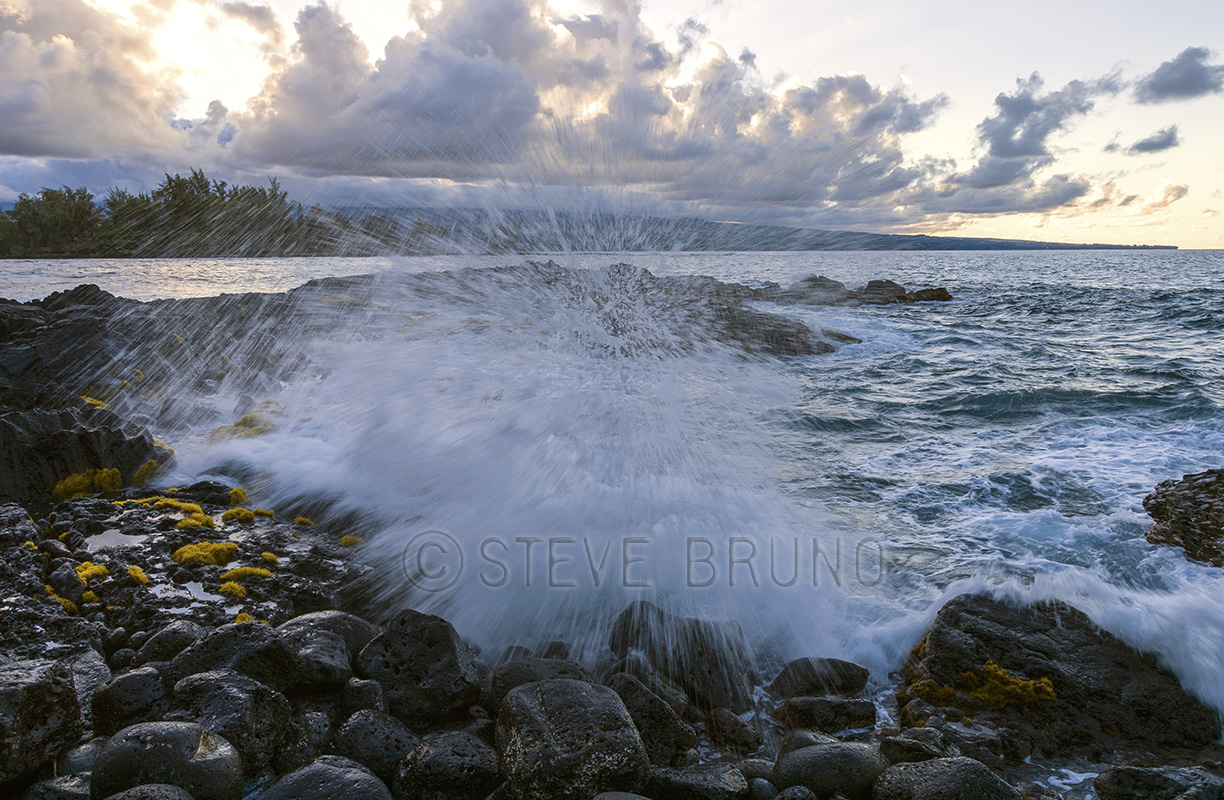
I went searching through the archives for this week’s challenge, because I didn’t think I was going to find motion in my landscape photographs.  I prefer those to be sharp and still, but I even found some surprises there.  I couldn’t really chose a favorite, but maybe you’ll have one.

Auto racing at Road America, Elkhart Lake, WI
Waves crash the shore near Hilo, HI
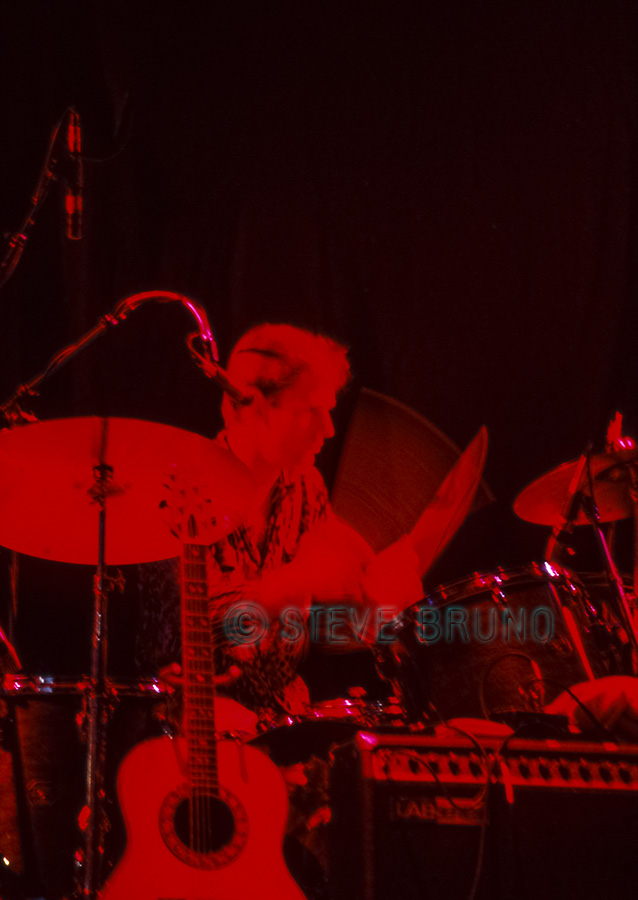
Drummer in action
Drummer in action
Stars above the forest of Mount Charleston
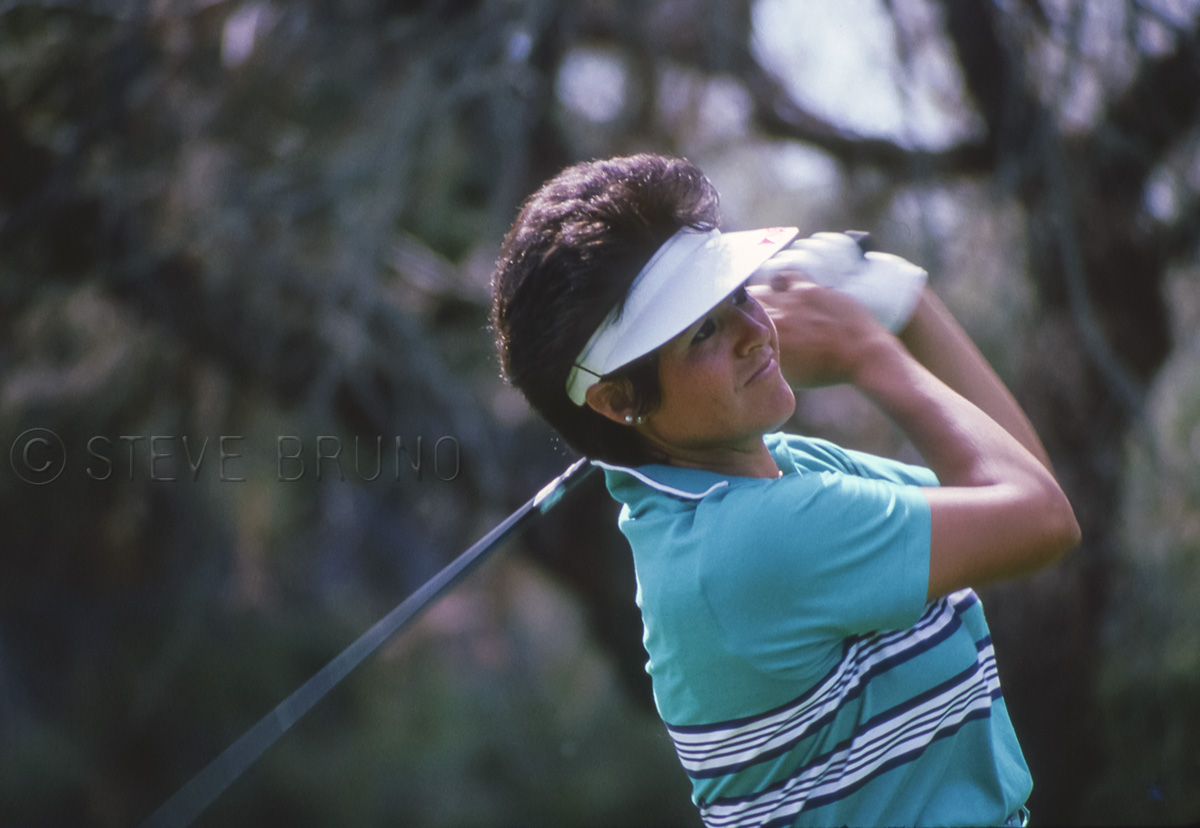
LPGA Hall-of-famer Nancy Lopez
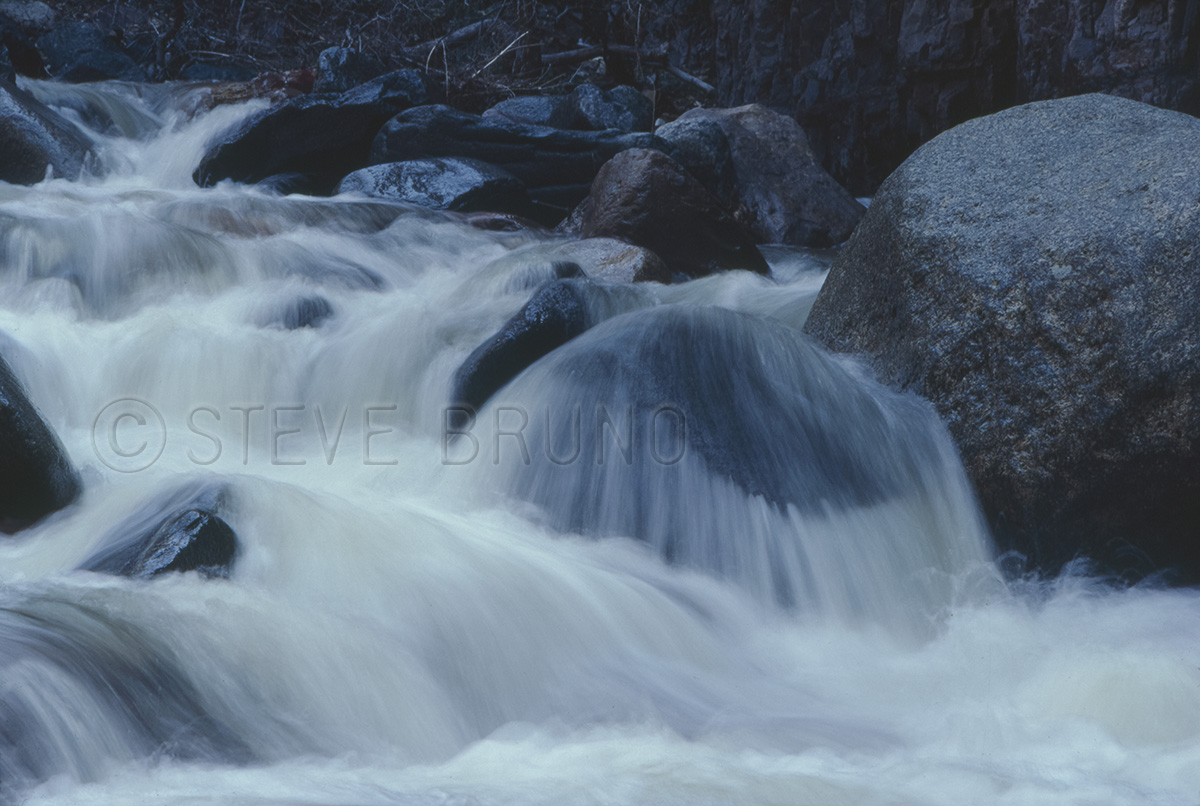
Parker Creek moves swiftly through it's canyon
Parker Creek moves swiftly through its canyon
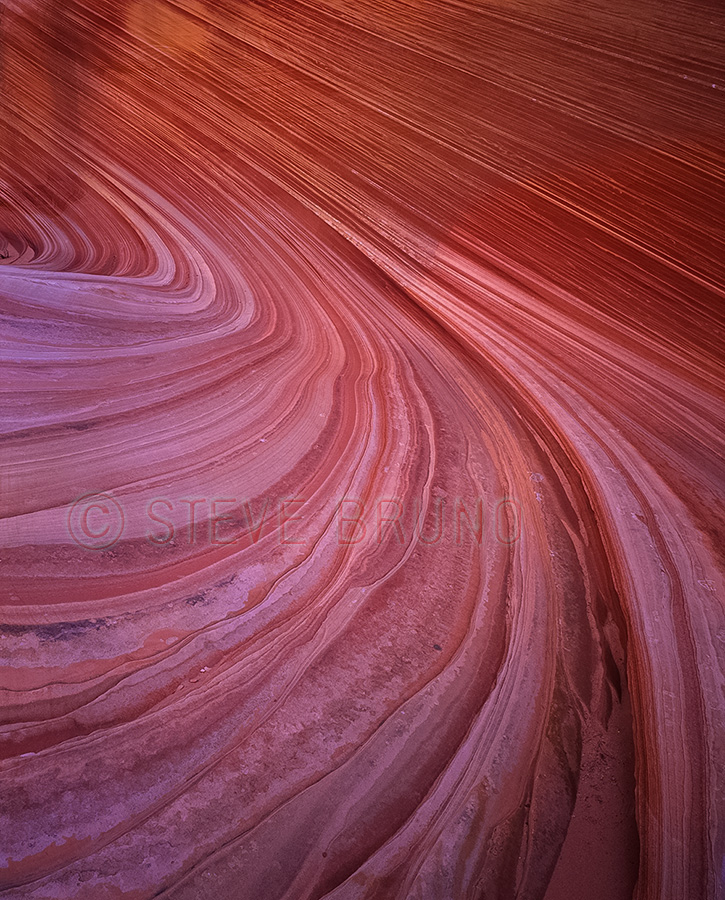
Could there be motion in a solid object?
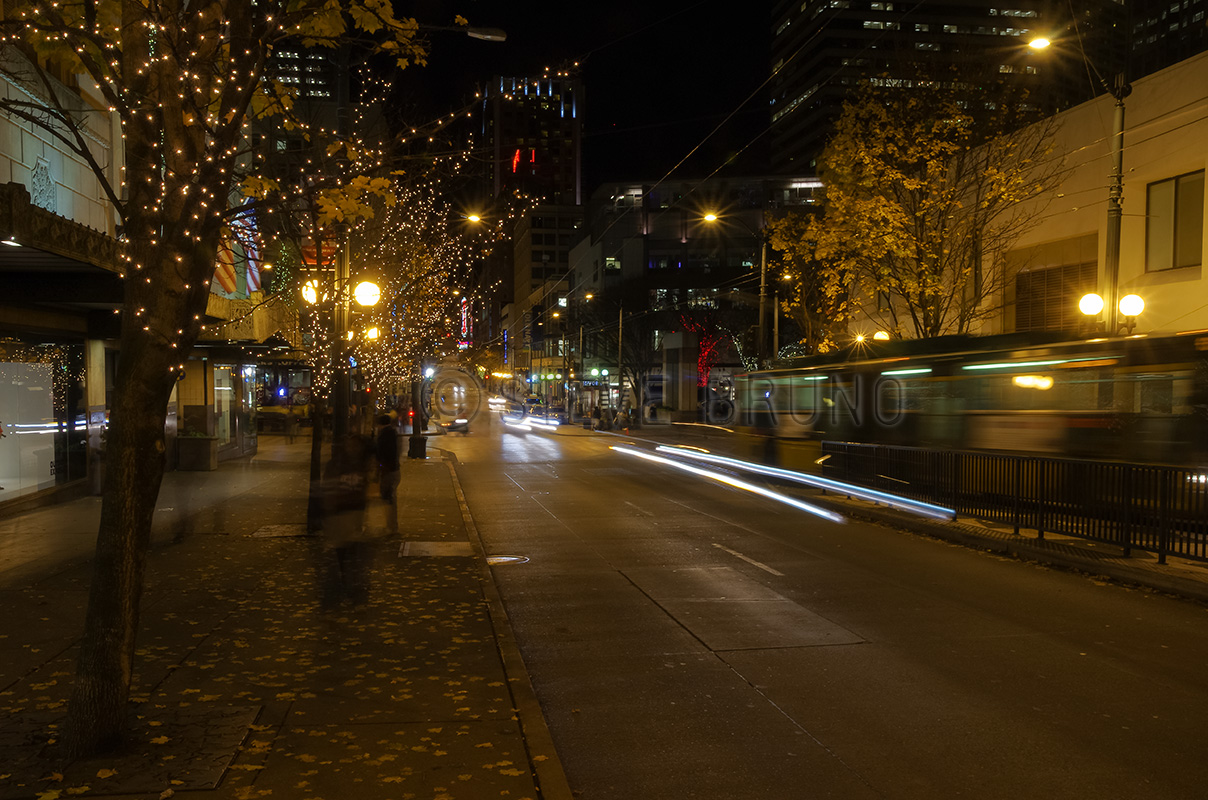
Nighttime on the streets of Seattle

In response to The Daily Post’s weekly photo challenge: “Motion.”

Earth Day 2015

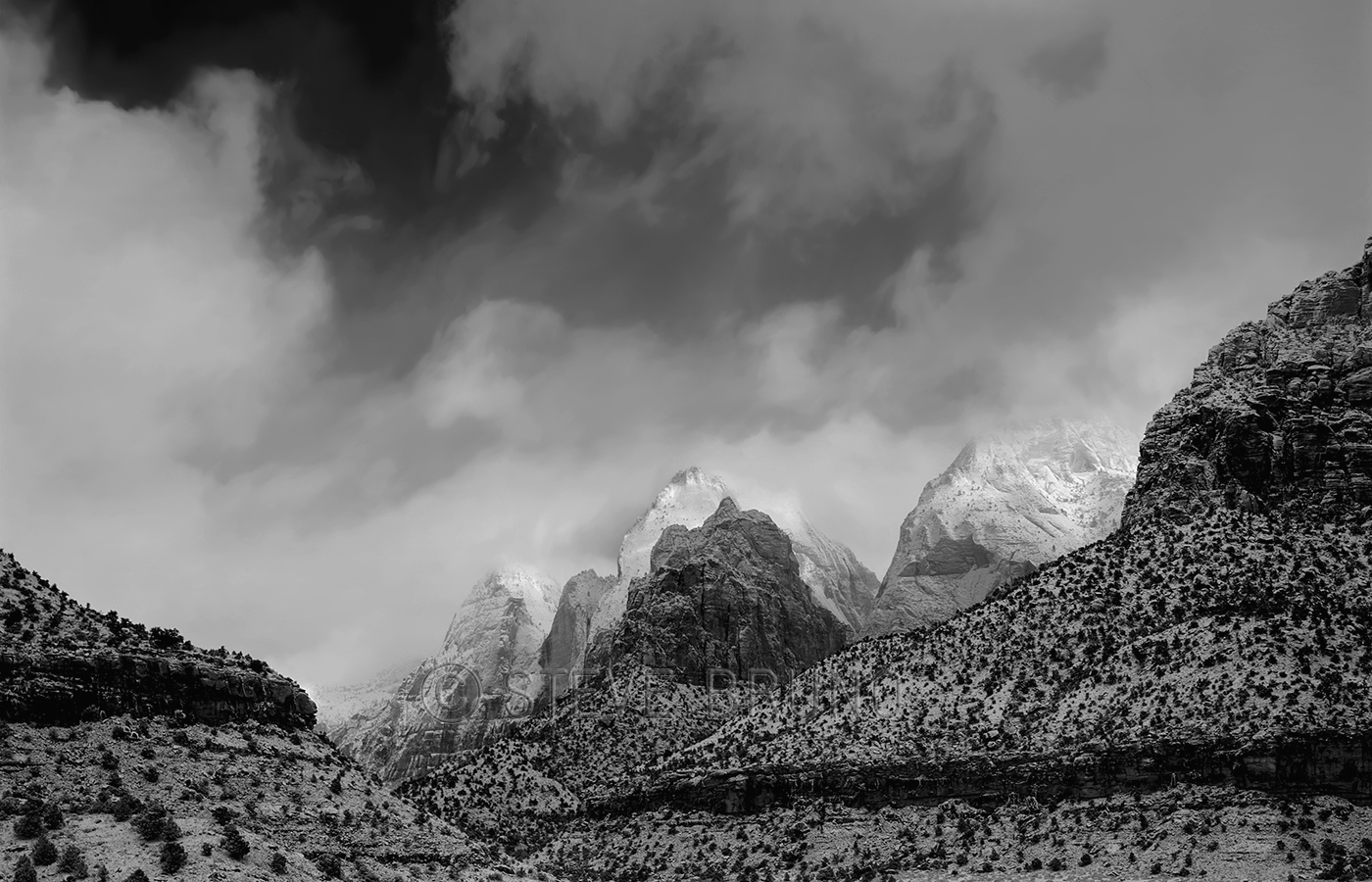
April 22nd is Earth Day, an idea originally started in 1970. It also marks the day that Ansel Adams passed away in 1984.  Adams was one of the greatest advocates for the environment and our role as stewards, so this post is a tribute to him.  The town of Kanab, Utah uses the slogan “Greatest Earth On Show”, which is hard to refute given its proximity to Zion, Bryce, and many other unique locations.  In keeping with Adams’ style my black and white photo comes from Zion National Park, Utah.

On the 45th anniversary of this day, I can’t help but think that we haven’t made very good progress as stewards of the earth.  Our rapidly growing population can only place more stress on resources that are already being pushed to their limits.  News stories abound about overfishing, forests being cleared or rapidly dying, greenhouse gas emissions, water shortages, etc.  I’m not sure if there is a more blatant example of our mismanagement of natural resources than China’s current water situation.  In their rush to industrialization, they have depleted thousands of rivers, and are now in an effort to channel water from the southern part of the country northward to the civilization centers.  Having lived in a desert for the better part of my life, the message has always been out there for water conservation.  I hope this crisis instills the same message to the Chinese.

It has taken many years for the problems facing us and our planet to build, and they won’t be going away overnight.  Perhaps a reminder like Earth Day will make us think about our daily decisions and any long-term ramifications.

Happy Earth Day!

WPC: Early Bird – Red Rock Canyon, Nevada

To this day, this remains the most spectacular sky I have ever seen in Las Vegas, and certainly a top five anywhere. Unlike most photos where we only get to see a snippet of what’s happening, this sky had a similar appearance as far as I could see.

When I’m on the road, it’s a given that I will get up early to try to get the best light for my subject. This was in my backyard, relatively speaking. I had watched the weather segment on the news the previous night, and the timing of an approaching front looked as though it might coincide with sunrise, so I set my alarm.  I drove out to nearby Red Rock Canyon, and well before the sun hit the horizon, I knew it was going to be incredible. The clouds were consistent, and not very low, so the color just came through in waves as the sun started to hit the horizon. It is the only time I’ve had friends call me later in the day to see if I was out there capturing the sunrise.  Apparently, it was like a red beacon coming into everybody’s home in Las Vegas.

In response to The Daily Post’s weekly photo challenge: “Early Bird.”

WPC: Afloat – Yosemite

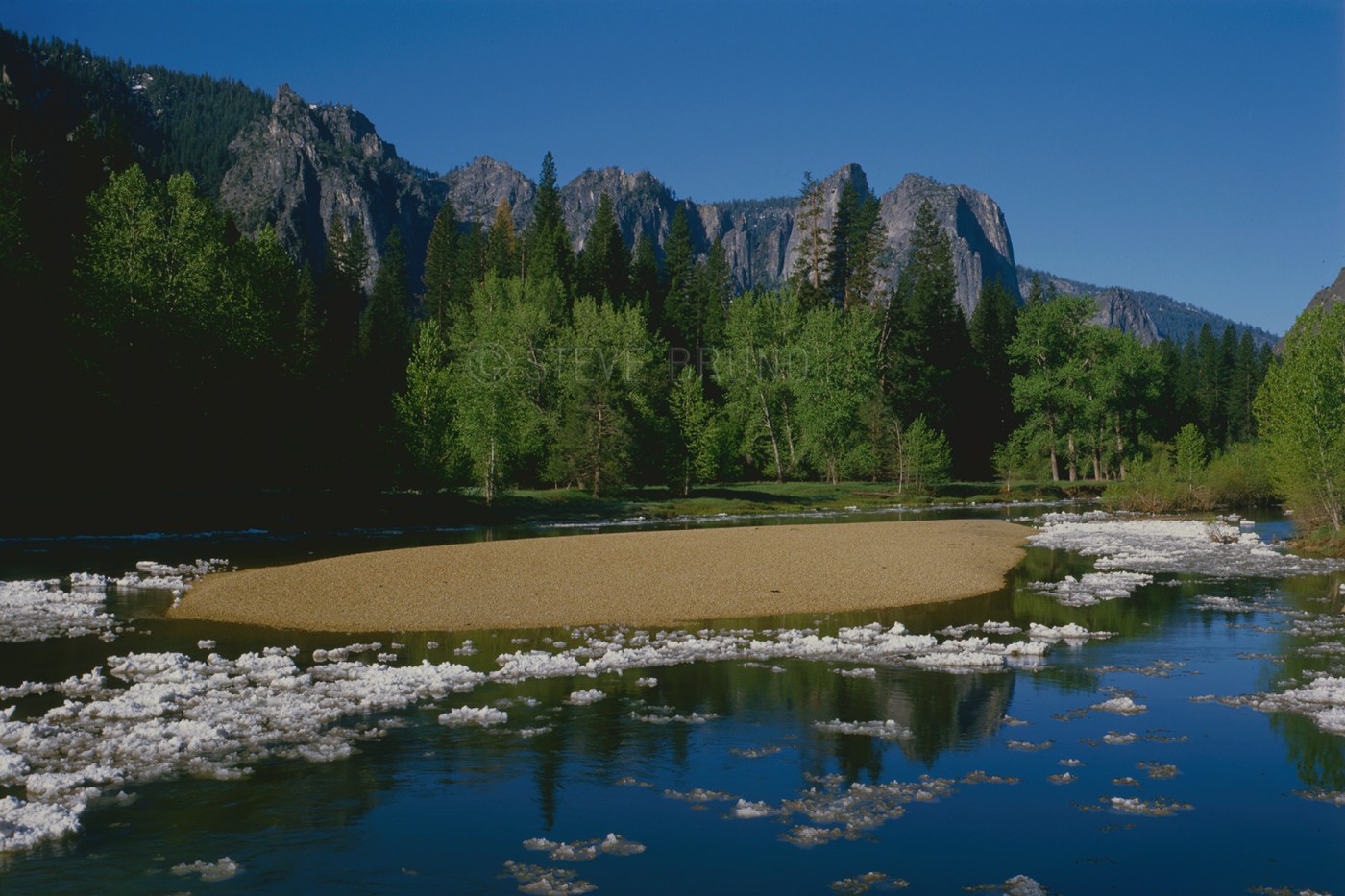
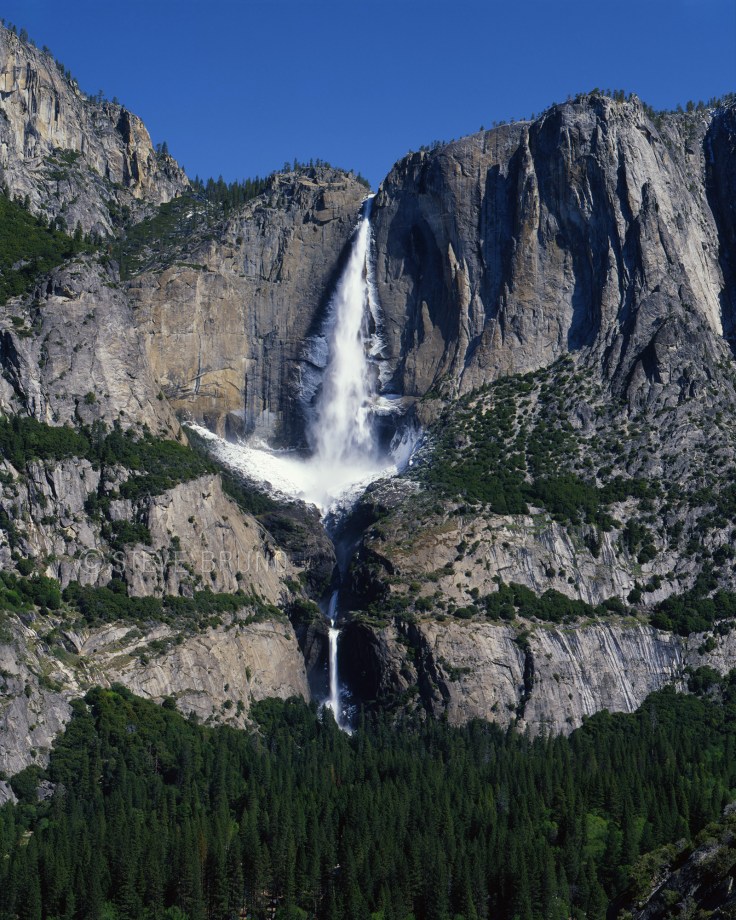
We were in Yosemite in springtime, when a cold front passed through. The next morning there were chunks of ice floating down the river that hadn’t been there the previous mornings. We traced it back to the source – Yosemite Falls. The spray from the falls had built up a layer of ice close to a foot thick during the night and was now melting. This probably happens on a regular basis there, but I have never seen photos of it.

In response to The Daily Post’s weekly photo challenge: Afloat

The source for all the ice:

Yosemite Falls in spring, Yosemite National Park, California

Sunday Stills, the next challenge: yellow or wildflowers

I was down in Arizona this week, and while the early flowers have succumbed to the heat, the cactus are now beginning to show. And, as it turns out, there’s a little bit of yellow in this one.

Seating for hundreds, but only one in the audience

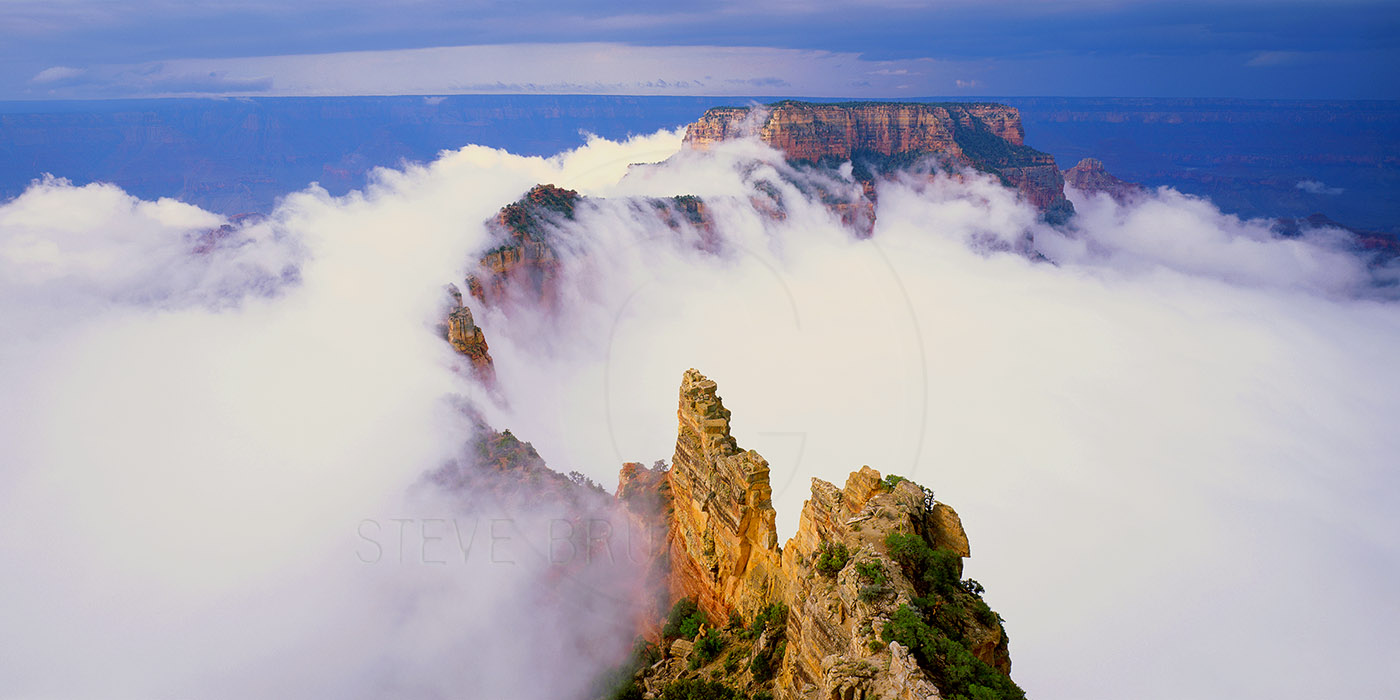
I had several photographs that I considered posting for the ‘ephemeral’ challenge, and this was one of the runner-ups. Besides, it has a story. I’ve spent many days at the Grand Canyon. Months, if you tallied them all up. This was the most spectacular morning I have ever seen there, and this image was my reward for waiting it out.

The Grand Canyon has inversions, about once every several years according to the National Park Service. On those occasions, the whole thing fills with fog and lasts a while and doesn’t offer much of a view into the canyon. This wasn’t one of those events, but in a single still frame it may appear that way.

This morning started like any other. I got up at dark o’clock, crawled out of the sleeping bag, put on appropriate clothing and started my truck (my home on wheels at times). My sleep had been interrupted several times through the night by thunderstorms. Just when I thought they couldn’t get any worse, they did. I was camped in familiar territory in the National Forest outside the park boundary because it is a quiet spot – from people, anyway.

Cape Royal is the last stop on the North Rim Drive. It is only a couple miles away from the North Rim Village as the crow flies, but twenty-something miles for those of us in a vehicle. As I walked out to the point the sky had become less black, and I could see that there was potentially going to be a window in the clouds for the sun to make a grand entrance. The air was still wet, but it wasn’t raining. It was more like the wind was sucking away raindrops from the storms that were a couple miles away to the west, right about where the village and my campsite were. Meteorologists have a term for this, they call it ‘training’. One strong thunderstorm rolls through and sets up a favorable environment for others to follow. I think this one had four engines, because the caboose was nowhere in sight.

This was still the film era. There were no weather seals on my 4×5 camera, and those errant raindrops weren’t going away. As sunrise was getting near, I could see that the opening in the clouds was still there, but if the sun came through it was probably going to be muted. The overall look was still very gray and hazy. The thing that struck me as odd was the lack of people. The parking lot has room for over a hundred vehicles and I’ve seen it full, especially at sunset. Cape Royal is a great spot anytime because of its sweeping view and options for photographs.

Commence act one. The skies in my proximity were ugly, but the sun streamed across the Painted Desert with no obstructions. I was cringing. Raindrops were still drifting in from the west, and as long as that was happening, I couldn’t get a shot. As the sun hit them, they produced a full distinct double rainbow in a purple sky. It was absolutely insane looking! The spectacle lasted for at least five minutes before the color started to shift, and the spectrum became less intense. After another five minutes, the sun slid into the lip of the cloud cover and act two of the show began. All the cliffs below me were wet and glowing from the early morning sun. The colors were more intense than I had ever seen there. Rainwater pockets on all the mesa tops glistened like topaz crystals were strewn about, and I still wasn’t getting any shots. Neither was anybody else, because there still was nobody else.

Act two wrapped up and I wasn’t sure there was going to be an act three. It was back to being ugly gray with no more potential windows visible. But the air had dried out. Now? Really? I was so frustrated at the timing of it all. I knew I had witnessed a special morning there but had nothing to show for it. I headed back to my vehicle for some breakfast. Intermission, as I like to call it. Nothing to do but wait out the morning, and the vantage point from Cape Royal was the perfect place to catch any indication of a change in the light. The smell of rain-soaked sage and pine filled the air, I still had the place to myself, and the peacefulness of it all was refreshing.

Breakfast was over, and the sun started to win its battle against the clouds, making it brighter and warmer. I grabbed my camera and headed back out to the point. Enter act three. All that moisture below needed to escape into the atmosphere, and that warm late-summer sun was hitting stride. Slowly, little patches of fog began to congregate below me. There didn’t appear to be any more threat of raindrops, so I had my camera on its tripod. Despite it being well past sunrise, the colors were getting better. I began capturing images as the collection of cloudlets was gaining strength. Finally, as one big mass, they begin to lift, and roll across the mesa immediately below me. I was using a panoramic roll film back and clicking as fast as that camera would allow. The entire process would have been a spectacular time-lapse film clip, but I was glad to be capturing images at last. Then, almost as quickly as it came together, it all broke back into fragments and was dissipating. I was packing my camera up as I heard an enthusiastic voice on the rocks above me. “Hey, come see this!” the first of the sleeping villagers beckoned to the others. I felt like yelling out, “Show’s over – you missed it!”

Location, location, location

During my travels, I would inevitably encounter other photographers once in a while. One such meeting took place in Yellowstone. This photographer had a small portfolio that she carried in her vehicle. As we came across one photo, I stopped and questioned “Ooh, where’s that spot?” I had seen pix of that location before and had been dying to figure out where it was. Hesitantly, she began her spiel about how she didn’t know me and that this was a sacred location, and the person that took her there was a longtime trusted friend. Blah, blah, blah.

Did she think I was going to trash the place? Take my photos then tag the place like a gang member? Or was it just plain insecurity that I might go there and get better photos than her? Our conversation didn’t continue much longer, but she hinted it was near Zion National Park and only inspired me to find that location regardless of whether I was going to get any help.

On a previous effort to get a photographer acquaintance to reveal this spot, I was given the line “That was a five day backpack to get there carrying 100 pounds of equipment.” I think I unwittingly did my best teenager ‘whatever’ impression, because he stopped just short of telling me he had to cut off his sherpas’ tongues so they wouldn’t speak of this sacred land.

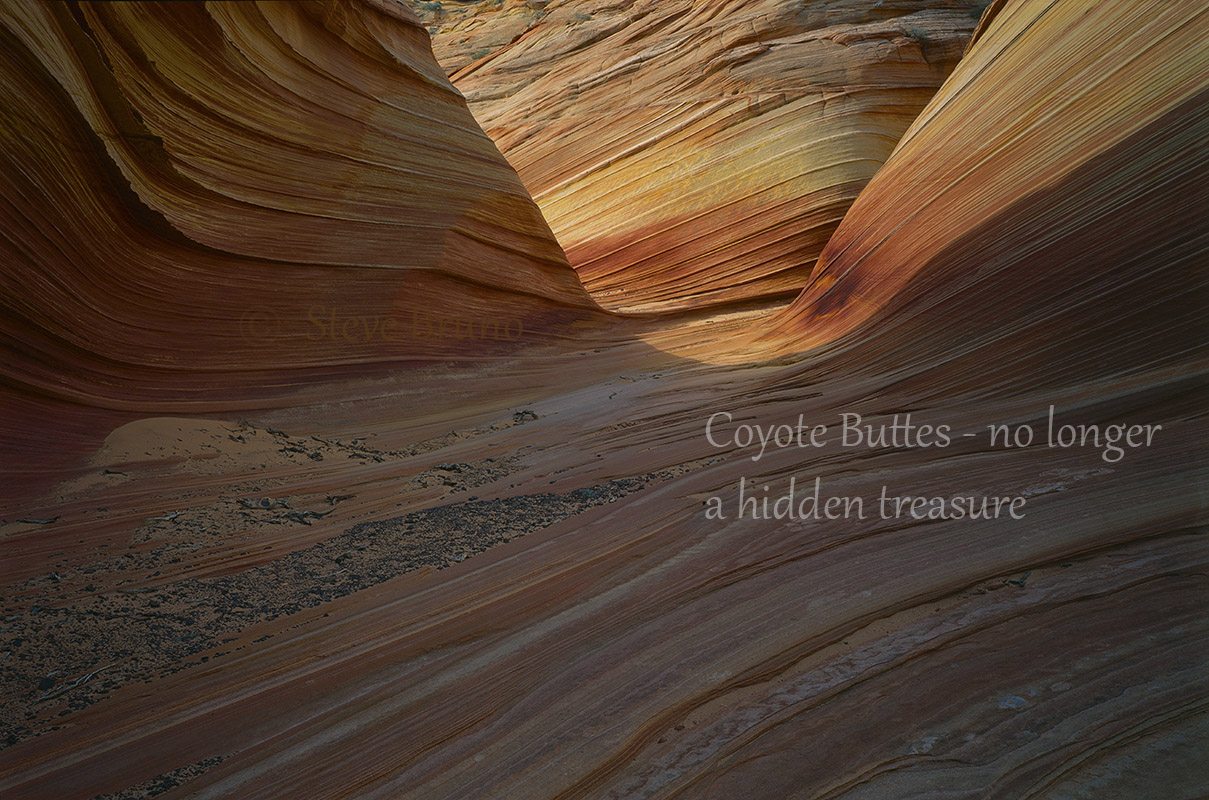
I did find the spot about a year later. You can get there and back in a day, not five. My first time there was a beautiful day for photographing and at one point Air Force One flew over. I’m pretty sure it was AF1 because I’ve never seen that many F-16’s escorting one airliner before (or since). This guarded location, in case you’re wondering, is known as Coyote Buttes. You now need a permit to gain access there because a video showing how to get to this location got posted to the internet once upon a time. These permits are available to those who can click at the precise seconds they become available each day for 6 months down the road. Or, you can go into the Kanab, UT BLM office and join many others in the lottery drawing for the next day’s permits. Videos of this are also available on Youtube!

In my initial meeting at Arizona Highways Magazine with then-photo editor Wes Holden, I had an image of what turned out to be Wes’ favorite spot to get away from it all. He admitted he loved the shot, but would be hesitant to run it because the place might get destroyed because of publicity. It was a waterfall, and waterfall locations are pretty rare in Arizona, so I could see his point. A couple years later I submitted the photo for a stock call and gave the place a very generic location in the title, which is exactly how it appeared in the magazine.

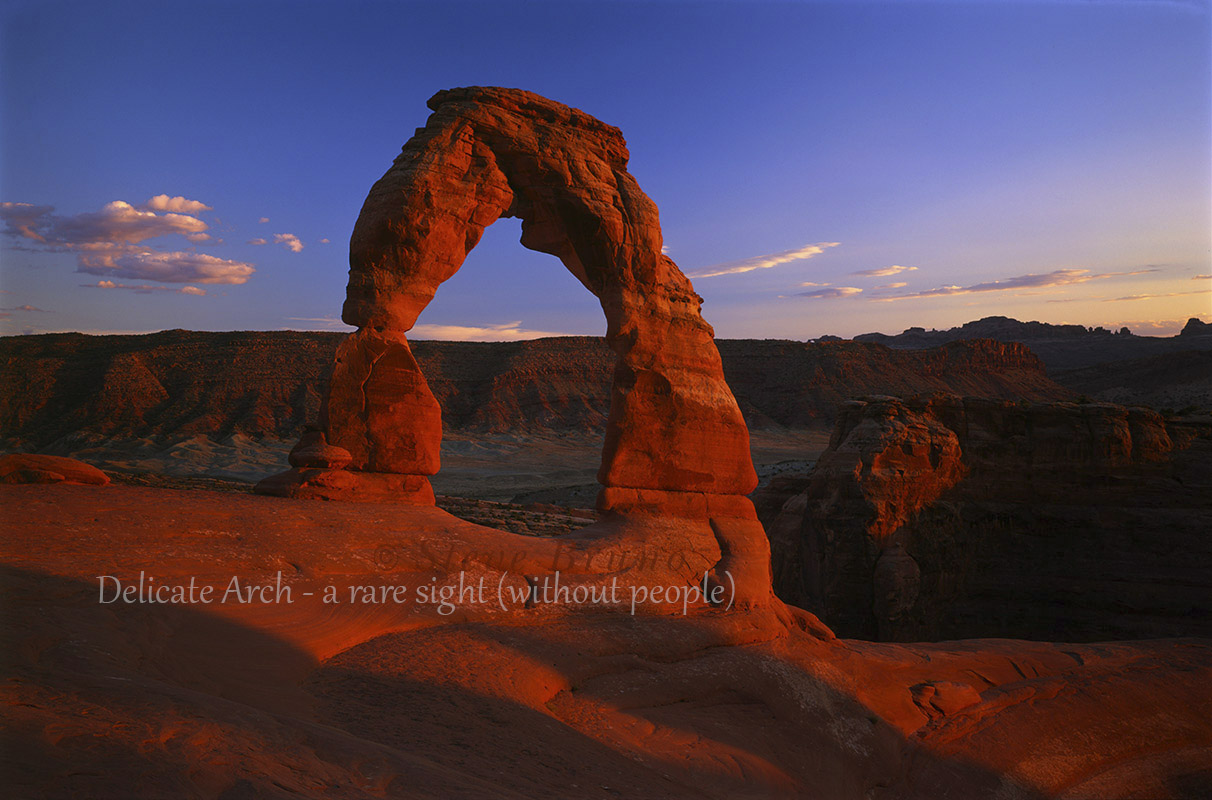
Some places just grew in popularity as the population has grown. Arches National Park would be a perfect example of that. Bryce and Zion used to garner all the attention for Utah’s parks and were often promoted with the Grand Canyon. Utah placing Delicate Arch on its license plate may have increased the attention on Arches NP more than any other event. Try getting a shot of the arch without any people in front of it nowadays!
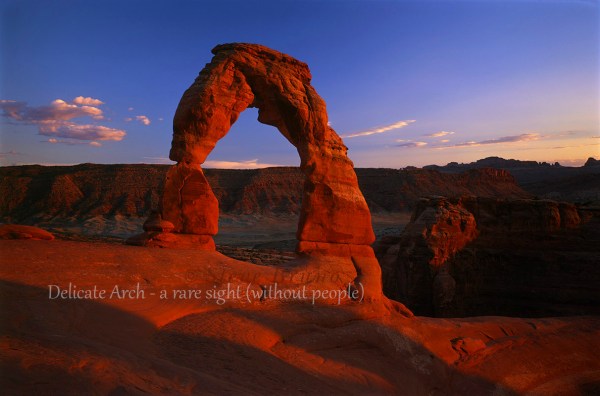
arches

When it comes to the internet, it’s almost impossible to keep anything secret. I’ve been known to pass along locations to people who I feel will respect the place, photographer or not. I am hesitant to post photos on the web that were taken in relatively unknown locations. When I do, it’s because I don’t think there’s a chance anybody will actually find it.

Photographers are supposed to be creative people, yet we seem to want to photograph spots that have been covered before. I was working with a book publisher once who put out a stock call to many photographers for images of the national parks. In his summary of all the work he viewed, he said to me “You guys all seem to end up at the same places. It just comes down to who got there at the right time.”

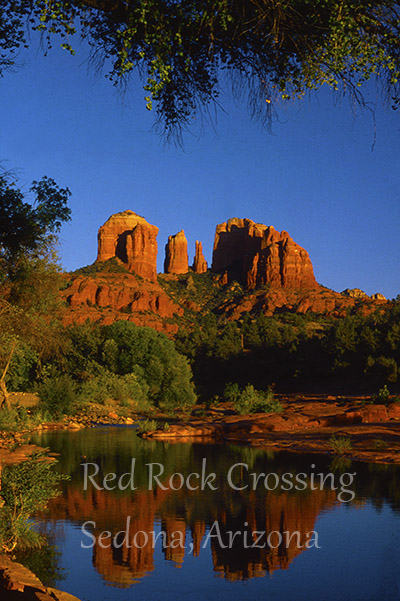
When I was starting out, often I would go to famous spots and try to capture images similar to what I had seen. I soon figured out the images of mine that were getting published were the places I had gotten a completely different take on. I had signed on with a stock agency, and would try to shoot with them in mind. One day I went in for a visit and explained I had some free time. I inquired about locations that might help sales and was told they could always use some more material on Sedona. Shortly afterward, I went to Sedona and spent several days getting some nice shots and then had the film processed. I went back to the agency, where they said, “Well, these are nice, but what we really meant was Red Rock Crossing. People always call for Sedona, and say they want something different, but end up choosing a shot of Red Rock Crossing.”  For those of you unfamiliar with Sedona, Red Rock Crossing is the iconic image where the creek crosses in front of a large distinct sandstone butte. Elvis Presley and John Wayne both filmed there.

sedona

The creative side of me felt like I was just stabbed with a knife. The business side said “If someone wants to pay money for shots like that, it may as well be coming my direction.” I learned a lot from the person in charge of that agency and it definitely helped my sales. I still practice the policy from that lesson – when I go to a location I make sure I have several shots of the most famous feature, then I shoot for the unique features or details.

In my days as a photography student, there was a joke about a famous photographer whose tripod landed in the same three holes in the ground every time he revisited a location. It seemed very funny back then, but is something I have done on occasion since. When I find a spot that works but the light isn’t happening, I will return to (hopefully) capture it in the right situation. In my observations of other photographers, I have seen a lot of people drawn to the same spot as though there was a subliminal whisper in the air saying “Stand here – point camera this way – click now”. Maybe places like Red Rock Crossing and Coyote Buttes are just a way we have of connecting with each other “Oh, you saw that…..I saw that, too. Here’s my take on it.”

Stay Creative!
Blog at WordPress.com.

Up ↑