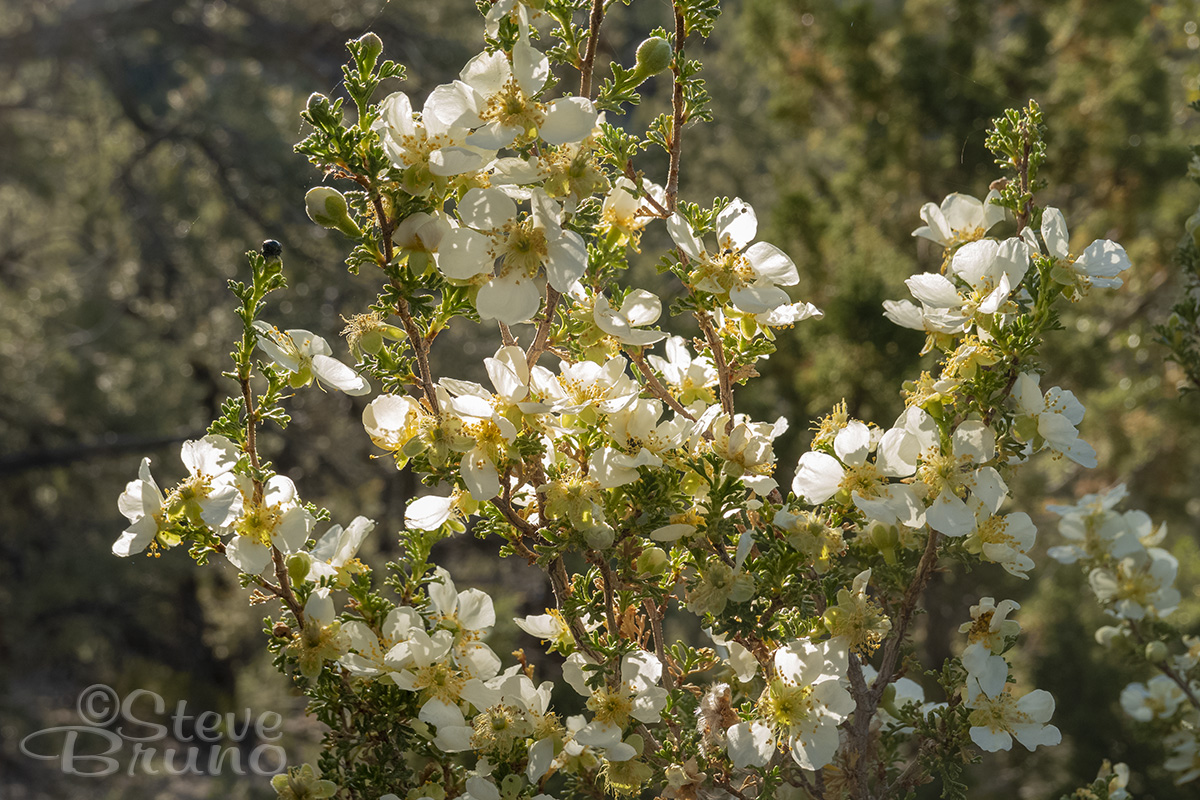
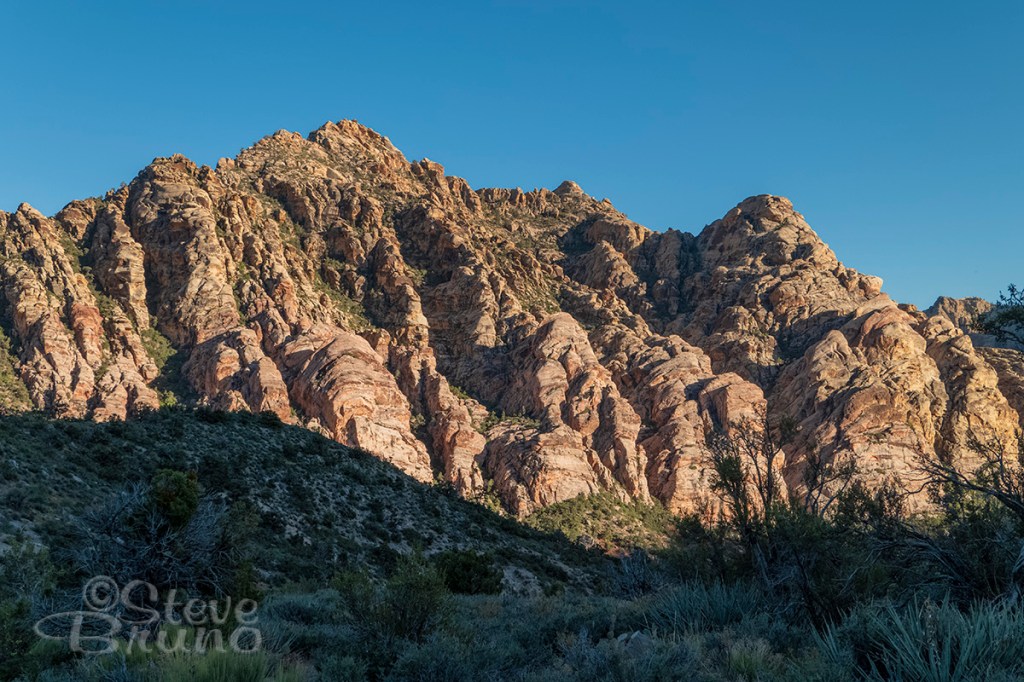
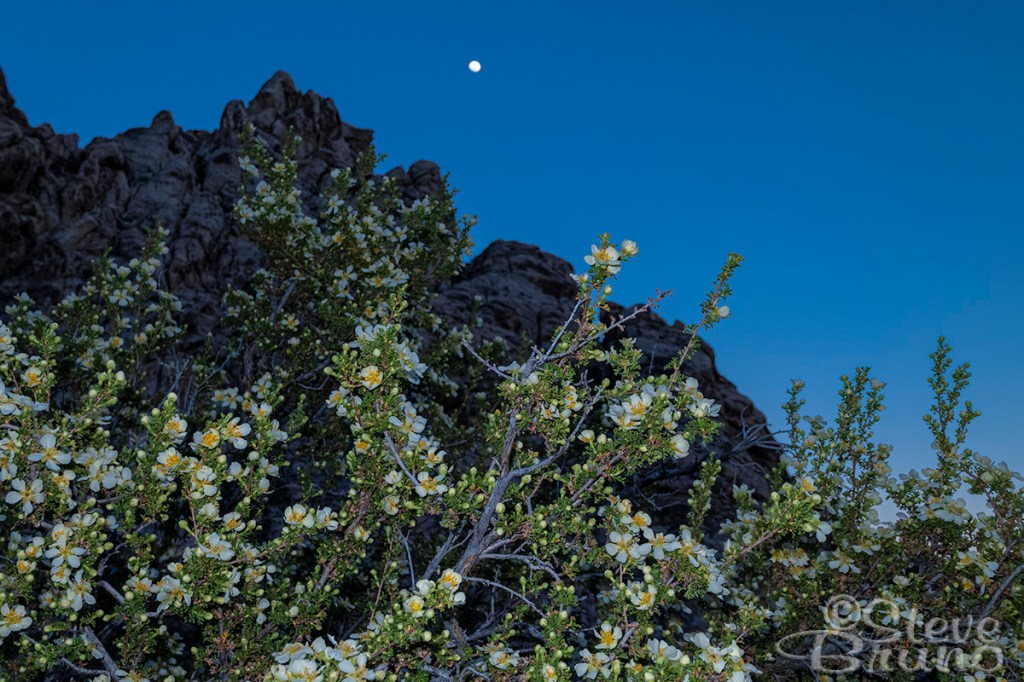
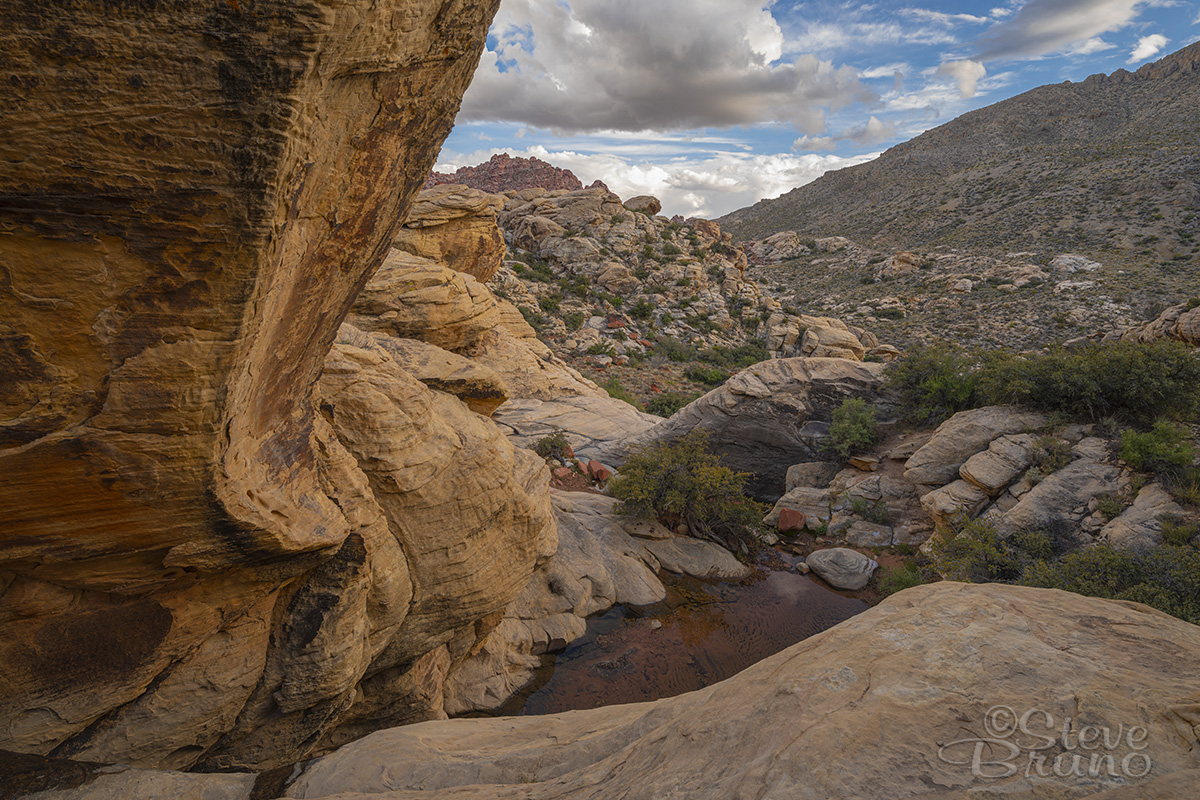
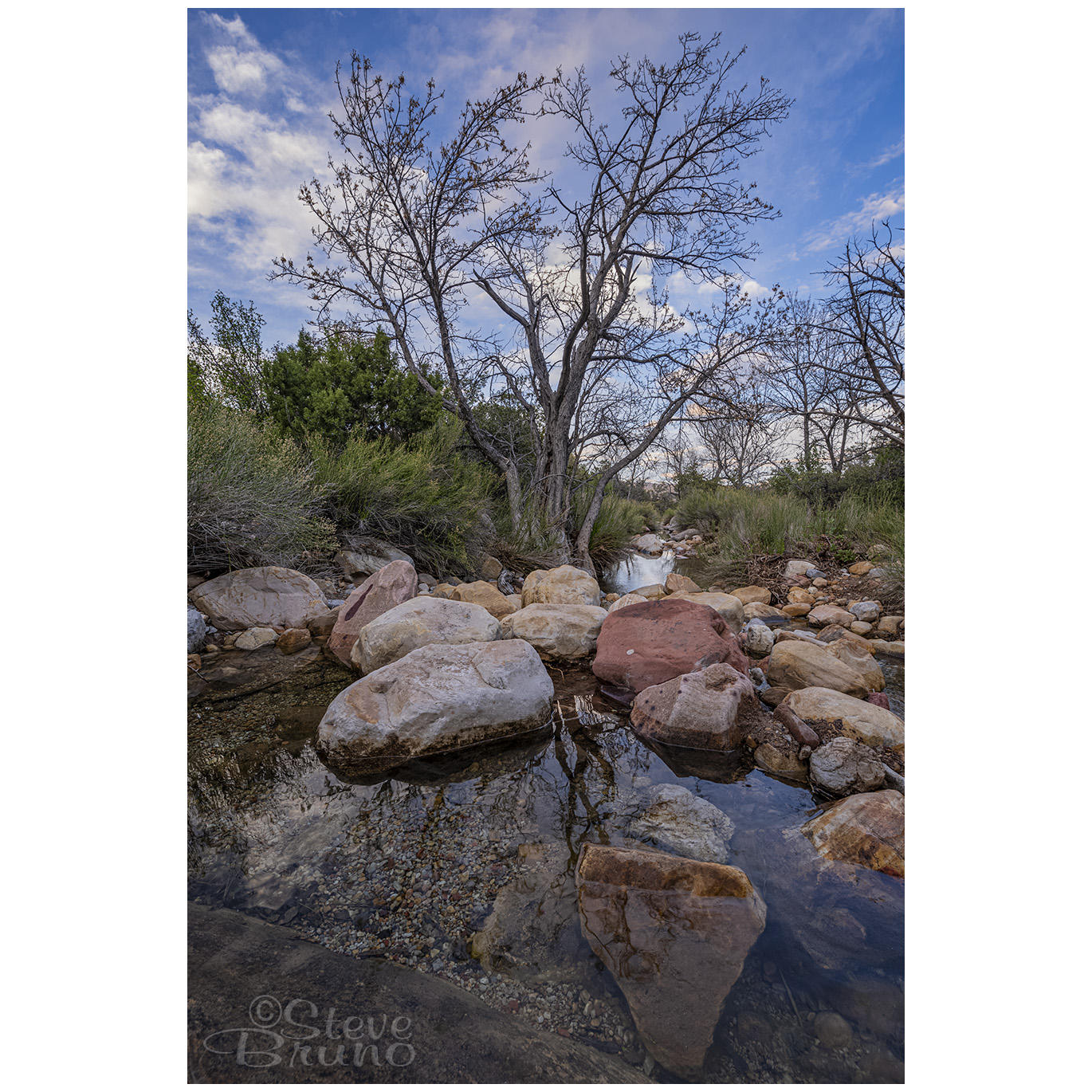
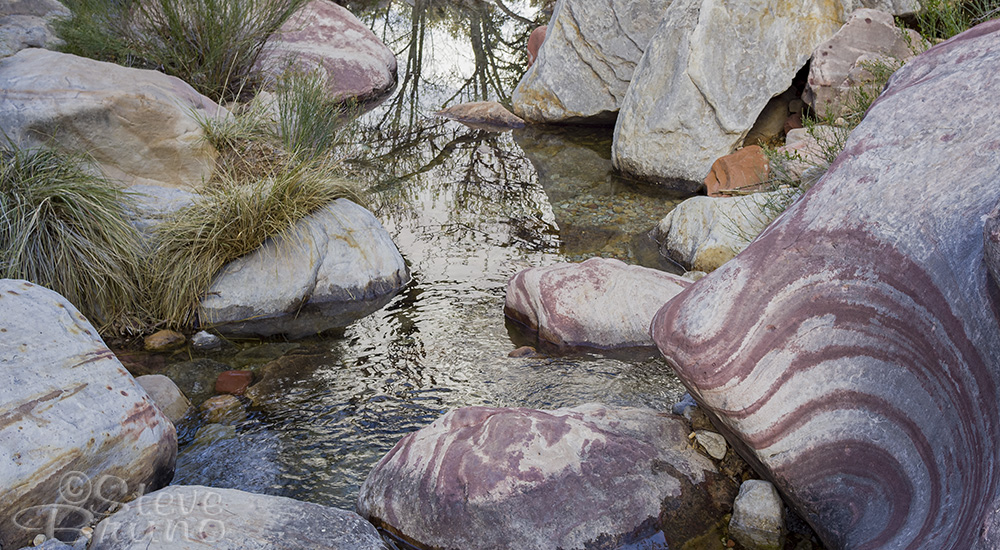
The desert seems so magical in springtime because in most years, there is an abundance of water flowing through the creek beds. The normal lack of rain through late spring and the inevitable rise in temperatures deliver a one-two punch that just makes it tough to want to get back out there. I couldn’t choose one photo from this hike in April, so this week I have two.
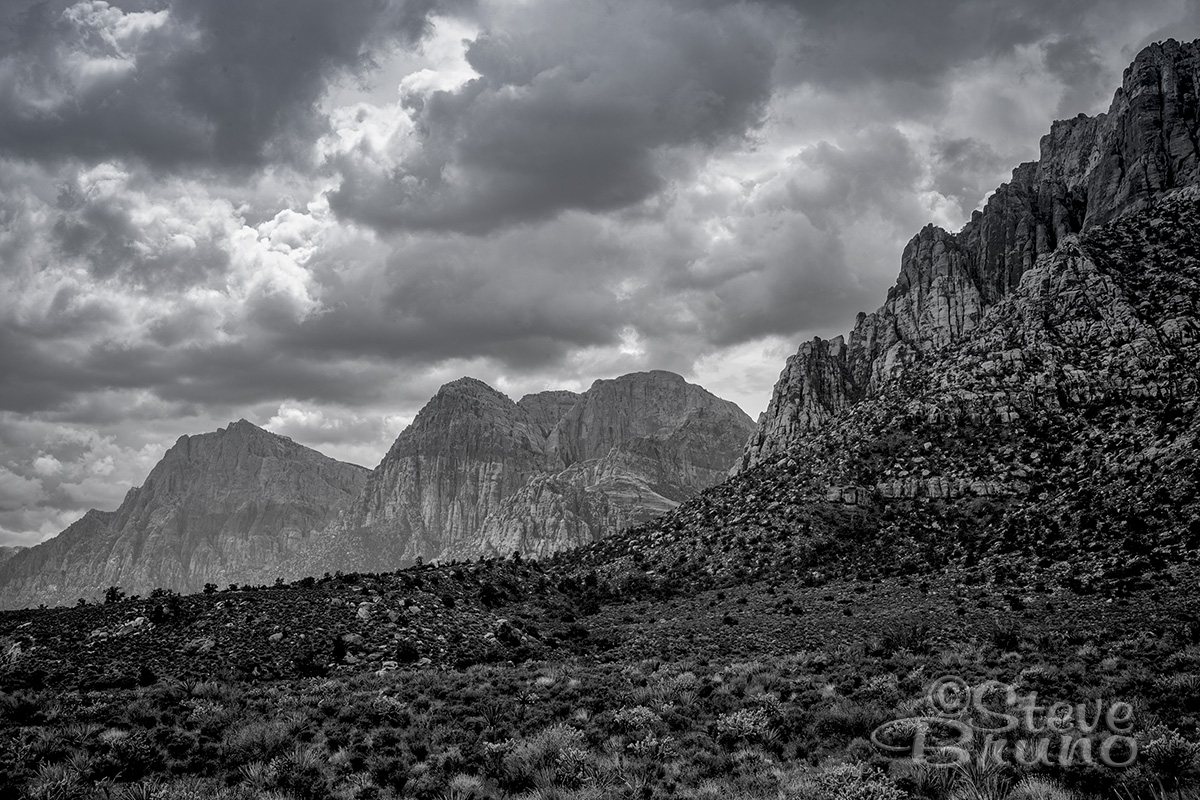
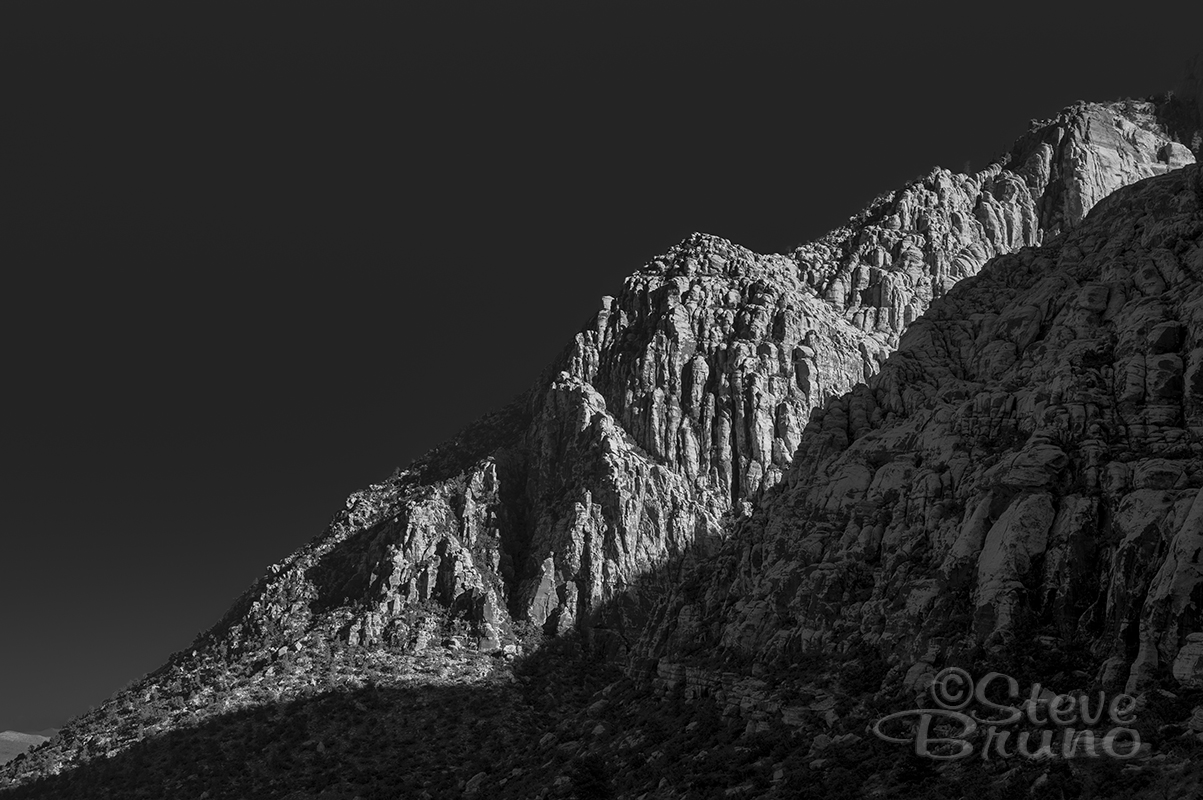
Back in springtime, we had some days that were absolutely beautiful for hiking. No, not the sunny ones. The ones with clouds and rain threatening, even if hardly producing. Those were also great days for photographs, especially in b&w.
There have been a number of times in the last couple years – most notably during my recent injury recovery – where I didn’t pack a camera for a hike. Using only my iPhone for pictures, even with an app that allowed for manual control and RAW capture, ultimately left me disappointed. A friend suggested I look into a newer phone, but after much research I realized that even the latest and greatest still have the same root of the problem. A tiny sensor.

When I have an image that I really like, I want to print it, and want to see it large. I had not looked at point-and-shoot cameras for many years, and thought I should check out that market. A larger sensor and a real lens was what I was interested in, and eventually found what I was looking for in a Panasonic Lumix LX10 with a Leica lens. I was looking to replace using a phone, but the results of this camera could almost make me stop using my real camera. Almost.

In comparison to an iPhone, there really is no comparing, so I’m looking at results next to a full frame DSLR. There is a slight amount of noise that I don’t get with full frame, but that can be easily fixed in processing. The lens is somewhat wide angle, but doesn’t have the coverage of the extreme wide angle lens I use most of the time. And the macro capabilities of this lens don’t get as close as my favorite macro lens. That’s about all I can think about on the cons of this camera, unless it’s possible to be too small or too light.

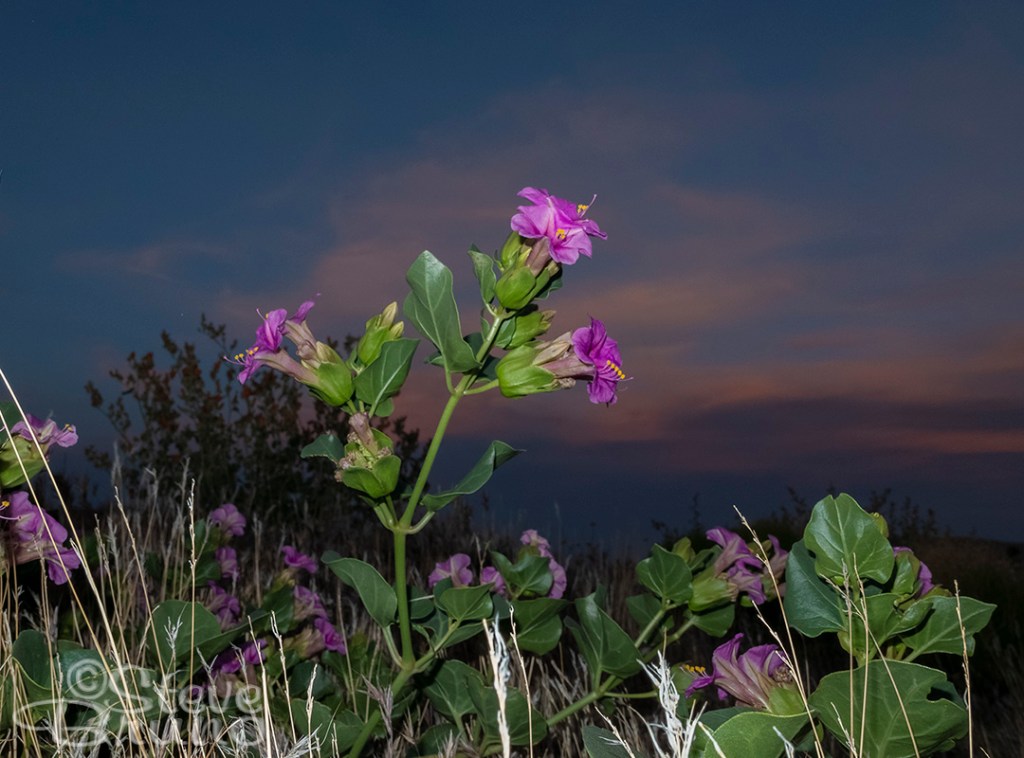
I have already posted some photos taken with this camera, including some of the nighttime shots on a recent post. Those, and all on this page are hand-held. It also takes some excellent quality 4k video. Now when I go on a hike where I wasn’t expecting to see something photo-worthy, I won’t be disappointed because I packed light. My friends have never been too vocal about it, but every time I’ve stopped and pulled out a tripod, they were probably thinking, “Go small or go home”

Yesterday I was out at Red Rock Canyon for the first time in a while…..with my car, that is. The scenic loop drive, closed to vehicles for over two months, has reopened. The new hours are from 8-4:30, also known as skin cancer time. Yesterday was the last time until October that anyone could be out during that time and not melt within an hour. At the entrance station, I asked the ranger why they even bothered opening the drive. I had arrived around 4 and he told me that if took a short hike, I probably wouldn’t get ticketed for after hours violation. Not feeling very comforted by those words, I stayed close to my car…..and waited. These photos were taken well after closing time, and I saw several other vehicles, but no ranger. It gave me an opportunity to play with camera settings I’ve never used before, but in the end, I used RAW images to get the results I wanted. I realized yesterday that we’ve been so spoiled by having bicycle access during the closure and for most of the day, making the drive kind of a letdown.
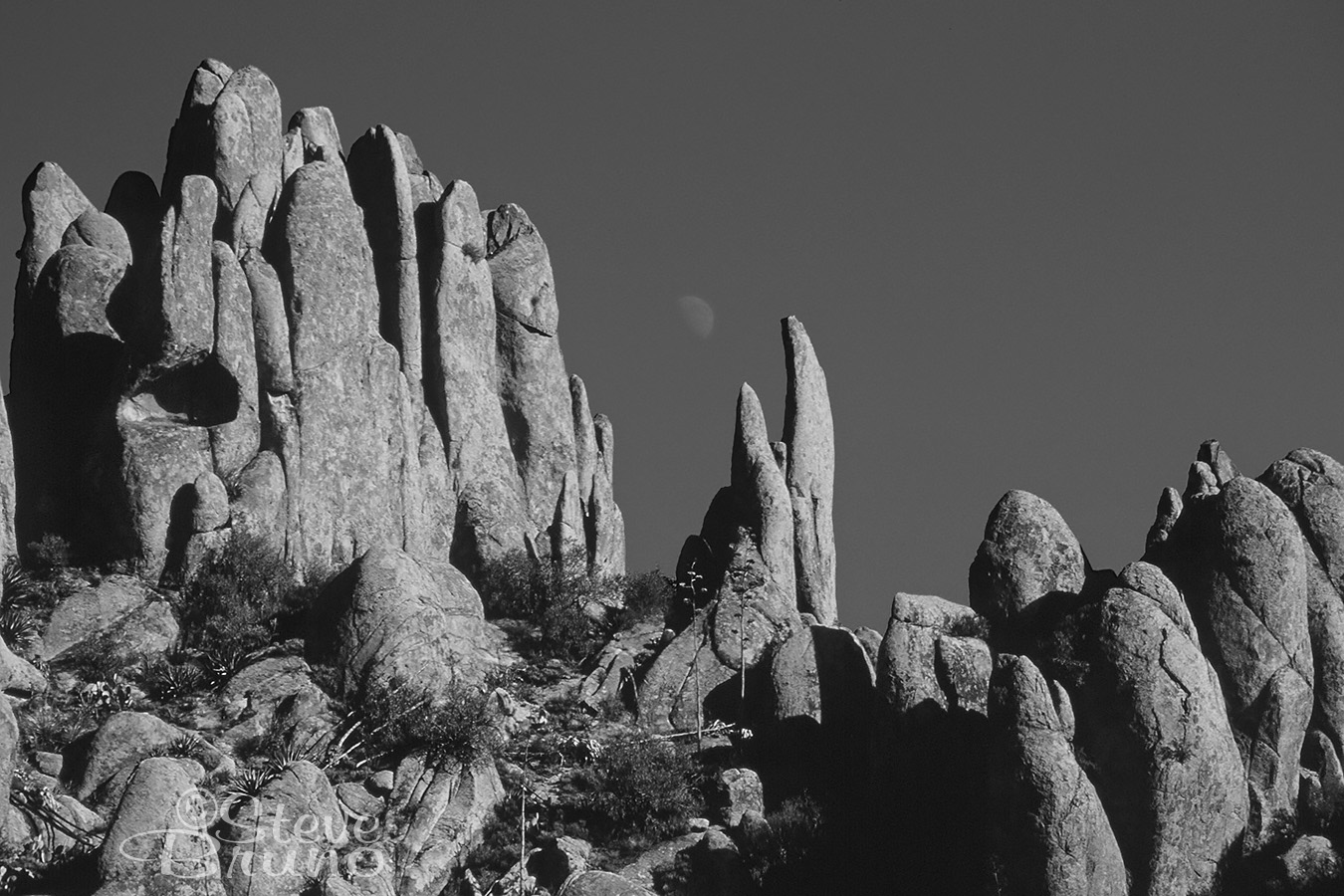
As with most people, I’ve had some time to catch up on a few things lately. I came across this photo in my files and thought it was perfect for a b&w conversion. This is a glimpse of some of the many pinnacles that decorate the summit of the Superstition Mountains near Phoenix, Arizona.
“There are more important things than living”
That quote comes from Texas Lt. Gov. Dan Patrick yesterday. Judging by the protests to reopen the country, and the crap I’ve seen on social media, I’m sure there are thousands (or more) in the US who share this opinion. If only we could communicate with the dead, I’m sure we would change some minds.
What this really boils down to is selfishness. Thoughts of “this isn’t my problem” and “let someone else clean up after me” are prevalent in all aspects of these people’s lives. This goes beyond any virus, and extends to how they treat our planet. They don’t believe science as it pertains to the virus, and certainly not when it comes to global warming. We’ve had other virus scares in recent years, but since none of those had the transmission rates of Covid-19, these people just pass this off as a hoax. Similarly, the earth has had periods of global warming before, none of which had the acceleration that our carbon footprint promotes, so the disbelievers write this off as natural occurrence.
During this time of social distancing, our state has closed the popular outdoor recreation areas, but left some parts open. One such area has access on a road closed to vehicles, making it a much longer hike than usual. The photo above comes from there during yesterday’s hike. You would think that people who come out to breathe some fresh air and make the effort to connect with nature would be respectful of nature. I was so disappointed to be coming across freshly deposited trash along the way. I make an effort to clean up when I find this trash, but people like me can’t be everywhere.
Instead of using this quarantine time to get upset and wish for a return to a normal life, maybe we should examine what brought us here. The earth has shown that it is capable of keeping us in check. Our normal life needs to change to be in tune with the planet while listening to science. In the long run, there really is no one coming to clean up after us.
About a half year ago, I suffered a severe leg injury which kept me from being outdoors with my camera. A couple weeks of being mostly bedridden and using crutches to get around eventually gave way to being able to do some work and the start of physical therapy. My physical therapist was hesitant about me hiking at first, so my first couple trails were relatively flat. No backpack filled with tripods or cameras either, just a phone. Earlier this year, I finally made a hike with all the gear on a trail that had more difficulty involved. I could feel the difference of the terrain versus just being in therapy. I can’t imagine how long I would have been out if I wasn’t taking care of myself before this accident, and now that we’re all being asked to stay home, I realize I need to keep moving more than ever.
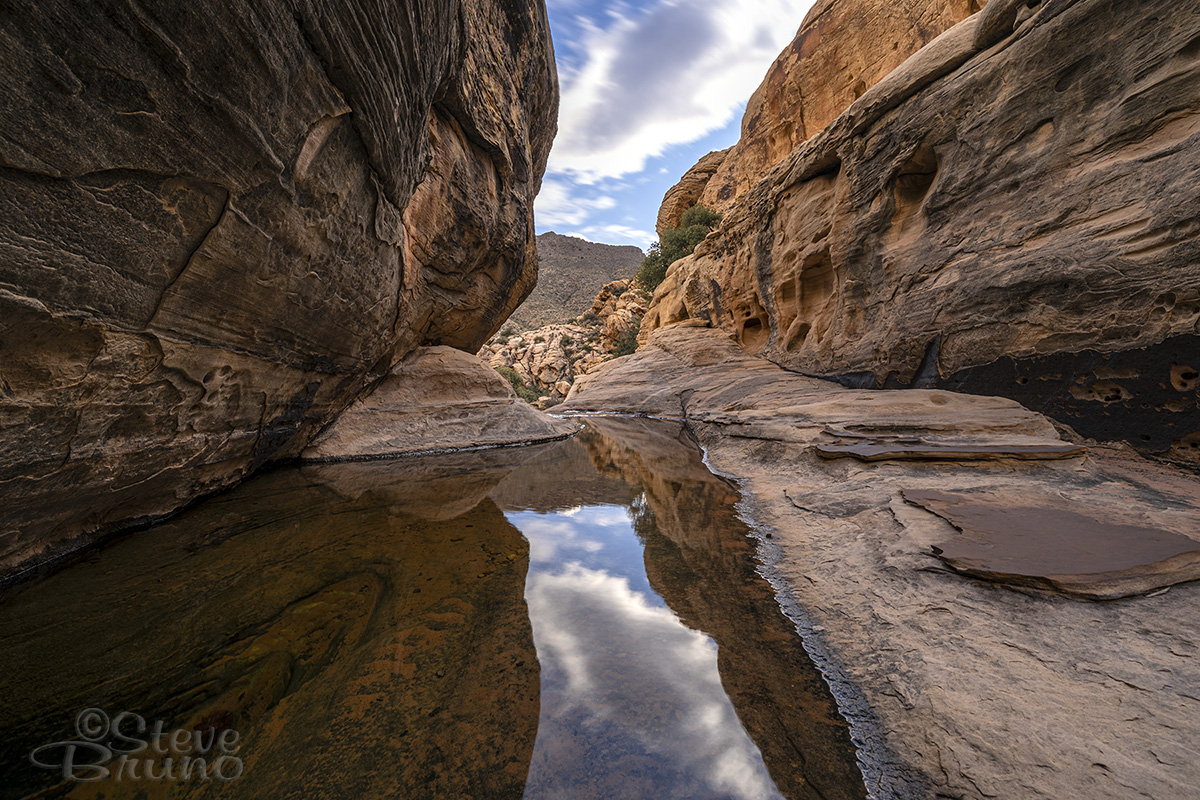
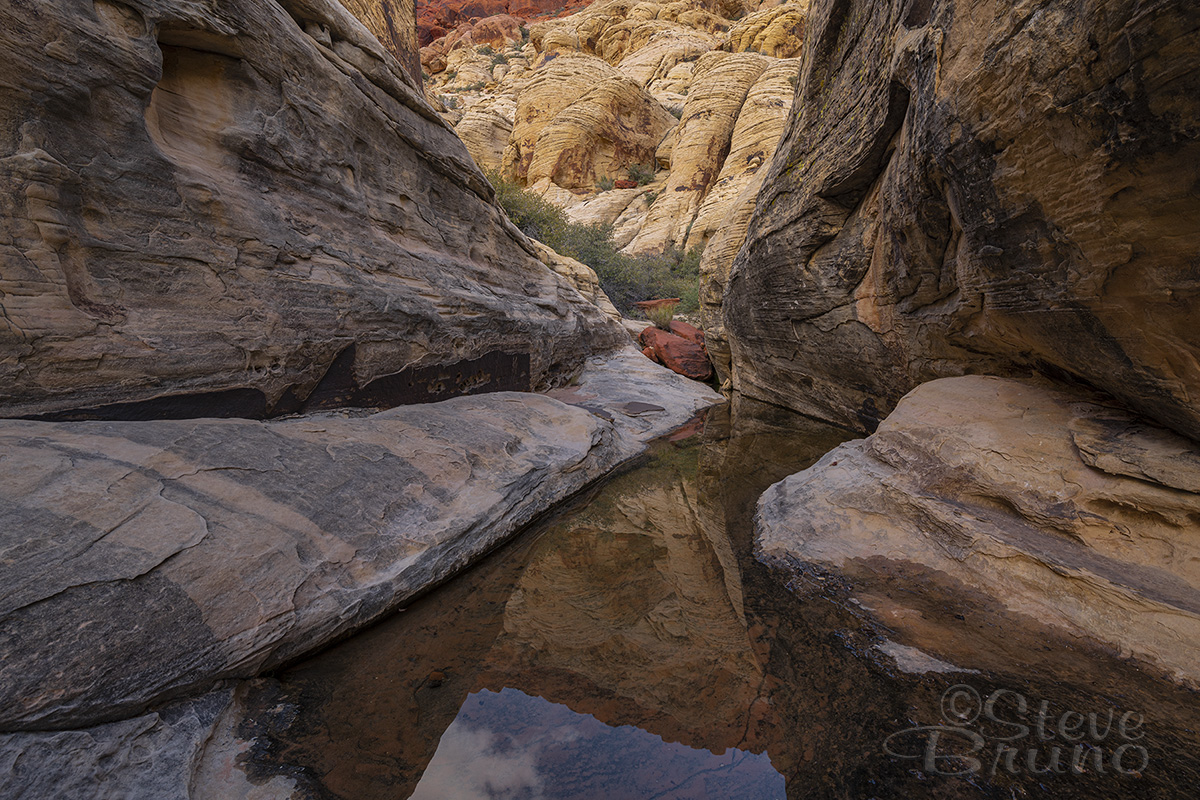
While many National Parks and other recreational areas have closed, there are some which remain open. These may not be the desired locations which attract social media throngs, but those who’ve seen my work know I don’t really go there anyway. The first location (above) was after some areas had shut down, making this a more crowded parking lot than usual. Despite that, I had very few people on the trail I was on, and getting here requires a scramble, so I enjoyed the place to myself.
That area has since become off limits, as has the next spot, on a hike taken in March. While this area starts on a popular trail, it soon takes off to an old trail, which quickly fades and becomes a scrambling route. Again, social distancing didn’t apply here because there were no other groups.
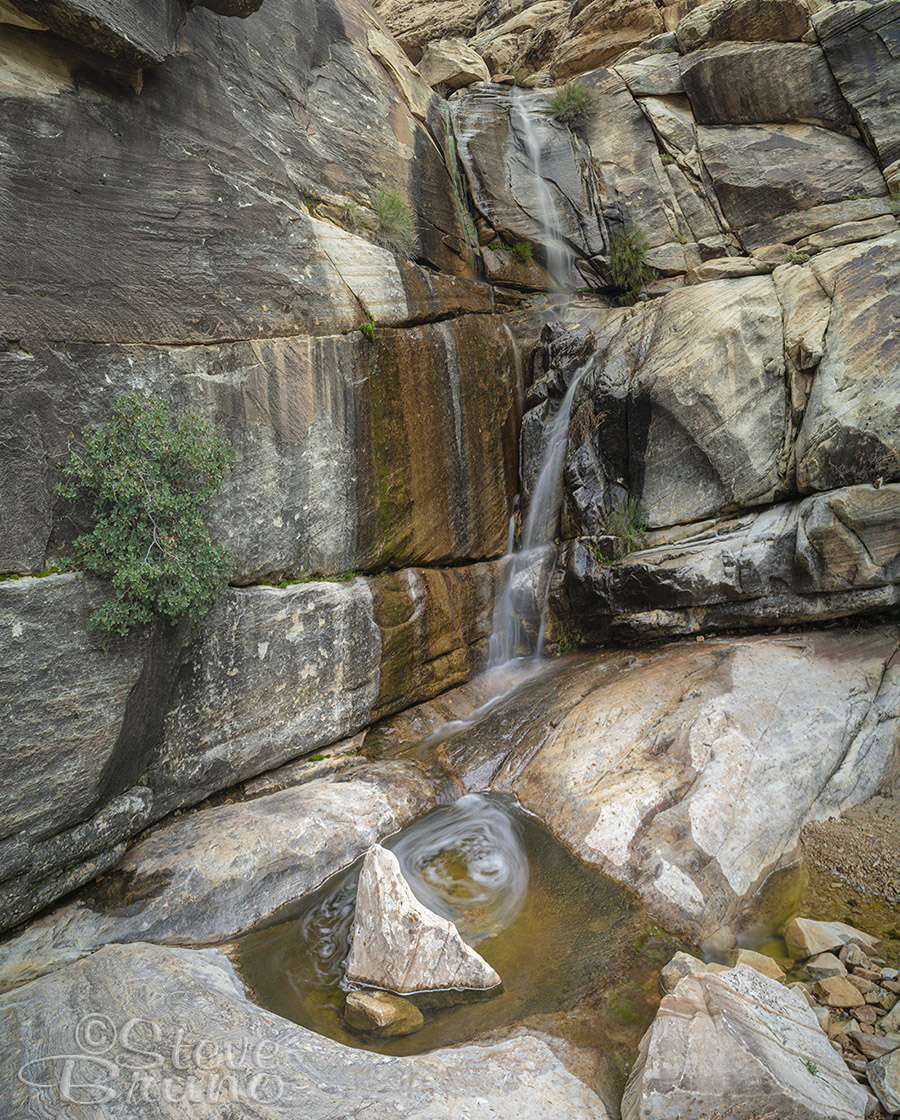

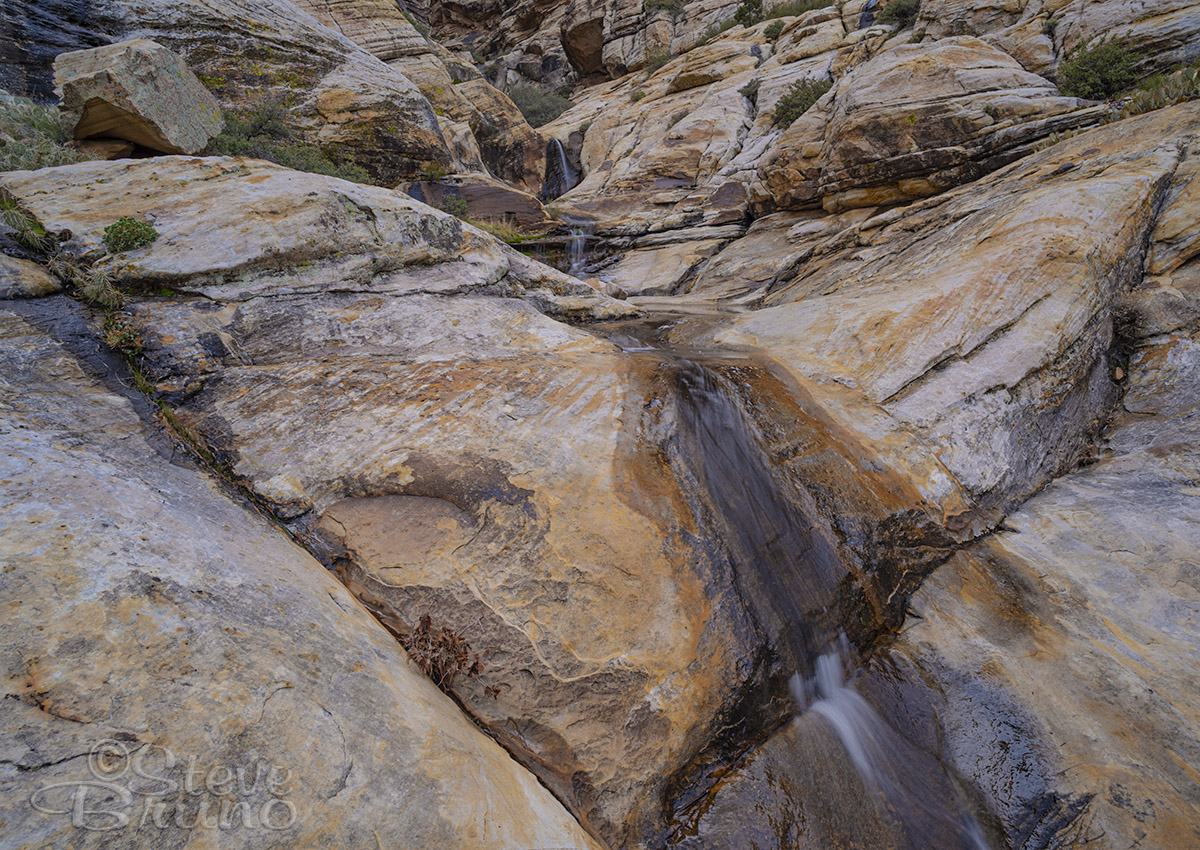
One of the remaining open trails has plenty of open space to absorb a higher number of hikers keeping distance between them. Leaving the trail and boulder hopping the creek also provides more privacy and the best views.
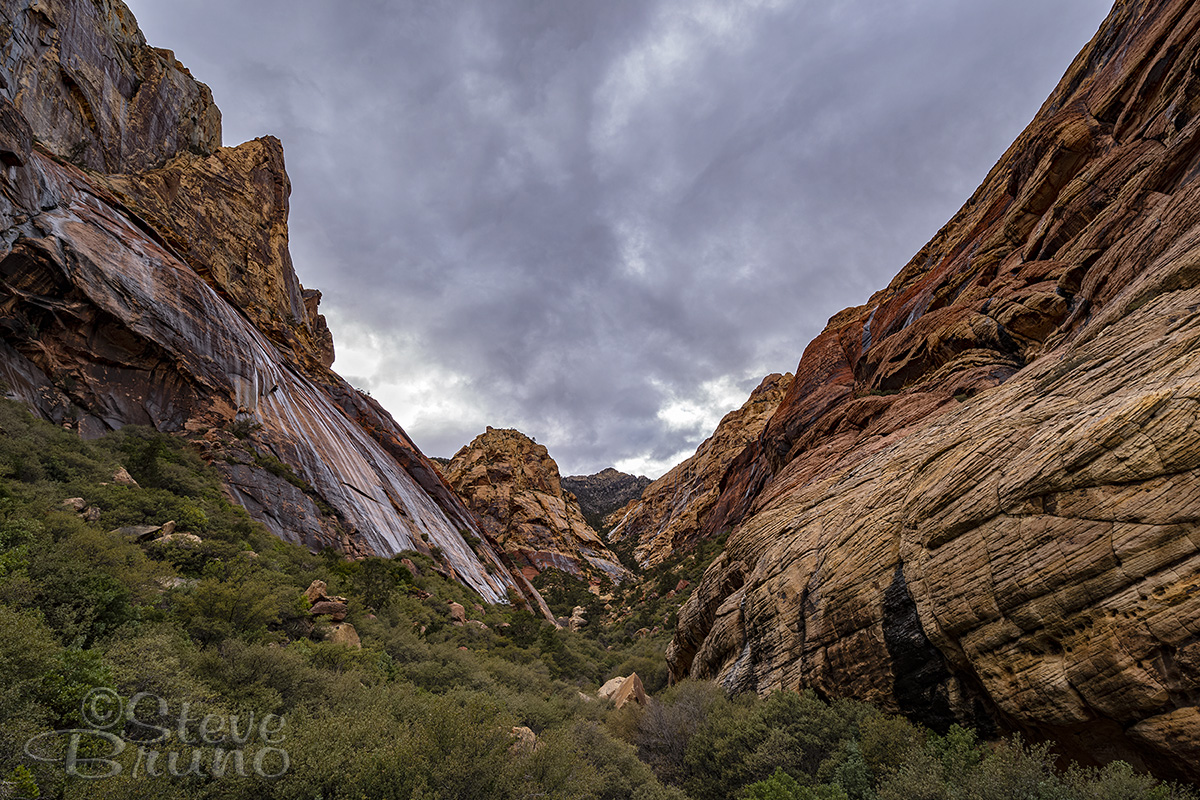
Higher up, this canyon becomes more rugged and takes on different characteristics. While most would have a different opinion on what constitutes a waterfall, I’m going to state that this is southern Nevada’s largest waterfall. It had been raining earlier, but only a light amount, and had been snowing above. This probably won’t be noticeable at this size, but there are small streams of water coming down on almost all the canyon walls in this scene. While the wall to the left is the most obvious, the water can be seen in many spots when standing here (and on my computer screen in full size). Waterfall or not, I like how this one came out.
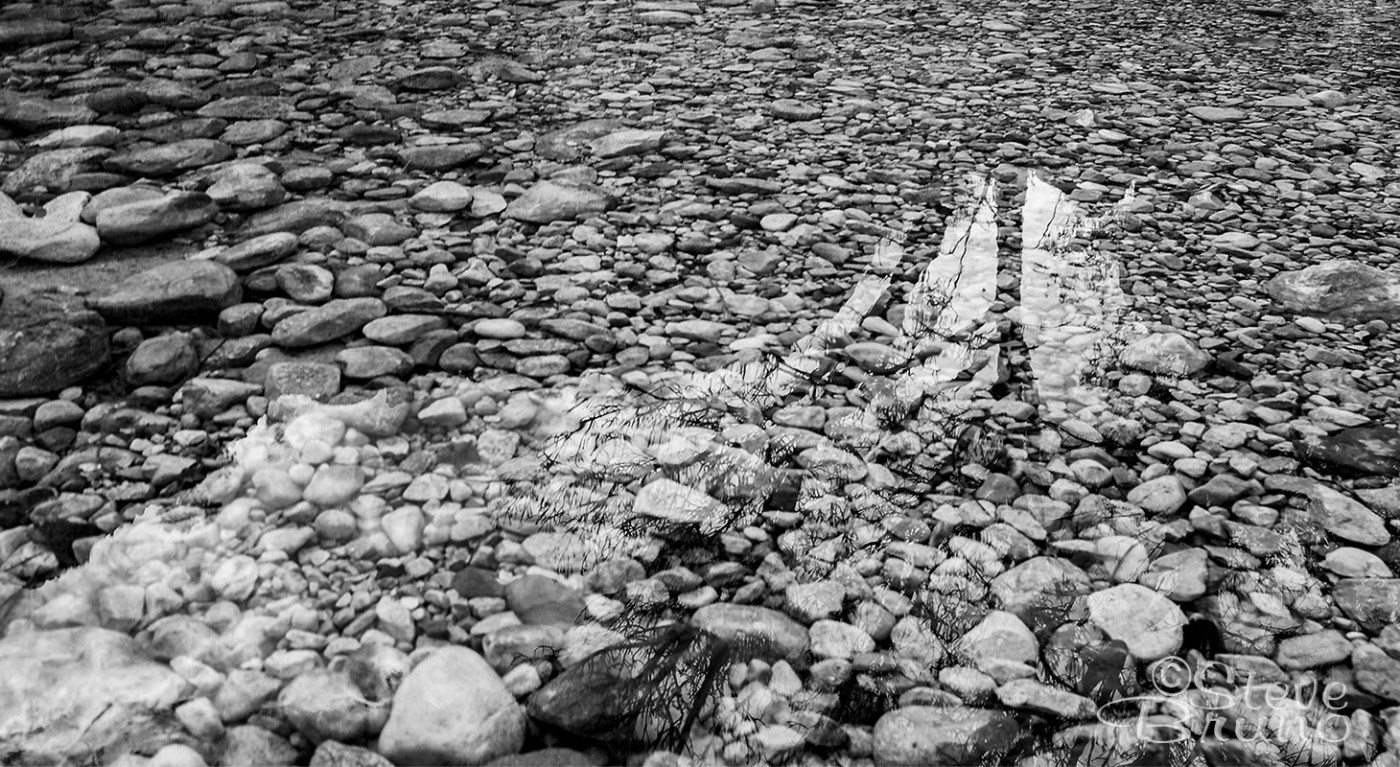
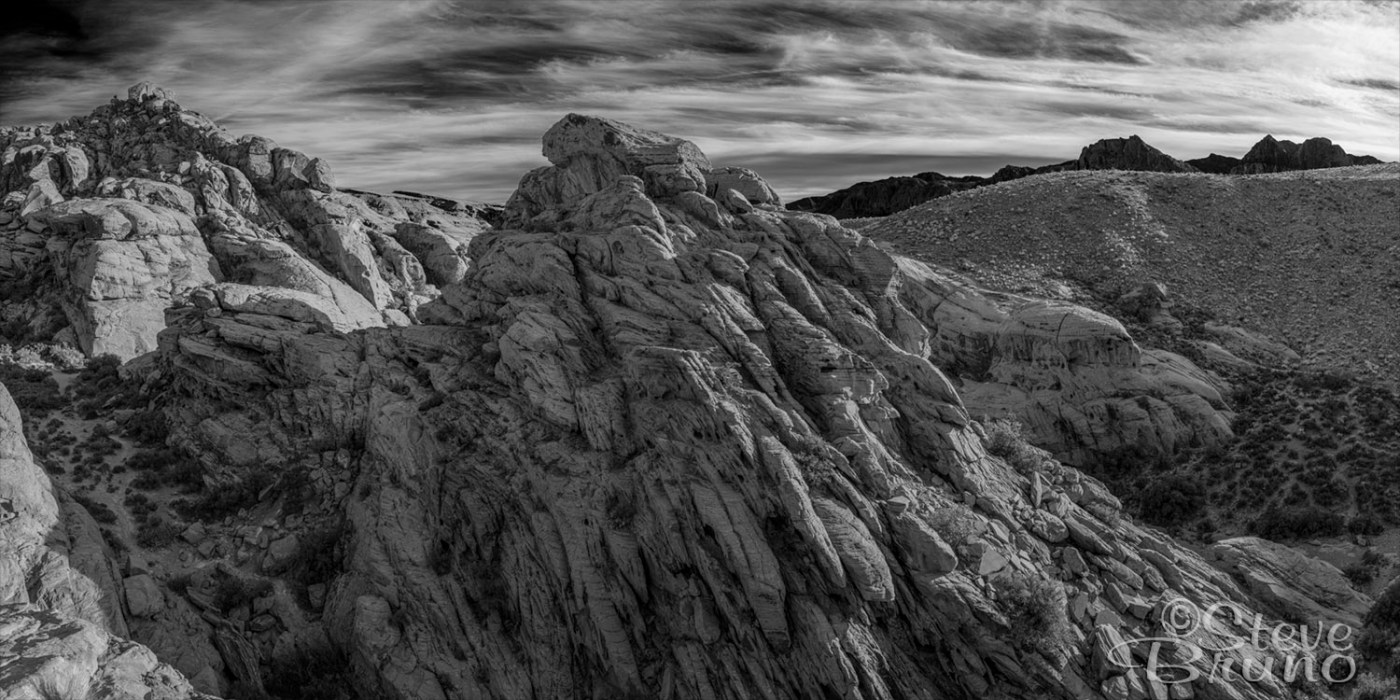
Cooler weather has made its way to the desert, and soon it will be time to start climbing around these sandstone hills again. This unique perspective of Red Rock Canyon is a panorama stitched from four frames. I was always pleased with the way it came together, but just recently tried converting it to b&w, and I think I like this outcome better.
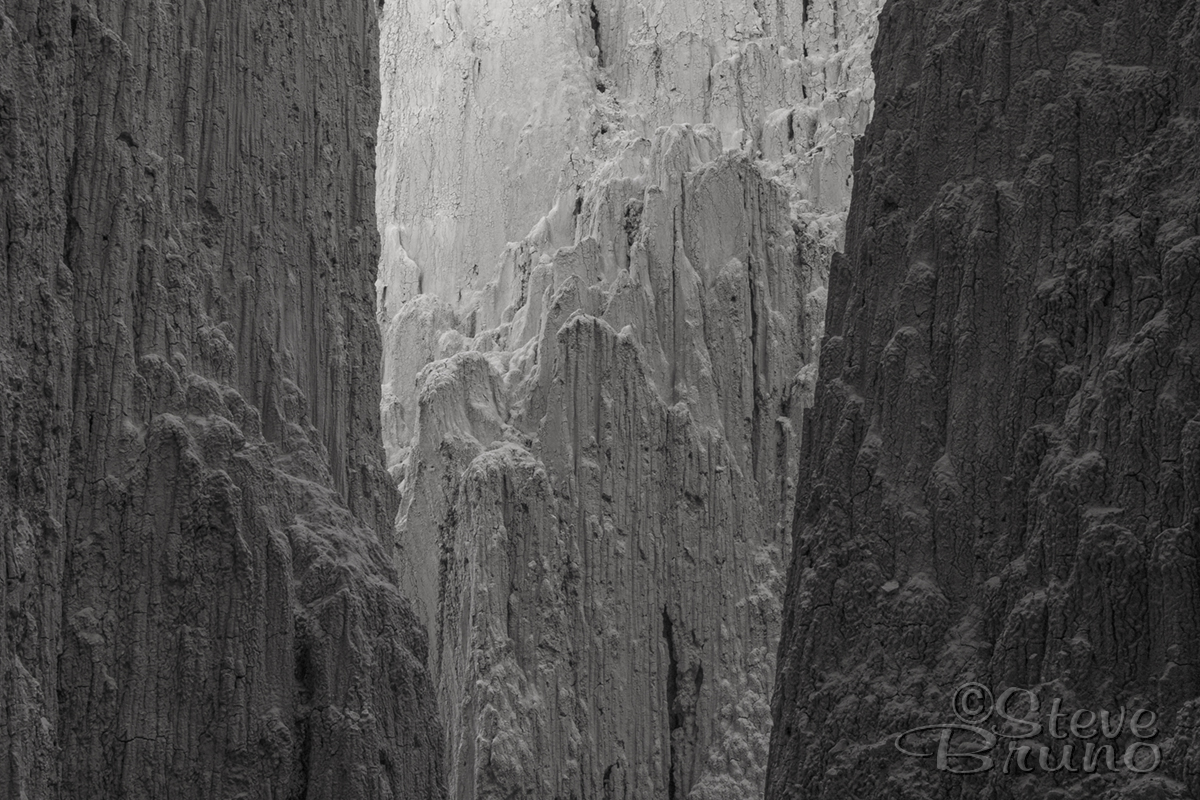
Slot canyons are amazing places in the way water can cut so deeply and intricately without removing the materials further out and above. They are also great places to hang out when the temperatures are soaring. Fortunately, we are heading into fall, and the relief factor is yielding to the fun of just exploring the desert. This week’s photo comes from Cathedral Gorge State Park in eastern Nevada. Unlike slot canyons in sandstone, these crevices don’t run very long, and are so narrow you have to side-step in a couple places to get through.
As summer drags into its last month (in theory), we here in the desert are looking forward to a change. Normally the seasonal monsoon rains have their rhythm going by now, and lowered the fire danger and temperatures (ever so minimally). Even if the rains are few and far between, the clouds offer some relief as well as photogenic backdrops. On the occasions we have had clouds and rain, the storms started early, and were finished early.
This time of year, it’s nice to get away to the mountains for some relief. A lot of other people have the same idea, so when I go, I usually find some rough, isolated road to get further from the crowds. Because the fire danger throughout the west remains high, and most fires are human caused, I no longer feel comfortable doing this. I never make campfires wherever I go for environmental reasons, and I don’t understand why anyone would need a fire when it doesn’t get below 50 degrees. I think this was a tradition started by people in old western movies that needs to go away.
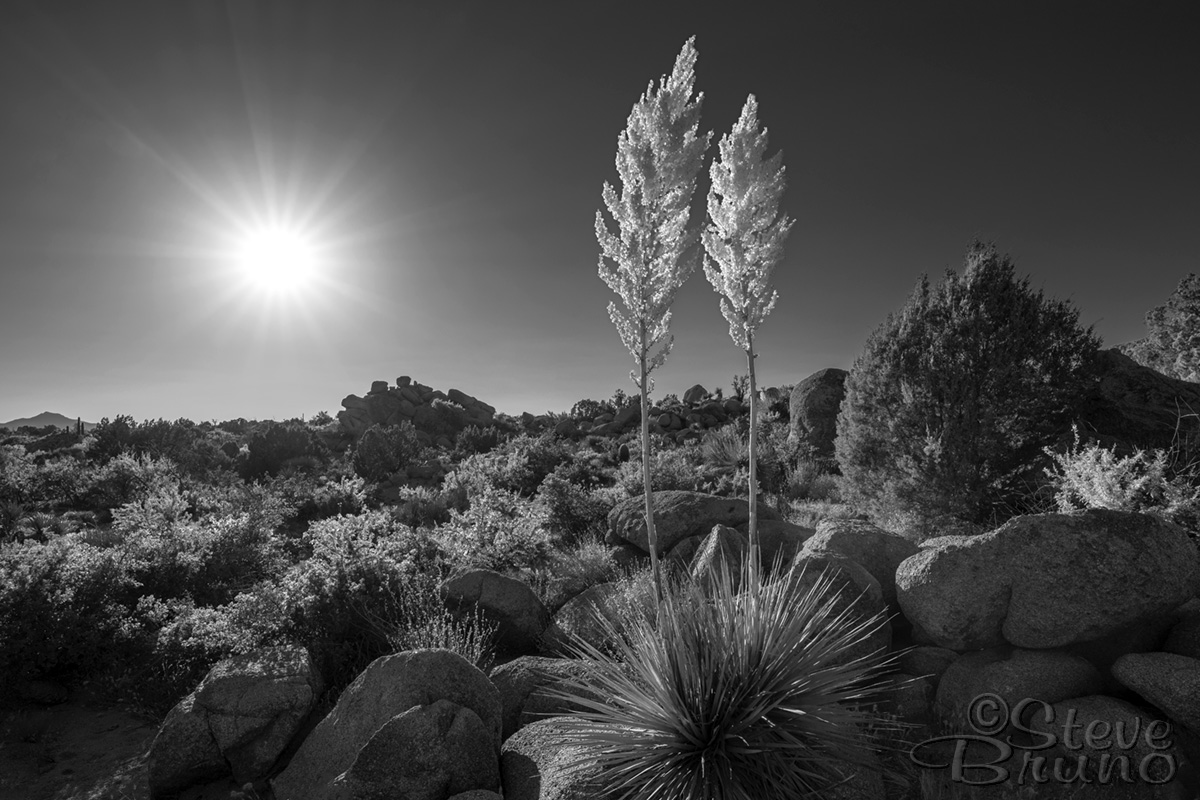
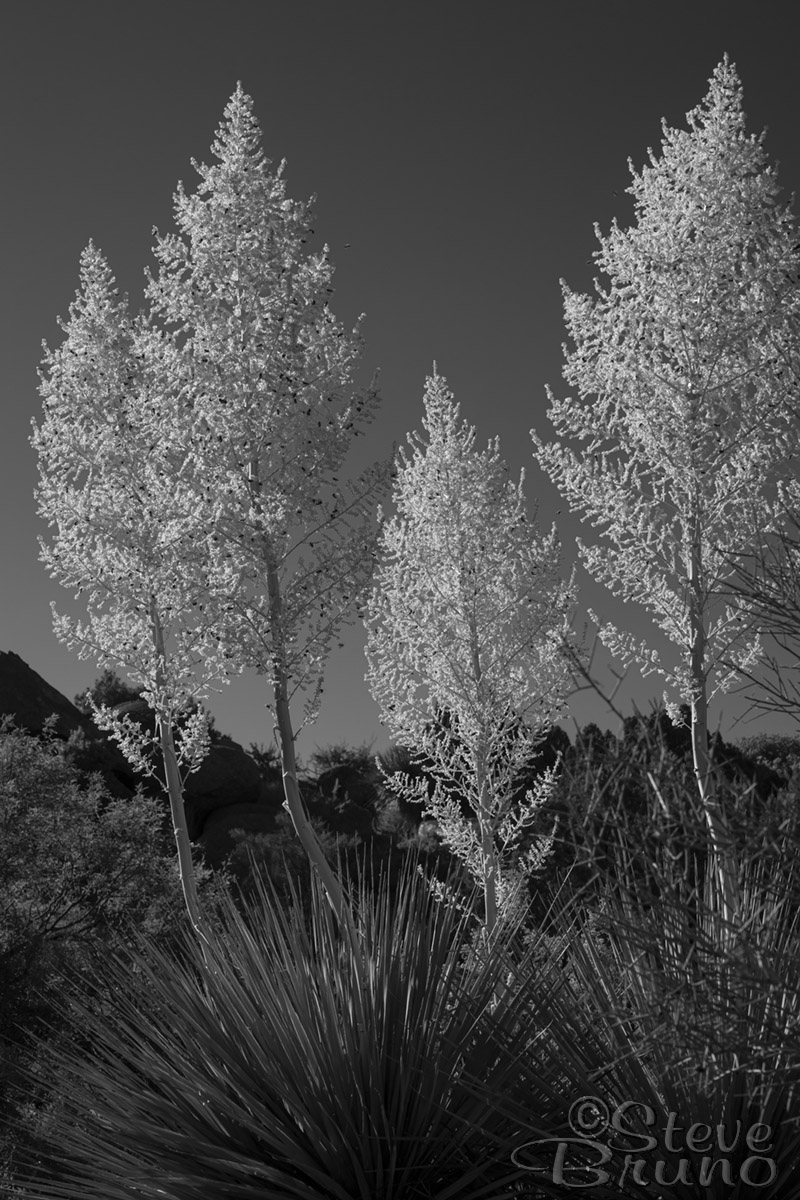
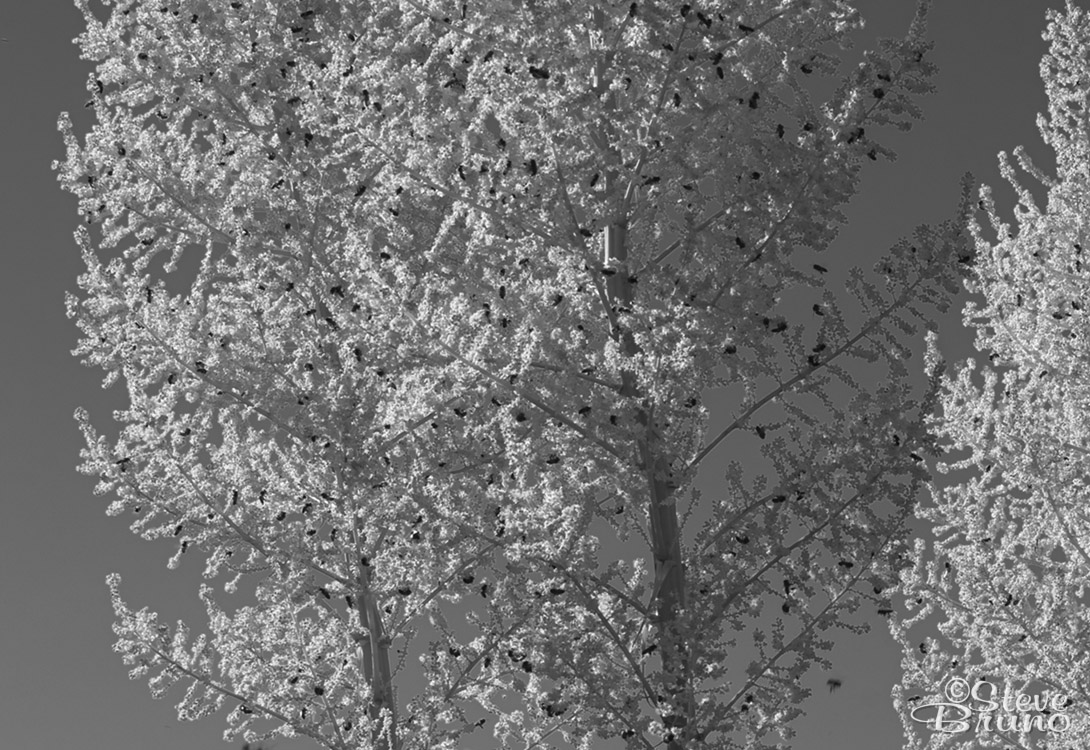
For now, my photo trips have been limited in number and almost exclusively on paved roads. These photos are from late spring in the desert of western Arizona. The yuccas are the last thing to flower in the desert, with the blooms taking place over an extended period, depending on the right conditions for each plant. As I approached the plants below, there was a definite buzz in the air. The bottom photo is a crop of the one above it, so you should be able to see the bees more clearly. Ive photographed these plants in spring before, and never remember encountering a single bee. About 100 feet away was a similar plant with fresher blooms, but no bees. I guess this is what happy hour looks like if you’re a bee!


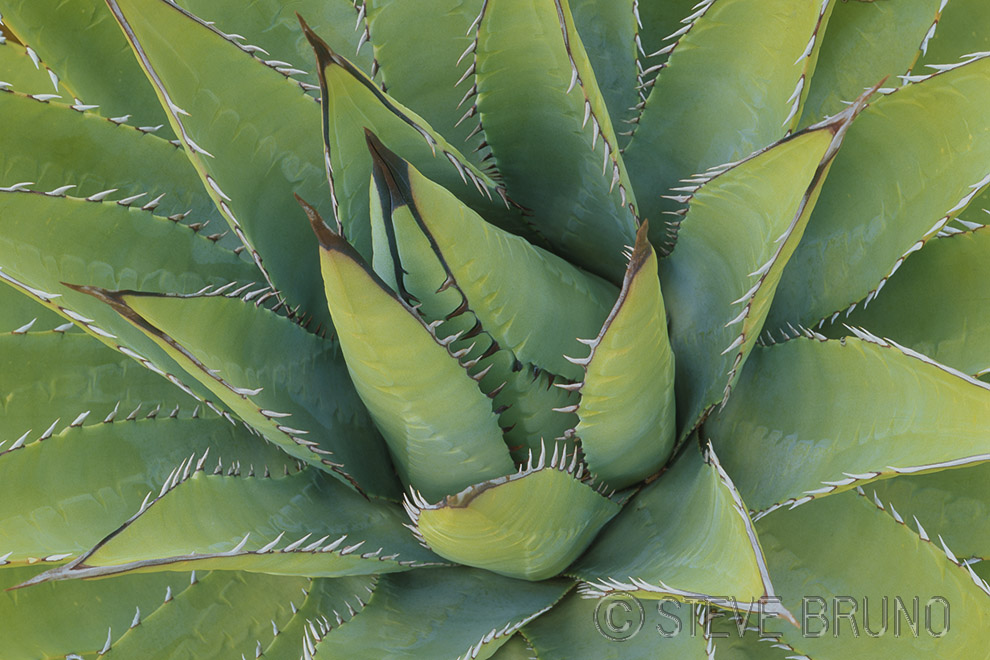
I am always intrigued by desert plants and how they grow and bloom. The agave (above) grows from a tightly packed center. As the leaves peel outward, they retain the lines of the leaves they grew adjacent to. The plants provides great lines and textures and photograph well from many angles, but I always liked this one showing the core.
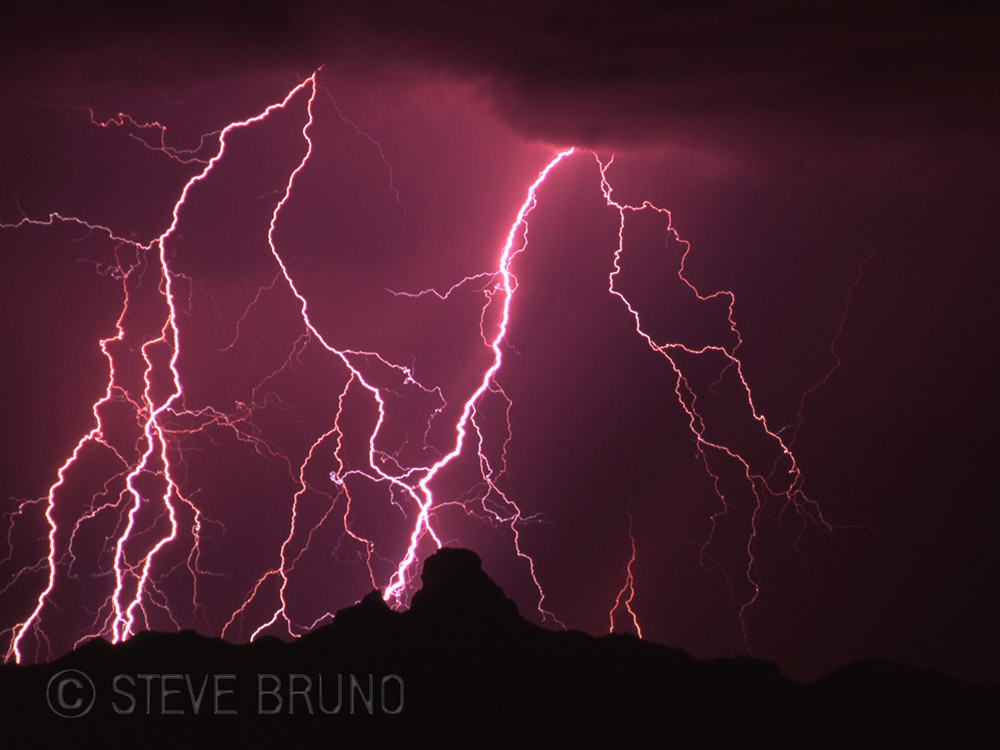
Bolts of lightning always leave fascinating lines, whether a single strike, or a multitude. This was probably the most potent and tightly concentrated thunderstorm I ever photographed.

Another weather situation that can provide great lines to photograph are icicles.

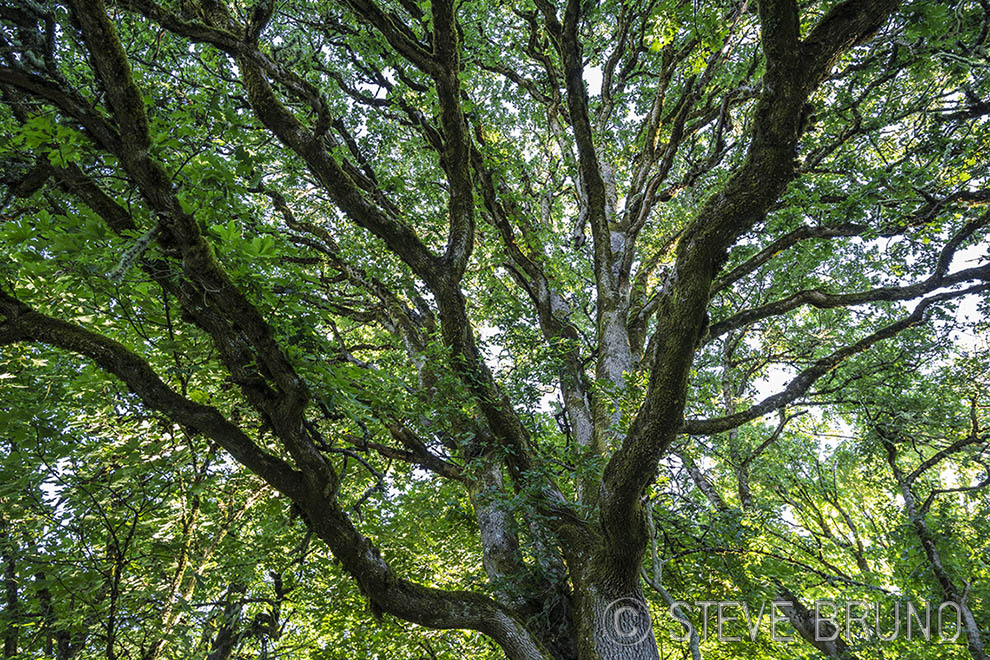
I’m always looking for trees to photograph, mostly based on their lines and the shapes they create.

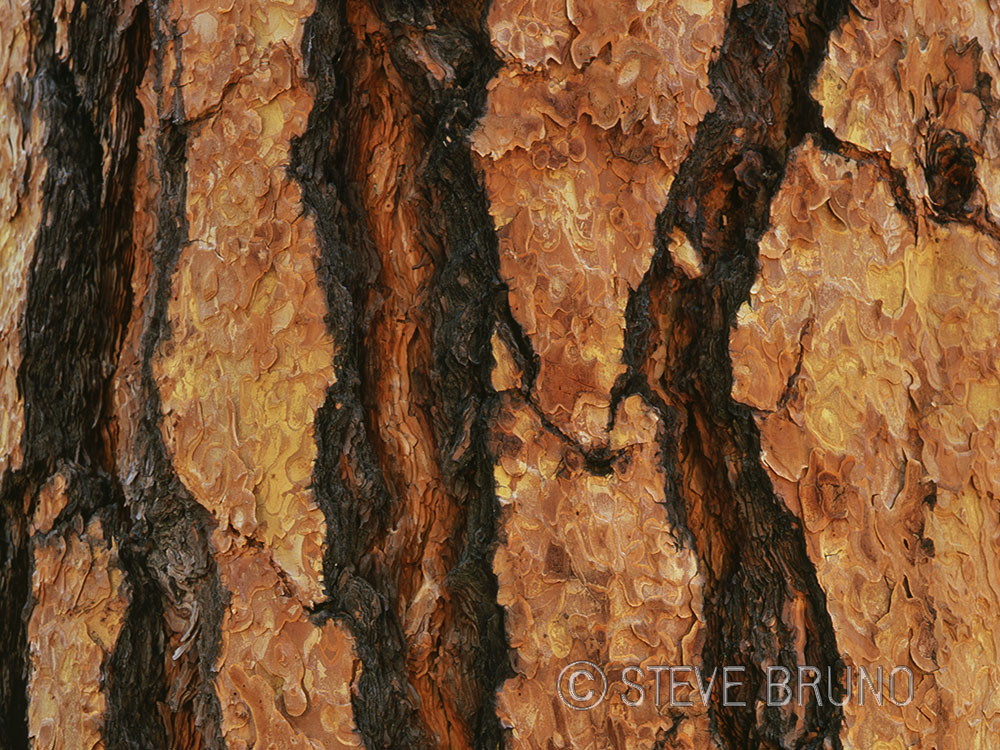
Sometimes, I don’t even have to look upward to see the photograph I want from a tree. Ponderosa pines are one of many types of trees with great bark patterns.

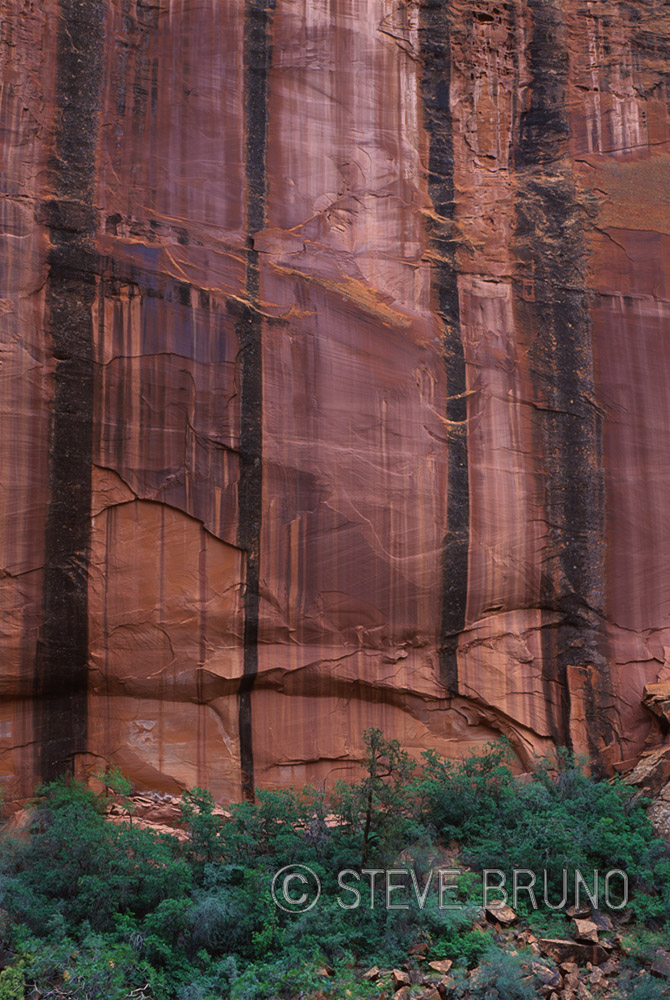
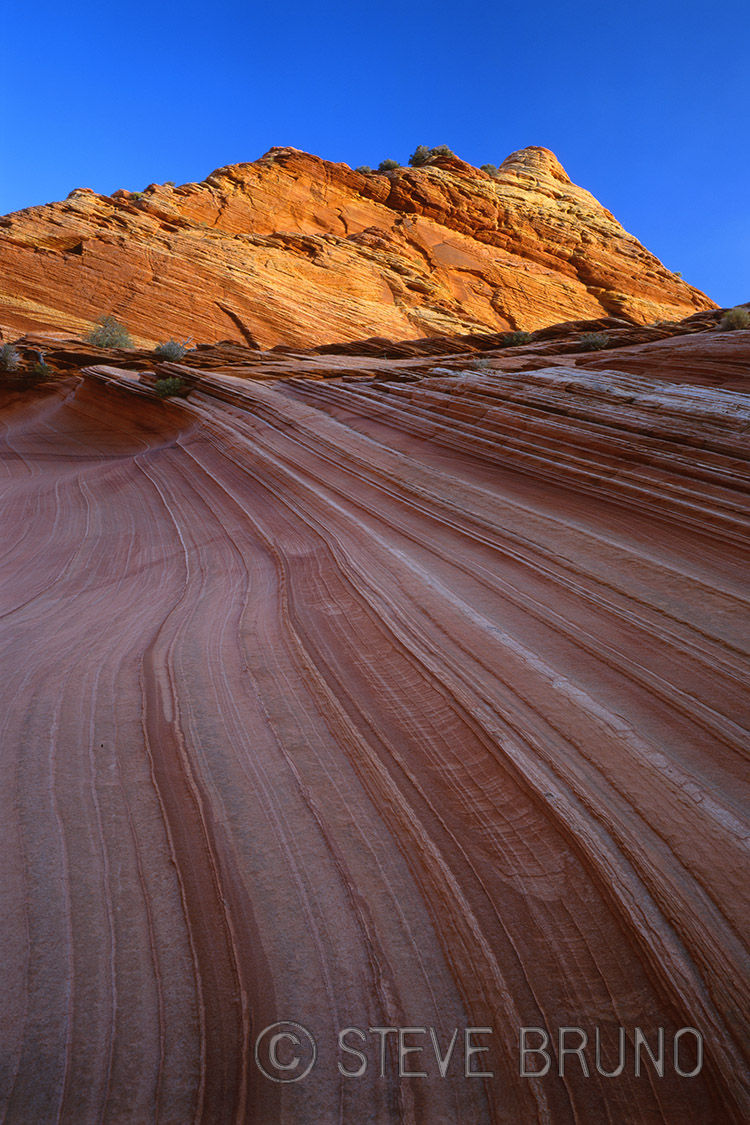
I find that landscape photographs are often best when there are lines that take you through the frame. The southwestern US has many locations with powerful lines.

The canyons near Escalante, Utah streaked with desert varnish, or the twisted sandstone of the Vermillion Cliffs are just two examples of that.

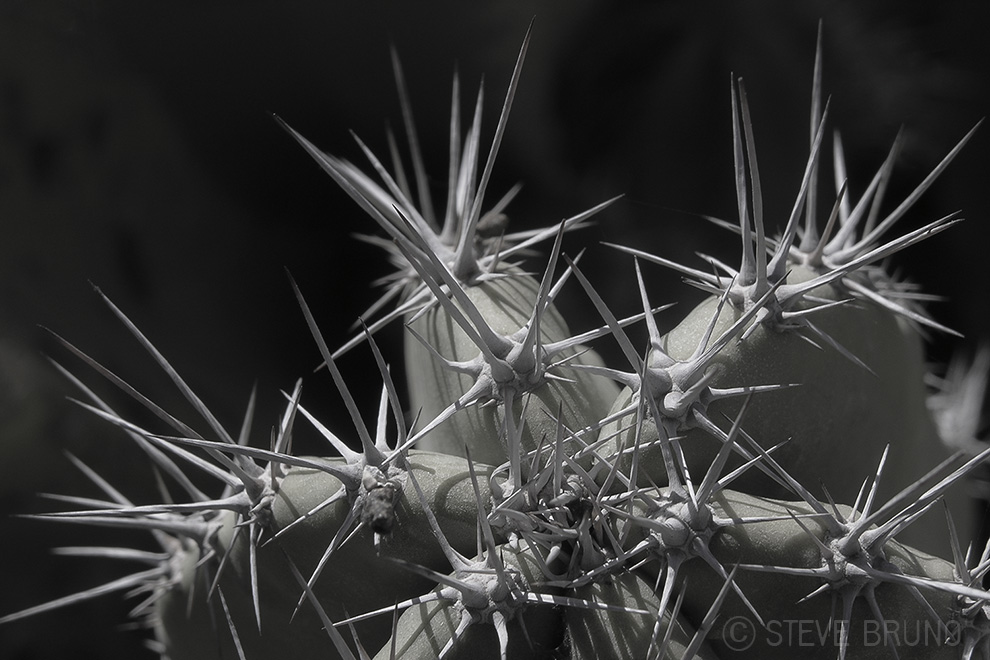
I find cacti to be amazing plants in their ability to grow in the harsh conditions of the deserts of the world. The defense system of these cacti, their needles, come in a variety of lengths and clusters. Although it’s often just a painful nuisance for man, the needles are designed to keep out birds and animals that would take interest in one of these plants. Generally speaking, large cacti have large needles and smaller cacti have smaller needles. I have seen smaller cacti with large needles, but never large cacti with small needles. Most often, they are spread across in a bit of a random pattern, but occasionally can be symmetrical as though computer designed. If a cactus looks as though it might be soft and fuzzy, it’s probably the worst kind to get near. Take for example, the one below whose pads look like potato chips. It’s called a Funny Bunny, and might rank as one of the worst names ever for a plant. One graze against this plant will leave dozens, or possibly hundreds of microscopic needles in your skin. I know of one person who transported one on a breezy day and ended up in the hospital that evening having needles removed from his eyes. Nothing funny about this one.
The top photo is my contribution to Leanne Cole’s Monochrome Madness this week. To see what other photographers have contributed, or instructions to join in, please visit Leanne’s website.


You must be logged in to post a comment.