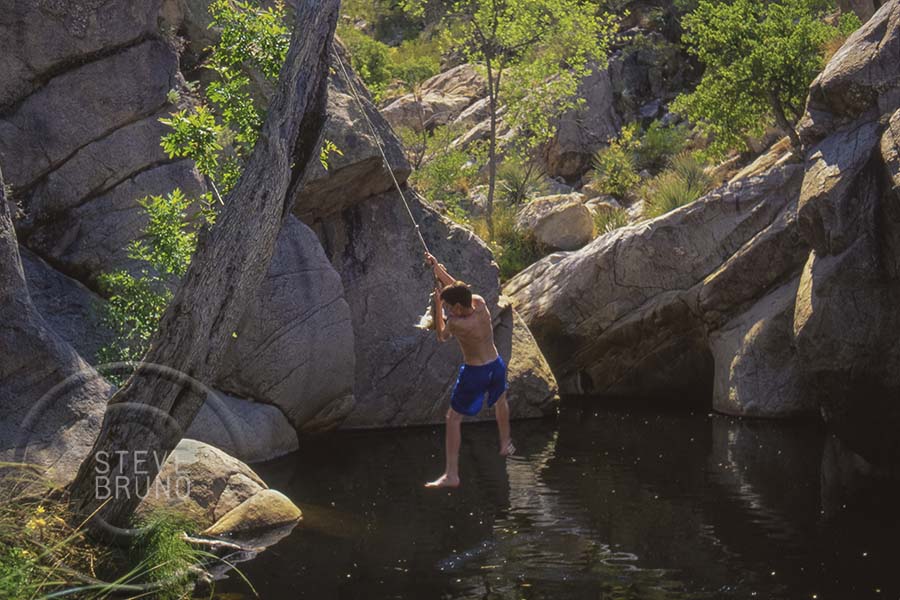
I truly enjoy spending time in the great outdoors and taking photographs of nature, but I’m not sure any of those photos convey a sense of fun. Sometimes we just want to feel like the kid swinging from the rope, ready to release and splash down into the pool. Maybe there’s an image of your kind of fun in the gallery below!
As I developed as a photographer, it was evident that I was becoming more of a morning person. Part of this was due to the fact that I was living in the desert, and hiking and just being outdoors were limited to mornings on many summer days. When I say morning, I really mean from an hour before sunrise to about an hour after sunrise. That’s when the light can be truly amazing.
As I started travelling to the National Parks and other highly popular areas, I really appreciated the diminished (and sometimes lack of) crowds first thing in the morning. I can understand being on vacation and wanting to sleep in, just not if you’re a photographer.
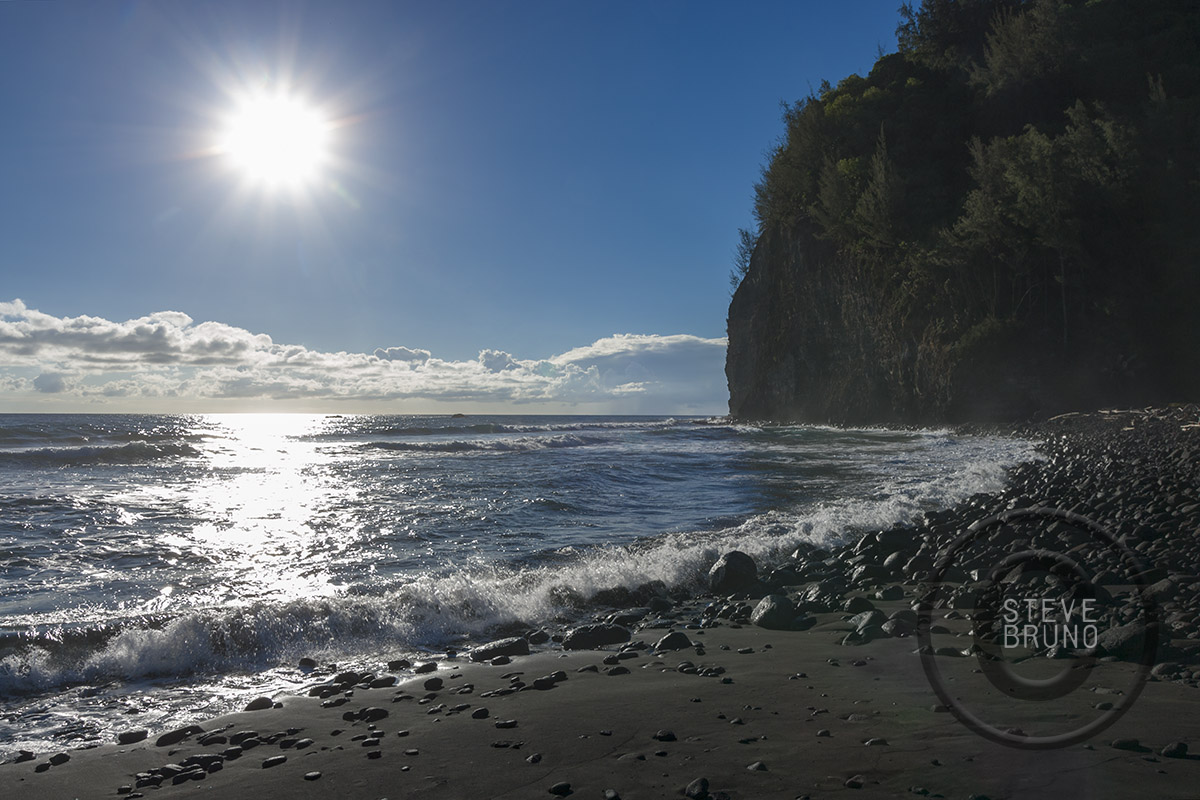
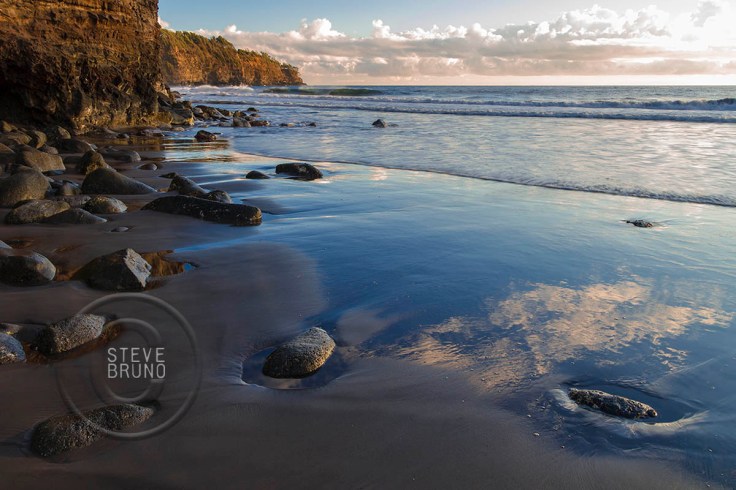
That brings me to my photos for this week’s challenge. I was on vacation in Hawaii with quite a few family members. We had been to this spot the day before, and I just looked at everything and knew I had to come back for a sunrise. Upon returning to our rooms, I said, “I’m going back there first thing in the morning, who wants to join me?” As I expected the answer was pretty much silence.
I arrived at the parking area just before sunrise and took a couple shots before hitting the trail. It was a fairly short trail which descended a couple hundred feet to the beach. It was a very relaxing, almost meditative, morning on a beautiful black sand beach. About an hour later another person came down the trail, and by that time I was ready to head back.
I generally don’t like to wake to an alarm clock, but for occasions like this, I am glad to make exceptions.
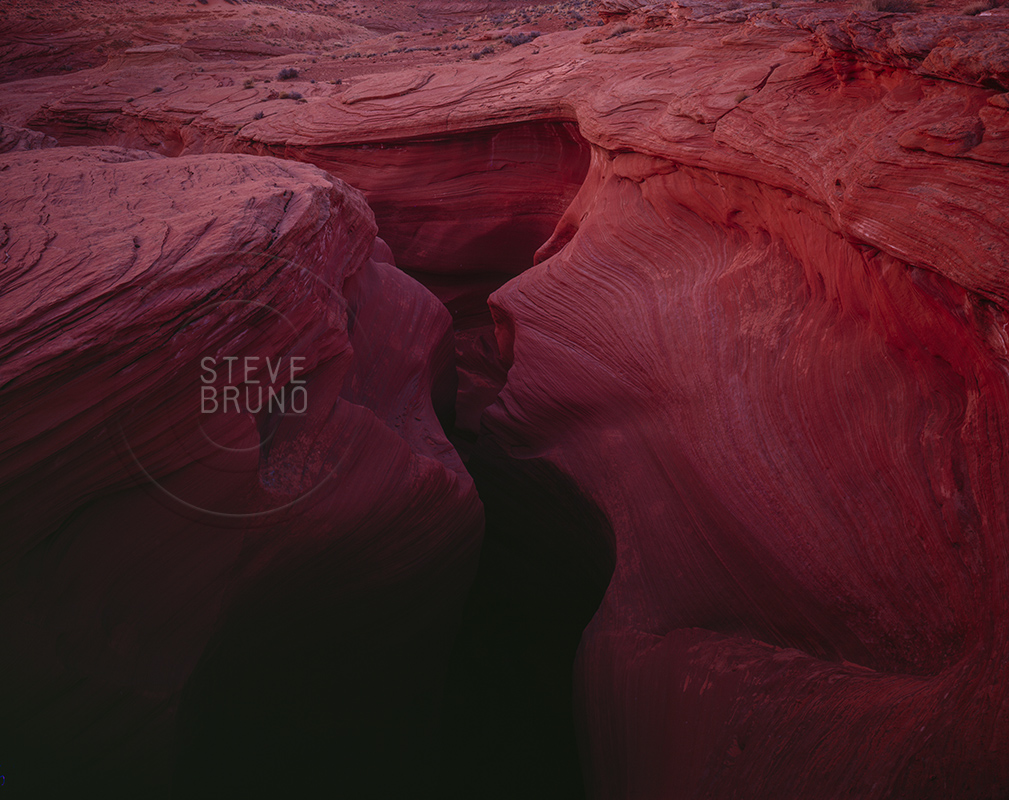
This week’s Daily Post Challenge of Narrow made me immediately think of slot canyons. The most famous (and photographed) one is Antelope Canyon, and you can find thousands of shots from inside the canyon, but have you ever wondered what it looked like from outside? This is lower Antelope Canyon (above), and that narrow crack in the earth is about 50 to 60 feet deeper than what you can see at this spot. Water has worn it smooth all the way, so think of this as the bathtub drain if there’s a thunderstorm nearby.
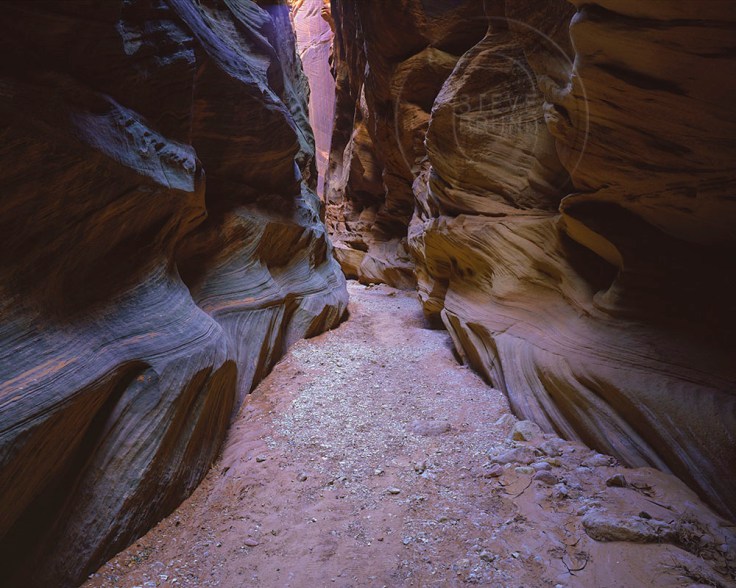
Not far from Antelope Canyon, even deeper and equally claustrophobic is Paria Canyon, with the branch known as Buckskin Gulch. Once you’ve entered, it remains this narrow for miles, with few escape routes. The drainage continues upcanyon for many miles, and there are logs jammed in a couple spots high above your head to remind you that this is a sunny day hike. If it has flooded recently, you will find this impassible due to quicksand.
A much tighter series of canyons exist in Cathedral Gorge State Park in eastern Nevada. No chance of being caught in a flood here, because these don’t travel very far. In some spots you will have to walk sideways to get through. Without some object providing a sense of scale, this may be difficult to obtain perspective, but I can’t walk through this canyon with my feet side by side.
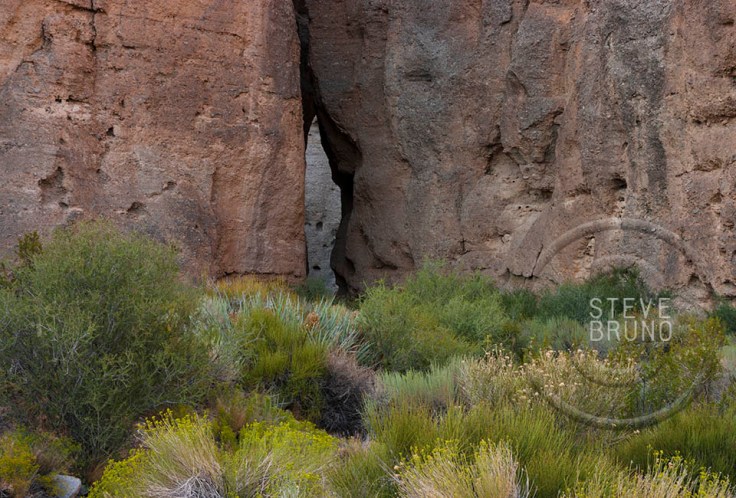
One place that I find quite unique is this series of canyons at the base of Mount Charleston, Nevada. The canyons themselves are not that narrow or deep, but there is this narrow passage from one canyon to the next one.
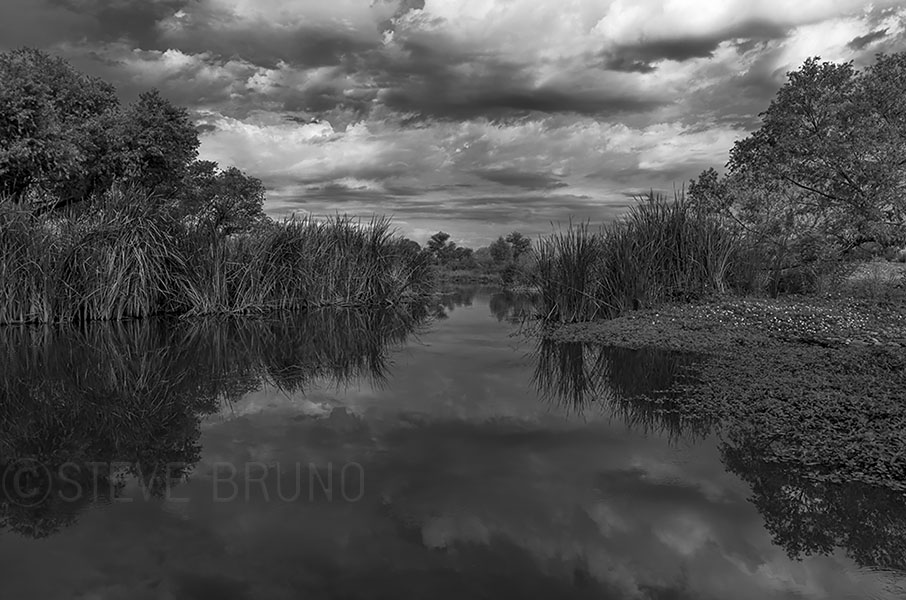
I love hidden treasures – those places you come across that very few people visit or even know about. This is one of those places. It’s on the edge of metropolitan Phoenix, Arizona, and so close it may be in the city limits. But, for the millions living there, most have never seen this.
The water flows year round, and it used to be the dogs’ favorite spot for a walk. Just not today. Photography came first. The scents of the river covered my clothing, and I was frantically sniffed upon returning, and given looks that said How could you go there without us? I was soon forgiven because dogs are great at that.
This is my contribution to Leanne Cole’s Monochrome Madness this week. You can see what other bloggers have added at Leanne’s site.
Since I primarily take photographs of nature, my detail shots are mostly in the form of plant life. Even if I lived somewhere besides the desert, I think I would still be fascinated with cacti. Sometimes they’re shaped bizarrely, sometimes perfectly symmetrical. And when you move in close (but not too close) they provide elaborate details. Most would be vulnerable to damage from insects, birds, and animals if it weren’t for the defense mechanisms – all those thorns.
While many of you live in climates where flowers thrive, we are provided with only a limited showing of those. Even in the driest of years, when the rest of the desert is stingy with blossoms, the cactus bloom.
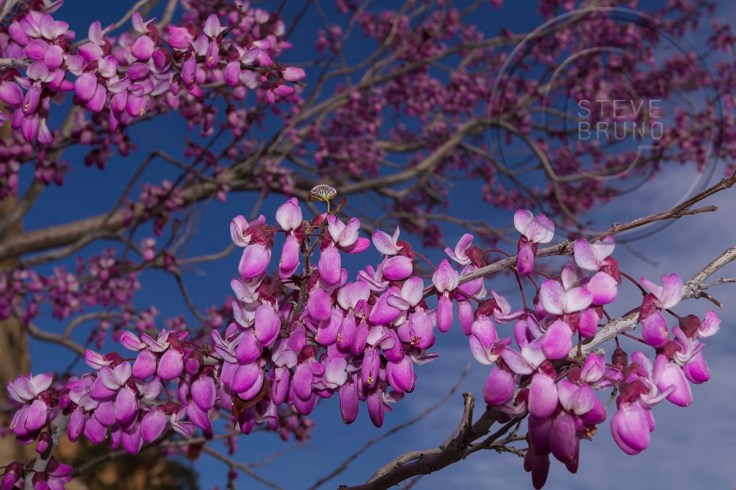
Trees are the other guaranteed bloomers around here, such as this redbud from nearby Red Rock Canyon.
In bloom or not, trees can be fascinating subjects, such as this one from Hawaii with a very entangled root system, or this detail of a bristlecone pine tree.
In the southwest, details of canyon walls can make for good photos, such as this one of cross-bedded sandstone in Valley of Fire State Park, or this etched detail in Fletcher Canyon.
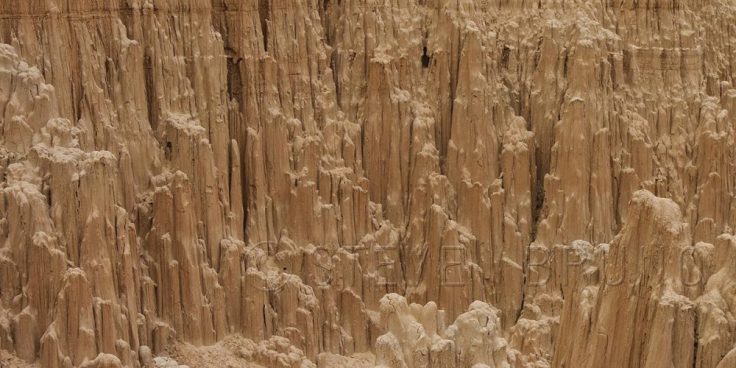
When I think of detailed shots, the first thing that comes to mind are close-up or macro images. But sometimes, there are landscapes that have so much going on, that it’s hard to not just look for all the details. This one is from Cathedral Gorge State Park, Nevada.
Textures in eroded clay and sand in Cathedral Gorge State Park, Nevada. Photo by Steve Bruno.
This week’s Monochrome Madness has the theme of High, and my image comes from Harney Peak, South Dakota. It is the highest point in the state, and stands above everything for miles. At a little over 7200′ it is not a very high altitude compared to those in the Rockies or Sierra Nevada, but its exposed summit and encompassing vistas make it seem loftier.
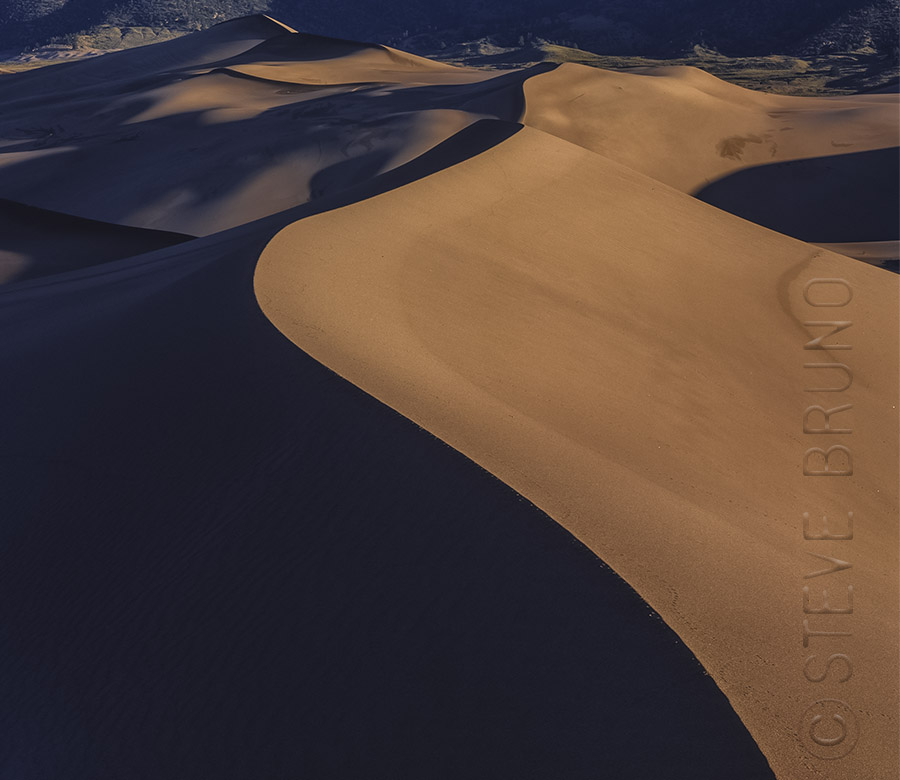
For this week’s Daily Post Challenge, I’ve found a few shots where the emphasis came from the curve in the photo. The top shot comes from Great Sand Dunes National Park in Colorado.
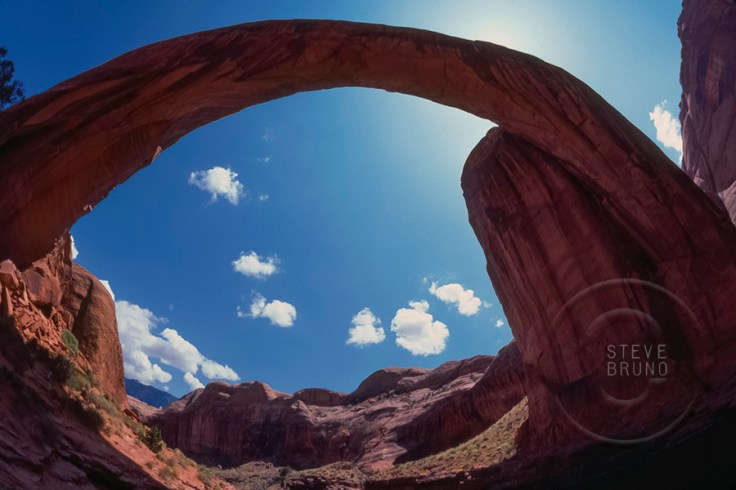
Rainbows made me think of curves, whether in the skies over southern Arizona, or frozen in sandstone at Rainbow Bridge National Monument, Utah.
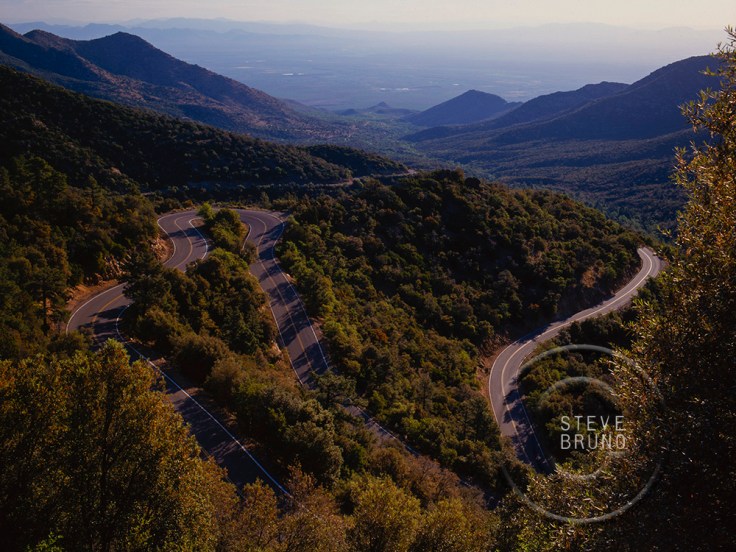
Curves in the road also came to mind, and this one has plenty. It’s called the Swift Trail, and it heads up the Pinaleno Mountains of Arizona. As you can tell, there’s nothing swift about this drive, but it can be a lot of fun, and takes you into a beautiful mountain range.
Also in Arizona, you will come across many of these Saguaro cacti. Although the younger ones are a single column, the older ones develop arms that often curve gracefully.
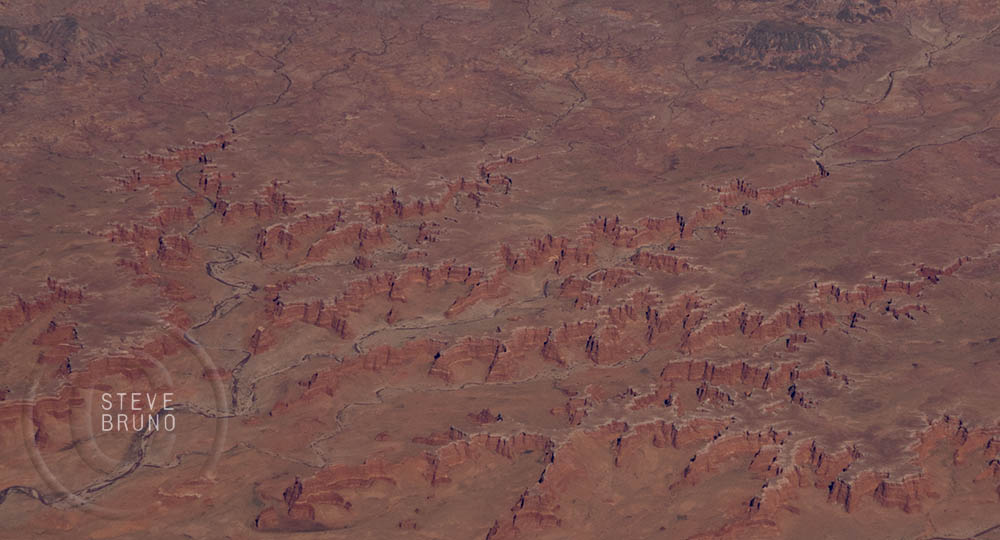
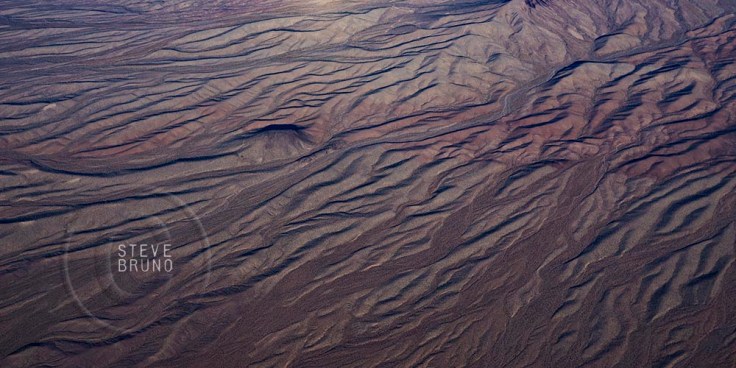
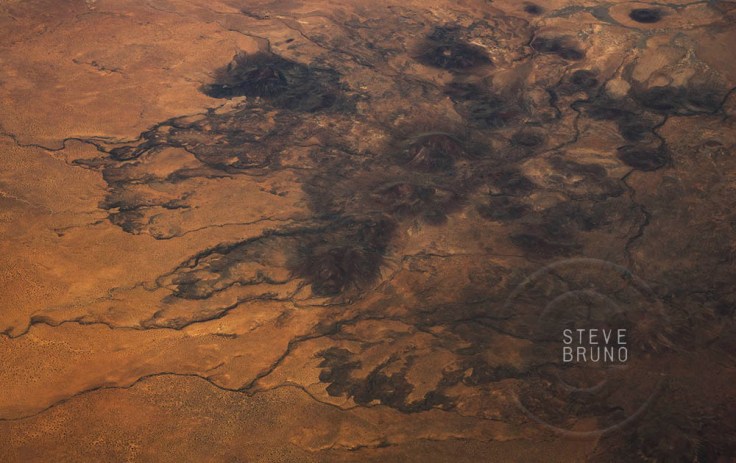
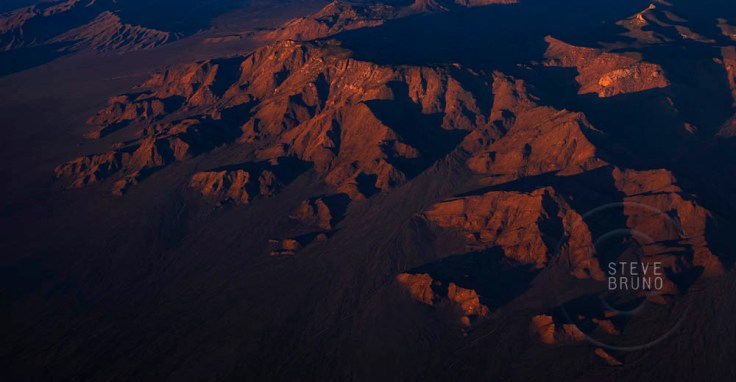
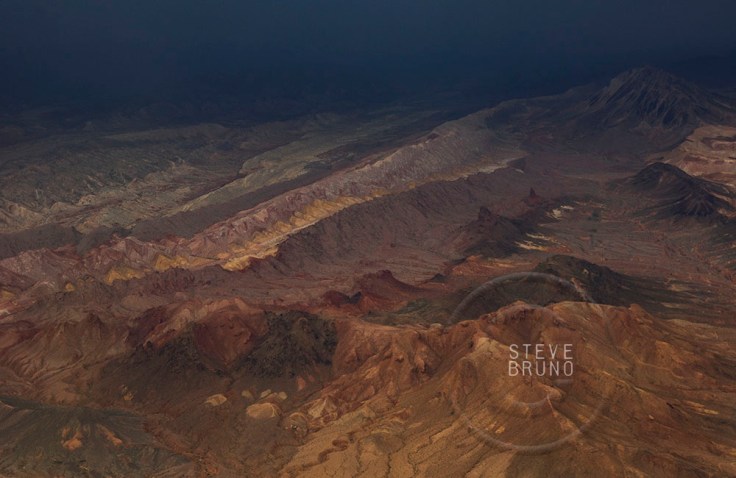
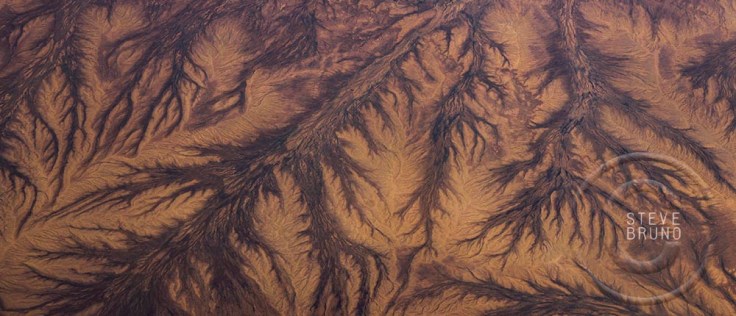
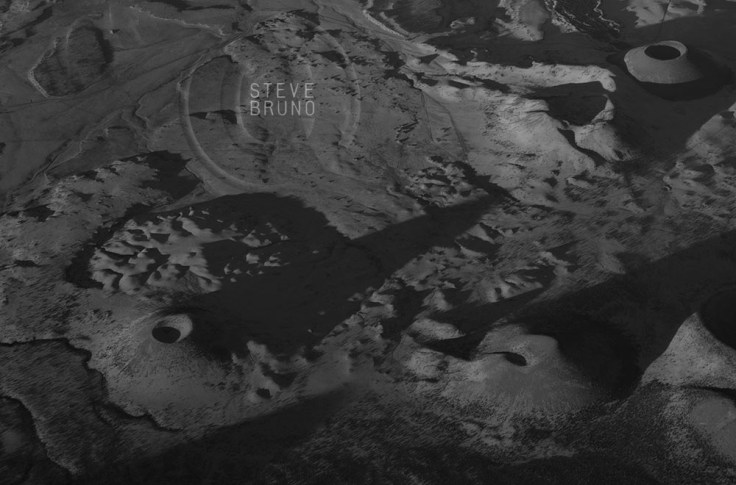
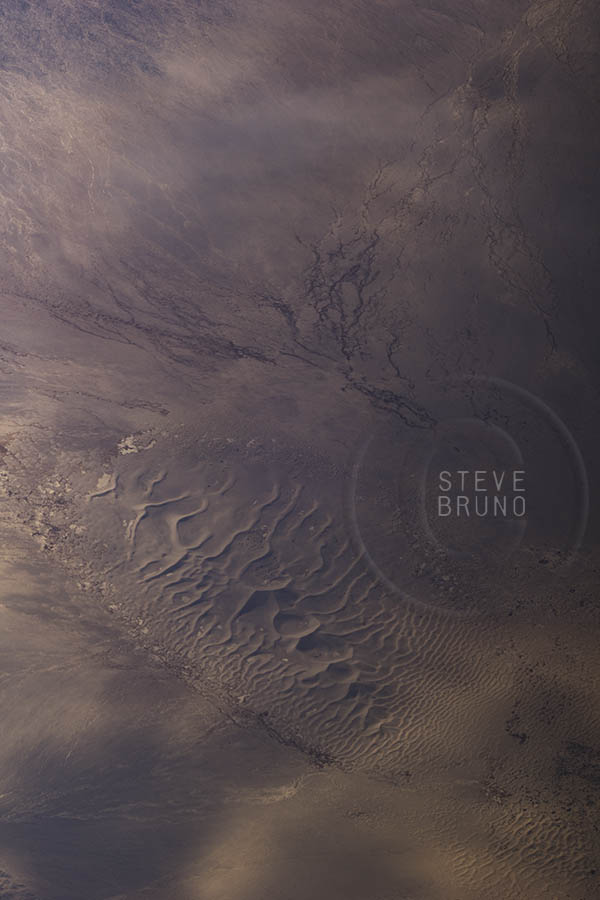
Well, the obvious answer is Earth, but several locations I’ve flown across bear resemblances to sci-fi movie settings. These are all desert locations, so it probably helps that I fly in and out of Las Vegas. This also means we’re still at an altitude low enough to see great detail.
Textures of the Mojave DesertHills in the desert of southern ArizonaMountains near Lake Mead at sunsetDesert ridges by stormlight outside of Las VegasWash patterns, northwestern New MexicoCraters Near FlagstaffDesert and dunes near Death Valley
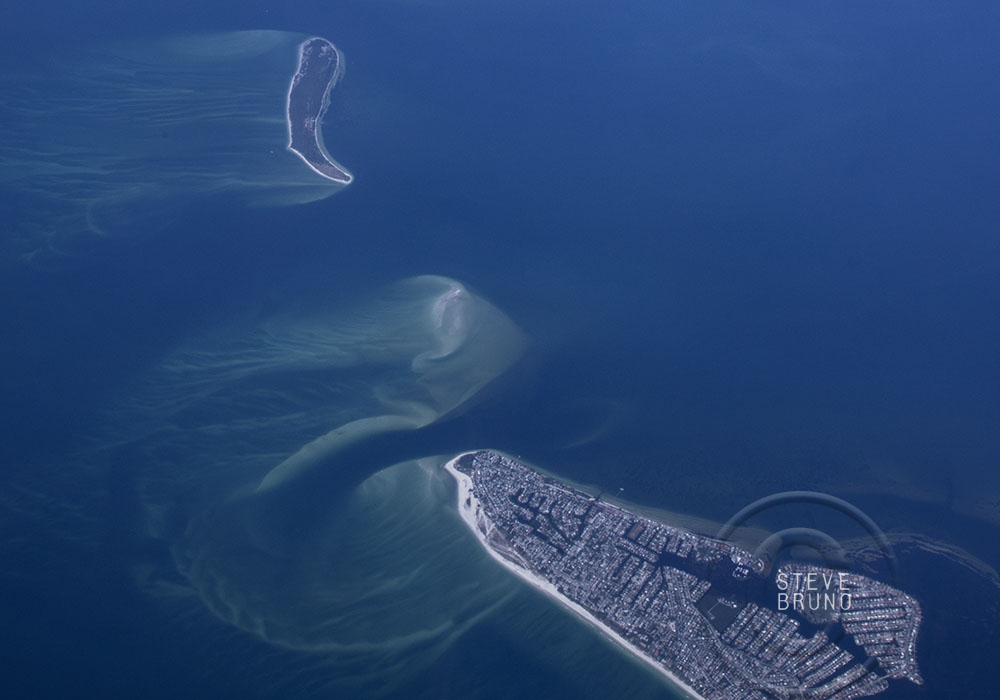
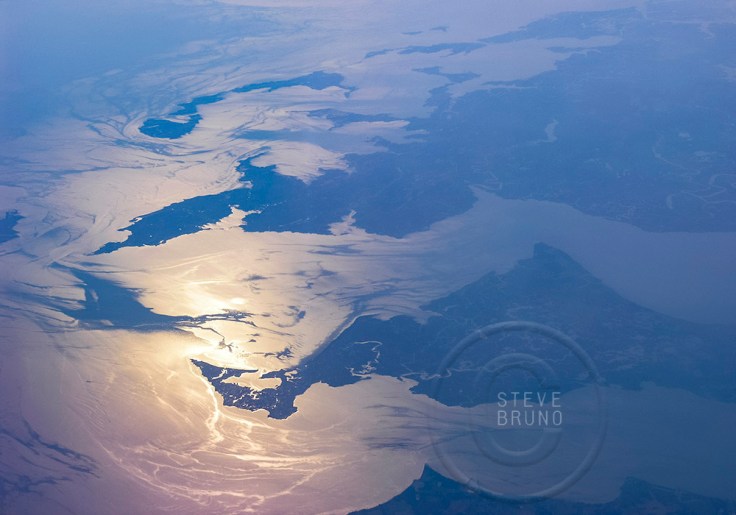
Although most of the flights I have taken in the US are entirely over land, there are times when the direct route veers over the ocean or other larger bodies of water. The contrast can make for striking compositions. It’s interesting that ocean currents seem to appear in photos from above, as in the top image, taken off the west coast of Florida. I don’t know my bearings off the mid-Atlantic so well, but I think the next shot was over the Chesapeake Bay, where patterns on the water also show up.
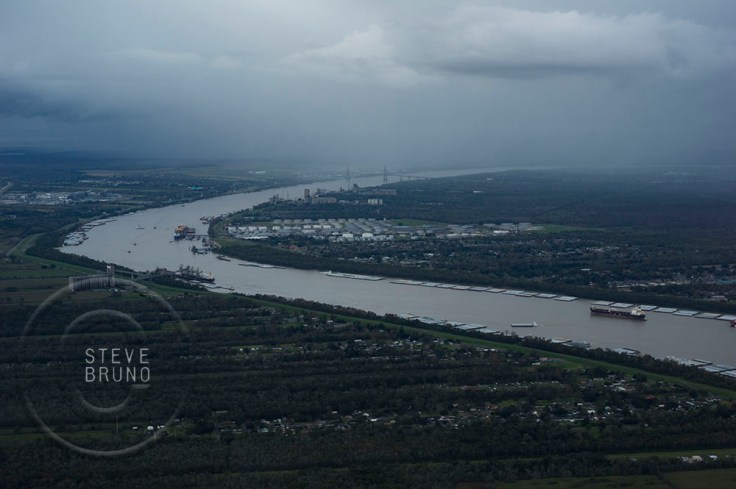
Rivers dissecting the land make great subjects, especially where they cut a sinuous course. This one, the Mississippi River shortly after takeoff from New Orleans, has those moments, but is more like a boating superhighway here.
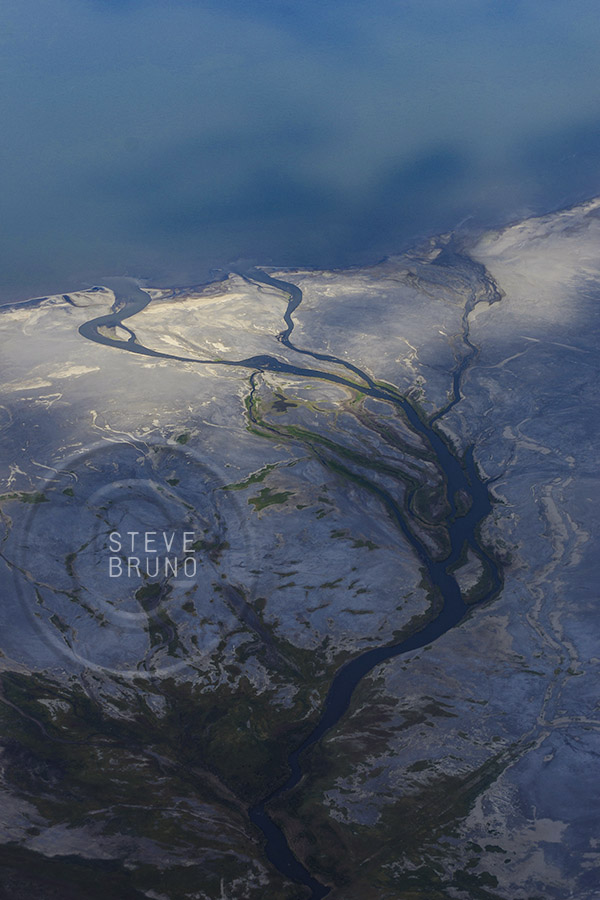
Sometimes flights make it over the meeting of two water sources, such as this one from the edge of the Great Salt Lake, Utah.
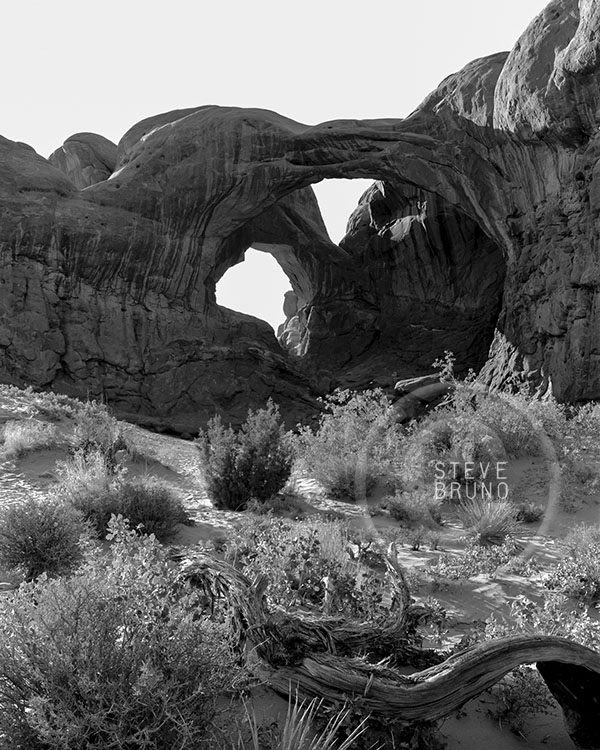
Memorial Day is this weekend here in the US, which typically marks the start of summer travel season. Many of America’s National Parks can be exorbitantly crowded this time of year. Arches National Park (above) is no exception to the crowds, but doesn’t have the nearby accommodations to handle the masses that visit Great Smoky Mountain or Grand Canyon. The National Park Service is celebrating its 100th year in 2016, and is offering some free days to visit (in case an incentive is needed) this year. The remaining days are: August 25-28, September 24, and November 11.
This photograph is an older one of mine, taken in summer when things were a little quieter in Arches NP. This is not a conversion from color, and the original is on Kodak Pan-X 4×5 film. In the past, I made several prints from this in my home darkroom, one of which still hangs on my mom’s walls (she happened to be a few feet away when I released the shutter on this one). It’s been kind of reassuring to know I learned the printing process correctly when I see this print on my visits, as I have replaced several color prints of hers which have not stood the test of time.
This is my addition to the collection of b&w images for Leanne Cole’s Monochrome Madness this week. You can check out other photographers shots on her site.
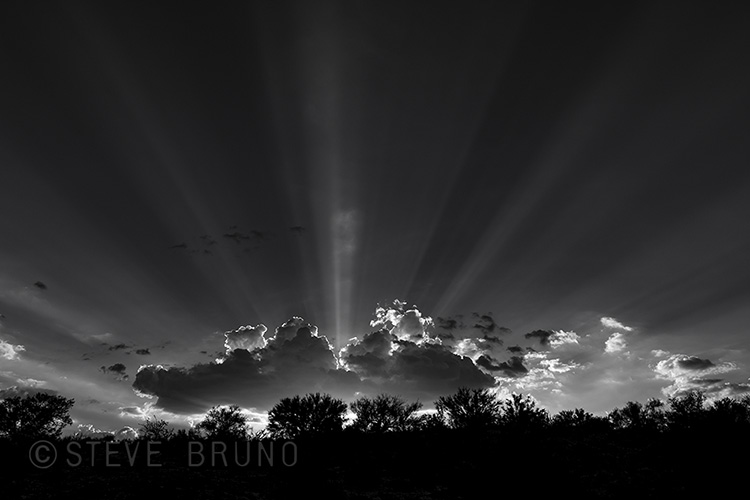
Cumulus clouds and sunsets can often combine for some of my favorite lighting in color photographs. This was a bit early for the underside of the clouds to display the changing colors, but the atmospheric conditions made the timing for this shot perfect.
This is my contribution to Leanne Cole’s Monochrome Madness this week. You can see more b&w images from other photographers on her website’s blog.
It has occurred to me that I’ve been on this blog over a year now, and there’s one face you haven’t seen – mine. We were out hiking a couple weeks ago when a friend took this photo of me on her phone, then later processed it a couple ways. This is the variation we both liked best. So, for this week’s challenge, here’s yours truly!













 Steve Bruno Photo
You must be logged in to post a comment.