Search

Steve Bruno Photo

Tag

Utah

Lines

I am always intrigued by desert plants and how they grow and bloom.  The agave (above) grows from a tightly packed center.  As the leaves peel outward, they retain the lines of the leaves they grew adjacent to.  The plants provides great lines and textures and photograph well from many angles, but I always liked this one showing the core.

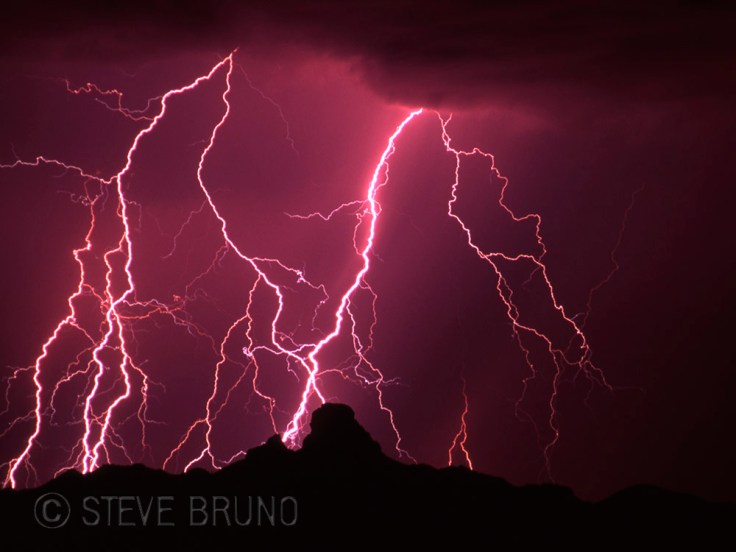
Bolts of lightning always leave fascinating lines, whether a single strike, or a multitude.  This was probably the most potent and tightly concentrated thunderstorm I ever photographed.

lightning, Arizona, monsoon, desert, Steve Bruno

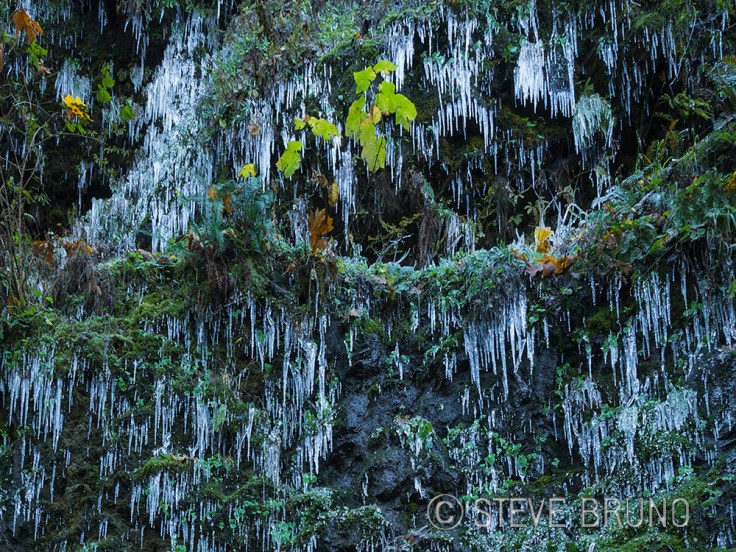
Another weather situation that can provide great lines to photograph are icicles.

icicles, Oregon, waterfall, Steve Bruno

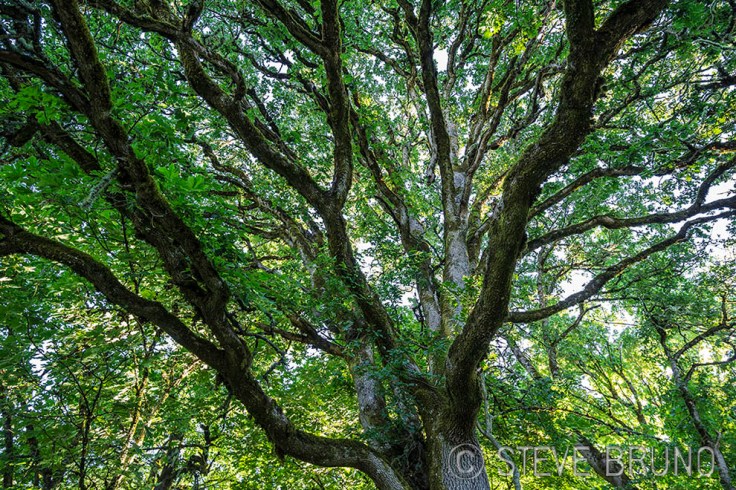
I’m always looking for trees to photograph, mostly based on their lines and the shapes they create.

tree, patterns, Steve Bruno, Oregon

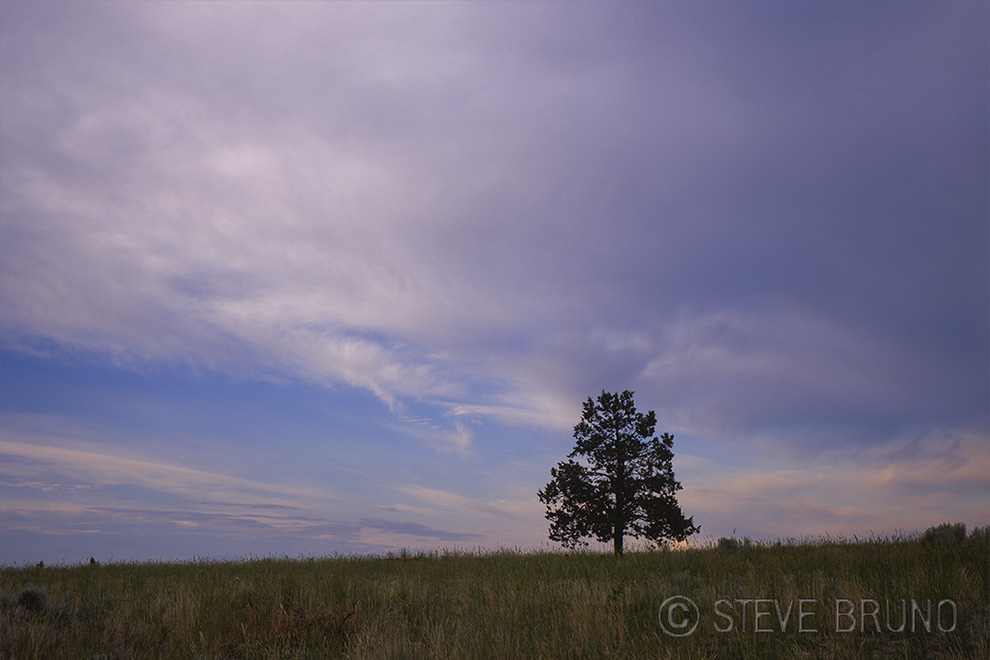
Sometimes, I don’t even have to look upward to see the photograph I want from a tree.  Ponderosa pines are one of many types of trees with great bark patterns.

tree bark, ponderosa pine, forest

I find that landscape photographs are often best when there are lines that take you through the frame.  The southwestern US has many locations with powerful lines.

Escalante, Utah, canyon, desert varnish, gottatakemorepix

The canyons near Escalante, Utah streaked with desert varnish, or the twisted sandstone of the Vermillion Cliffs are just two examples of that.

Vermillion Cliffs, National Parks, Arizona, desert, sandstone, Steve Bruno

Earth Day 2018

I remember the first Earth Day in 1970.  At our school, each of the students was given a small tree to plant.  We planted ours in the front yard, and it remained a small tree for what seemed an eternity.  Although I have not lived in that house for many years now, I can go on Google Earth for a peek and see how much it has grown.  Although that is just one simple act, I cannot get a visual progress reminder how my daily efforts to be as green as possible are working.

When I planted that tree, I was still young, and didn’t realize that an environmental movement was needed.  I do remember public service ads against littering, and that it wasn’t uncommon to see a bag or a can flying out of the window of the car in front while driving down the highway.  I don’t think I began to comprehend the magnitude of mankind’s waste until the first time I heard the expression acid rain.  As our numbers grow, it becomes increasingly difficult to maintain a healthy planet, especially with consumer products becoming cheaper, and in the minds of many, more disposable.

Somewhere near the top of our environmental problems list would have to be our use of plastics.  Once they find their way to major rivers and oceans, they mostly end up in one of 5 garbage patches currently circulating our planet’s oceans.  Fortunately, there is an effort underway called The Ocean Cleanup, whose goal is to eliminate these vast floating debris piles.  You can go to their website to read more about it, or possibly donate to their cause.  This is, of course, just a large band-aid to a large problem.  The real solution is to curb our use of plastics and make sure they end up being recycled.
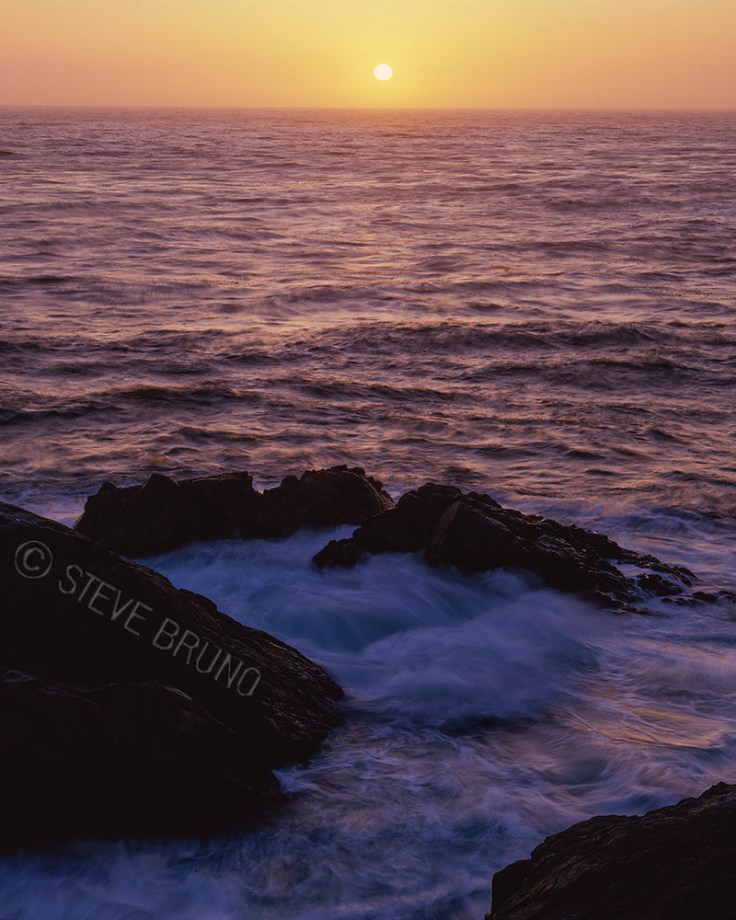
Pacific Ocean, sunset, CaliforniaHere in the US, one of the more prominent issues in recent times was the reduction of the Grand Staircase-Escalante National Monument.  If ever there was a case to show that politicians work for special interests, and not the people, this would be it.  In the public input phase of this reduction, 99% of the respondents favored keeping the monument as it was.  In the redistricting map of the GSENM, they have created three separate national monuments.  Inside the former GSENM lies the highest concentration of well-preserved fossils ever discovered.  It also contains the richest and most accessible coal deposit in the state of Utah, which is no longer under protected status on the new map.  Coal consumption is on the decline in this country, so any coal mined here would most likely be sold to China.

Several lawsuits were filed to block the reduction of the national monuments, and Utah politicians immediately introduced a bill to manage the new property and see to it no further changes could ever be made.  Proposed management of the new national monuments would consist of a seven member panel, of which, a majority would be local county officials.  One of the members would also be appointed by the President, so a real public voice would be lost there as well.  These are still federal lands, not designated as Utah state parks.  Yes, our public lands in the hands of local politicians.  This is a precedence we cannot establish.  You can blame Trump all you want, but this ordeal was promoted and encouraged by Utah politicians.  We can all follow suit from the Outdoor Retailers Association, and some of its vendors, who have boycotted the state of Utah for its policies about the environment and how it should be overseen.  Although unlikely, a boycott by all potential visitors would send a message to the cronies in Salt Lake City that people coming to see the special lands in the southern part of the state provide a viable and profitable tourism economy.  Once this land is tarnished it will remain that way.

On a more positive note, a project I wrote about previously has been killed off.  The Grand Canyon Escalade, was voted down by Navajo Nation Council late last year.  Efforts by the tribe are underway to designate this area as a sacred site, and prevent any future blemishes on this special region from rearing their ugly heads again.  Perhaps a long legacy of Native Americans being offered roses, only to discover that they were just getting the fertilizer, has provided Navajos and other tribes a better insight to what is truly best for them and their land.  A special thank you goes out to the Navajo Nation Council and their wisdom for a long-term vision.
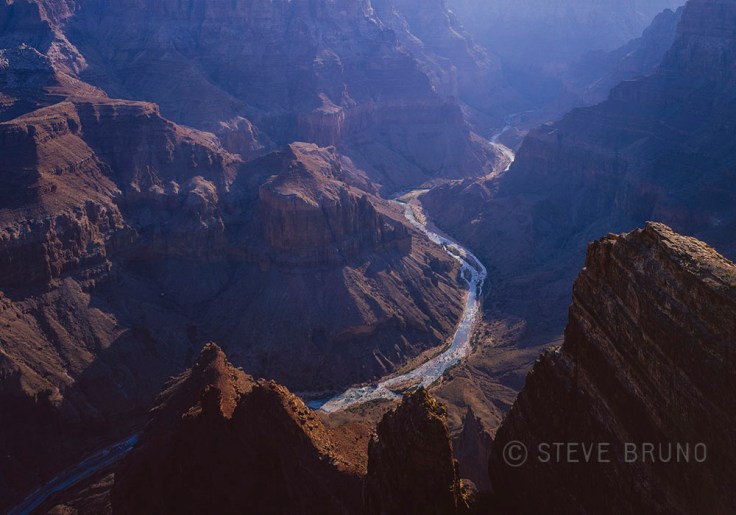

confluence, Grand Canyon, Arizona, Little Colorado River

WPC: Glow

When I saw the title for this week’s photo challenge, I immediately thought of some of the canyons I’ve visited.  The canyons of the southwestern US are great places to hike because there is often shade.  Because of the shade, light reaching the bottom is often reflected off higher sunlit walls, resulting in a warm glow.  In those canyons where water is present, the effect is magnified.

My photo comes from Zion National Park, Utah.  As sunrise lit up the high cliffs on a morning with clear blue skies, the North Fork of the Virgin River glowed from the light being cast onto it.

Monochrome Madness: MM4-11

For this week’s Monochrome Madness, the theme is wild.  I have been to several places so remote, not even the governing agencies could answer my inquiries as to trail conditions or water reliability.  And although these remote places are seldom seen by people, images captured there may not necessarily reflect the feelings of isolation.

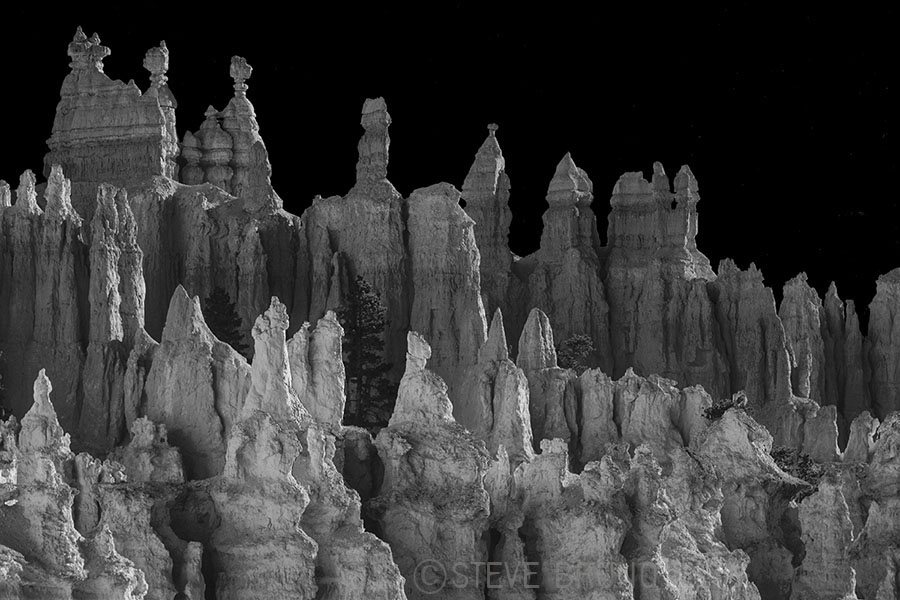
Bryce Canyon, the location of my photo, has spots that you can hike to that will give you a feeling of being in a wilderness, but most of the trails will have you hiking side-by-side with a bunch of strangers.  Despite that, it is still the wildest looking place I have ever been to.  This is my contribution to Leanne Cole’s Monochrome Madness this week.  To see what other photographers have contributed, or instructions to join in, visit her website.

WPC: Solitude

When I first started venturing out on photographic journeys, I felt solitude almost immediately upon leaving the city.  Unless it was a holiday weekend.  Nowadays, finding a quiet space seems a little more difficult, but not impossible.  There are still places where I can hear the pulsing of a hawk’s wings, or a lizard moving upon the sands, or just plain silence.

WPC: Ambience

For this week’s Daily Post Challenge of Ambience, I tried to think of one place that captures the mood of the southwestern deserts.  Monument Valley, in the heart of the Navajo Indian Reservation, tops my list.  As with any location that is highly visited, there is the tackiness that comes with tourism.  But spend a day in this valley, and seek out moments of solitude.  If you happen to be here when the rains come through, you might be rewarded with sunsets like this.

WPC: Resilient

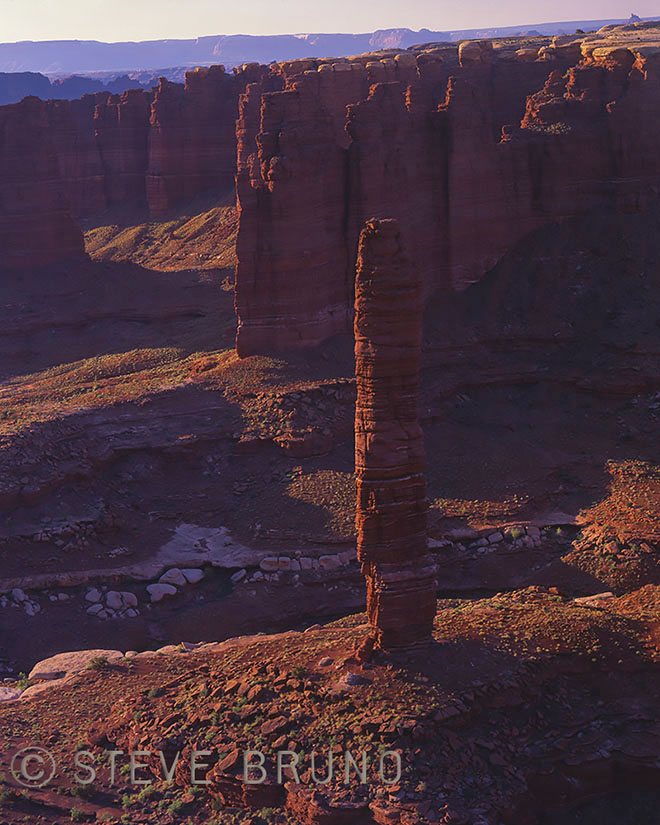
This is a very resilient world we live in, and the desert has many examples of that.  When I saw this week’s challenge, one of the first places I thought of was the White Rim in Canyonlands National Park, Utah.  It’s hard to fathom the resiliency in this pillar of sandstone which remains standing while everything around it has eroded away.  This formation was once part of a long isolated wall similar to those in the background, yet still standing after many thousands (or perhaps millions) of years.

WPC: Chaos

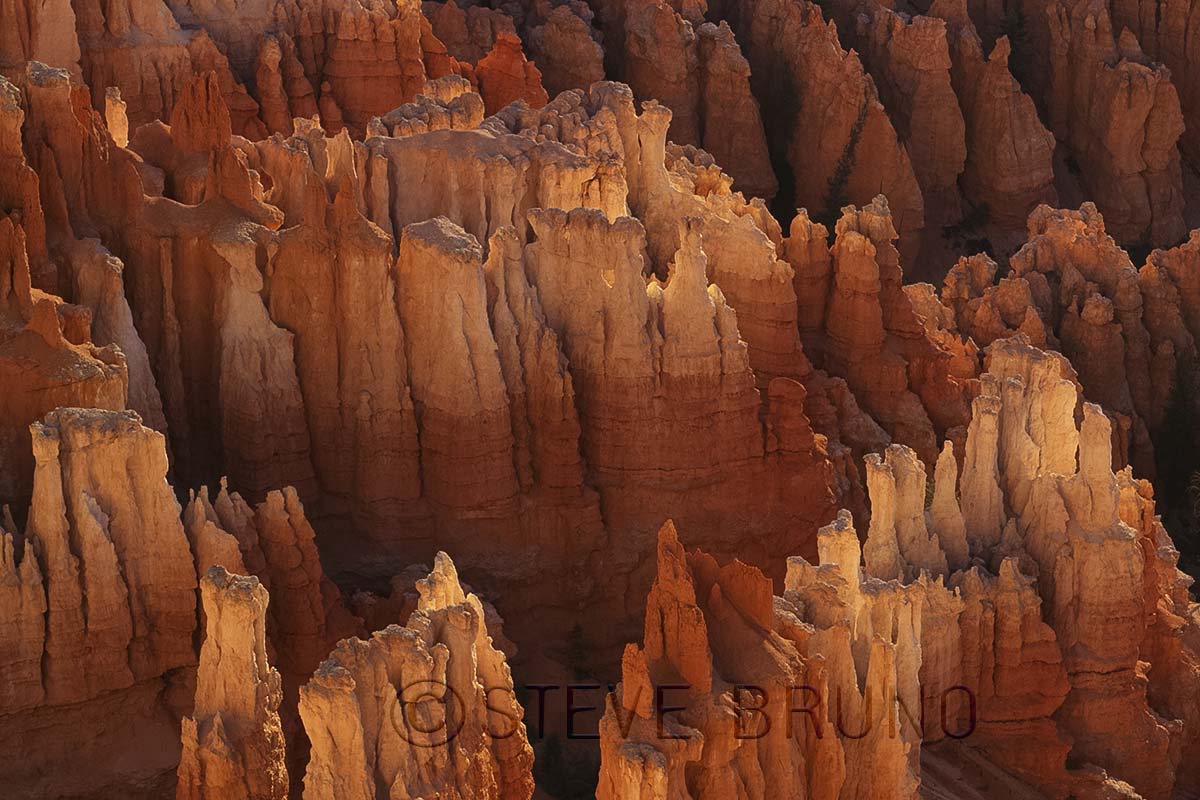
I try to avoid chaos in my photos, so this week’s Daily Post Challenge had me searching in vain, until I thought about it from a different angle.  Nowadays, millions of visitors flock to this place, but the first people to come here must have thought this was pure chaos.  Even though I had seen pictures before visiting, that was pretty much my first impression of Bryce Canyon NP in southern Utah.  Beautiful, intriguing chaos!

WPC: Edge

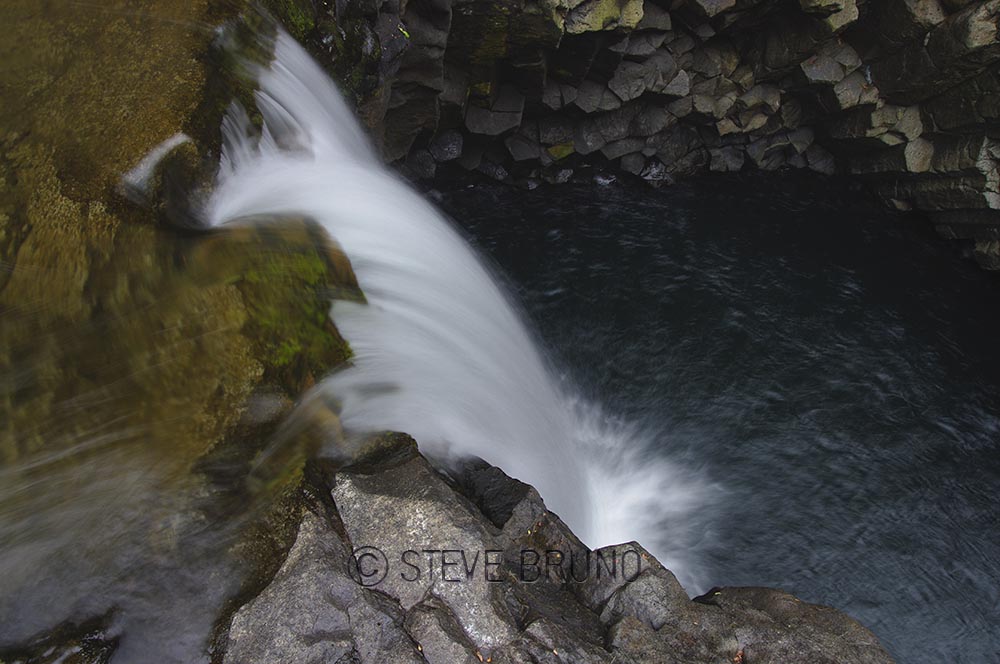
The Daily Post Challenge this week is Edge, and the first thing that came to mind was waterfalls going over the edge, but I haven’t come across too many that allow getting to this angle safely.

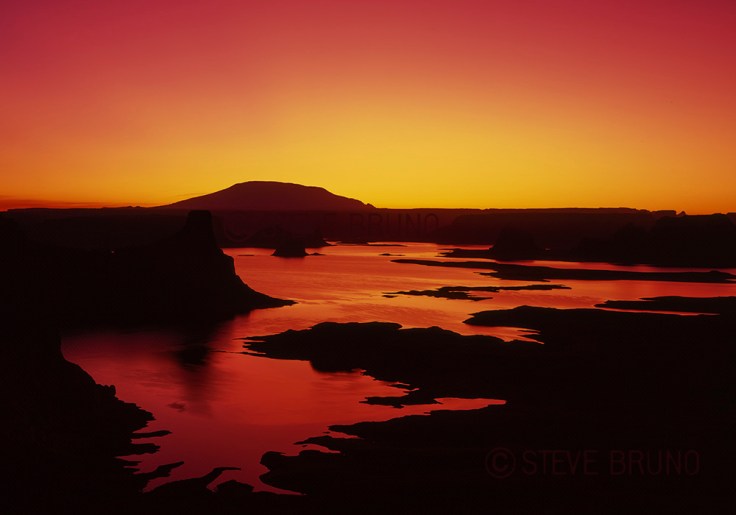
Lake Powell in southern Utah has more shoreline than the Pacific Ocean along the continental US.  In this early morning photo you can see the shoreline’s sinuous edges.

Lake Powell, Utah, shoreline, sunrise, Steve Bruno , gottatakemorepix

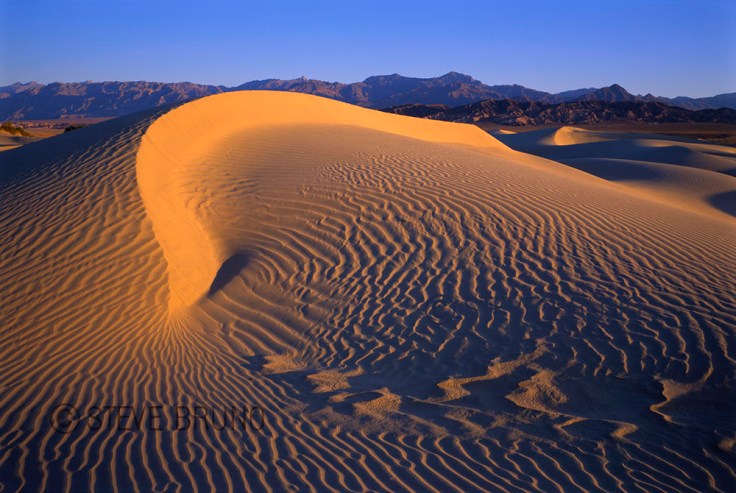
Sand dunes sometimes have well defined edges, such as this one shown here from Death Valley National Park, California.

Death Valley National Park, sand dunes, sunrise, Steve Bruno - gottatakemorepix

These massive boulders are hanging over the edge of a cliff along the drive up Mount Lemmon, just outside of Tucson, Arizona.

Mount Lemmon, Tucson, Arizona, rock formations, Steve Bruno, gottatakemorepix

There are few canyons in the desert southwest as impressive as Arizona’s Canyon de Chelly.  Spider Rock, shown here at the edge of darkness, can only be seen by walking to the edge of the canyon.
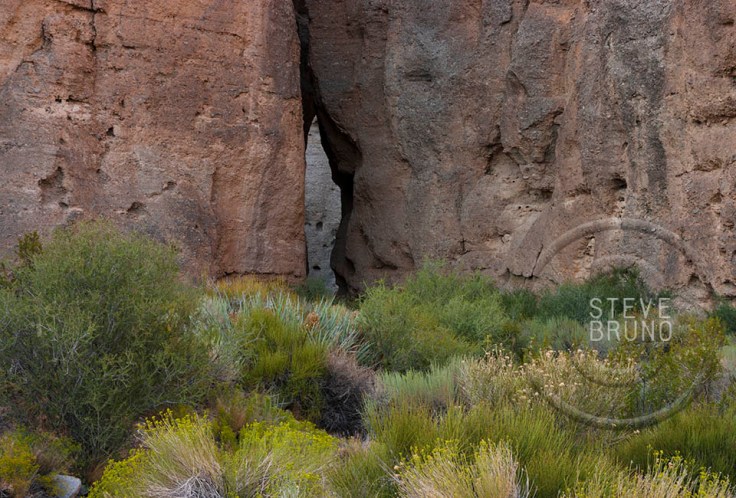
Canyon de Chelly National Monument, Arizona - Steve Bruno - gottatakemorepix

Zion National Park: The Upper East Side

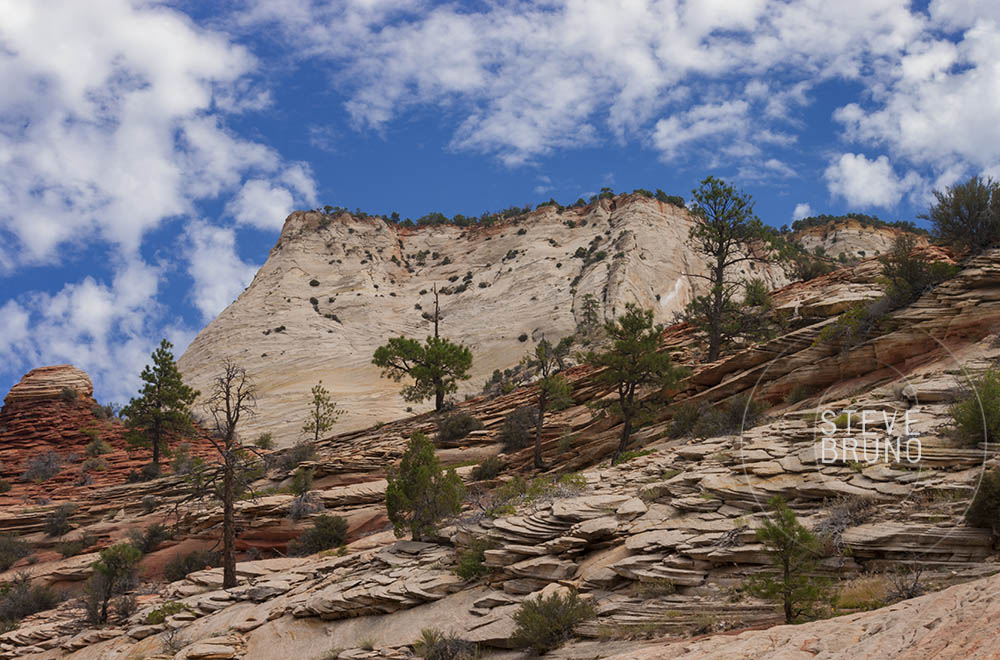
A couple days ago, The US National Park Service celebrated its 100th year.  Although many parks receive significant traffic, there are still parts of those parks where one can stretch out a little.  The east side of Zion NP is one of those spots.

Most visitors to Zion want to see the main canyon and places like Angel’s Landing and The Narrows.  As they head up the winding road and through the spectacular tunnels on the way out the east exit, many are on their way to either Bryce or Grand Canyon.  There are a couple pullouts along this stretch of road, but few spend time here.  Here’s a sample of the features on the upper east side.
WPC: Narrow

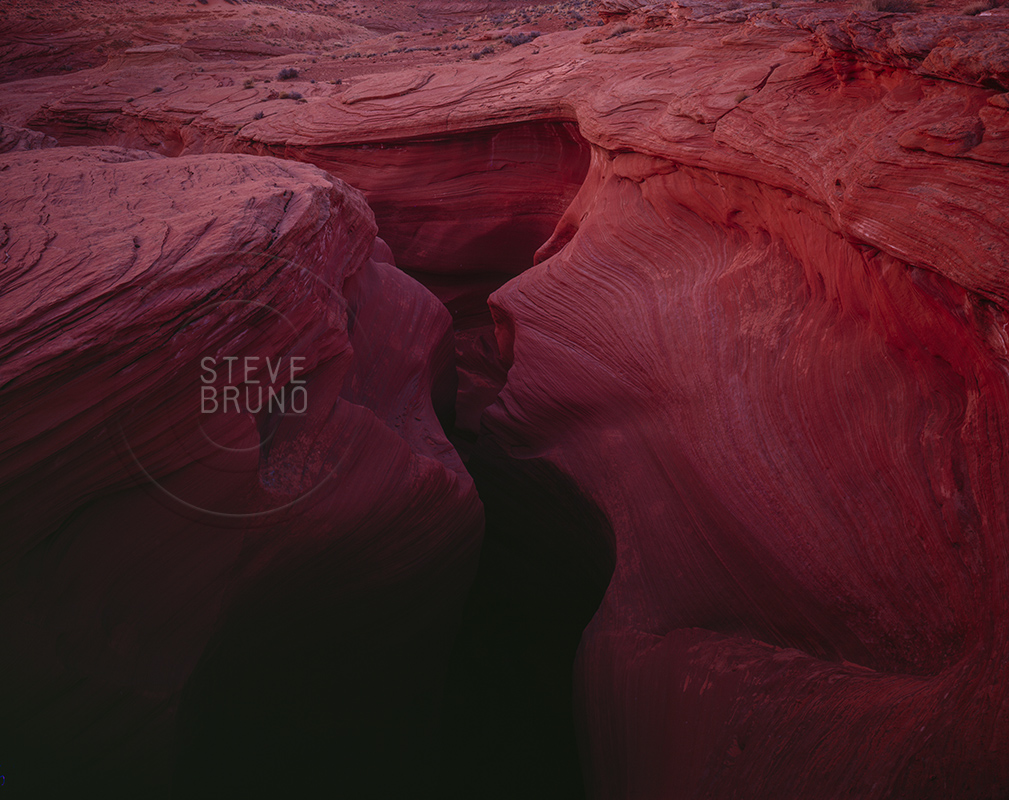
This week’s Daily Post Challenge of Narrow made me immediately think of slot canyons.  The most famous (and photographed) one is Antelope Canyon, and you can find thousands of shots from inside the canyon, but have you ever wondered what it looked like from outside?  This is lower Antelope Canyon (above), and that narrow crack in the earth is about 50 to 60 feet deeper than what you can see at this spot.  Water has worn it smooth all the way, so think of this as the bathtub drain if there’s a thunderstorm nearby.

Not far from Antelope Canyon, even deeper and equally claustrophobic is Paria Canyon, with the branch known as Buckskin Gulch.  Once you’ve entered, it remains this narrow for miles, with few escape routes.  The drainage continues upcanyon for many miles, and there are logs jammed in a couple spots high above your head to remind you that this is a sunny day hike.  If it has flooded recently, you will find this impassible due to quicksand.

Buckskin Gulch - Steve Bruno

A much tighter series of canyons exist in Cathedral Gorge State Park in eastern Nevada.  No chance of being caught in a flood here, because these don’t travel very far.  In some spots you will have to walk sideways to get through.  Without some object providing a sense of scale, this may be difficult to obtain perspective, but I can’t walk through this canyon with my feet side by side.

Cathedral Gorge Narrow Canyon - Steve Bruno

One place that I find quite unique is this series of canyons at the base of Mount Charleston, Nevada.  The canyons themselves are not that narrow or deep, but there is this narrow passage from one canyon to the next one.

Secret Passage - Steve Bruno

Monochrome Madness: MM3-7

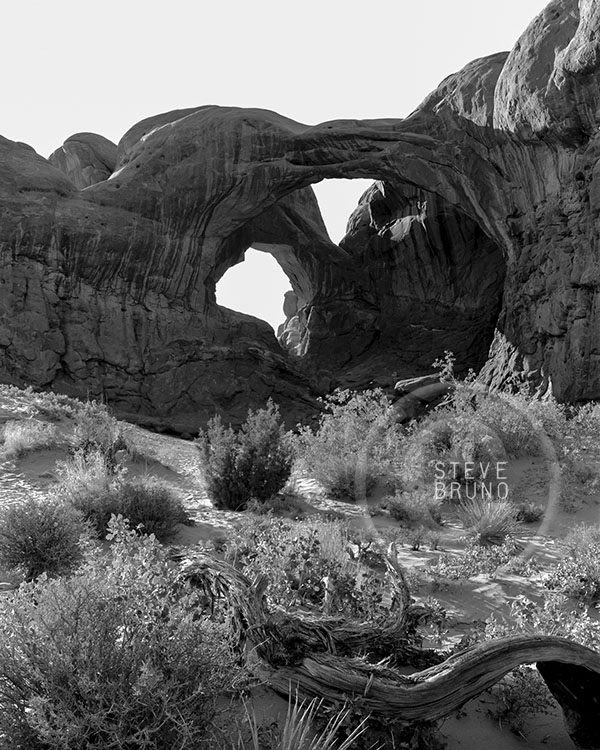
Memorial Day is this weekend here in the US, which typically marks the start of summer travel season.  Many of America’s National Parks can be exorbitantly crowded this time of year.  Arches National Park (above) is no exception to the crowds, but doesn’t have the nearby accommodations to handle the masses that visit Great Smoky Mountain or Grand Canyon.  The National Park Service is celebrating its 100th year in 2016, and is offering some free days to visit (in case an incentive is needed) this year.  The remaining days are:  August 25-28, September 24, and November 11.

This photograph is an older one of mine, taken in summer when things were a little quieter in Arches NP.  This is not a conversion from color, and the original is on Kodak Pan-X 4×5 film.  In the past, I made several prints from this in my home darkroom, one of which still hangs on my mom’s walls (she happened to be a few feet away when I released the shutter on this one).  It’s been kind of reassuring to know I learned the printing process correctly when I see this print on my visits, as I have replaced several color prints of hers which have not stood the test of time.

This is my addition to the collection of b&w images for Leanne Cole’s Monochrome Madness this week.  You can check out other photographers shots on her site.

Blog at WordPress.com.

Up ↑