Search

Steve Bruno Photo

Tag

Steve Bruno Photography

Cee’s Fun Photo Challenge: Close-ups

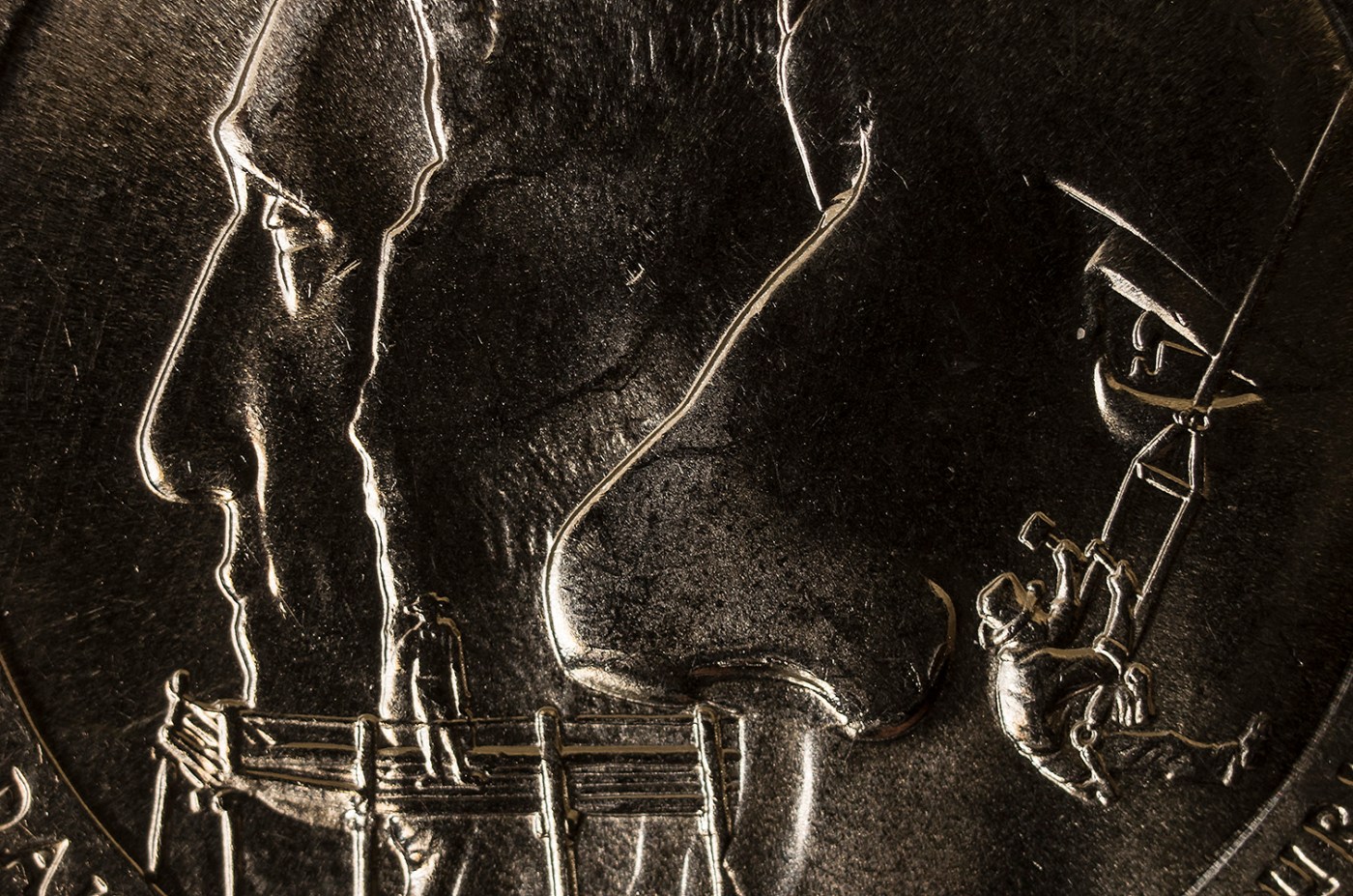
It’s way too windy outside to attempt any close-ups, so I thought I’d have some fun with my camera indoors. The source for this shot – a 2013 US quarter with the tribute to Mount Rushmore (just a reminder that it’s tax time for procrastinators). This is an uncropped shot taken with a Pentax 40mm lens with two extension tubes. Exposure 1/3 second f/8 ISO 200.

In response to Cee’s Fun Foto Challenge  http://ceenphotography.com/2015/04/14/cees-fun-foto-challenge-close-ups/

WPC: Afloat – Yosemite

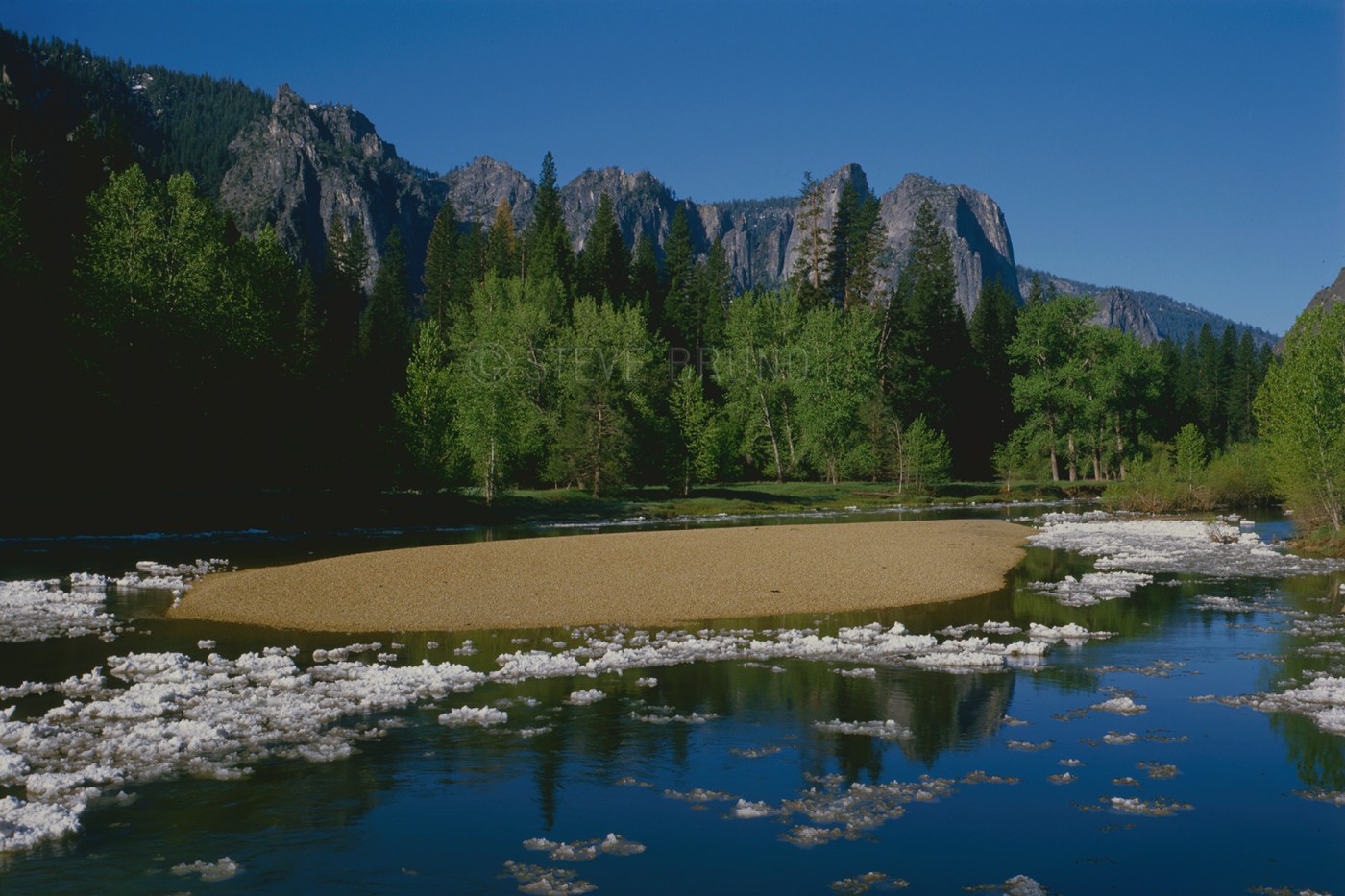
We were in Yosemite in springtime, when a cold front passed through. The next morning there were chunks of ice floating down the river that hadn’t been there the previous mornings. We traced it back to the source – Yosemite Falls. The spray from the falls had built up a layer of ice close to a foot thick during the night and was now melting. This probably happens on a regular basis there, but I have never seen photos of it.

In response to The Daily Post’s weekly photo challenge: Afloat

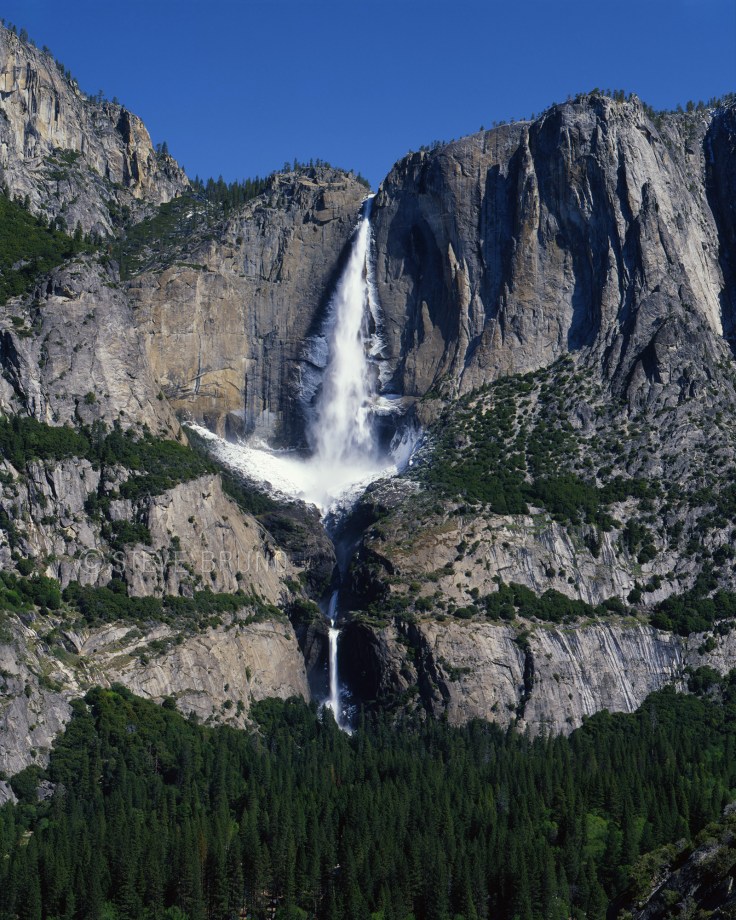
The source for all the ice:

Yosemite Falls in spring, Yosemite National Park, California

Sunday Stills, the next challenge: yellow or wildflowers

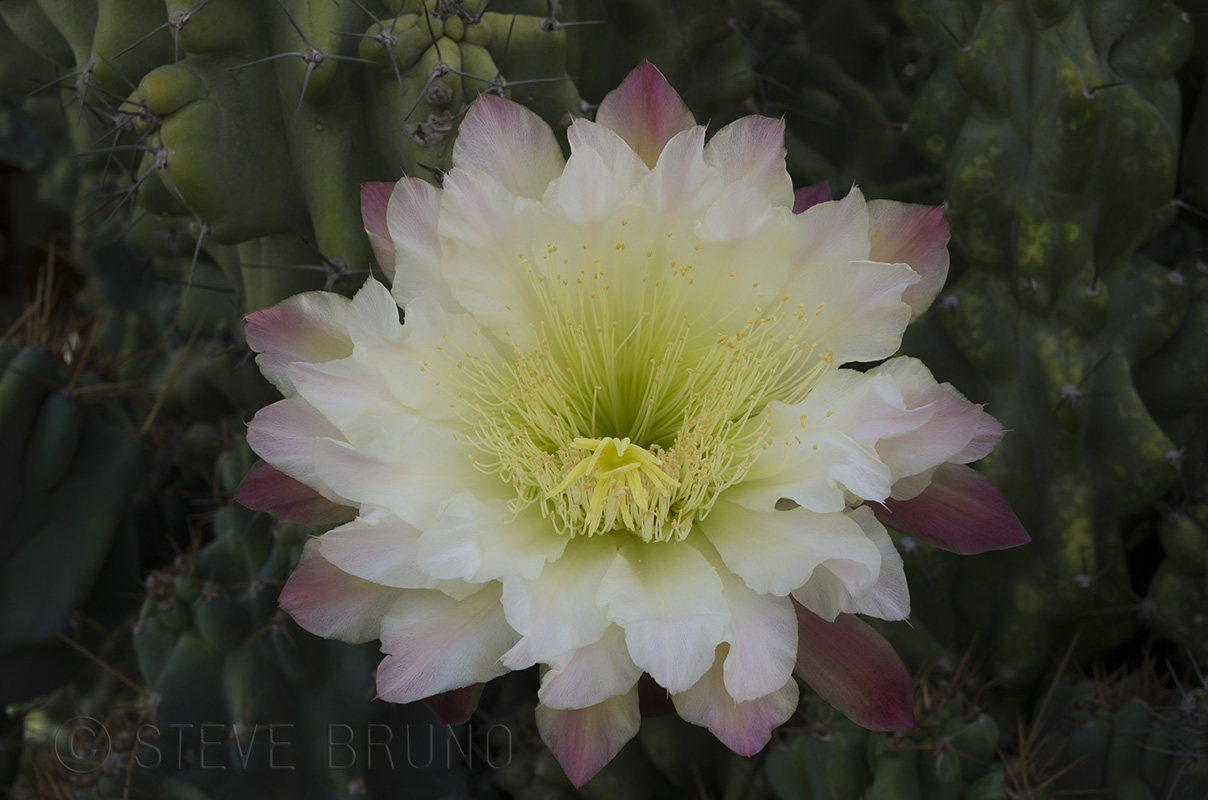
I was down in Arizona this week, and while the early flowers have succumbed to the heat, the cactus are now beginning to show. And, as it turns out, there’s a little bit of yellow in this one.

Sunday Stills: 100+

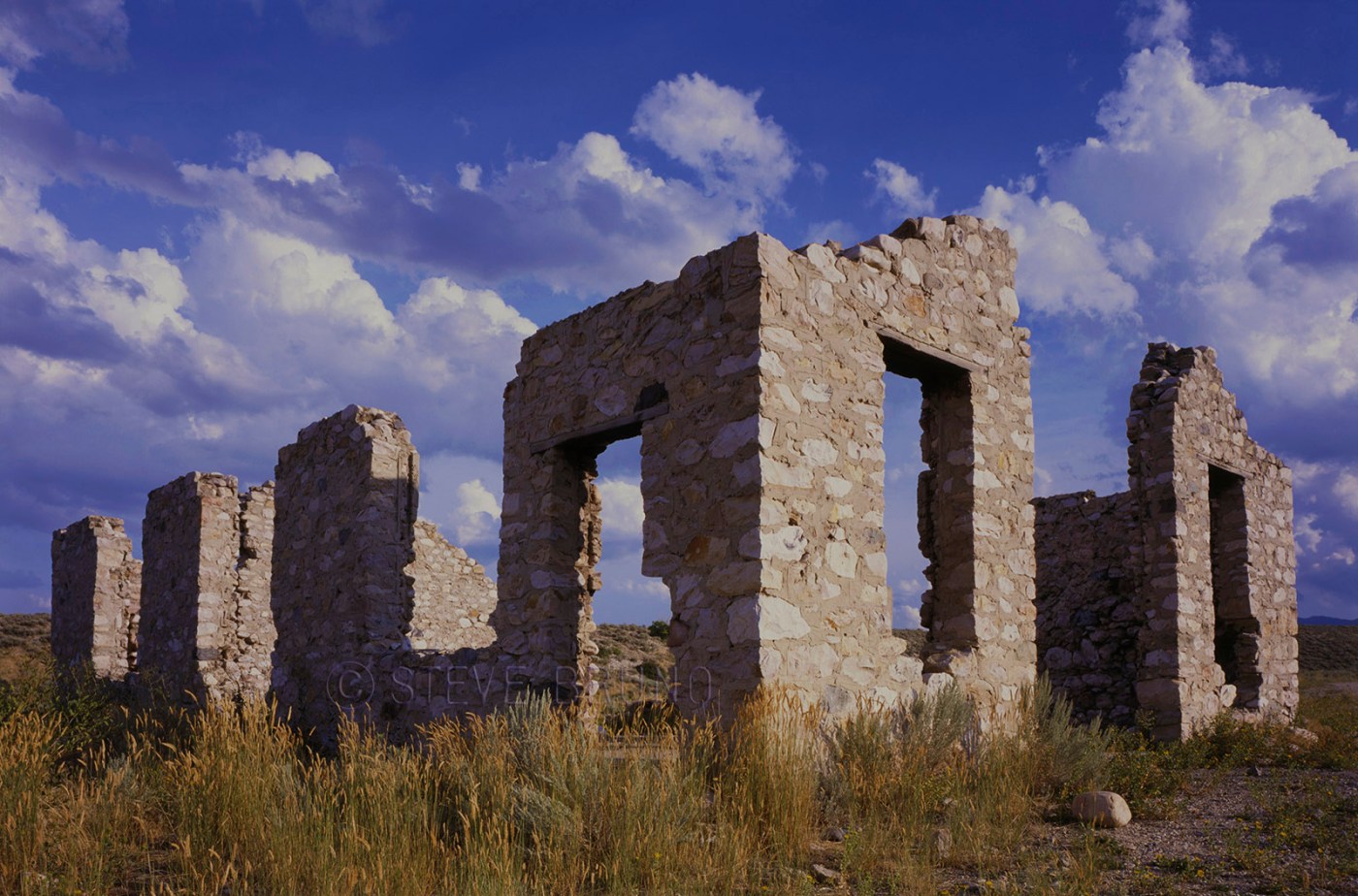
Here in Las Vegas, there is nothing 100 years old. I think it’s an unwritten law that a building must be imploded when it reaches 40 years, with something new and shiny replacing it. I had this shot in my files from the desert west of Salt Lake City, Utah. There were no historical markers or anything to indicate its age or any significance. I’m guessing its time to be from early 1900’s. Maybe a reader with more knowledge on building methods of the past might weigh in with some better info. In response to Sunday Stills Photo Challenge

Seating for hundreds, but only one in the audience

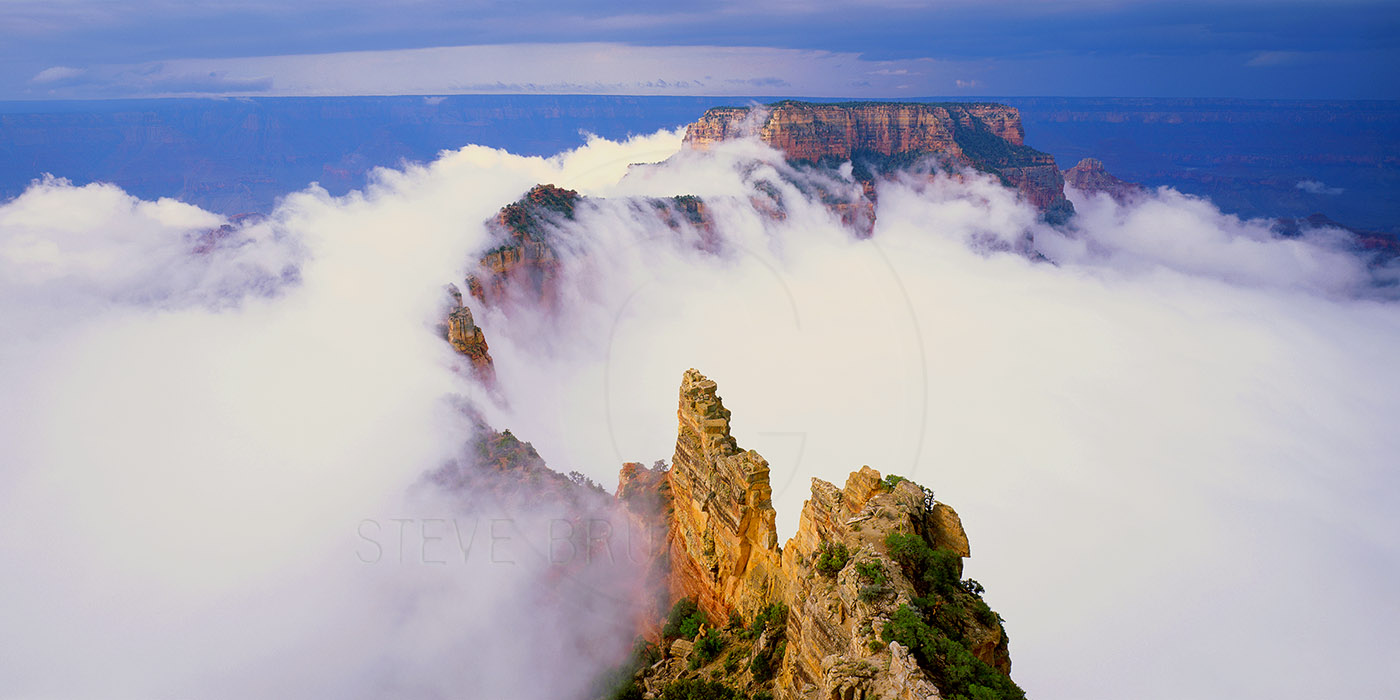
I had several photographs that I considered posting for the ‘ephemeral’ challenge, and this was one of the runner-ups. Besides, it has a story. I’ve spent many days at the Grand Canyon. Months, if you tallied them all up. This was the most spectacular morning I have ever seen there, and this image was my reward for waiting it out.

The Grand Canyon has inversions, about once every several years according to the National Park Service. On those occasions, the whole thing fills with fog and lasts a while and doesn’t offer much of a view into the canyon. This wasn’t one of those events, but in a single still frame it may appear that way.

This morning started like any other. I got up at dark o’clock, crawled out of the sleeping bag, put on appropriate clothing and started my truck (my home on wheels at times). My sleep had been interrupted several times through the night by thunderstorms. Just when I thought they couldn’t get any worse, they did. I was camped in familiar territory in the National Forest outside the park boundary because it is a quiet spot – from people, anyway.

Cape Royal is the last stop on the North Rim Drive. It is only a couple miles away from the North Rim Village as the crow flies, but twenty-something miles for those of us in a vehicle. As I walked out to the point the sky had become less black, and I could see that there was potentially going to be a window in the clouds for the sun to make a grand entrance. The air was still wet, but it wasn’t raining. It was more like the wind was sucking away raindrops from the storms that were a couple miles away to the west, right about where the village and my campsite were. Meteorologists have a term for this, they call it ‘training’. One strong thunderstorm rolls through and sets up a favorable environment for others to follow. I think this one had four engines, because the caboose was nowhere in sight.

This was still the film era. There were no weather seals on my 4×5 camera, and those errant raindrops weren’t going away. As sunrise was getting near, I could see that the opening in the clouds was still there, but if the sun came through it was probably going to be muted. The overall look was still very gray and hazy. The thing that struck me as odd was the lack of people. The parking lot has room for over a hundred vehicles and I’ve seen it full, especially at sunset. Cape Royal is a great spot anytime because of its sweeping view and options for photographs.

Commence act one. The skies in my proximity were ugly, but the sun streamed across the Painted Desert with no obstructions. I was cringing. Raindrops were still drifting in from the west, and as long as that was happening, I couldn’t get a shot. As the sun hit them, they produced a full distinct double rainbow in a purple sky. It was absolutely insane looking! The spectacle lasted for at least five minutes before the color started to shift, and the spectrum became less intense. After another five minutes, the sun slid into the lip of the cloud cover and act two of the show began. All the cliffs below me were wet and glowing from the early morning sun. The colors were more intense than I had ever seen there. Rainwater pockets on all the mesa tops glistened like topaz crystals were strewn about, and I still wasn’t getting any shots. Neither was anybody else, because there still was nobody else.

Act two wrapped up and I wasn’t sure there was going to be an act three. It was back to being ugly gray with no more potential windows visible. But the air had dried out. Now? Really? I was so frustrated at the timing of it all. I knew I had witnessed a special morning there but had nothing to show for it. I headed back to my vehicle for some breakfast. Intermission, as I like to call it. Nothing to do but wait out the morning, and the vantage point from Cape Royal was the perfect place to catch any indication of a change in the light. The smell of rain-soaked sage and pine filled the air, I still had the place to myself, and the peacefulness of it all was refreshing.

Breakfast was over, and the sun started to win its battle against the clouds, making it brighter and warmer. I grabbed my camera and headed back out to the point. Enter act three. All that moisture below needed to escape into the atmosphere, and that warm late-summer sun was hitting stride. Slowly, little patches of fog began to congregate below me. There didn’t appear to be any more threat of raindrops, so I had my camera on its tripod. Despite it being well past sunrise, the colors were getting better. I began capturing images as the collection of cloudlets was gaining strength. Finally, as one big mass, they begin to lift, and roll across the mesa immediately below me. I was using a panoramic roll film back and clicking as fast as that camera would allow. The entire process would have been a spectacular time-lapse film clip, but I was glad to be capturing images at last. Then, almost as quickly as it came together, it all broke back into fragments and was dissipating. I was packing my camera up as I heard an enthusiastic voice on the rocks above me. “Hey, come see this!” the first of the sleeping villagers beckoned to the others. I felt like yelling out, “Show’s over – you missed it!”

Location, location, location

During my travels, I would inevitably encounter other photographers once in a while. One such meeting took place in Yellowstone. This photographer had a small portfolio that she carried in her vehicle. As we came across one photo, I stopped and questioned “Ooh, where’s that spot?” I had seen pix of that location before and had been dying to figure out where it was. Hesitantly, she began her spiel about how she didn’t know me and that this was a sacred location, and the person that took her there was a longtime trusted friend. Blah, blah, blah.

Did she think I was going to trash the place? Take my photos then tag the place like a gang member? Or was it just plain insecurity that I might go there and get better photos than her? Our conversation didn’t continue much longer, but she hinted it was near Zion National Park and only inspired me to find that location regardless of whether I was going to get any help.

On a previous effort to get a photographer acquaintance to reveal this spot, I was given the line “That was a five day backpack to get there carrying 100 pounds of equipment.” I think I unwittingly did my best teenager ‘whatever’ impression, because he stopped just short of telling me he had to cut off his sherpas’ tongues so they wouldn’t speak of this sacred land.

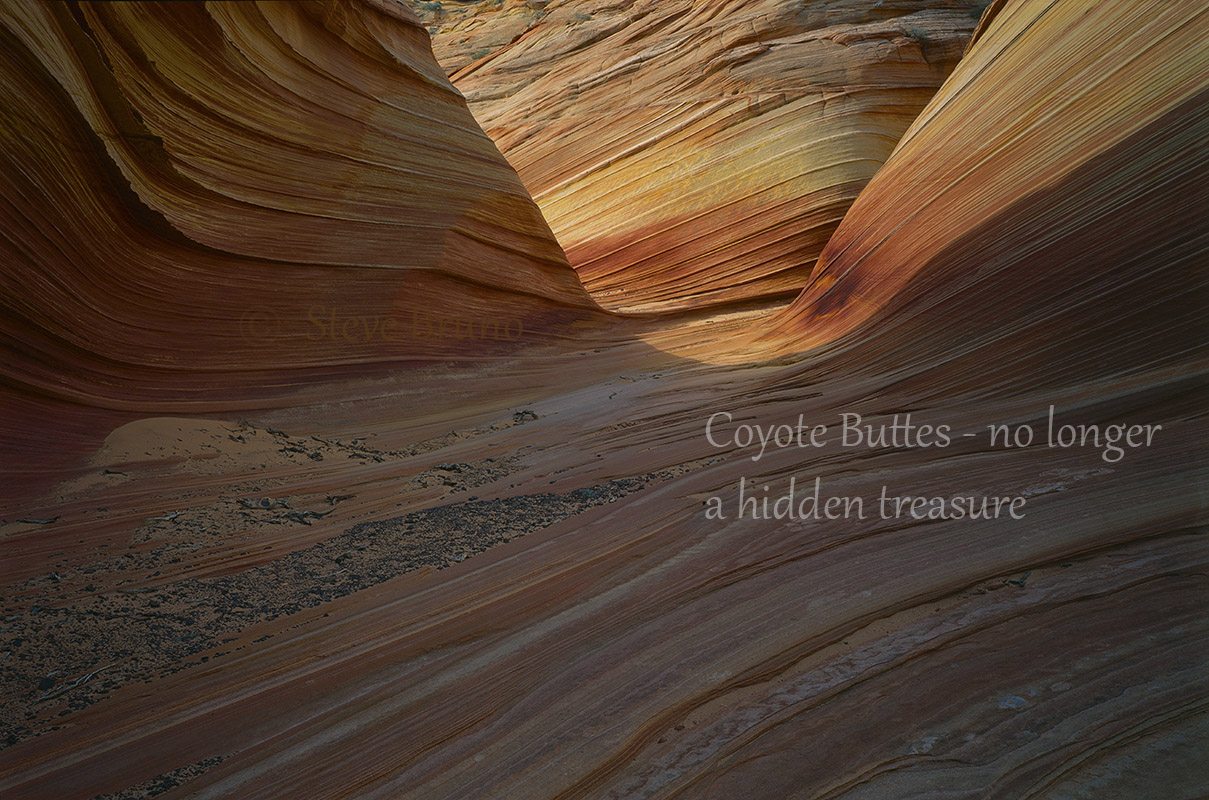
I did find the spot about a year later. You can get there and back in a day, not five. My first time there was a beautiful day for photographing and at one point Air Force One flew over. I’m pretty sure it was AF1 because I’ve never seen that many F-16’s escorting one airliner before (or since). This guarded location, in case you’re wondering, is known as Coyote Buttes. You now need a permit to gain access there because a video showing how to get to this location got posted to the internet once upon a time. These permits are available to those who can click at the precise seconds they become available each day for 6 months down the road. Or, you can go into the Kanab, UT BLM office and join many others in the lottery drawing for the next day’s permits. Videos of this are also available on Youtube!

In my initial meeting at Arizona Highways Magazine with then-photo editor Wes Holden, I had an image of what turned out to be Wes’ favorite spot to get away from it all. He admitted he loved the shot, but would be hesitant to run it because the place might get destroyed because of publicity. It was a waterfall, and waterfall locations are pretty rare in Arizona, so I could see his point. A couple years later I submitted the photo for a stock call and gave the place a very generic location in the title, which is exactly how it appeared in the magazine.

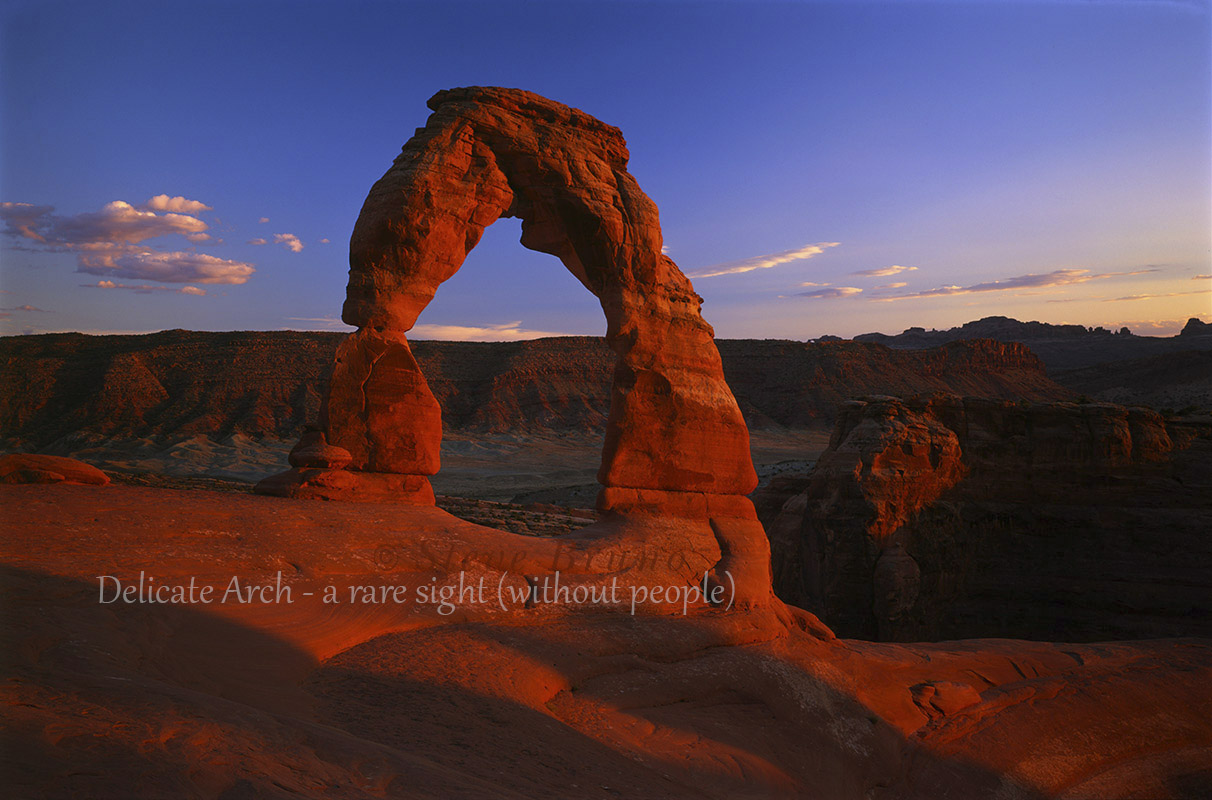
Some places just grew in popularity as the population has grown. Arches National Park would be a perfect example of that. Bryce and Zion used to garner all the attention for Utah’s parks and were often promoted with the Grand Canyon. Utah placing Delicate Arch on its license plate may have increased the attention on Arches NP more than any other event. Try getting a shot of the arch without any people in front of it nowadays!

arches

When it comes to the internet, it’s almost impossible to keep anything secret. I’ve been known to pass along locations to people who I feel will respect the place, photographer or not. I am hesitant to post photos on the web that were taken in relatively unknown locations. When I do, it’s because I don’t think there’s a chance anybody will actually find it.

Photographers are supposed to be creative people, yet we seem to want to photograph spots that have been covered before. I was working with a book publisher once who put out a stock call to many photographers for images of the national parks. In his summary of all the work he viewed, he said to me “You guys all seem to end up at the same places. It just comes down to who got there at the right time.”

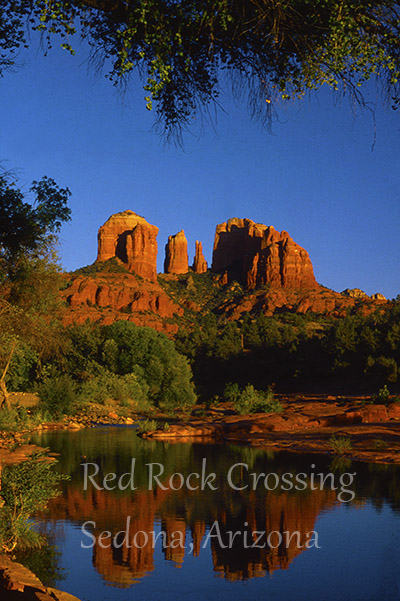
When I was starting out, often I would go to famous spots and try to capture images similar to what I had seen. I soon figured out the images of mine that were getting published were the places I had gotten a completely different take on. I had signed on with a stock agency, and would try to shoot with them in mind. One day I went in for a visit and explained I had some free time. I inquired about locations that might help sales and was told they could always use some more material on Sedona. Shortly afterward, I went to Sedona and spent several days getting some nice shots and then had the film processed. I went back to the agency, where they said, “Well, these are nice, but what we really meant was Red Rock Crossing. People always call for Sedona, and say they want something different, but end up choosing a shot of Red Rock Crossing.”  For those of you unfamiliar with Sedona, Red Rock Crossing is the iconic image where the creek crosses in front of a large distinct sandstone butte. Elvis Presley and John Wayne both filmed there.

sedona

The creative side of me felt like I was just stabbed with a knife. The business side said “If someone wants to pay money for shots like that, it may as well be coming my direction.” I learned a lot from the person in charge of that agency and it definitely helped my sales. I still practice the policy from that lesson – when I go to a location I make sure I have several shots of the most famous feature, then I shoot for the unique features or details.

In my days as a photography student, there was a joke about a famous photographer whose tripod landed in the same three holes in the ground every time he revisited a location. It seemed very funny back then, but is something I have done on occasion since. When I find a spot that works but the light isn’t happening, I will return to (hopefully) capture it in the right situation. In my observations of other photographers, I have seen a lot of people drawn to the same spot as though there was a subliminal whisper in the air saying “Stand here – point camera this way – click now”. Maybe places like Red Rock Crossing and Coyote Buttes are just a way we have of connecting with each other “Oh, you saw that…..I saw that, too. Here’s my take on it.”

Stay Creative!

Growing up on photography

01b

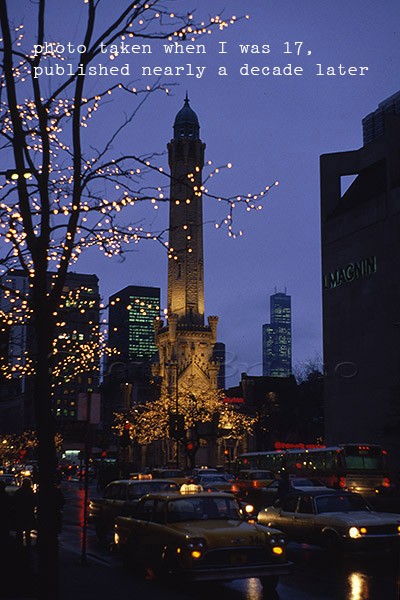
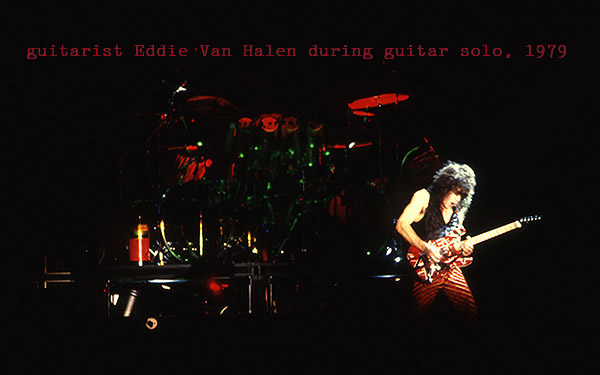
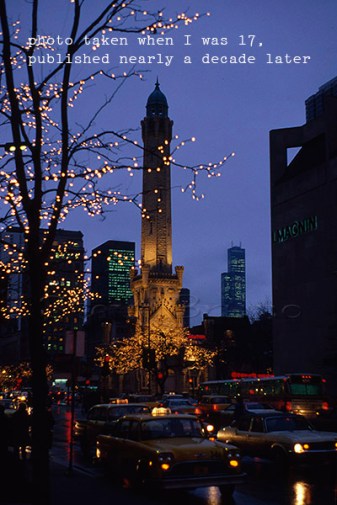
My first camera was a Pentax K1000 I purchased at the age of 16. Almost immediately, I had the photography bug. My subject matter was all across the board – friends and family, high school sports, multiple exposures, night time bulb setting shots, concerts, and landscapes. I had given up color negative film very early on. I didn’t need to have a 3×5 print of everything, but those shots that I did want prints of, I wanted to be their best. Color transparencies (slides) were the only way to achieve that.

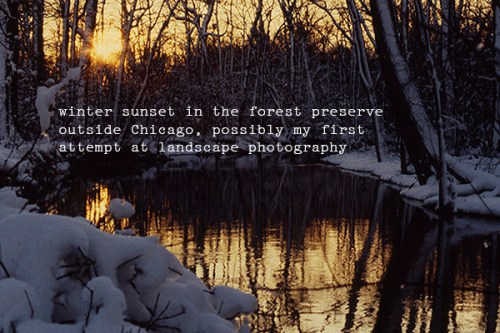
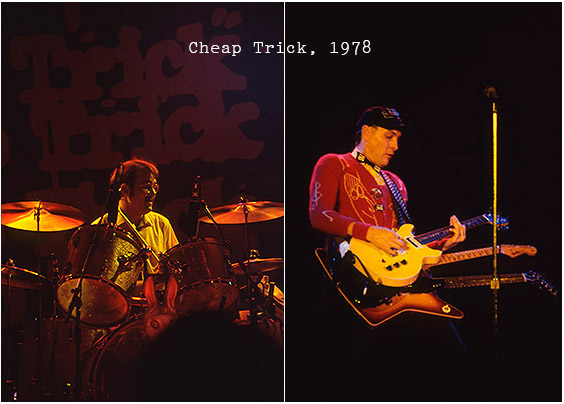
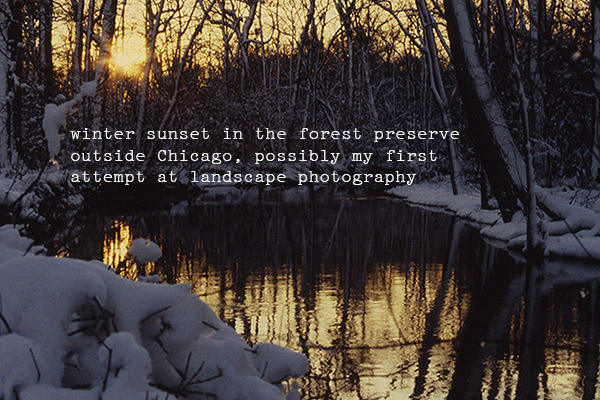
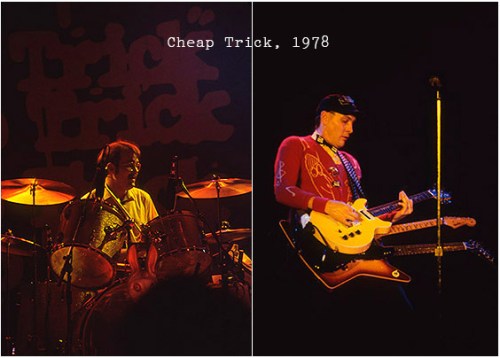
Concerts were one of my favorite subjects to capture back then. One day a friend approached me to purchase his Cheap Trick tickets. I wasn’t much of a fan of the band, but these were 7th row tickets, and I had never seen a show that close. I was impressed with the band that night, and it was a stepping stone for me. For the first time, I had taken professional level photographs. Landscapes became my other favorite subject. Yes, even growing up in suburban Chicago, I was taking landscape photos. Family vacations across country meant new territory, and were nirvana for me back then. Probably not the most common interest for a teenager, then or now. 02 05
And then my photography bug escalated. I moved to Arizona at the age of 18. The first drive down there was incredible, especially as we came through southern Utah and northern Arizona. I had to stop several times. HAD TO!!!  I had seen pictures before but the mountains and the canyons and the clouds and the light were like nothing I’d seen in person. After I got moved in, I would always keep an eye on the skies to see if I should grab my camera to capture the sunset. Soon I was taking short trips to explore places I heard about and even a few that just sounded interesting on the map. More importantly, I was taking a lot more pictures and I was learning what was working, and what caught other people’s attention.

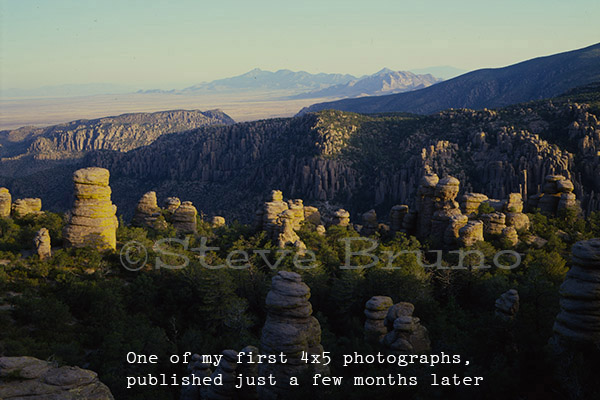
Initially, I had moved there to go to school as an architecture student. I had taken drafting classes in high school with an emphasis towards home design. Upon starting college, my interest in the subject waned, and was giving way to photography. As it turned out, one of the classes of choice in my junior year was basic black-and-white photography. This turned out to be another major step in my life. The first week of class the teacher gave us an assignment that really didn’t spark my interest, but in week two he set us loose. Any subject was fair game. I was off to the desert a couple days later to capture a saguaro cactus forest I had seen before. My prized photo of that trip was a sunrise shot where the side-lighting made the cactus stand out like ghosts. Later that week I returned to the class and printed that shot in the darkroom. All the other students were producing images of their cat, or roommate, or the buildings on campus. The teacher was practically asleep in his chair until I emerged with my first rough print. “Wow, an image finally!” he shouted as he jumped out of his chair and energetically gave me some pointers to make the next copy of the print that much better. The next week was almost a similar situation. I had gone out to the desert again and captured an equally stunning image that prompted another inspiring reaction from my teacher. Finally, the next week when I came out from the darkroom with another great shot, he had no enthusiasm, but instead looked at me and said “What are you doing in Architecture?” There was no doubt, I had become teacher’s pet. The respect was mutual, though, because he had brought in some of his landscape photos, and I was a fan of his work. Another couple weeks into the class I asked him to show me how to use a 4×5 camera, which I could rent from a local camera shop. I don’t think his instructions lasted more than 5 minutes, most of which was about how to load film holders. I managed to get a couple decent shots that weekend and rented the camera again a couple weeks later.

Around the beginning of that same semester, I had come across an ad in the back of the New Times, a free weekly newspaper I picked up at the 7-11. The ad said “bring in your 10 best slides, and we’ll critique them.” This was to be conducted by two photojournalism professors. I felt as though my work had gotten to the level of publication quality, and this would be a good chance to see what others thought. The judging was done blindly and the profs made comments as to what would make the photos better. When they got to my 10, there were almost no comments besides “nice work.” Afterwards, I spoke to the two gentlemen and inquired how to go about selling my work, specifically to magazines. They gave me some advice, then concluded with “But don’t go to Arizona Highways. Everyone thinks there work is good enough for Arizona Highways. Besides, they only take 4×5 transparencies.” I was 21 years old and this was not the answer I was going to listen to. That was exactly where I wanted to go with my work.

Now, near the end of the semester, after renting a 4×5 camera a couple times, I was off to see about getting into Arizona Highways magazine. I looked younger than I was and when the editorial assistant came out she gave me a puzzled look and said “how many photographs do you have?” I think I replied “about 10” because I was under the impression they only accepted 4×5 film. When she came back with the guidelines sheet, I was surprised to see that they also accepted 35mm and 2 1/4 of “exceptional quality”. In the following weeks I went through my best work, then turned in my first submission to the magazine. I think I had around 50 shots total, most of which were 35mm. I was told I would hear back within a couple weeks.

That was a long two weeks. Then two became three, and started stretching closer to four. I was out running errands close to the magazine’s office and it was nearing the end of a Friday. I wasn’t expecting anyone to be left working, but I stopped by to see if I could get an answer as to whether my photos had been viewed. I was asked to wait a minute by the same woman that had provided the submission guidelines on my previous visit. Several minutes felt like an hour before the door opened again and she asked me to come back into the offices. This seemed to be heading in the right direction. I was taken to the office of photo editor Wes Holden, where Wes greeted me with a smile and a handshake and said, “You’re photographs are so good – I looked at them once, then had to pick them up and look at them all over again!” “Wow” I thought to myself. “This man has seen some of the best photographs in the world come across his desk, and he’s complimenting my work!” “Wow” Despite the elation of that initial visit, I knew the magazine worked months ahead of time, and that actually getting published might be a while. Or so I thought.
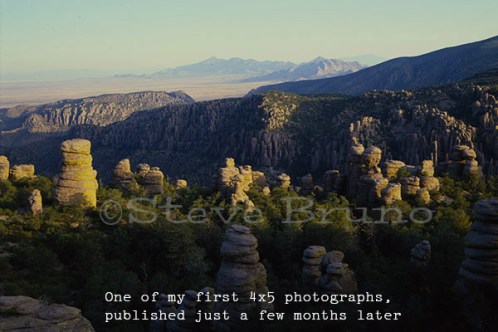
04

The semester had already come to a close at this point and I decided to put college on hold. I found a full time job that allowed me to pay my bills, which weren’t very much. My parents were not pleased. I explained that I thought it was a waste of money, while they tried to persuade me to choose another major. In the meantime, my teacher from b&w photography asked me to enroll in his color class at Phoenix College the following semester. The class was at night, so I wouldn’t have to miss any work. I soon had enough money to buy a 4×5 camera. It was the cheapest one available – a basic Calumet with one lens. I now had a list of upcoming stock calls for the magazine and was taking weekend trips to try to shoot appropriate material. That summer breezed by and I was starting to get pretty comfortable with the laborious process involved in taking one shot with a large format camera.

Then, one day, I got a call from my mother. “Why didn’t you tell me you were in Arizona Highways” her adrenaline enthused voice blurted at me. “What?” was my almost frantic response, because I was completely unaware of the upcoming issue she was referring to. She had a subscription to the magazine which were usually the first ones mailed out. I had to wait a couple more days to finally see a copy, but there it was – a two page spread of one of the transparencies I had submitted on my first visit. The next work day after my visit, my shot was put into the production process of the issue they were working on. This was so amazing, I couldn’t believe it happened so quickly. By this time I had already submitted more photos, and was not yet aware that the process was repeating.

It was about a week later when color photography class started up. The look on my teacher’s face was a combination of shock and pride when I brought in the latest copy of the magazine. I don’t think he was expecting this from me when he showed me how to use a 4×5 camera for the first time about six months prior. Although I had gotten published, I still had a lot to learn and was glad to be in that class. I was more like a teacher’s aide this time, because students were coming to me with questions when the teacher was busy with another student. It wasn’t too much longer before I convinced my teacher that he should submit his work to the magazine. He eventually did, and also got published.

We can never know our destiny, but I knew that year that mine was going to include photography. I never wanted that enthusiasm to wane as I made new connections and additional steps into new publications. I even had the opportunity to go back to my high school as a guest speaker for the day’s photography classes – a curriculum not available when I was a student. I have many great memories along the way, but none that stand out like my year of “growing up”.
03

More winter, please (winter can be beautiful)

Winter 2013

Those of you in the midwest and eastern U.S. would probably be glad to send winter our way. Here in the southwest, we’re struggling though another pitiful winter. The Chamber of Commerce probably loves it, and the news people deliver forecasts with cheerful expressions, but the reality is snowfall is our future water supply and our best hope against another disastrous summer wildfire season.

Last week I was flying to New Orleans and as our flight path took us over the Grand Canyon and northern New Mexico, I couldn’t help but notice the lack of snowfall on the ground. It’s late February, and these are places that should be under a couple feet of snow. Since my return, there has been one saving grace of a storm, and I can see snowfall on more than just the highest peaks around Las Vegas for perhaps the second time all winter.

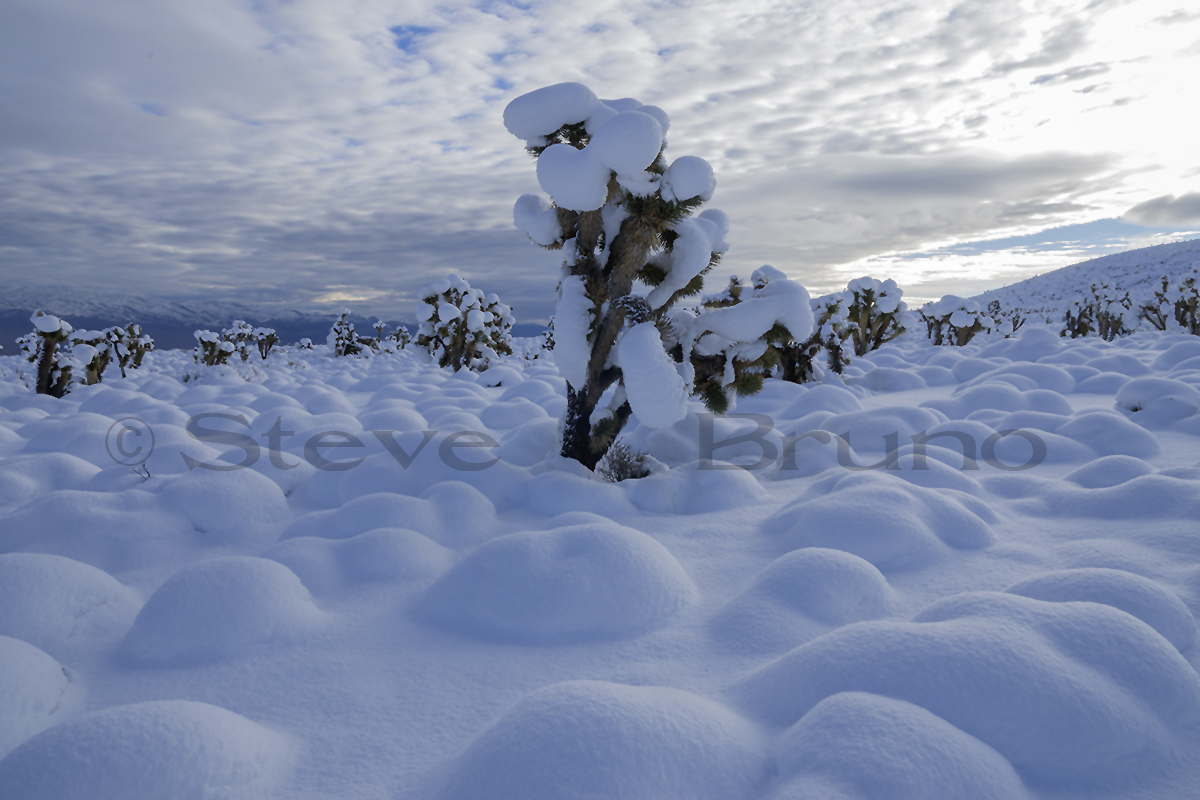
As a photographer, I love the changing of the landscape as the winter storms pass through. In the lower elevations, we know it doesn’t last long, and timing can be critical to capture the event before it melts. When snow falls in the sandstone canyons, the contrast is usually spectacular. Last winter started out looking promising. A three day rain finally moved on and left the mountains dumped with snow.

The photo above, taken that next morning, is one of my favorites. I have never seen a snowfall here that left everything unrecognizable. I wasn’t sure if those were plants or rocks under all those bumps. I had periods of sunlight breaking through that morning, but the softer light under cloud cover was the best for this situation. I can only hope it’s not another year before I can capture winter’s transformation.

Blog at WordPress.com.

Up ↑