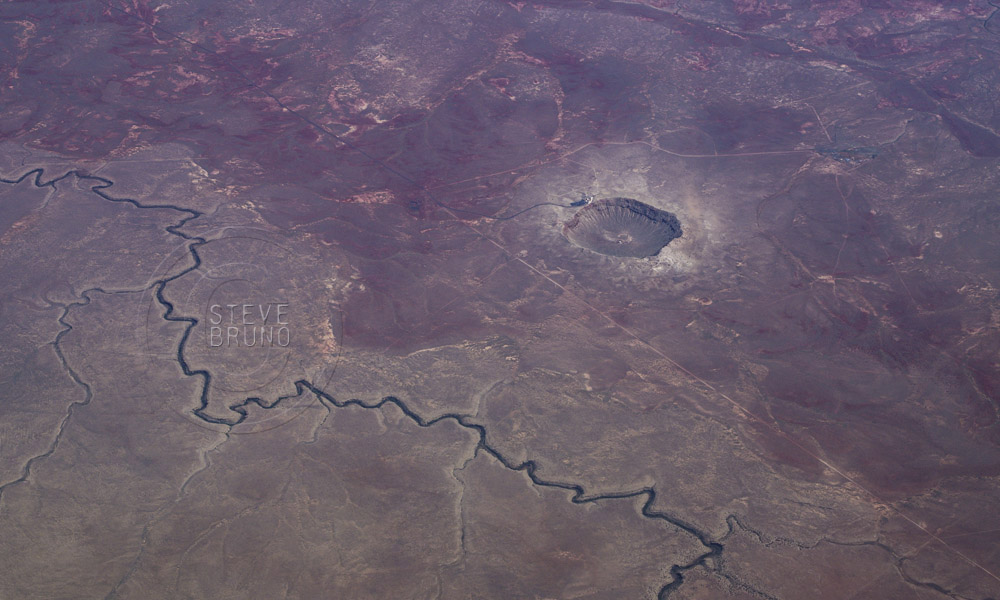
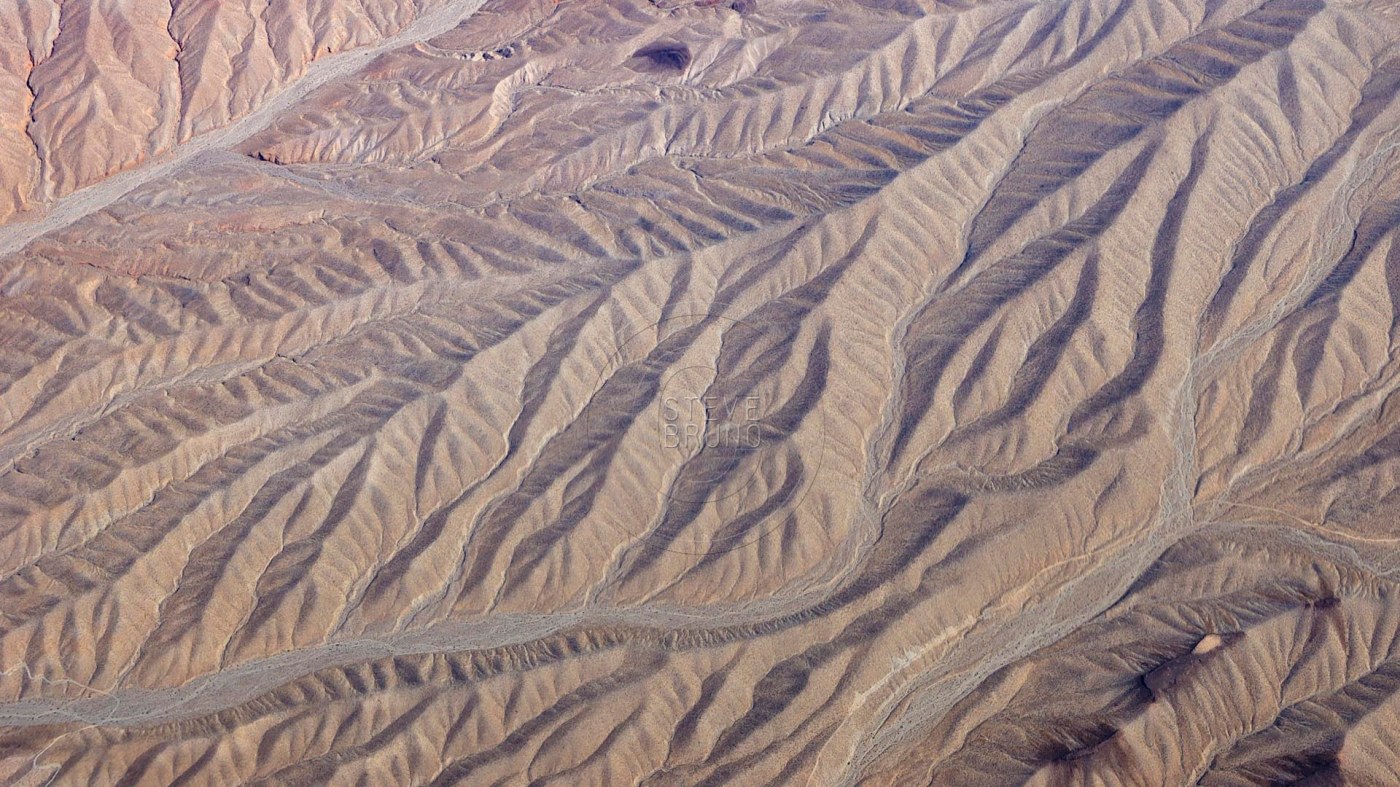
I’ve flown enough out of McCarran Airport to know the flight patterns towards every corner of the US, and earlier this month on my flight to Houston, we definitely started off course. I figured the pilot would make an adjustment, but we seemed to stay further south than all the previous flights to the southeast. I was enjoying the slight change of scenery, and one of the first things to get my attention was patterns of the Mojave Desert (above). As we approached Flagstaff, I knew we were still on a southern course because the San Francisco Peaks were visible out the left side windows. They had just received a late spring coating of snow. The Arizona Snowbowl looked as though they could still have been skiing, but I’m sure it was past season. 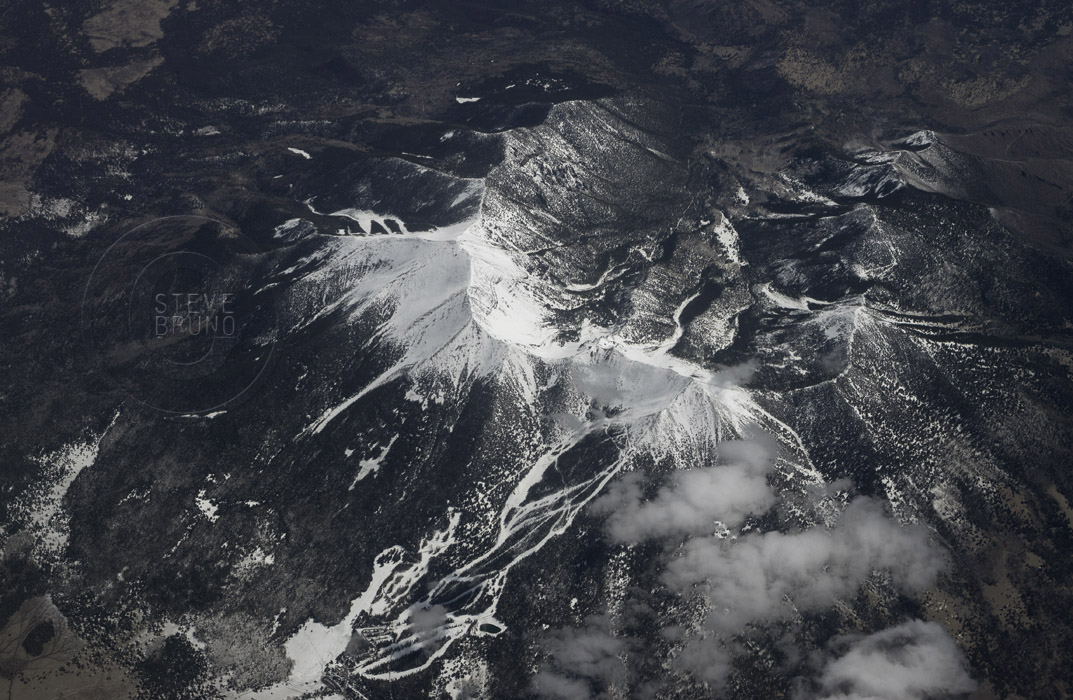 The next feature to come into view was Meteor Crater. It’s really hard to grasp the scale of the crater from the air, but perhaps the tiny roads will help.
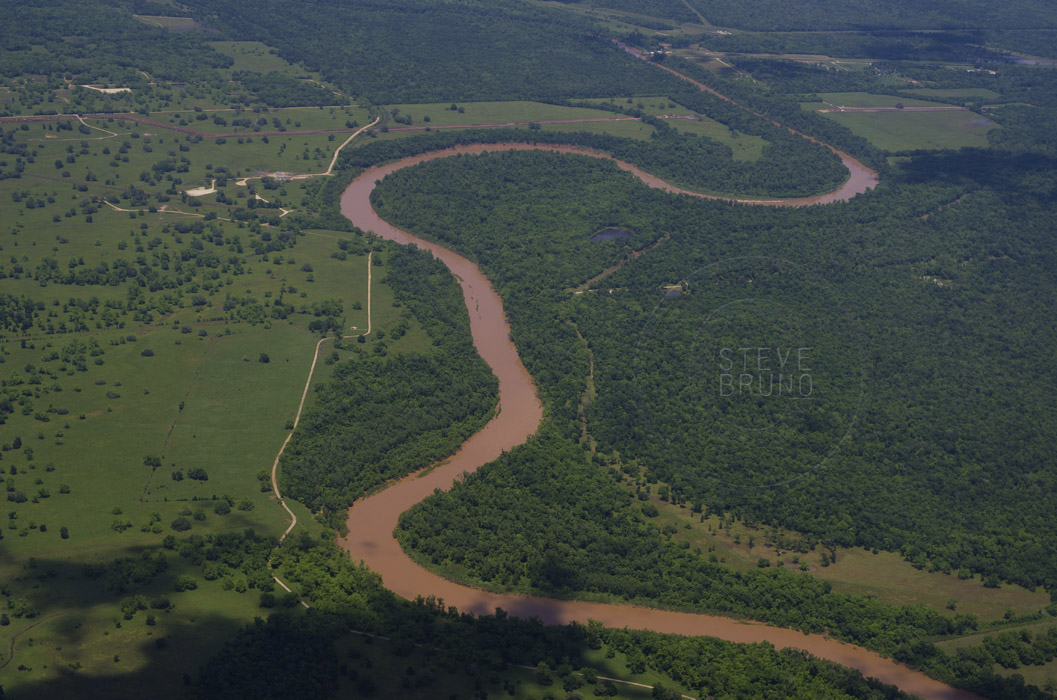
  There wasn’t much to see after that, until descending into Houston. The brownness of west Texas gave way to the patchwork of agricultural land and the greenery and waterways of the much more humid environment we were about to touch down upon.
  Then something very red appeared on the horizon. Amidst all that green, it was hard to miss. After zooming in on the computer screen, I can see that it is a manufacturing facility for heavy equipment.
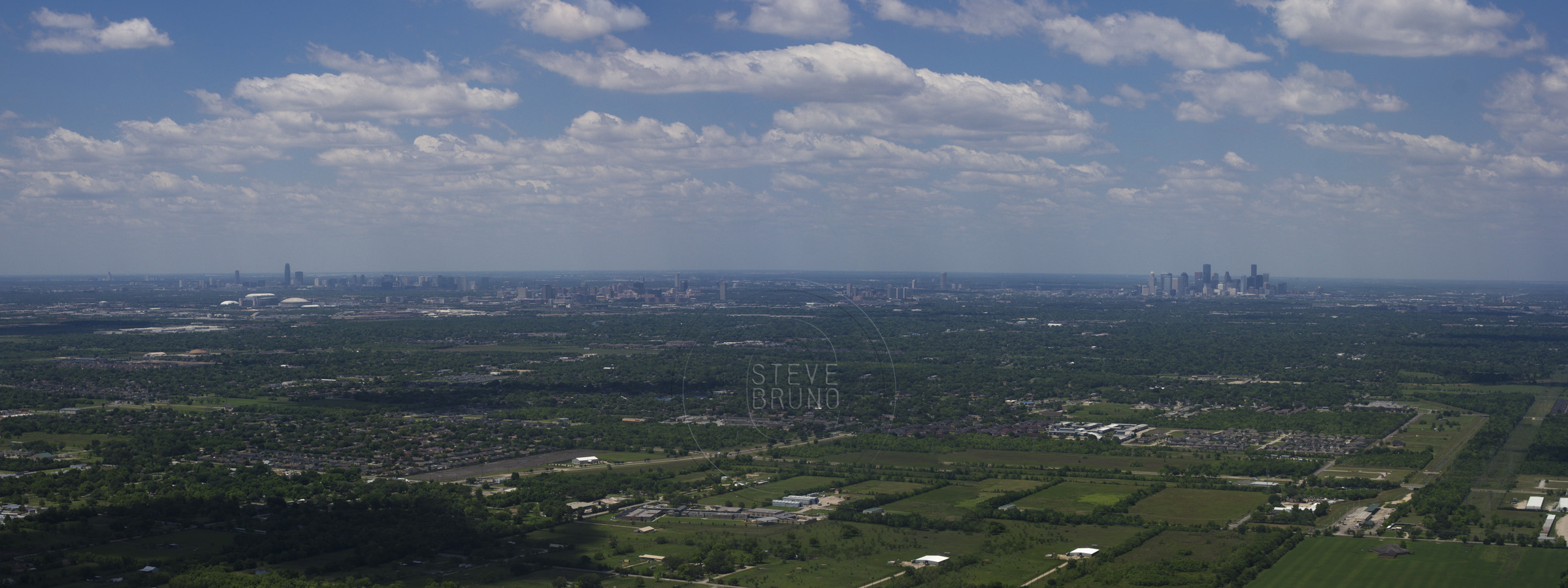
  And then, finally, welcome to Houston.
  In response to The Daily Post’s weekly photo challenge: “On the Way.”
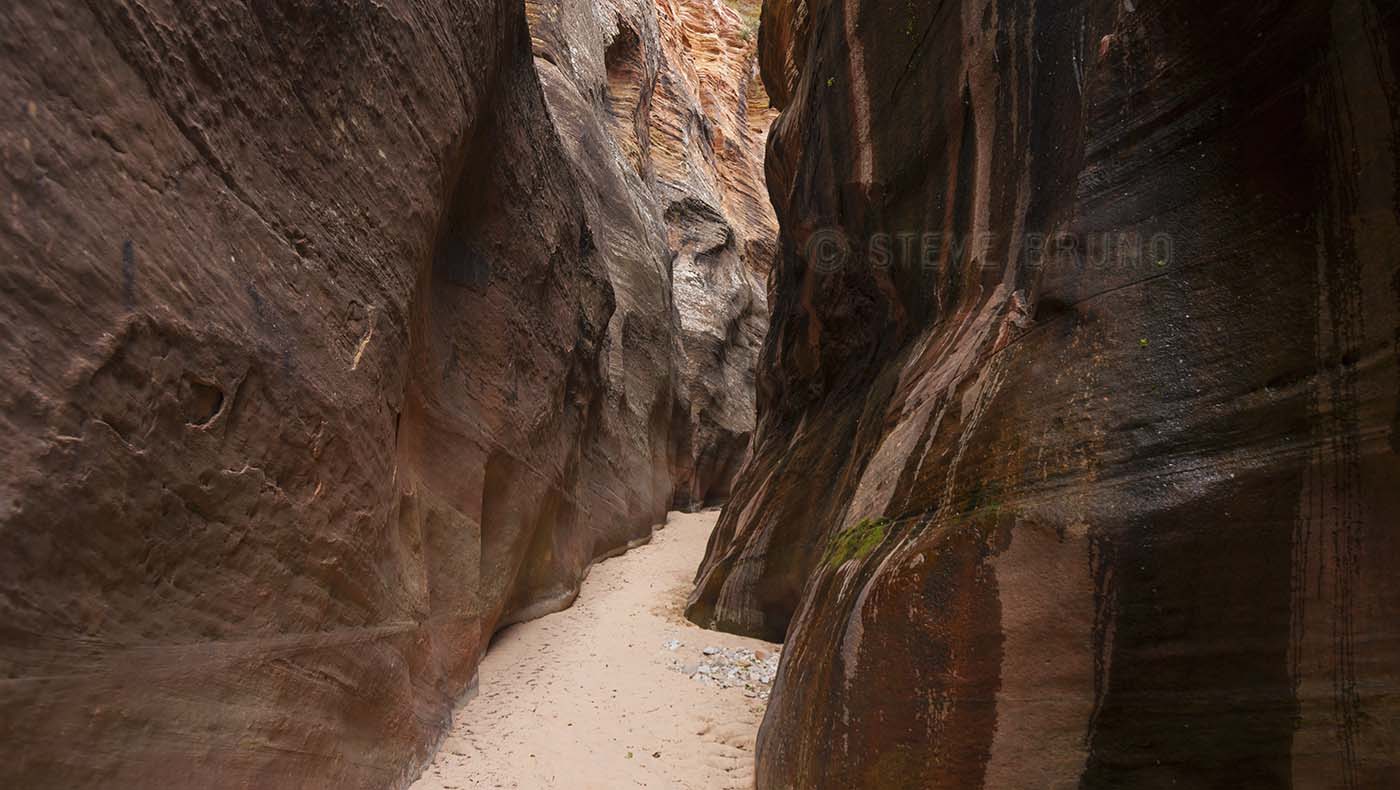
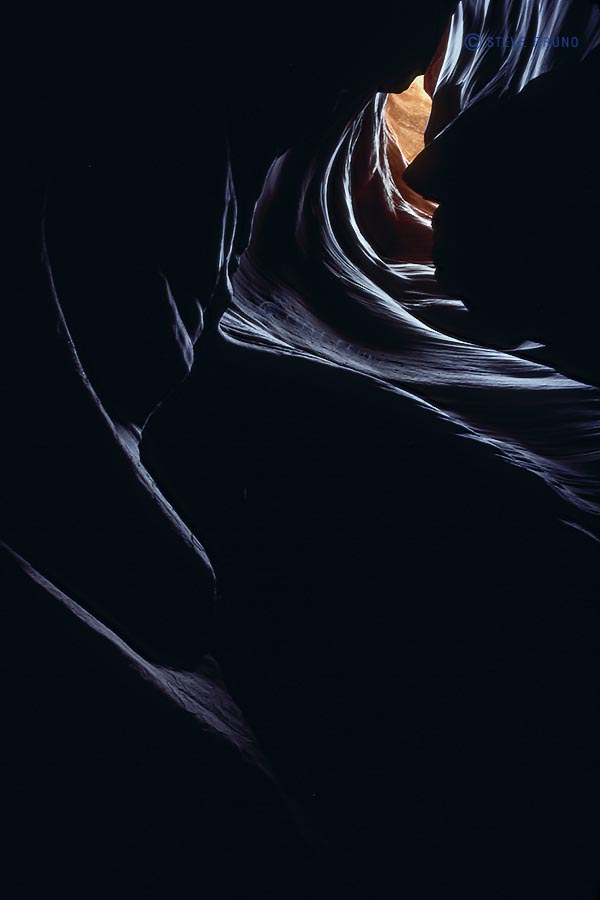
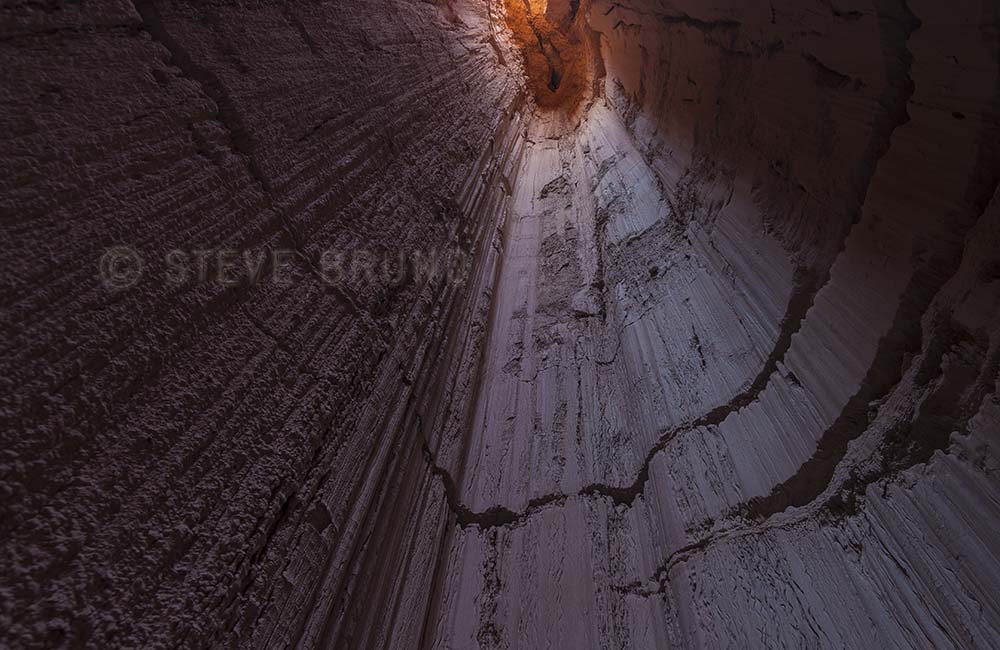
I’ve hiked many miles, and early on I discovered I preferred canyon hikes over those on a mountaintop or ridgeline. It’s not just about having shade or water, but more of the adventure of coming around a corner and being amazed with something unexpected. And while canyon exploring tops my list, some canyons are more memorable. Those are the ones where the skies disappear and I might have to take off the pack and step sideways for a moment or two. At that point, it’s hard not to feel enveloped in the land. Sometimes it’s challenging to find an angle to photograph these spots, because there’s no moving around for a better angle, and looking up just yields a washed out image. Whether it’s a slot canyon or just another thin slit in the earth’s crust, sunlight rarely penetrates to the bottom. If it does, the contrast is too much, so the best light is often reflected sunlight.
Here are some of my favorite places to become enveloped:
Top: small side canyon in Zion National Park, Utah
Second: Antelope Canyon, near Page, Arizona
Third: Cathedral Gorge State Park, Nevada
Fourth: unnamed canyon in Navajo Indian Reservation, Arizona
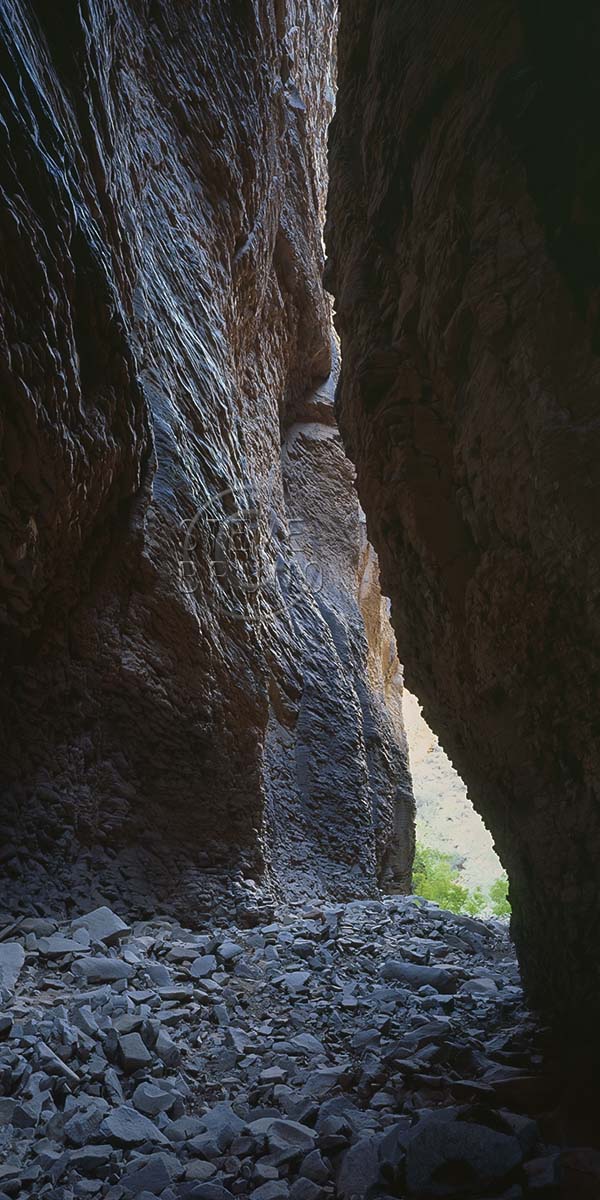
In response to The Daily Post’s weekly photo challenge: “Enveloped.”
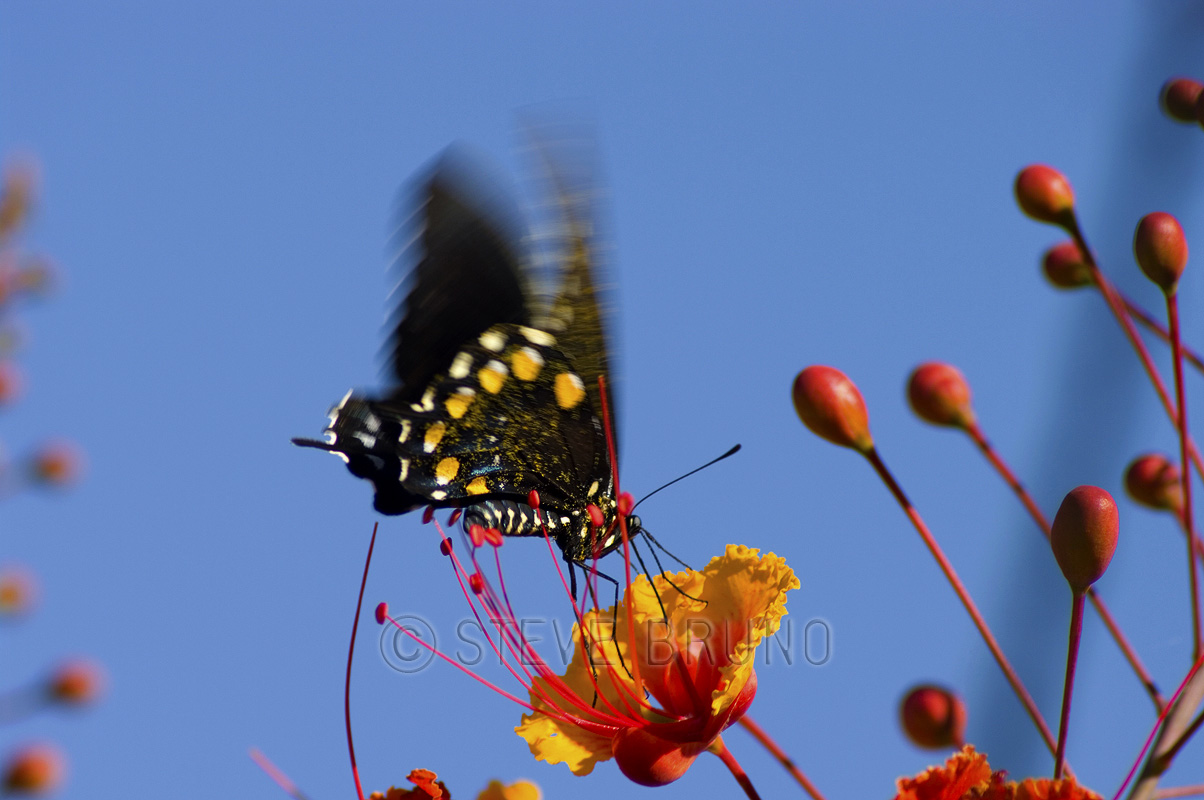
I went searching through the archives for this week’s challenge, because I didn’t think I was going to find motion in my landscape photographs. I prefer those to be sharp and still, but I even found some surprises there. I couldn’t really chose a favorite, but maybe you’ll have one.
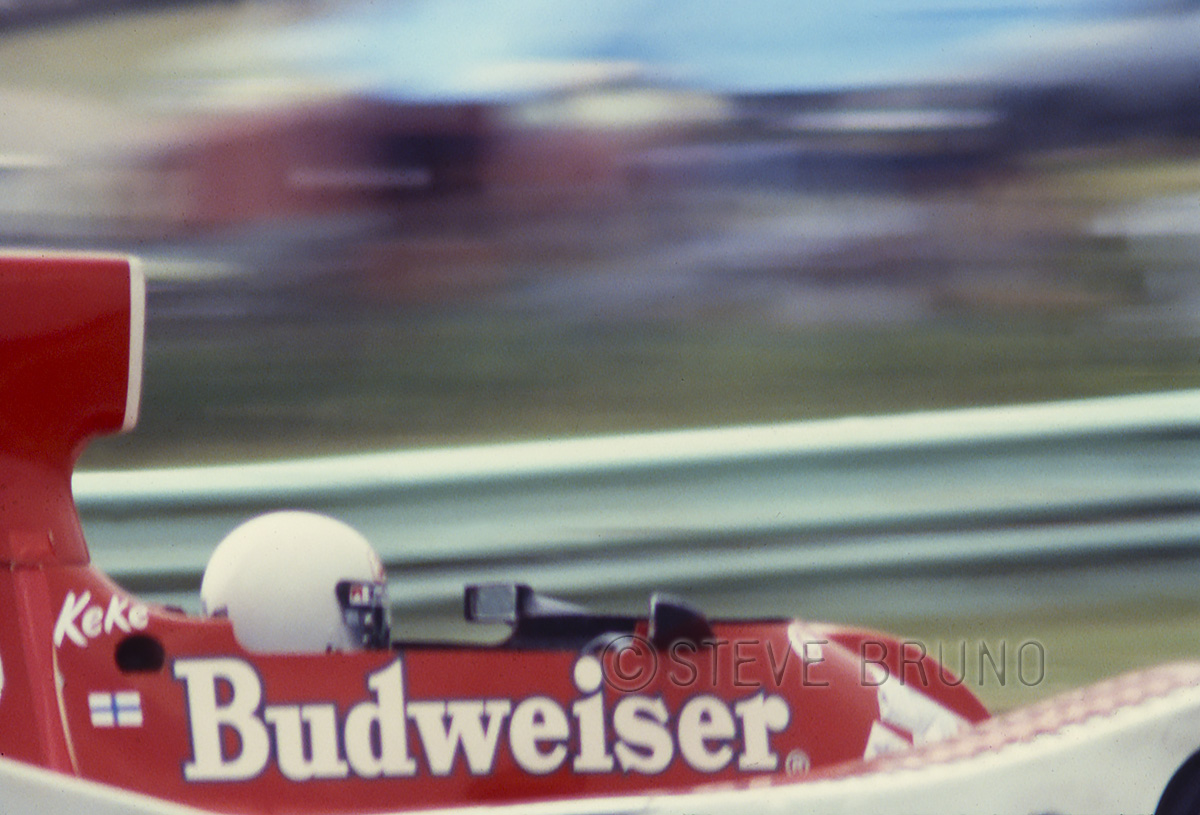
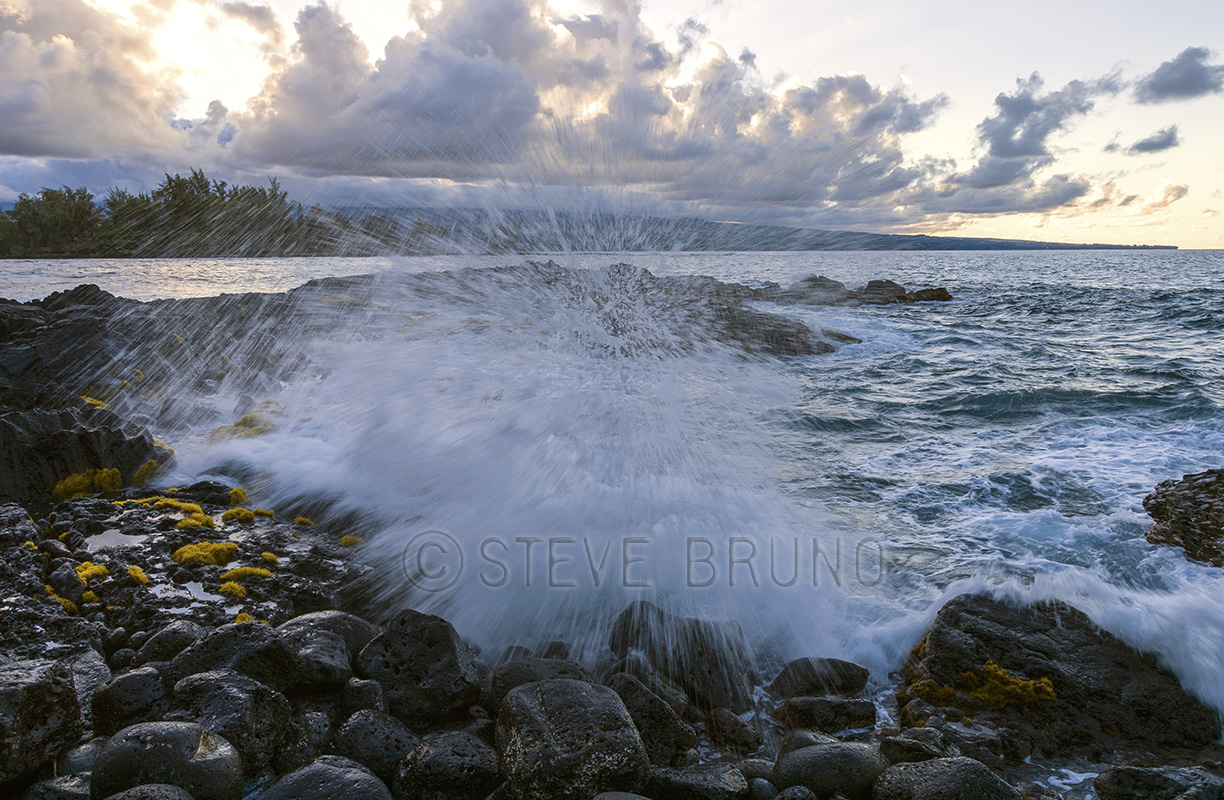



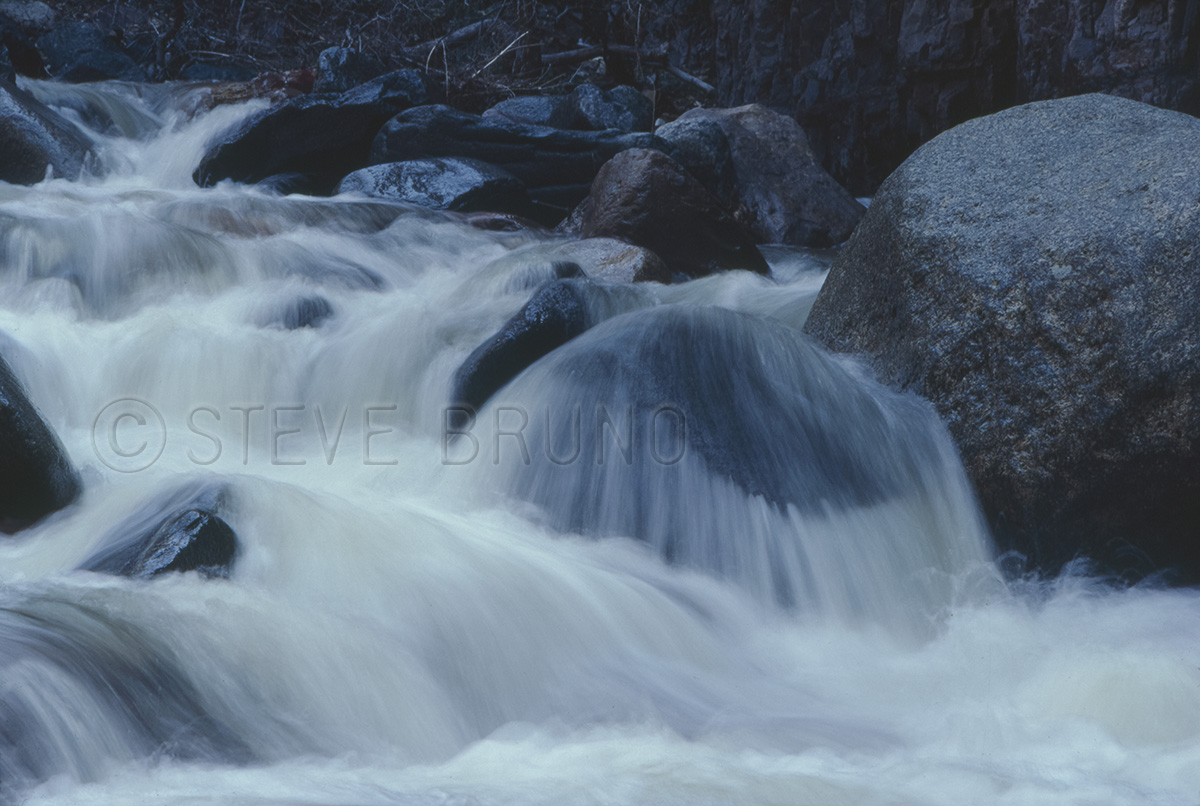
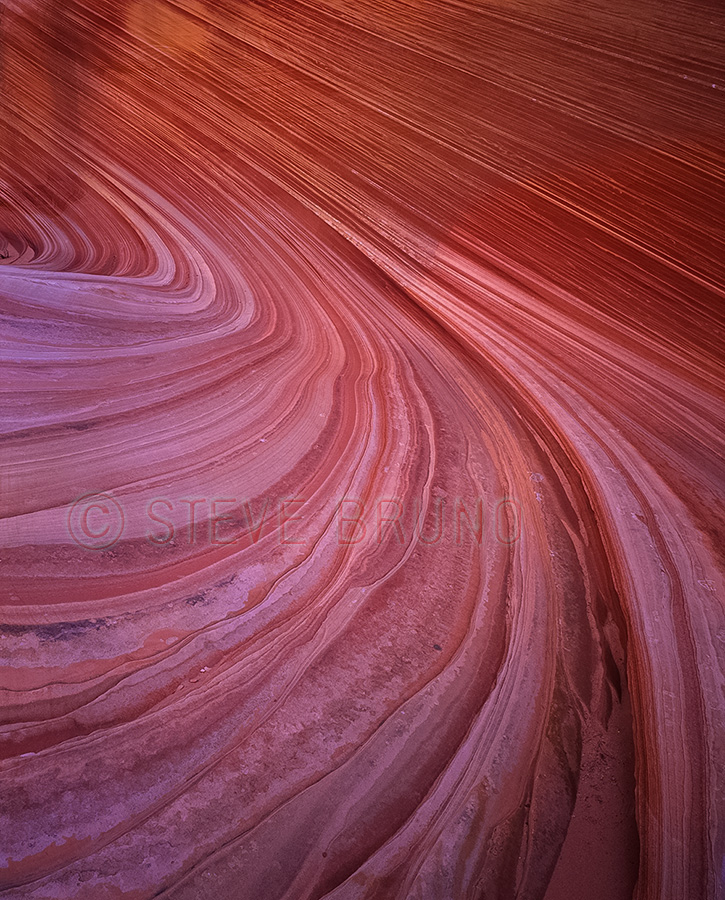
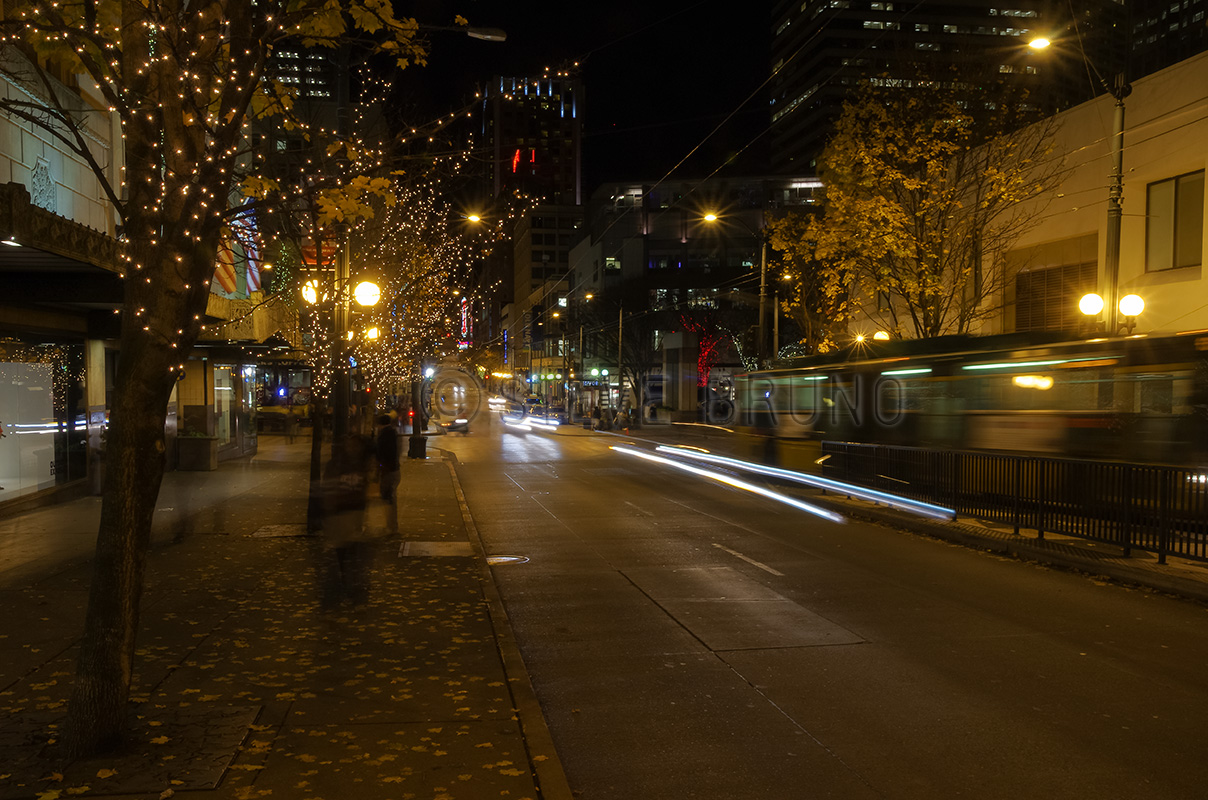
In response to The Daily Post’s weekly photo challenge: “Motion.”

To this day, this remains the most spectacular sky I have ever seen in Las Vegas, and certainly a top five anywhere. Unlike most photos where we only get to see a snippet of what’s happening, this sky had a similar appearance as far as I could see.
When I’m on the road, it’s a given that I will get up early to try to get the best light for my subject. This was in my backyard, relatively speaking. I had watched the weather segment on the news the previous night, and the timing of an approaching front looked as though it might coincide with sunrise, so I set my alarm. I drove out to nearby Red Rock Canyon, and well before the sun hit the horizon, I knew it was going to be incredible. The clouds were consistent, and not very low, so the color just came through in waves as the sun started to hit the horizon. It is the only time I’ve had friends call me later in the day to see if I was out there capturing the sunrise. Apparently, it was like a red beacon coming into everybody’s home in Las Vegas.
In response to The Daily Post’s weekly photo challenge: “Early Bird.”
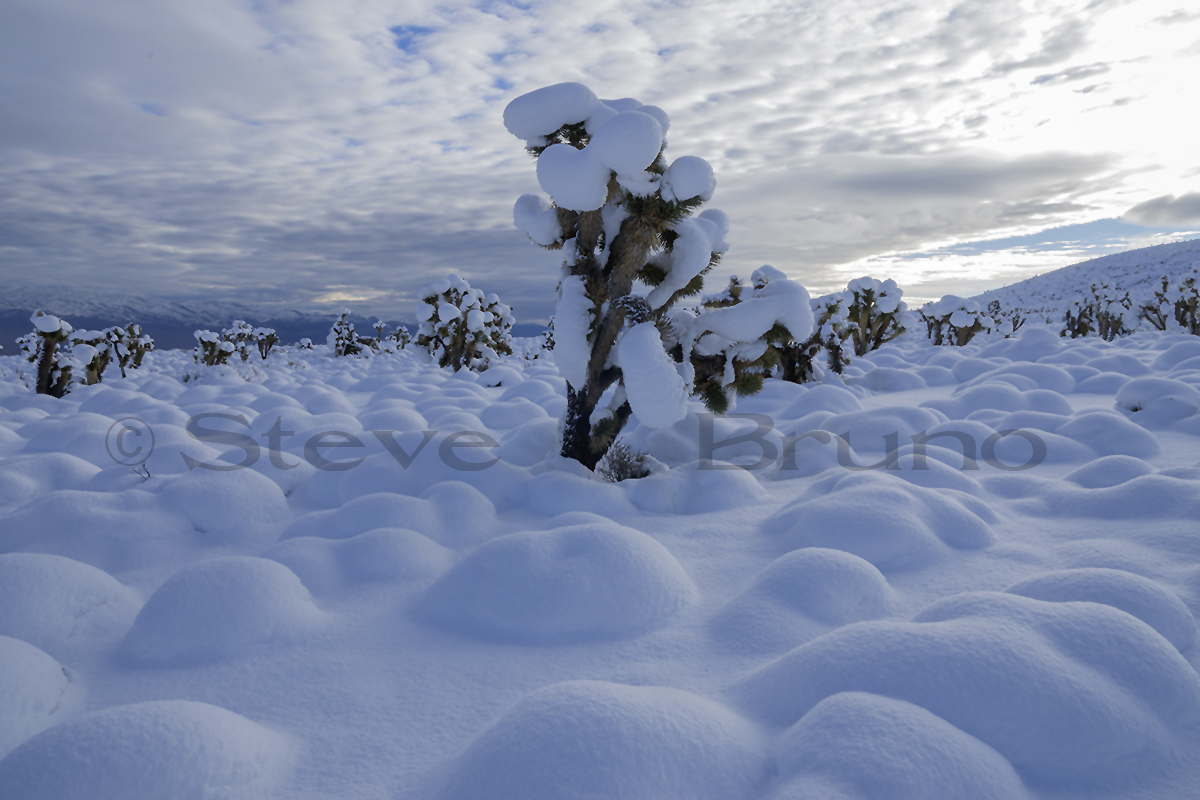
Those of you in the midwest and eastern U.S. would probably be glad to send winter our way. Here in the southwest, we’re struggling though another pitiful winter. The Chamber of Commerce probably loves it, and the news people deliver forecasts with cheerful expressions, but the reality is snowfall is our future water supply and our best hope against another disastrous summer wildfire season.
Last week I was flying to New Orleans and as our flight path took us over the Grand Canyon and northern New Mexico, I couldn’t help but notice the lack of snowfall on the ground. It’s late February, and these are places that should be under a couple feet of snow. Since my return, there has been one saving grace of a storm, and I can see snowfall on more than just the highest peaks around Las Vegas for perhaps the second time all winter.
As a photographer, I love the changing of the landscape as the winter storms pass through. In the lower elevations, we know it doesn’t last long, and timing can be critical to capture the event before it melts. When snow falls in the sandstone canyons, the contrast is usually spectacular. Last winter started out looking promising. A three day rain finally moved on and left the mountains dumped with snow.
The photo above, taken that next morning, is one of my favorites. I have never seen a snowfall here that left everything unrecognizable. I wasn’t sure if those were plants or rocks under all those bumps. I had periods of sunlight breaking through that morning, but the softer light under cloud cover was the best for this situation. I can only hope it’s not another year before I can capture winter’s transformation.
 Steve Bruno Photo
You must be logged in to post a comment.