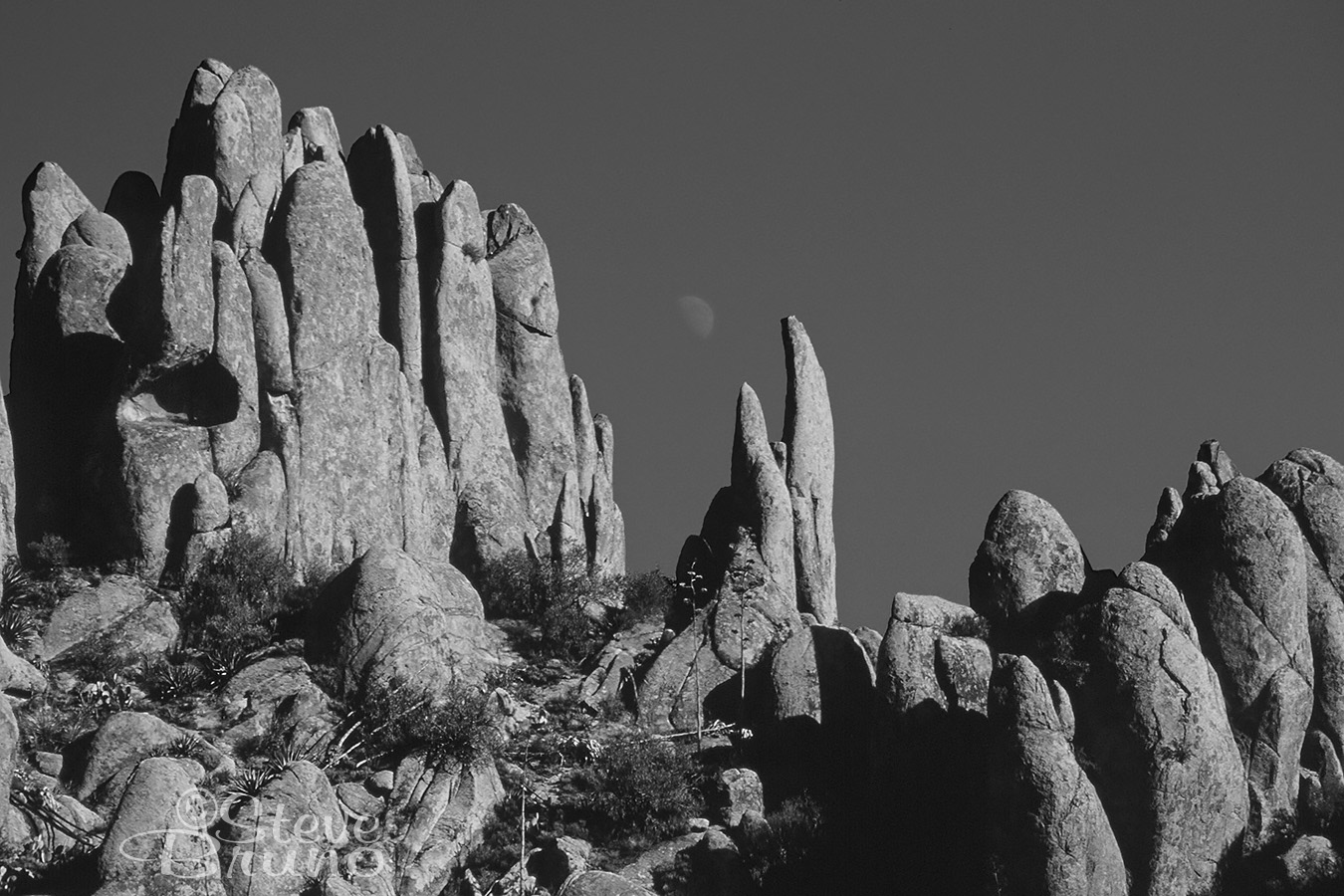
As with most people, I’ve had some time to catch up on a few things lately. I came across this photo in my files and thought it was perfect for a b&w conversion. This is a glimpse of some of the many pinnacles that decorate the summit of the Superstition Mountains near Phoenix, Arizona.
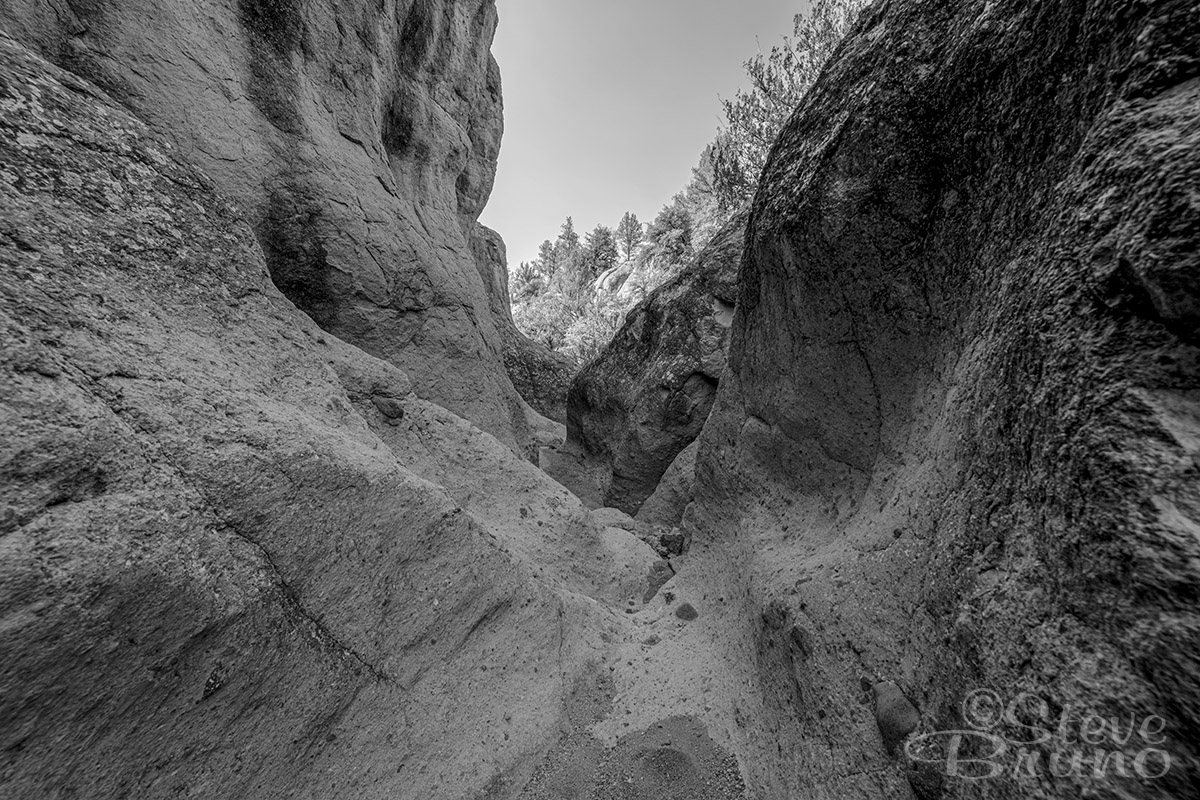
Around this time last year, I managed to get away to the White Mountains of eastern Arizona. I was in the vicinity of the Blue River, and trying to locate a section I had visited about 20 years before. Nothing looked familiar, so I just went exploring to see what else was out there. A small side canyon had some intriguing shapes and kept me hiking and photographing until the sun moved higher in the sky and shade was no longer an option. Here is one photo from that morning.
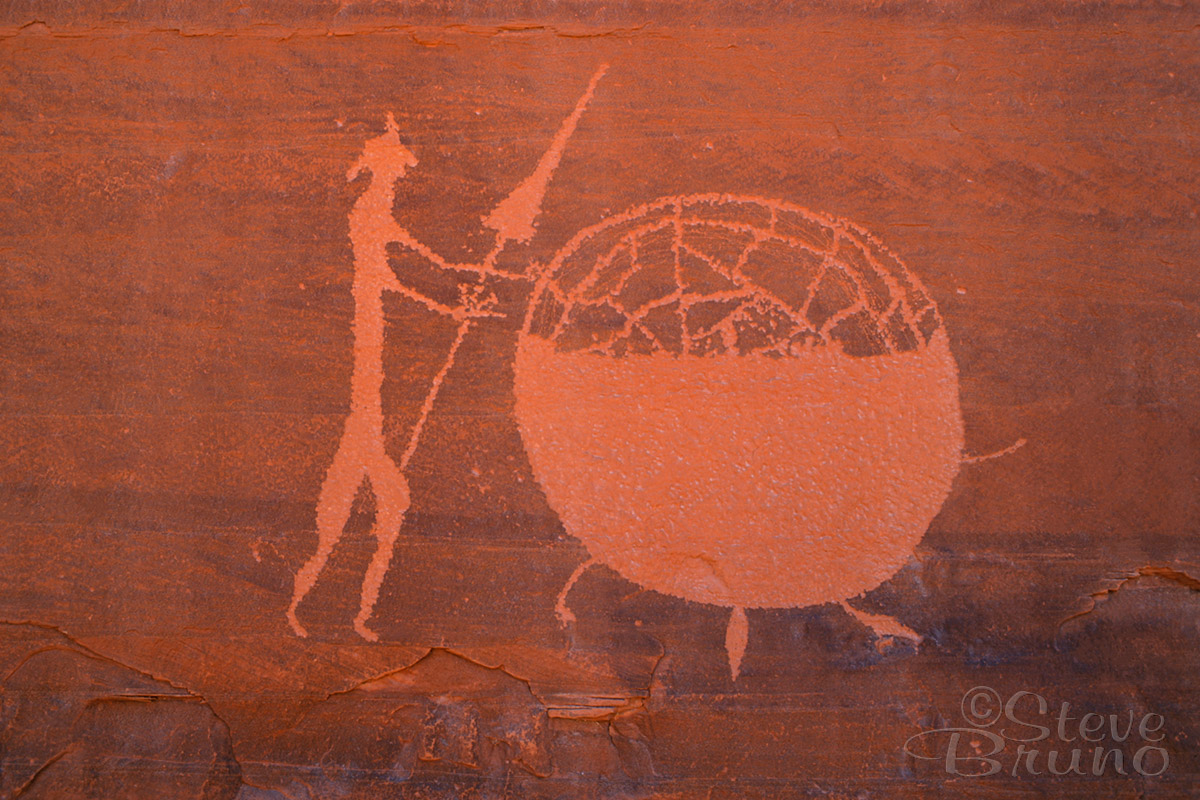
“Whatcha’ cooking, honey?”
“Oh nothing…..just the planet!”
This petroglyph deep in the middle of the Navajo Reservation always intrigued me. Very few non-native people have been to this location, and I feel fortunate to have witnessed the land and its people. My interpretation of this rock art has always been that the planet was being cooked. Did our previous culture know what mankind was about to do to the planet?
It seemed just a short time ago that it was only Al Gore and a handful of scientists warning us of global warming and the actions we needed to take to reverse this trend. Even if Washington DC and large corporations still behave as though we’re living a century ago, large numbers of people have taken to the streets to demand change. There are many cities throughout the US that have adopted clean energy policies, and society’s awakening gives me a feeling of gratitude.
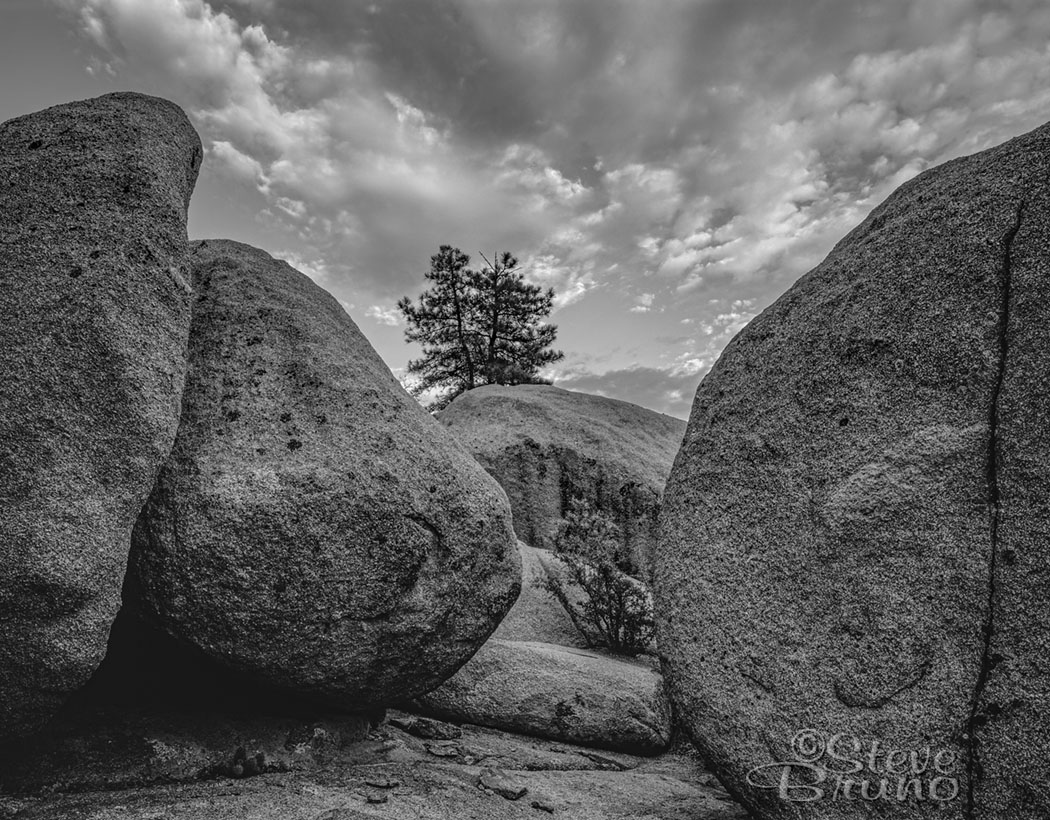
I find that many photogenic boulder locations tend to be in lower deserts here in the southwest. Joshua Tree National Park comes to mind when I see what other photographers like to cover. The boulders there may receive more attention than the tree the park is named for. There are much better Joshua Trees to see than the ones there, so I completely get this one.
The subjects of my photo come from the cooler, higher elevations of Prescott National Forest in central Arizona. The tree at the back is what caught my attention here. It provides a nice contrast and an element of scale for these massive rocks. The clouds drifting into the frame completed the scene for me.
As summer drags into its last month (in theory), we here in the desert are looking forward to a change. Normally the seasonal monsoon rains have their rhythm going by now, and lowered the fire danger and temperatures (ever so minimally). Even if the rains are few and far between, the clouds offer some relief as well as photogenic backdrops. On the occasions we have had clouds and rain, the storms started early, and were finished early.
This time of year, it’s nice to get away to the mountains for some relief. A lot of other people have the same idea, so when I go, I usually find some rough, isolated road to get further from the crowds. Because the fire danger throughout the west remains high, and most fires are human caused, I no longer feel comfortable doing this. I never make campfires wherever I go for environmental reasons, and I don’t understand why anyone would need a fire when it doesn’t get below 50 degrees. I think this was a tradition started by people in old western movies that needs to go away.
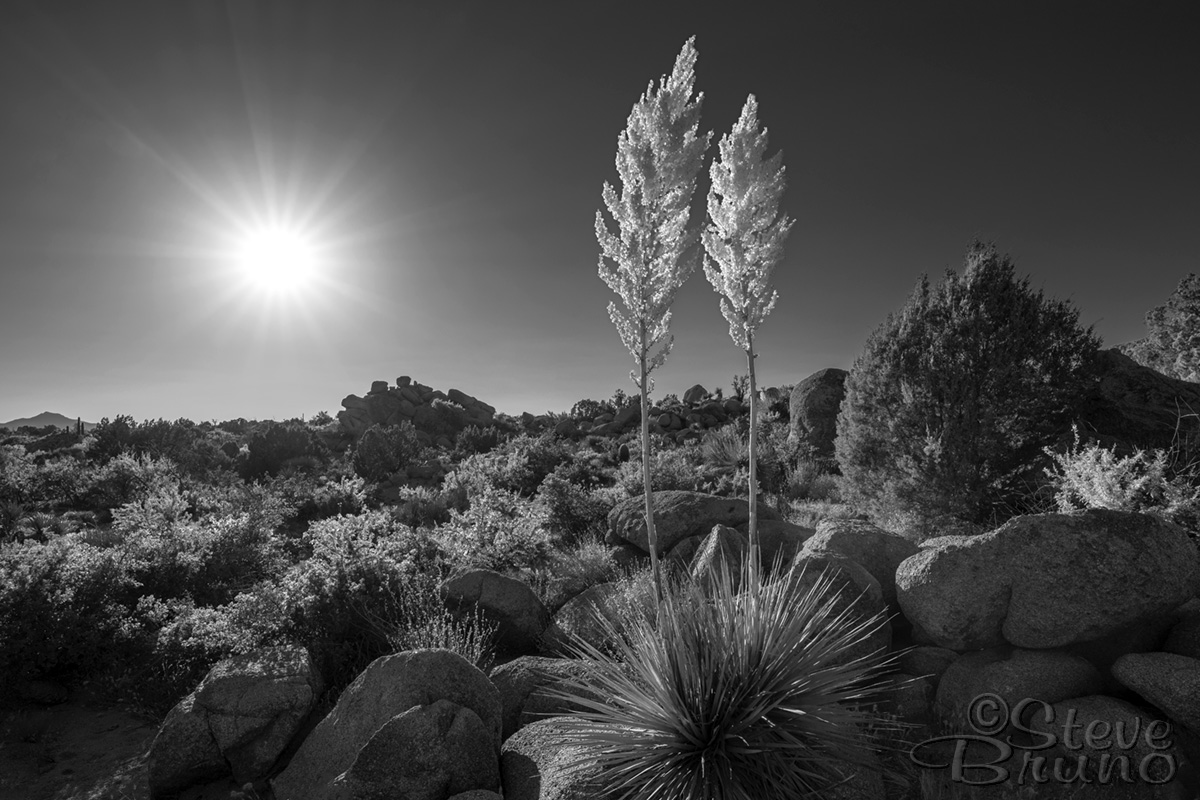
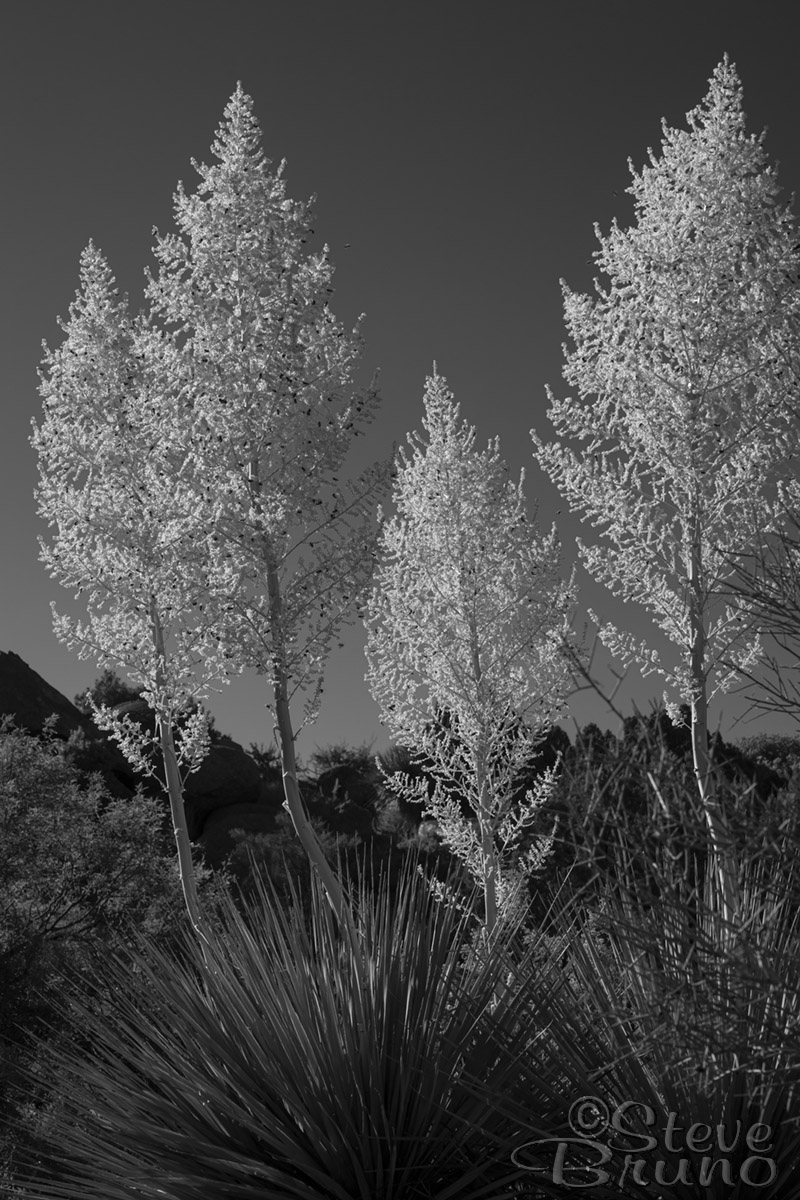
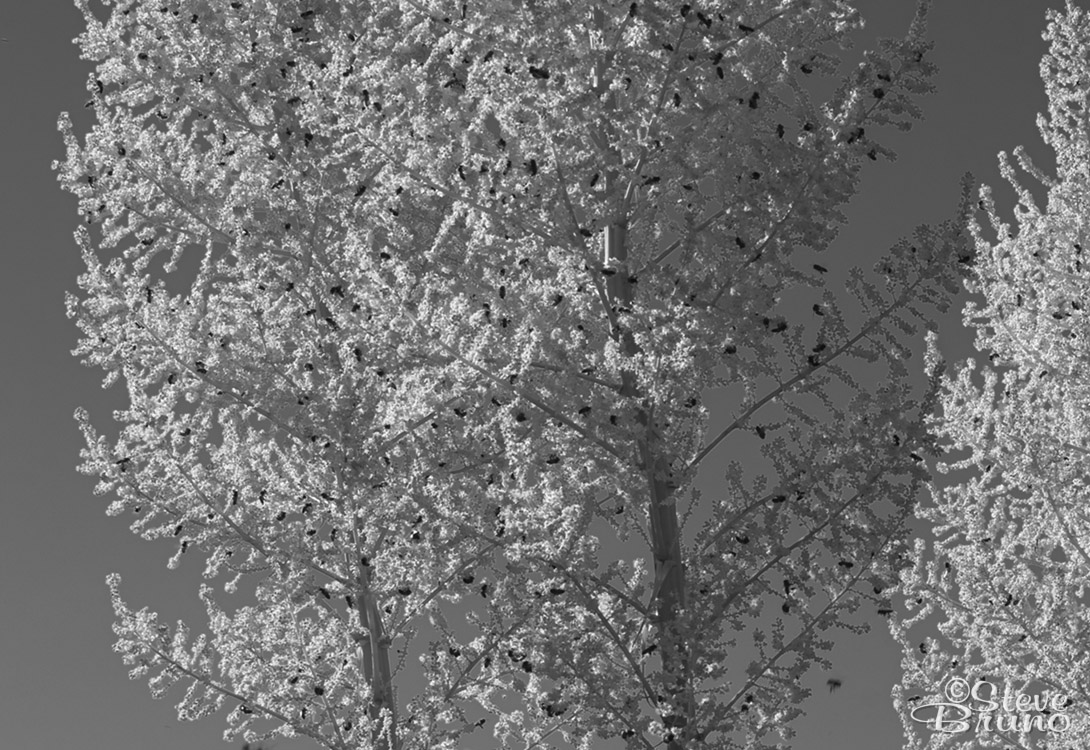
For now, my photo trips have been limited in number and almost exclusively on paved roads. These photos are from late spring in the desert of western Arizona. The yuccas are the last thing to flower in the desert, with the blooms taking place over an extended period, depending on the right conditions for each plant. As I approached the plants below, there was a definite buzz in the air. The bottom photo is a crop of the one above it, so you should be able to see the bees more clearly. Ive photographed these plants in spring before, and never remember encountering a single bee. About 100 feet away was a similar plant with fresher blooms, but no bees. I guess this is what happy hour looks like if you’re a bee!
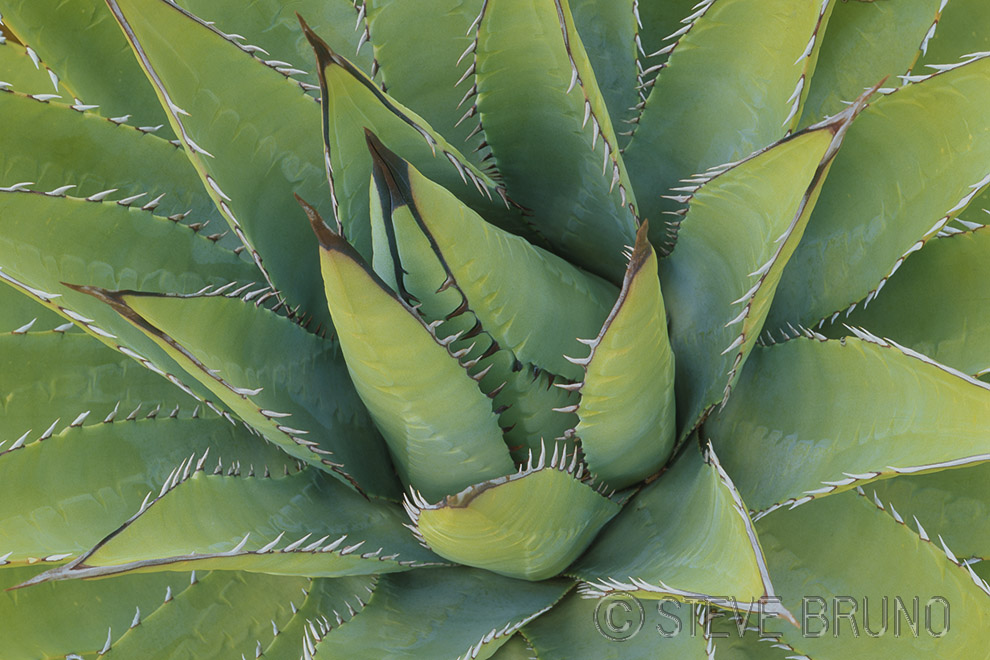
I am always intrigued by desert plants and how they grow and bloom. The agave (above) grows from a tightly packed center. As the leaves peel outward, they retain the lines of the leaves they grew adjacent to. The plants provides great lines and textures and photograph well from many angles, but I always liked this one showing the core.
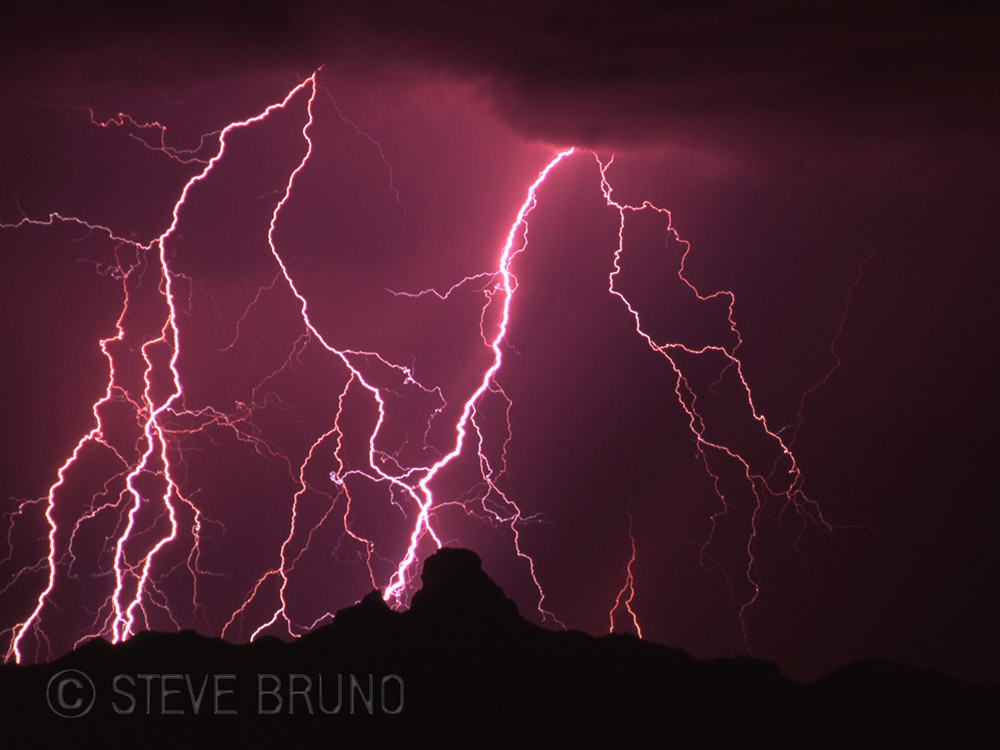
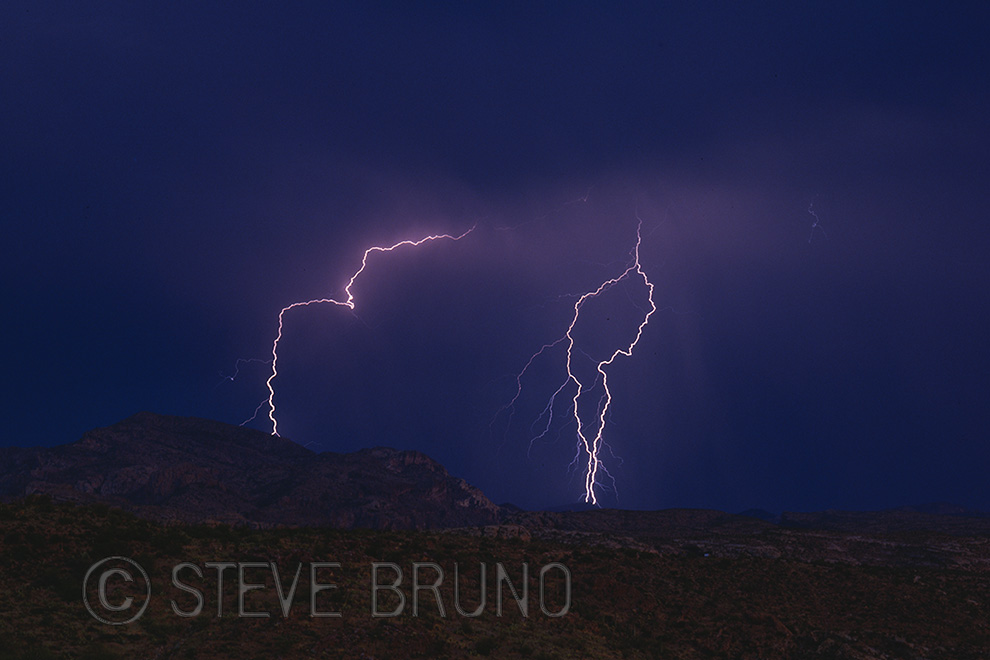
Bolts of lightning always leave fascinating lines, whether a single strike, or a multitude. This was probably the most potent and tightly concentrated thunderstorm I ever photographed.
Another weather situation that can provide great lines to photograph are icicles.

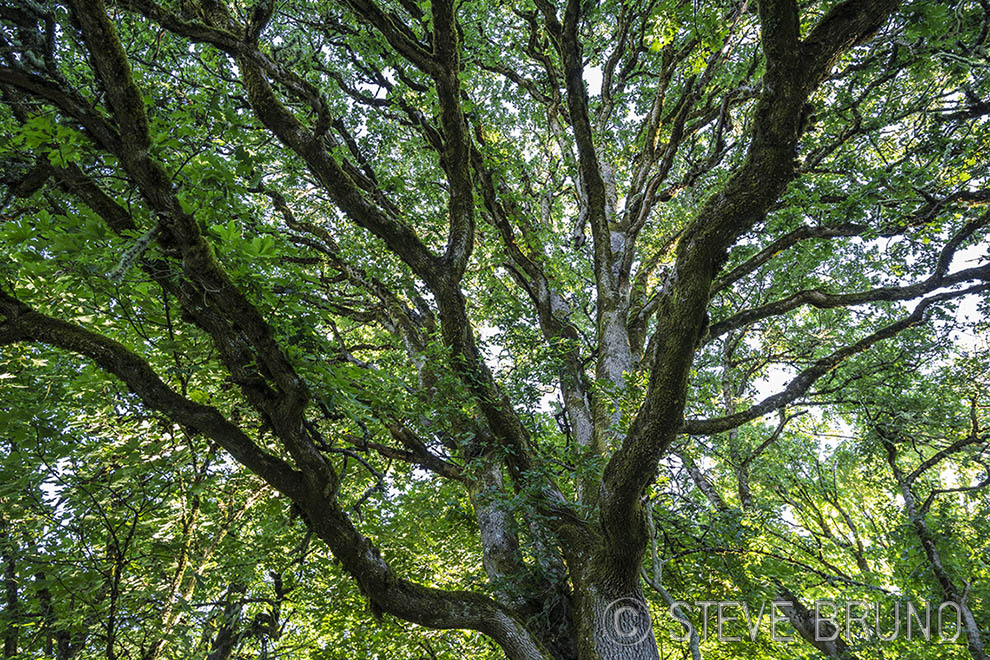
I’m always looking for trees to photograph, mostly based on their lines and the shapes they create.
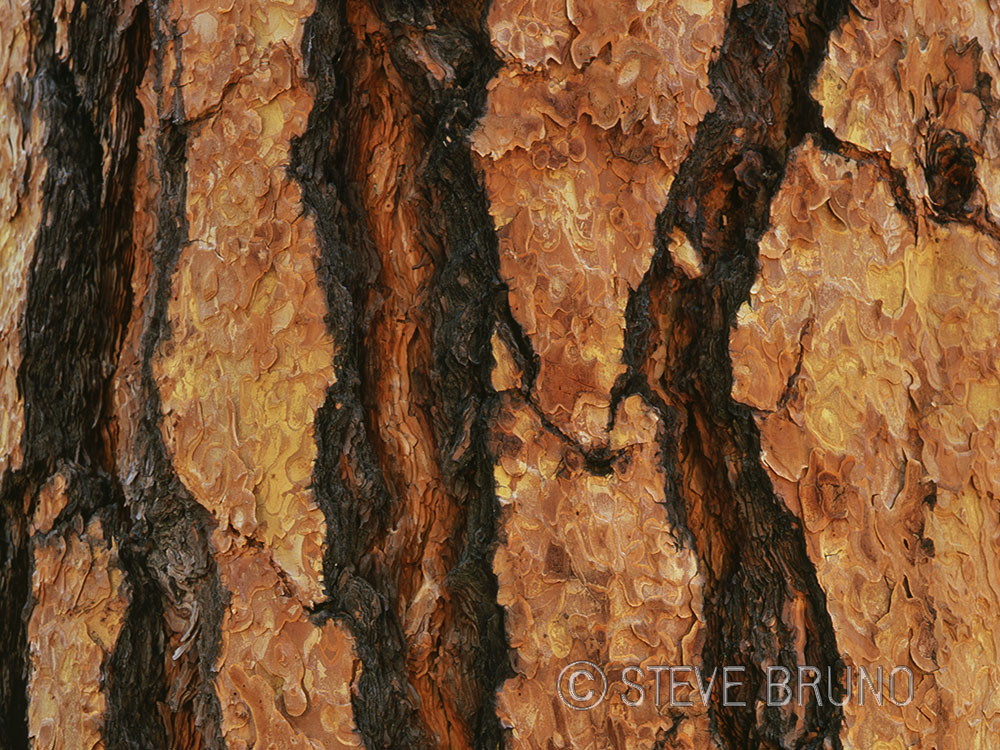
Sometimes, I don’t even have to look upward to see the photograph I want from a tree. Ponderosa pines are one of many types of trees with great bark patterns.
I find that landscape photographs are often best when there are lines that take you through the frame. The southwestern US has many locations with powerful lines.
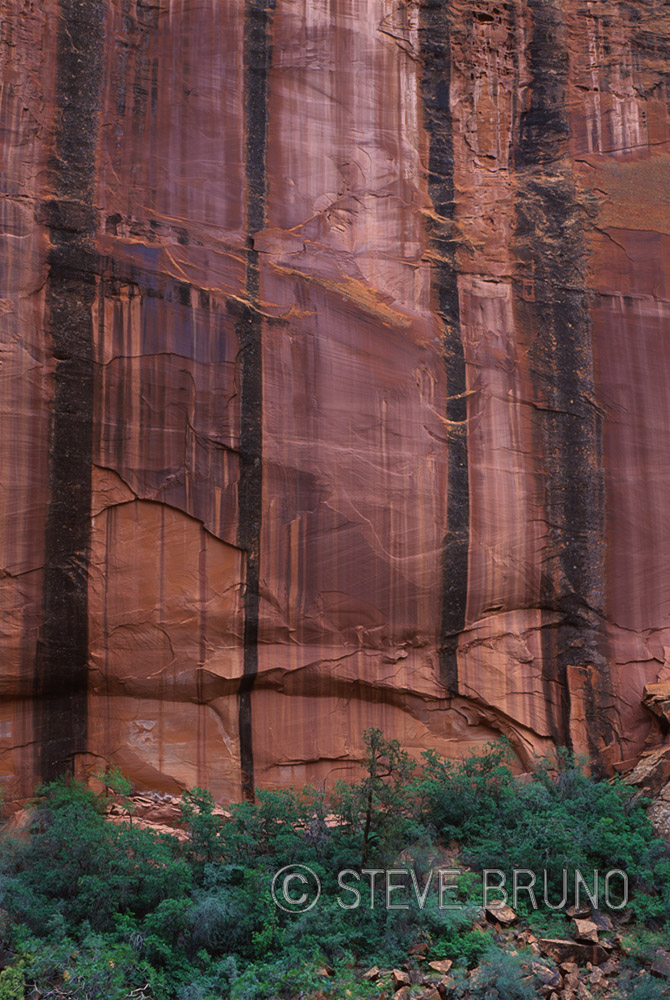
The canyons near Escalante, Utah streaked with desert varnish, or the twisted sandstone of the Vermillion Cliffs are just two examples of that.
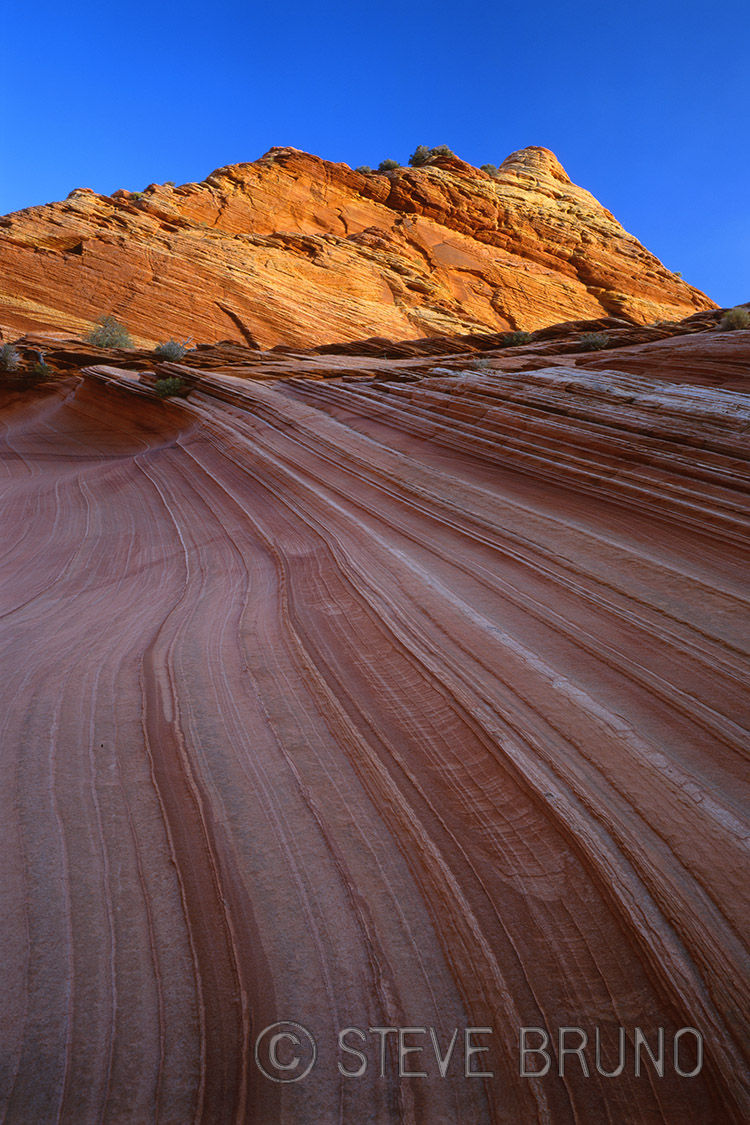
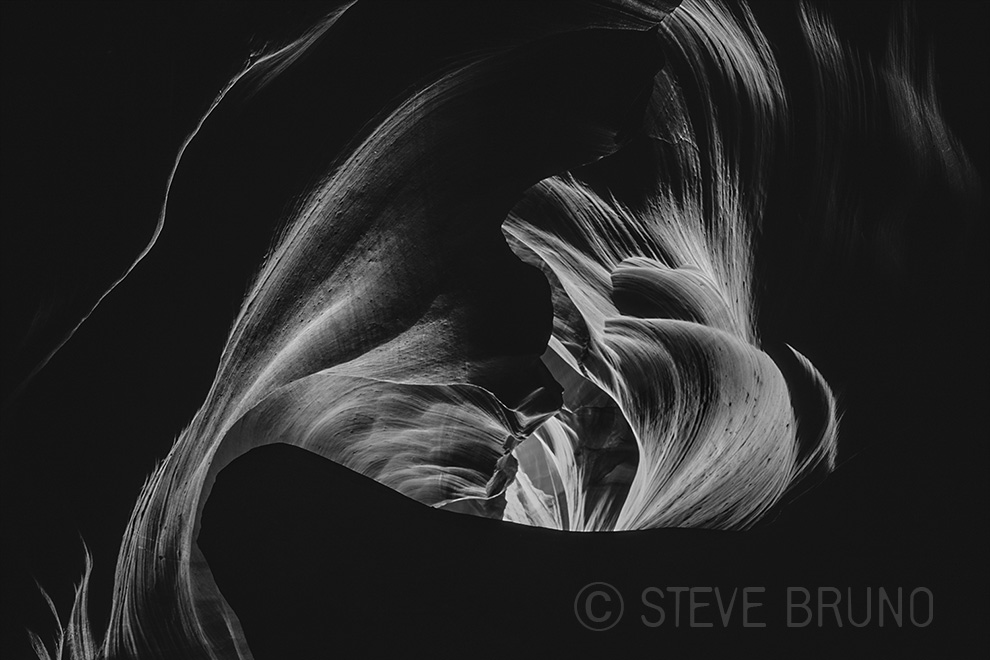
Antelope Canyon is one of the most photographed spots in the southwestern US. As you wander through this tight canyon, you can’t help but eventually look towards the sky which is no longer visible. Light tries to find its way to the bottom, and as it does, highlights the textures of the smooth, twisted, sculpted walls.
This is my contribution to Leanne Cole’s Monochrome Madness this week. Being the first one of the month, there was a theme of From Under. To see what other photographers have contributed, or instructions to join in, please visit Leanne’s website.
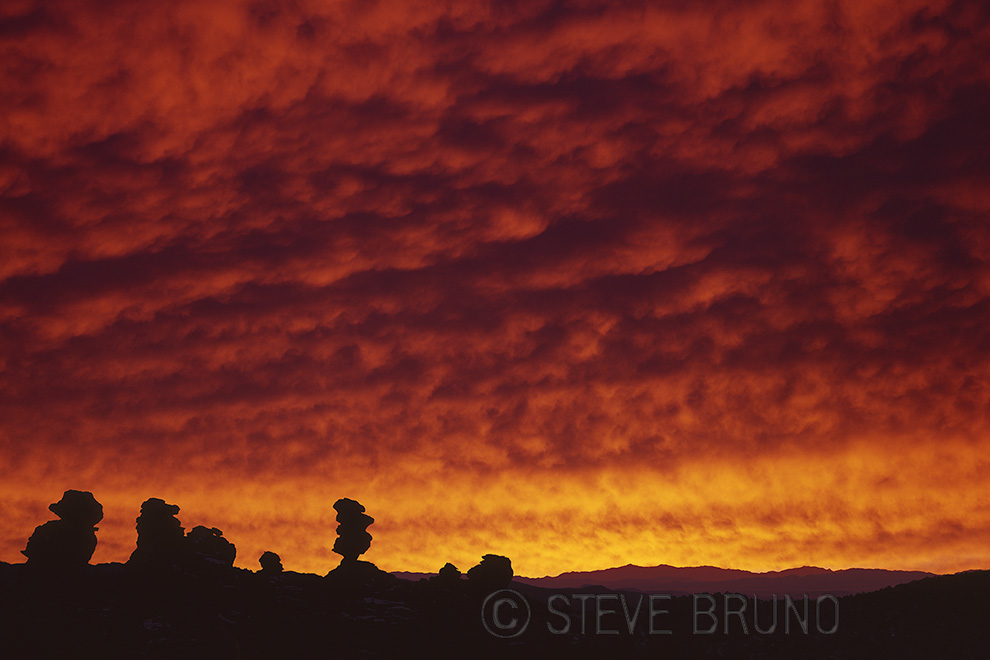
I’ve seen many beautiful sunrises and sunsets, with most of those happening in Arizona and New Mexico. Many times I have been in exquisite surroundings, only to have a faint hint of color, or to have the color burst through in a different part of the sky than I was hoping for. There have only been a couple occasions where the entire sky has lit up and I’ve been in an excellent spot to capture it. This was one of those moments from Chiricahua National Monument, Arizona.

There’s no better place to capture photographs of rain than a rain forest. I certainly would be hesitant to bring out my DSLR under these conditions, so this is where I have learned to appreciate my phone’s camera. I’m not sure how well it shows up, but there were plenty of large drops coming down when I took this shot near Hilo last summer.
Takeoffs and landings near thunderstorms can be on the turbulent side, but occasionally there’s a visual reward for being this close. I’m sure I was the only person hoping we would sit on the runway longer because I knew the delay would give this view. We were just a couple minutes off from seeing this one full circle.
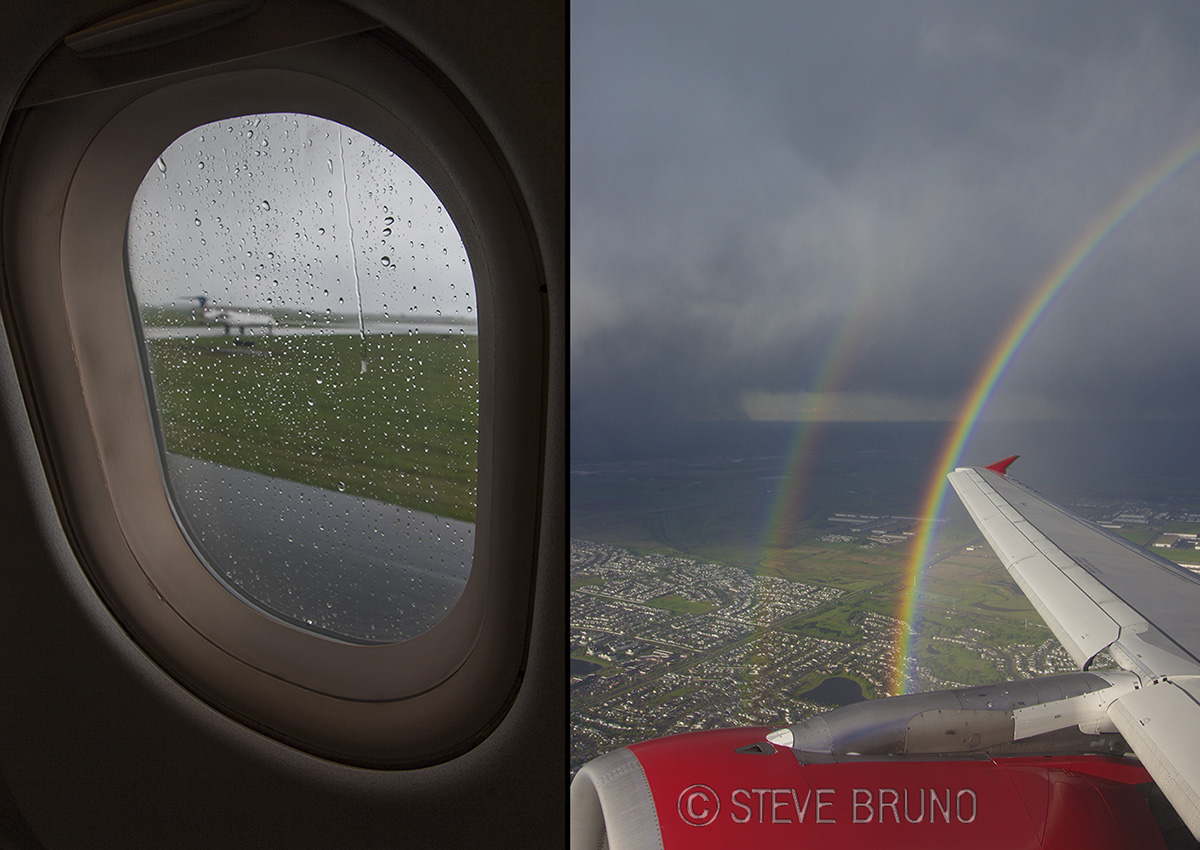
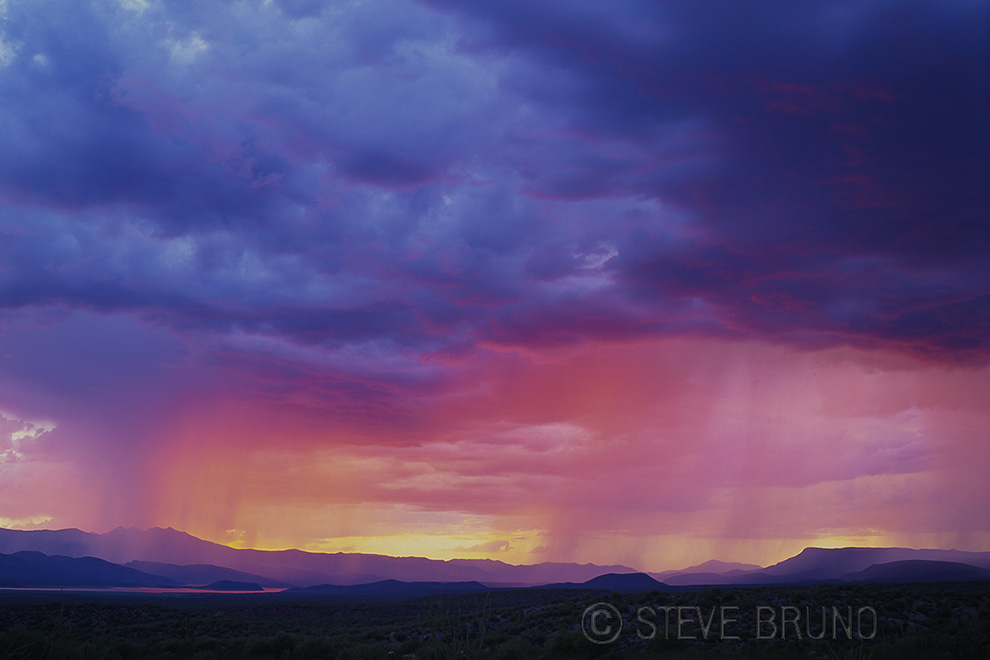
As you know by now, I’ve spent a significant amount of time in the desert, and I still have a sense of fascination when the rain showers move through. There’s a unique scent that permeates the air, and a sense of freshness with the rain settling the dust. Summer storms frequently arrive just in time for sunset, providing memorable light shows.

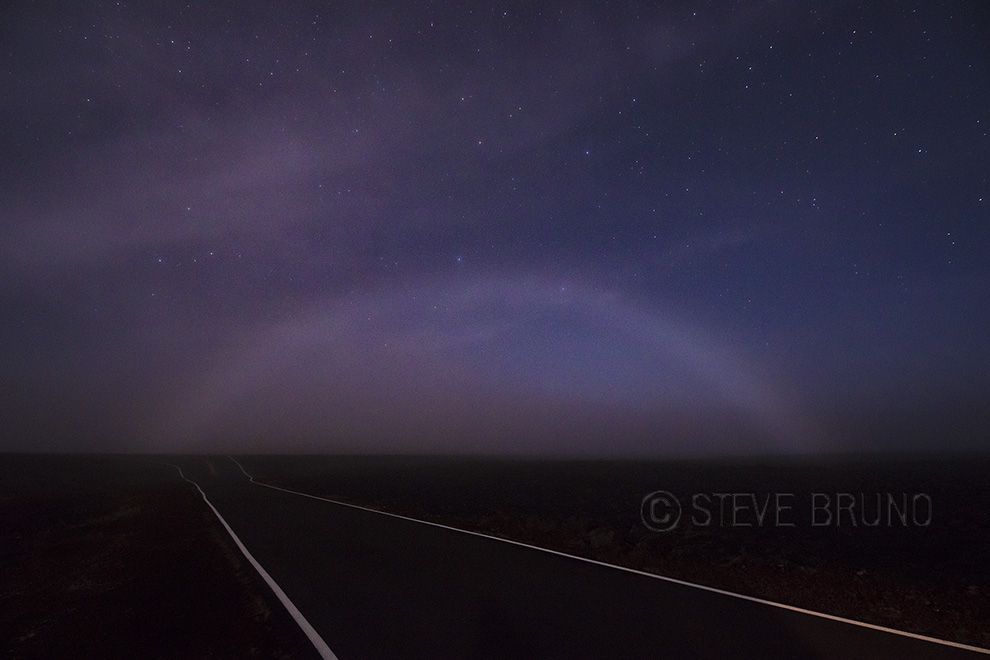
While in Hawaii last summer, I made two nighttime crossings on the road near Mauna Kea. On the first one, the skies were clear and the moon had set for the night. The stars were incredible to witness, and I posted that shot about a week ago. On my second trip, I was driving through fog as I made the ascent. Somewhere near the summit, I pulled over. There was still a still a light haze present, but I could see stars, despite the fact that the moon was still visible. As I looked away from the moon, I saw this….I call it a moonbow.
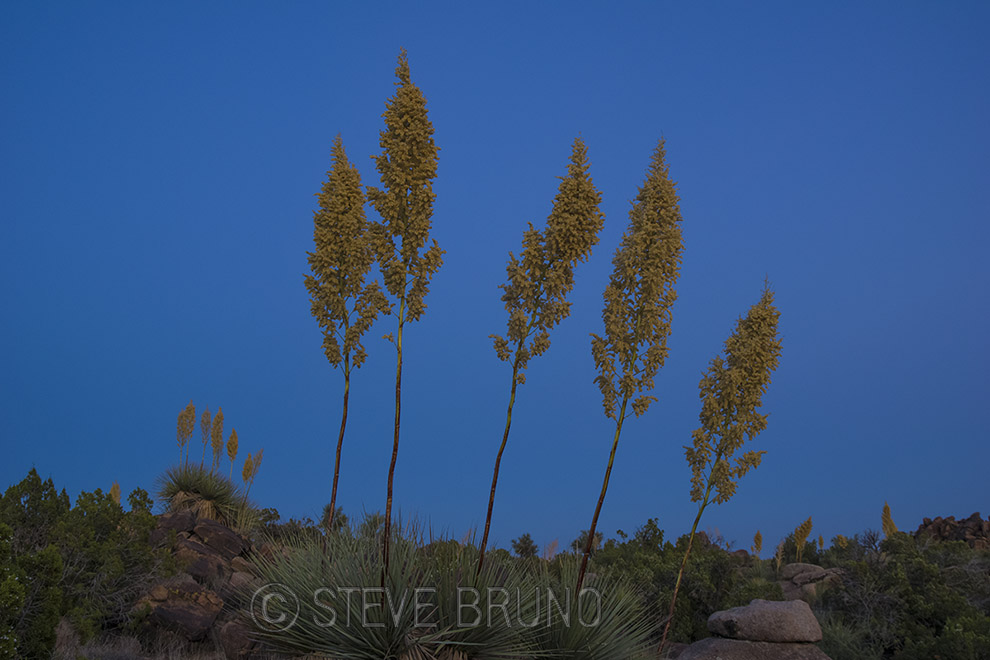
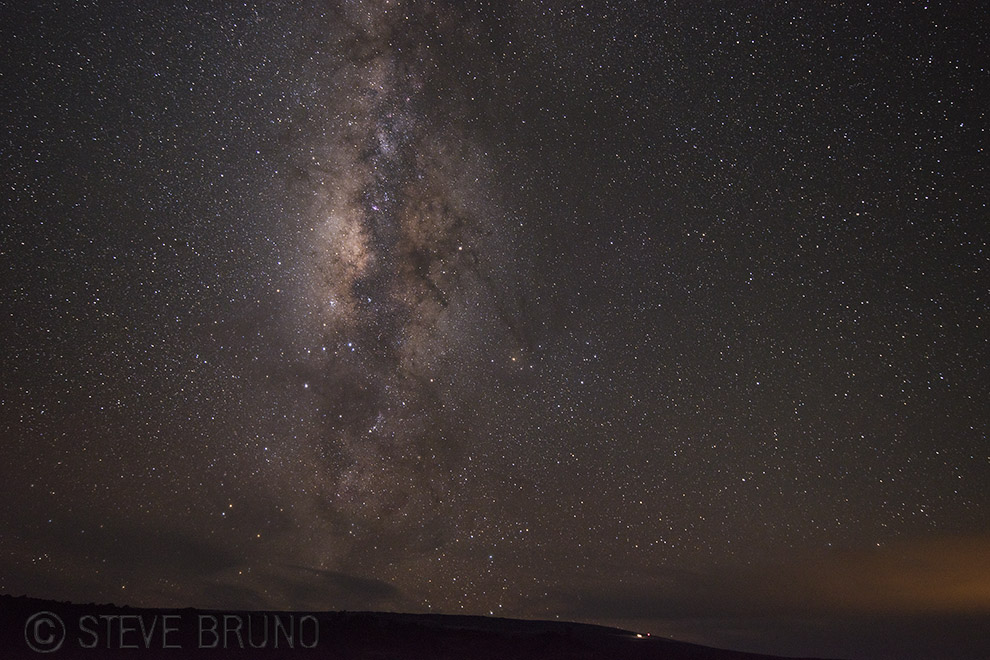
Just because the sun has gone down for the night doesn’t mean it’s time to put away the camera. For some of us, it’s the opposite. This is when the best photos can happen, starting with the blue hour (above). Once the blue hour has passed, you might be lucky enough to catch some stars.
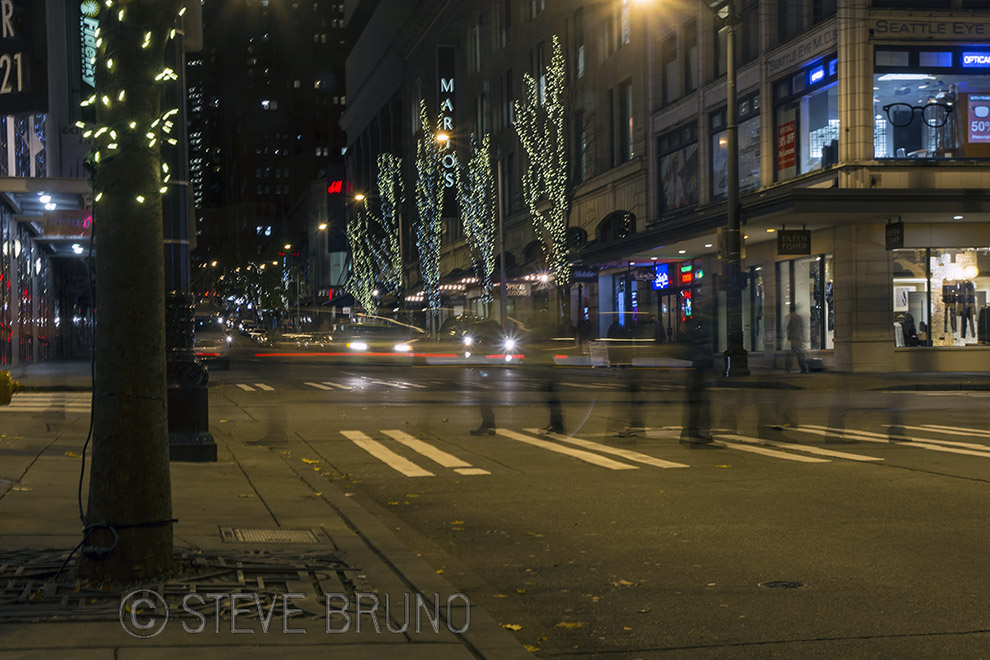
While some don’t venture into the great outdoors after dark, city streets can always provide subjects for your camera. Perhaps you will even encounter some ghosts.
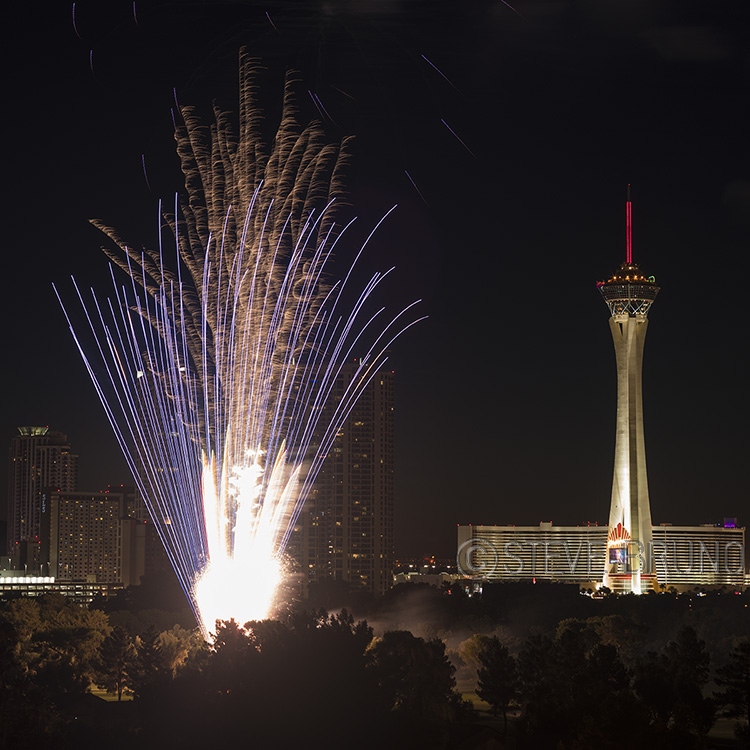
It wouldn’t be much fun watching fireworks in daylight, whether manmade or natural.
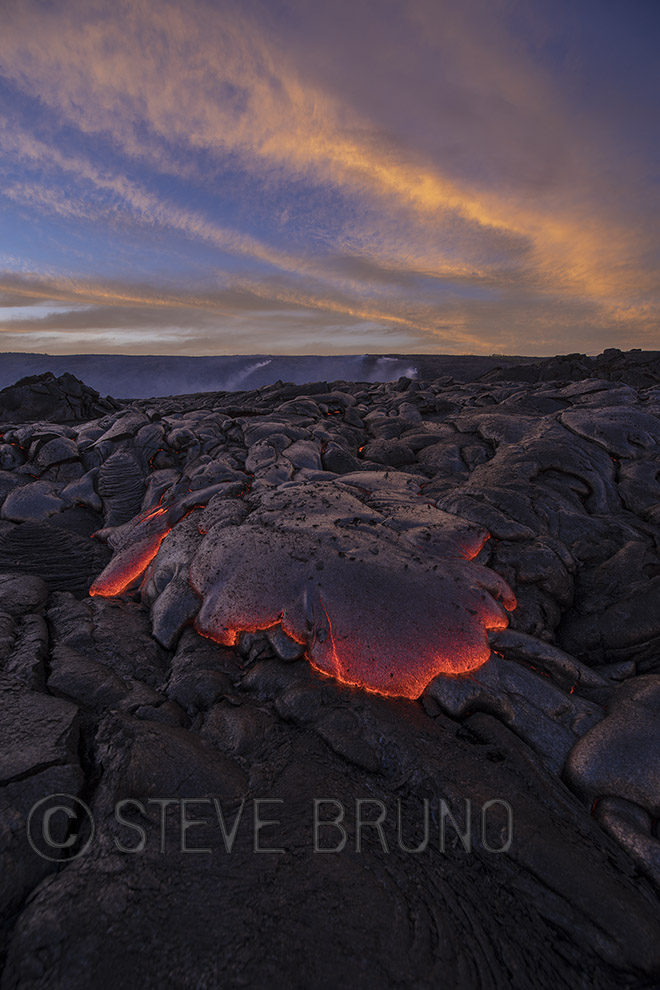
If you ever have a chance to witness lava flows up close, you will want to do this after sunset. It’s quite difficult to see the lava underneath the surface, and you might be on top of it before you realize where it’s at.

For a nature photographer, trees and their leaves have to be a top subject matter. The photo above was from the forest floor near Hilo, Hawaii. Also from the big island, about 50 miles away was this strange looking one. A pregnant tree? Hmmm.

In the same forest was this one which I call “reaching out”.

I think the trees most associated with Hawaii would have to be palm trees.
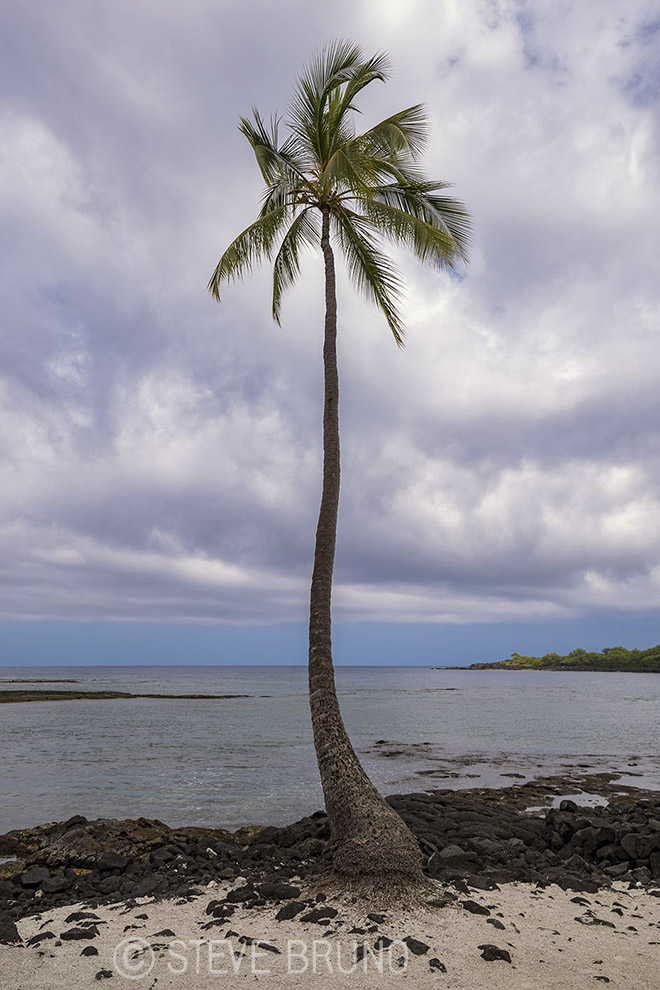
Much closer to home, on the slopes of Mount Charleston are my favorite trees to photograph – the bristlecone pines.

I have fond memories of running through the yard kicking up fallen leaves while growing up. That might be a little tough to do with all these boulders, but the forest floor in Oak Creek Canyon, Arizona is beautiful in autumn.

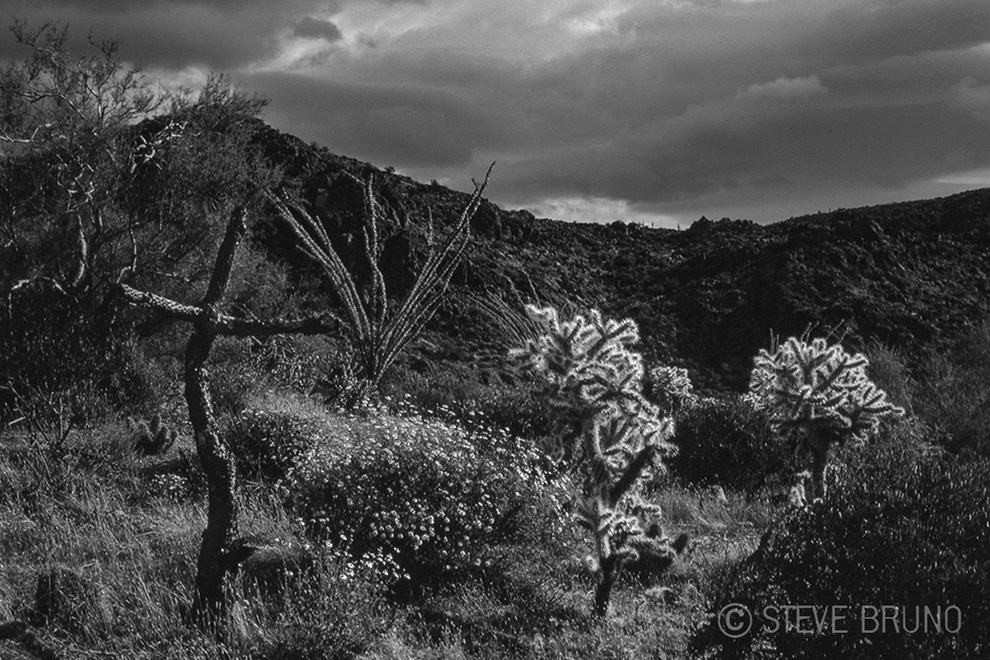
Life in the desert moves at a slow pace. Without much water, growth is slow, and subsequently, so is death. This dying cholla cactus appears to have marked its own grave, but will eventually succumb to the elements and gravity. The younger, healthier ones (right portion of frame) are bright yellow or green and are easy to notice and avoid. During their life, they eventually drop several sections. In the course of time those begin to camouflage themselves, browning to match the stones beneath, and still just as painful. Walking through a dense cholla forest is like navigating a minefield. If you manage to get too close to one, you will swear you have been bitten by something.
 Steve Bruno Photo
You must be logged in to post a comment.