Search

Steve Bruno Photo

Category

photography

WPC: (Extra) Ordinary

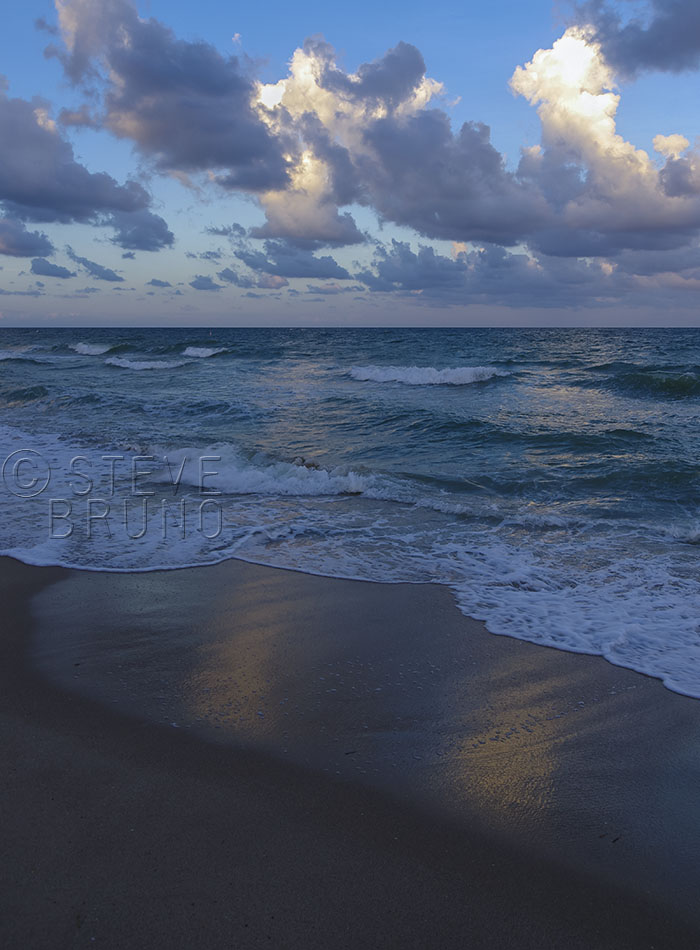
Setting sun illuminates part of the cloud cover over the Atlantic Ocean. Photo by Steve Bruno.

An ordinary day on the Atlantic Ocean in Florida.  There were no dramatic waves nor spectacular storm clouds.  As the sun was setting, only two patches of cloud remained lit.  I loved the way they reflected shafts of light across the water and into the sandy area where the waves were receding.  To me, that’s what made this shot stand out from the rest I took that day.

In response to The Daily Post’s weekly photo challenge: “(Extra)ordinary.”

Wordless Wednesday: Window Seat I

Window Seat

Wordless Wednesday: Colorado Gold

Colorado Gold

WPC: Possibly Horrendous Change

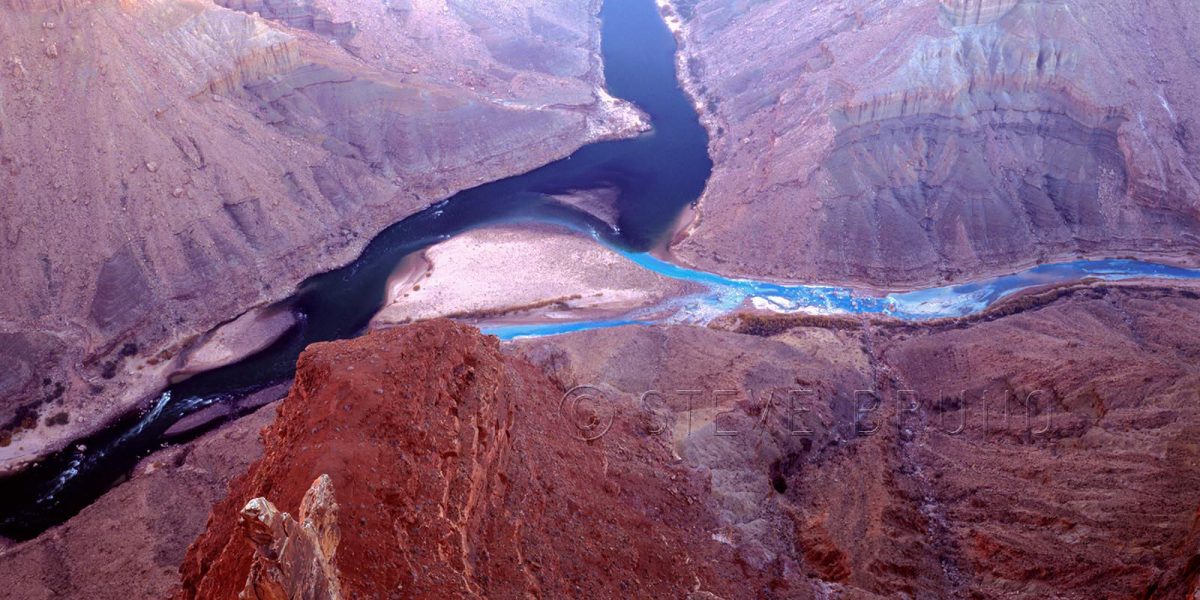
The Grand Canyon is one of earth’s special places, and even in special places you come across spots that are extra incredible.  The photo above is the confluence of the Little Colorado and Colorado Rivers in Grand Canyon National Park, Arizona.  During the majority of the year it looks like this.  The turquoise colored waters of the Little Colorado, coming in from the right, are fed from a highly mineralized spring about six miles upstream.  The Colorado’s waters come from Glen Canyon Dam, which filters out most of the sediment, leaving a deep green hue to the water, when the sunlight hits it.  If there is a flood in the vicinity, either, or both, will turn muddy before returning to this two tone mix.

For this week’s challenge, I thought the changing of the Little Colorado’s waters after mixing with the larger volume of the main river showed the visual aspect of change.  But there’s a far deeper issue of change at stake.  The photo above is in National Park property, but about a mile east, just outside the right edge of the frame, is the boundary with the Navajo Indian Reservation.

A project called the Grand Canyon Escalade is still being considered to be built in the Navajo lands at the edge of the national park.  The project’s main feature would be a gondola estimated to bring up to 10,000 people a day into the canyon.  At the bottom would be restaurants, shops, an amphitheater and elevated riverwalk.  You can also add toilets and garbage to that list.  On the rim would be hotels and an RV center plus more of the previously mentioned items.  They seem to have omitted where the water supply would be coming from.

The Escalade idea came from developer R. Lamar Whitmer, with the project offices based in Scottsdale, Arizona.   Mr. Whitmer has several arguments for his cause, including making this area “accessible to those who might never get to enjoy the tranquil isolation at the bottom of the canyon”.  Have you been to Mather Point on the South Rim, Mr. Whitmer?  There can easily be a thousand people there at sunset, and the words “tranquil isolation” are the furthest thing from my mind.  I can’t imagine experiencing tranquil isolation with thousands of strangers in this tight little pocket of the canyon.  That is where raft trips fill the need quite well.

The major selling point of this project was jobs for the Navajo Nation, where unemployment is incredibly high.  Nobody could possibly be against that, or could they?  Written into the contract is a non-compete clause for 40,000 acres along access roads.  It seems all those jewelry stands run by nearby families would have to go, among others.  And how about that corporate address?  I would have an easier time believing that the Navajos’ best interests were at stake if it was based in Window Rock, or Cameron, or even Flagstaff.  Are the Navajo workers supposed to move or commute to Scottsdale?  Or are the Navajos not even being considered for corporate level jobs?

This project is completely in the hands of the people of the Navajo Nation.  There is nothing that US citizens or the US government can legally do to prevent this from becoming reality.  The nearby Hopi tribe has no say in the matter, either.  The spring which feeds the Little Colorado is one of the Hopis’ most sacred sites.  Fortunately, newly elected Navajo President, Russell Begaye, is against the Grand Canyon Escalade.  This is probably the best news to come about since this idea first started.  His predecessor was completely for it.

In addition to the impact in the immediate area, this eyesore will be visible from many points along the South Rim, and those points on the eastern drive of the North Rim.  The spot I was standing, even though considered backcountry, used to have a rough road leading all the way out to the overlook.  Very few people knew of this, but it only took a couple of disrespectful people, having bonfires and leaving trash, to make it so you have to walk the last five miles now.  I wonder what the impact will be when the numbers are in the thousands?

I really don’t want to add this to my historical photograph collection.

In response to The Daily Post’s weekly photo challenge: “Change.”

Wordless Wednesday: Minnesota Sunrise

Minnesota Sunrise

WPC: Old West Grid

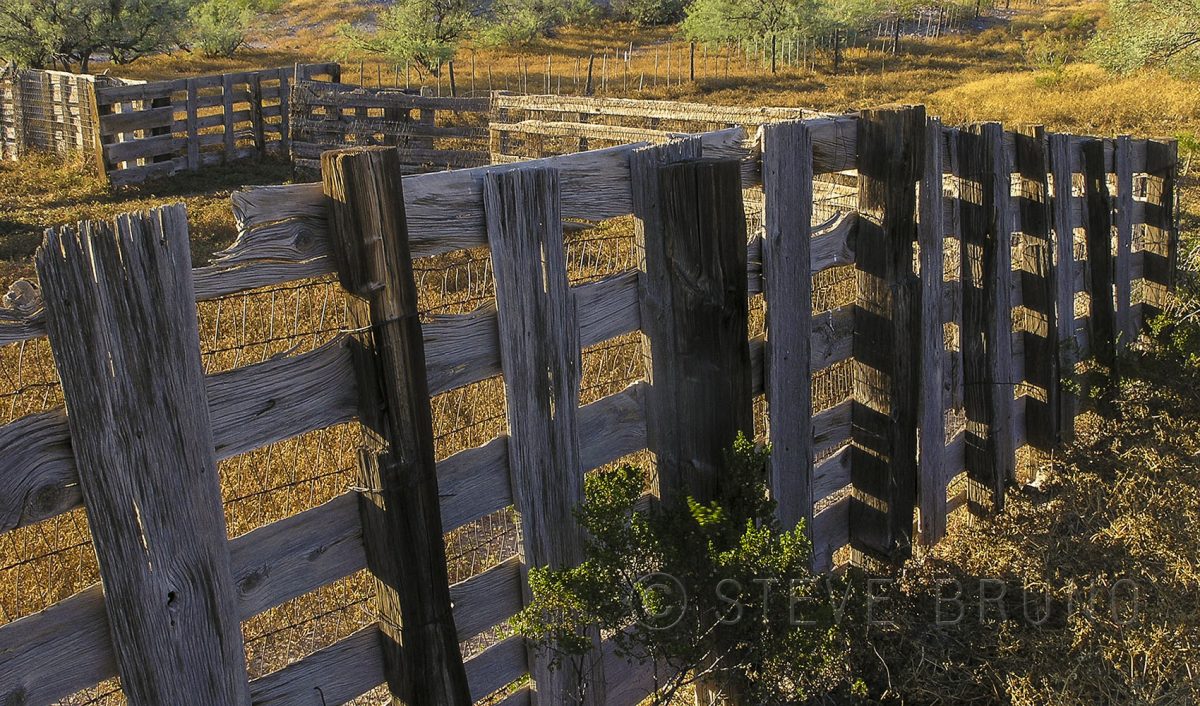
Fence that once corralled the herd on an abandoned ranch in the desert of southeastern Arizona.

In response to The Daily Post’s weekly photo challenge: “Grid.”

Wordless Wednesday: White Sands, New Mexico

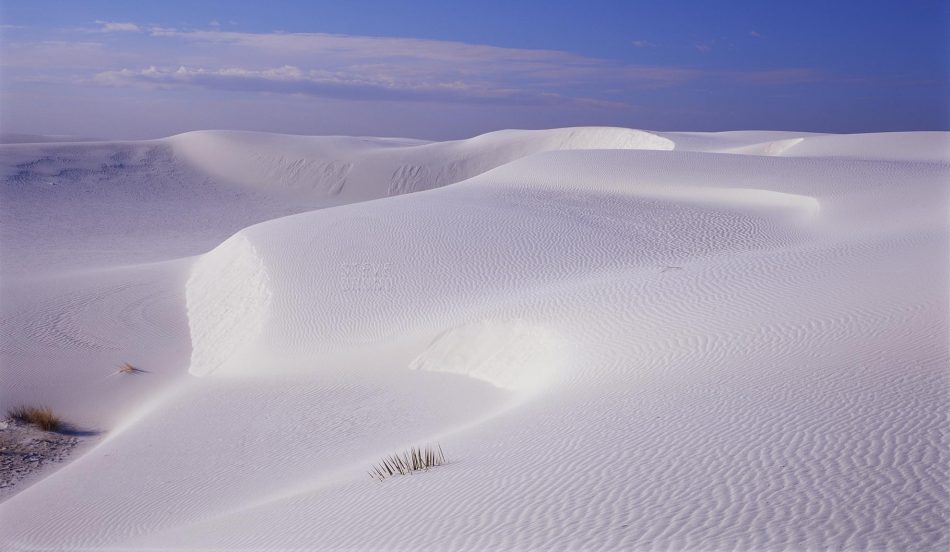
White Sands, New Mexico

Cee’s Black & White Photo Challenge: Trees

***As always, click to enlarge***

I thought I’d try something a little different for Cee’s Black & White Challenge.

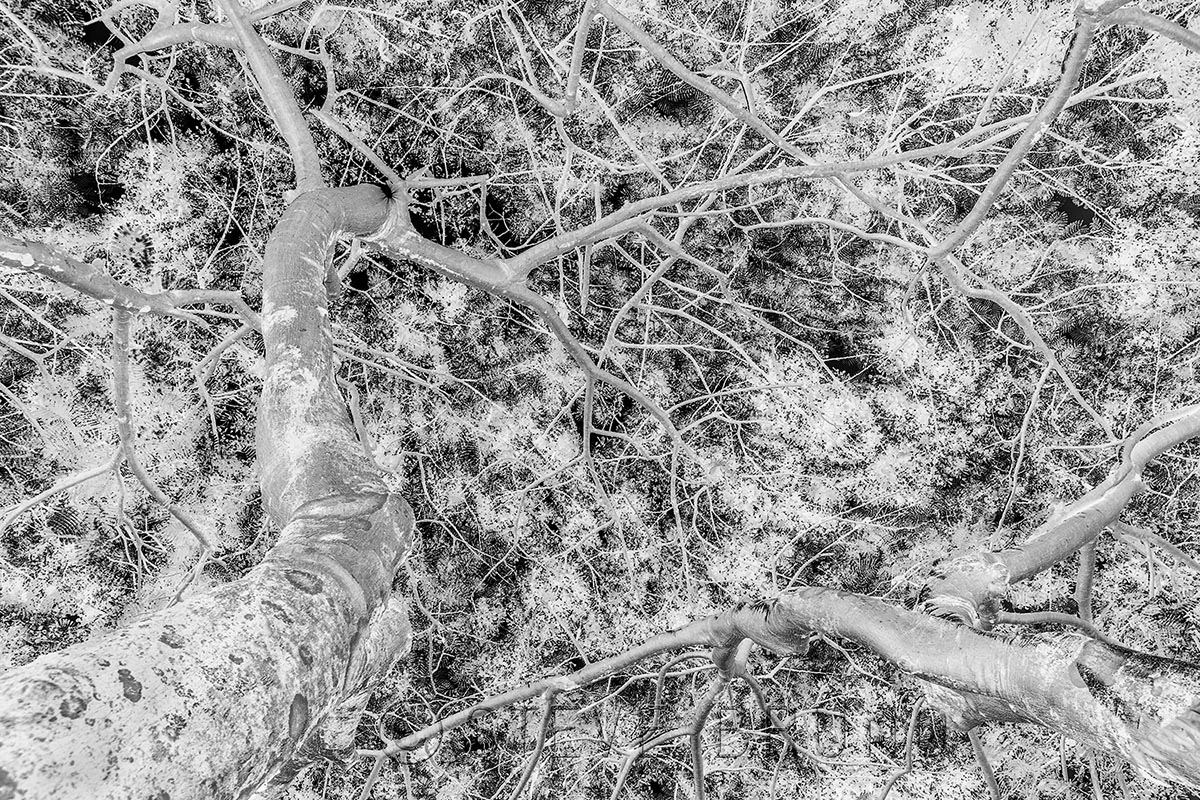
This is one of my favorite shots from Hawaii, but it didn’t come from some spectacular wilderness setting.  In the property next to a gas station, there was an interesting group of trees.  This was taken looking up from underneath two of them, but closer to the one on the left.  I love the patterns of the branches reaching skyward, and in color the contrast of the branches against the lush green with red flowers makes this work.  When I converted it to grayscale, it just fell flat.  And then I thought, what’ll happen if I click on Inverse?  The network of branches came back to life!

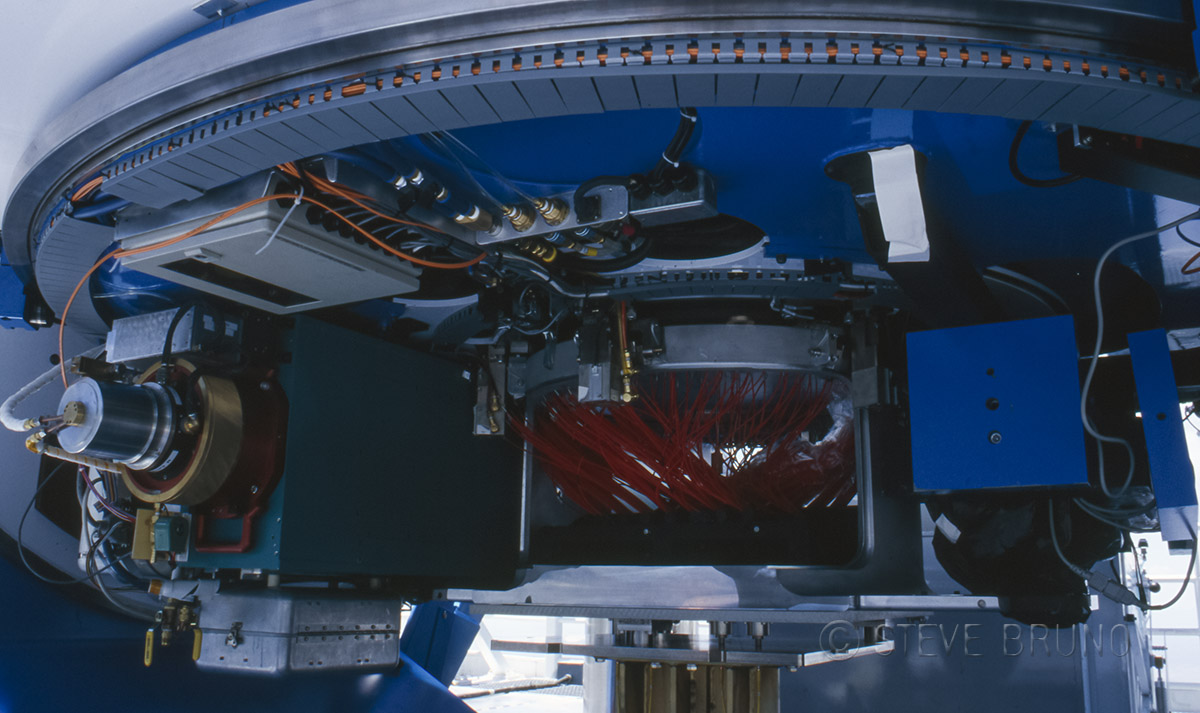
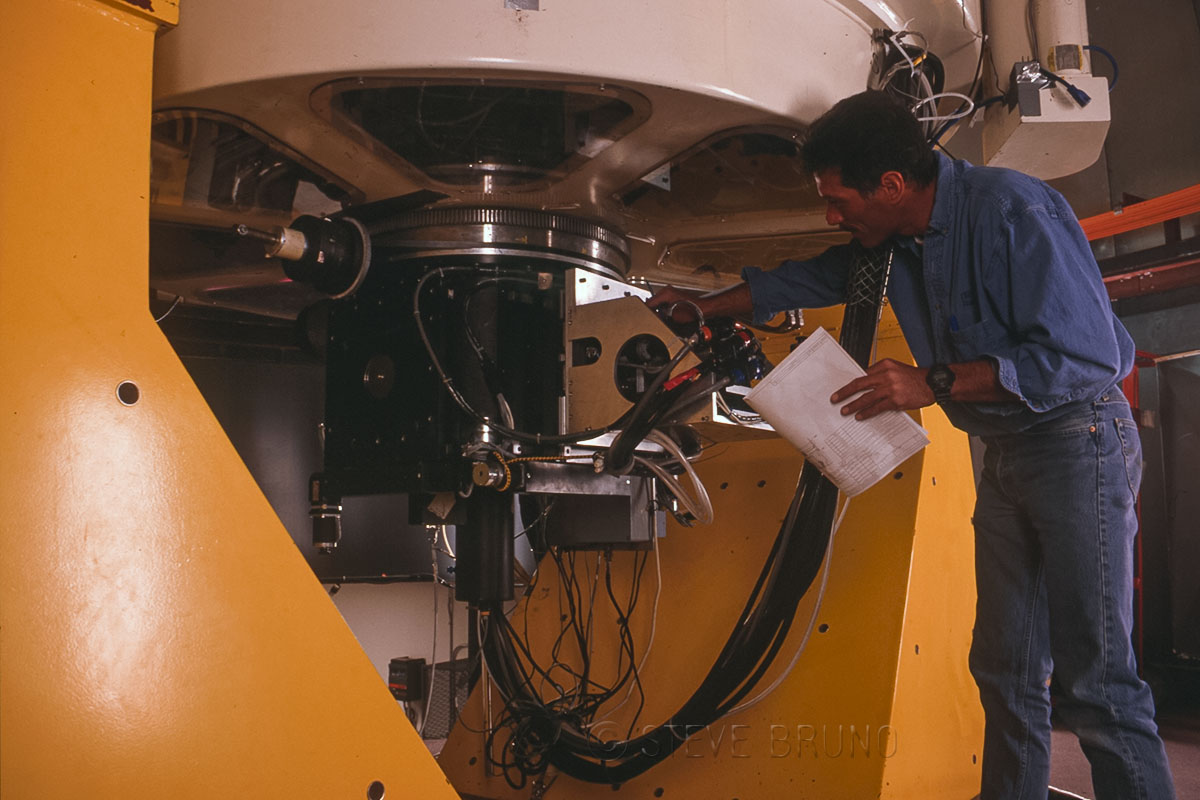
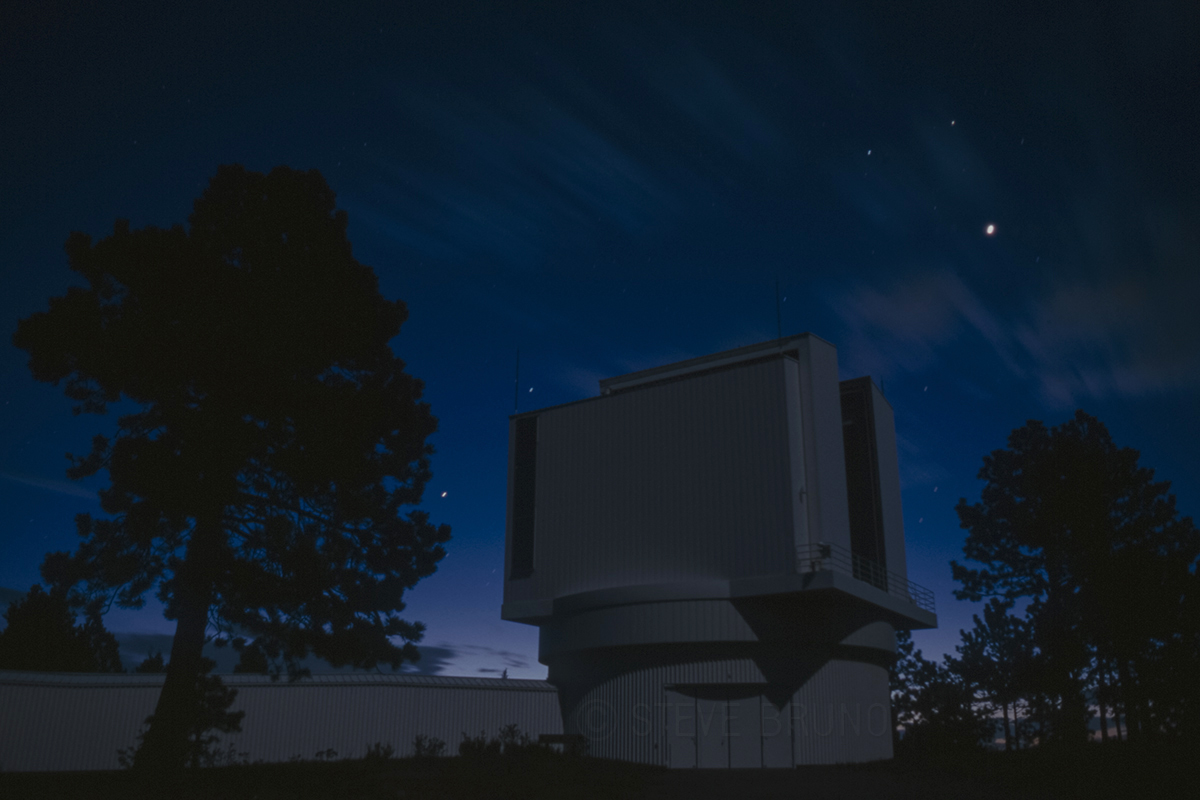
Sunday Stills, the next challenge: The Letter T (for telescope)

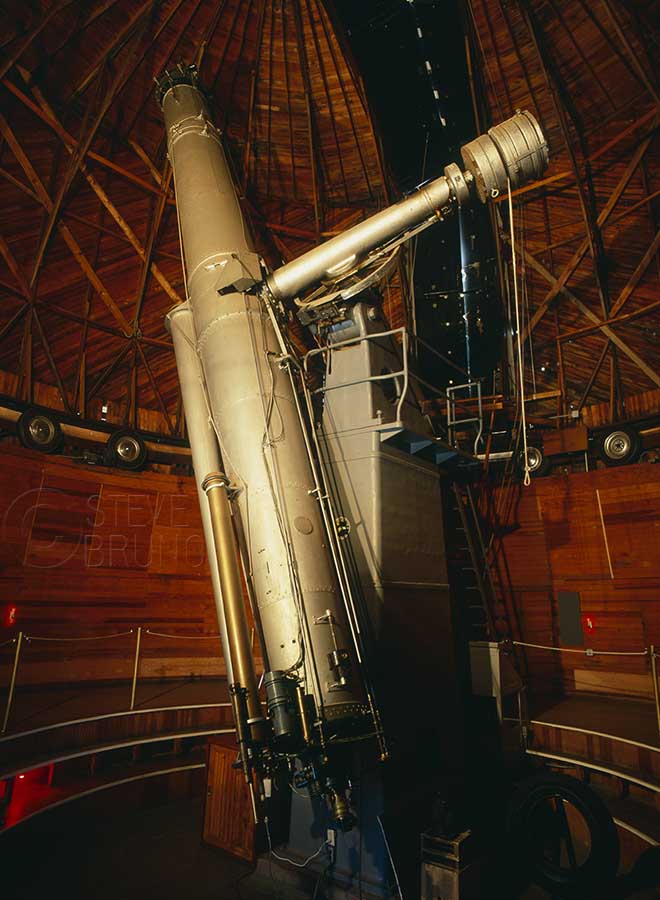
The 24 inch Alvan Clark refractor telescope, used in the discovery of Pluto. Lowell Observatory, Flagstaff, Arizona, photo by Steve Bruno

The science of astronomy has come a long way since Percival Lowell sat in his chair peering through this once high-tech telescope at the Lowell Observatory in Flagstaff, Arizona.  It has been many years since someone “looked” through a large telescope of the magnitude you might find at any of the major observatories in the world.  Instead, astronomers sort through large amounts of data fed to their computers from the instrumentation at the receiving end of these technological works of art.  The romantic notion of someone peering through a telescope towards a new galactic discovery exists only as a Hollywood vision.  If only they were fitted with an eyepiece – the views would be incomparable.

This is my entry for Ed’s Challenge this week.

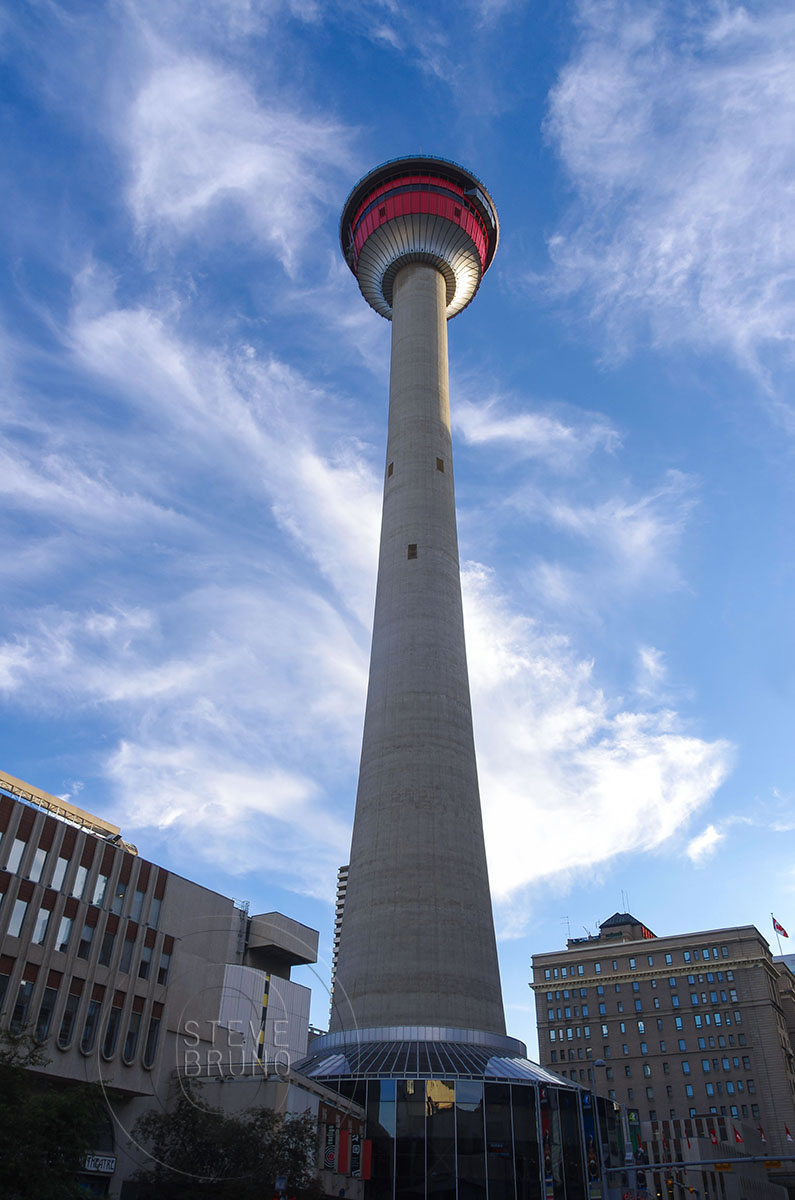
WPC: From Every Angle

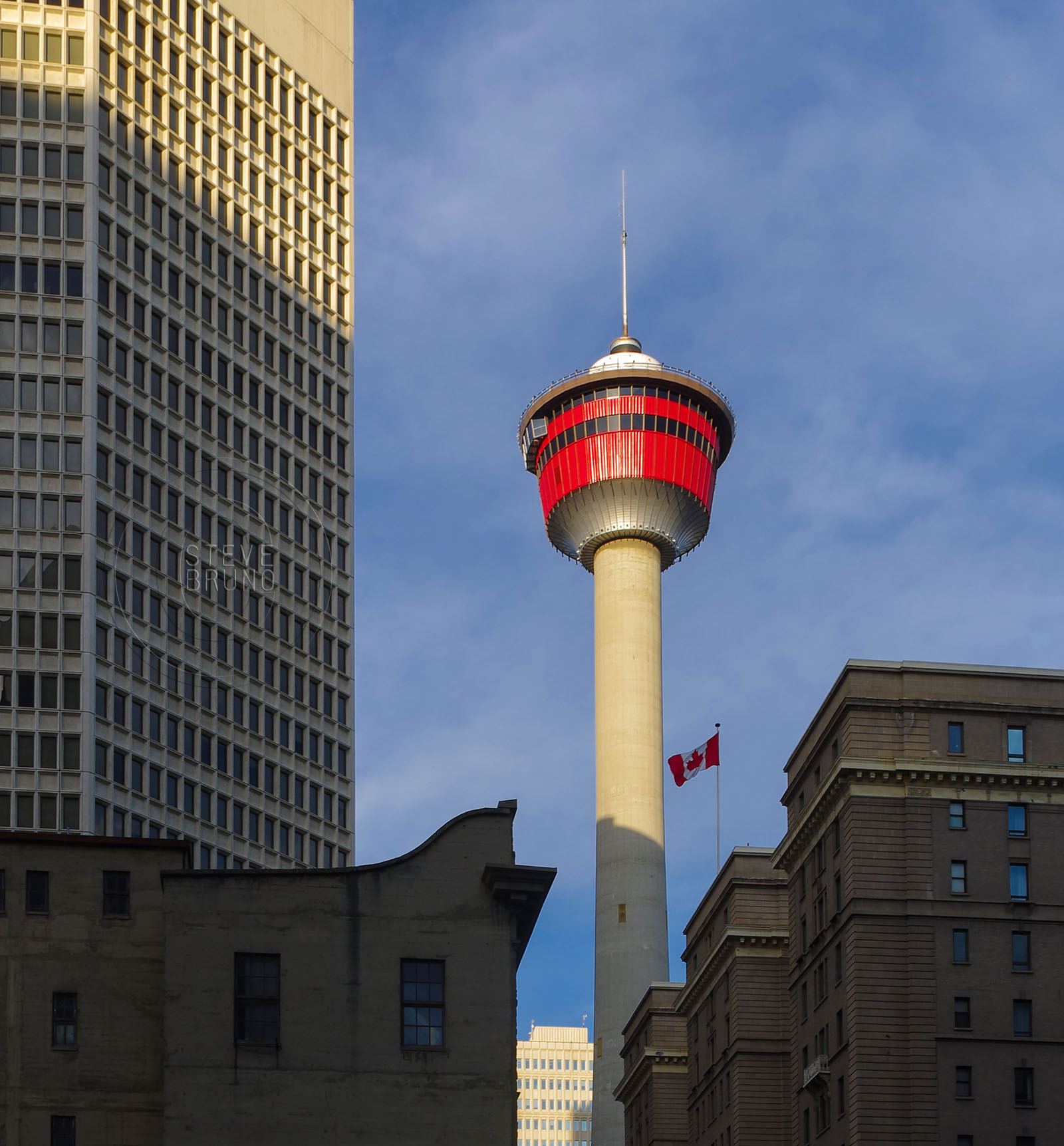
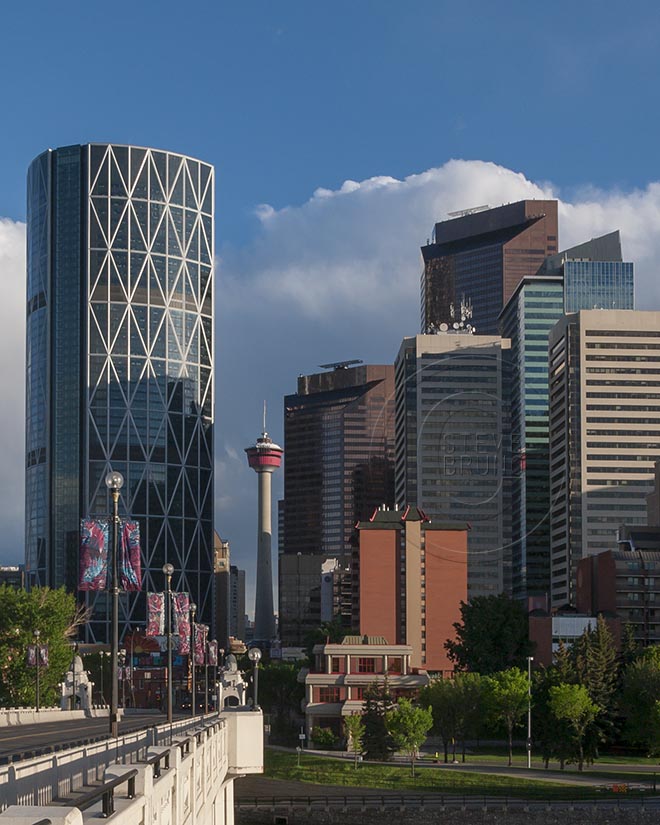
For this week’s challenge, I’m going back into my Calgary files and presenting three views of the Calgary Tower.  The building is a rather tall and an impressive sight, but the further back you get, it just seems to get dwarfed by the rest of the city.

In response to The Daily Post’s weekly photo challenge: “From Every Angle.”

WPC: Today Was a Good Day

As an old friend used to say, “Every day above ground is a good day!”  Some days stand out more than others, and here’s one that I still remember.

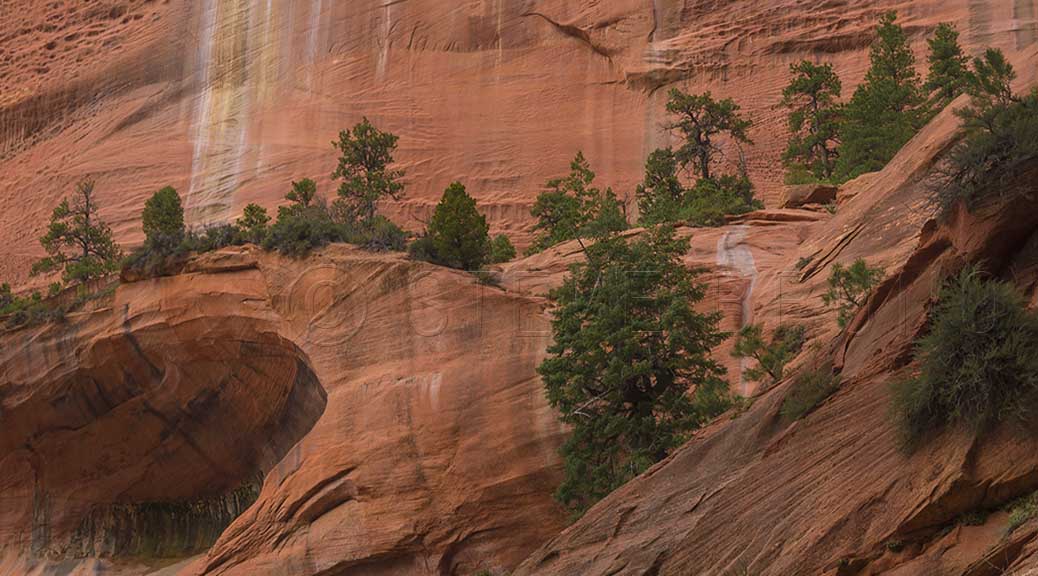
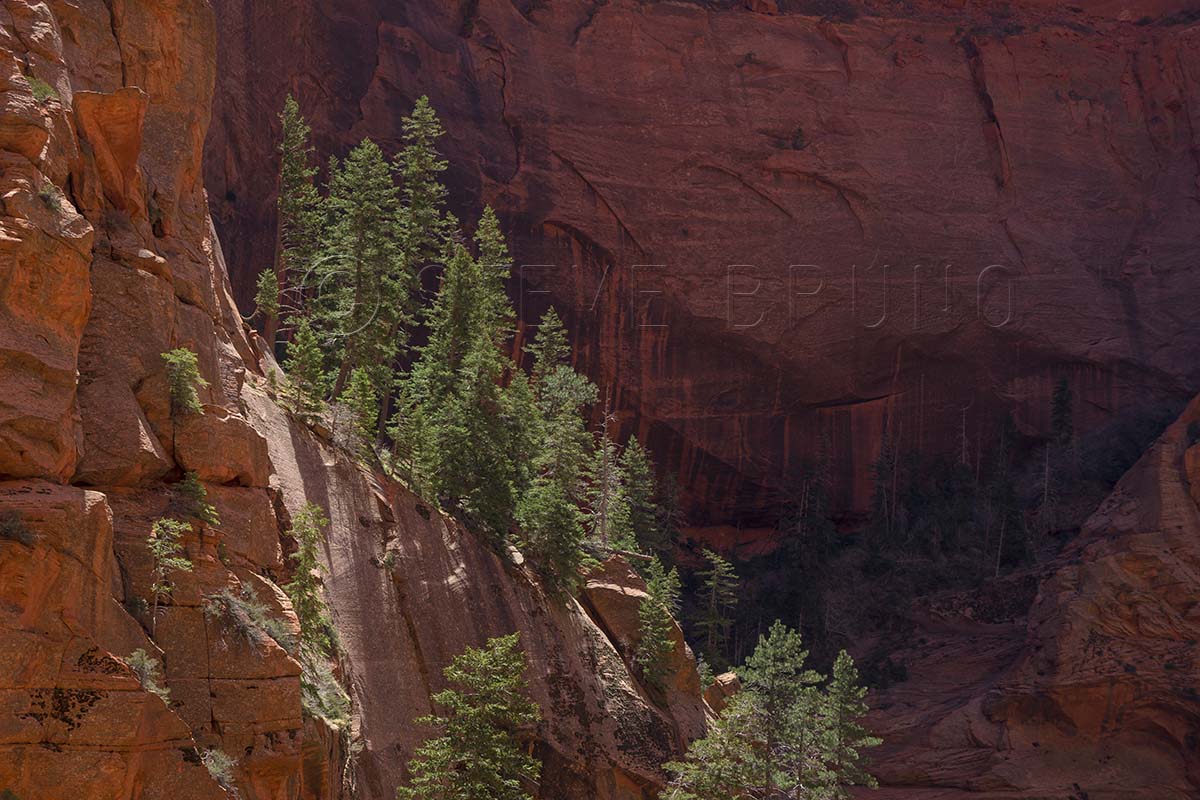
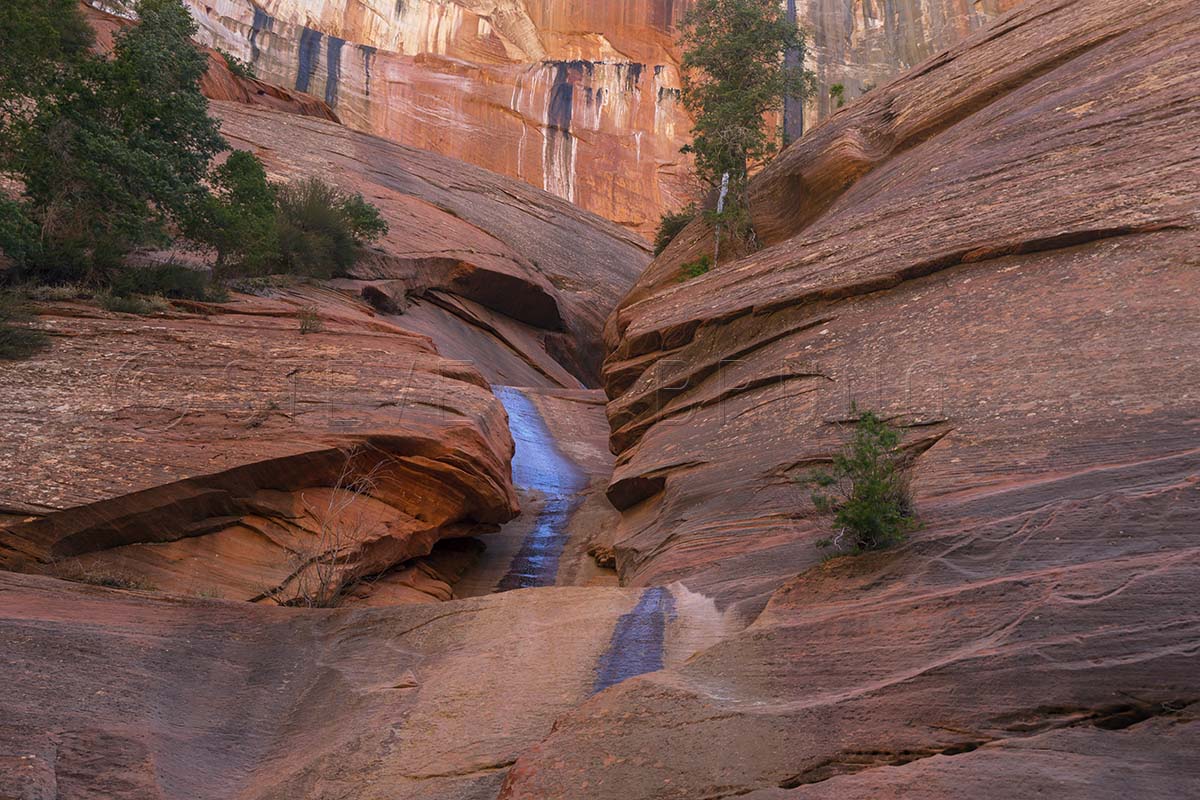
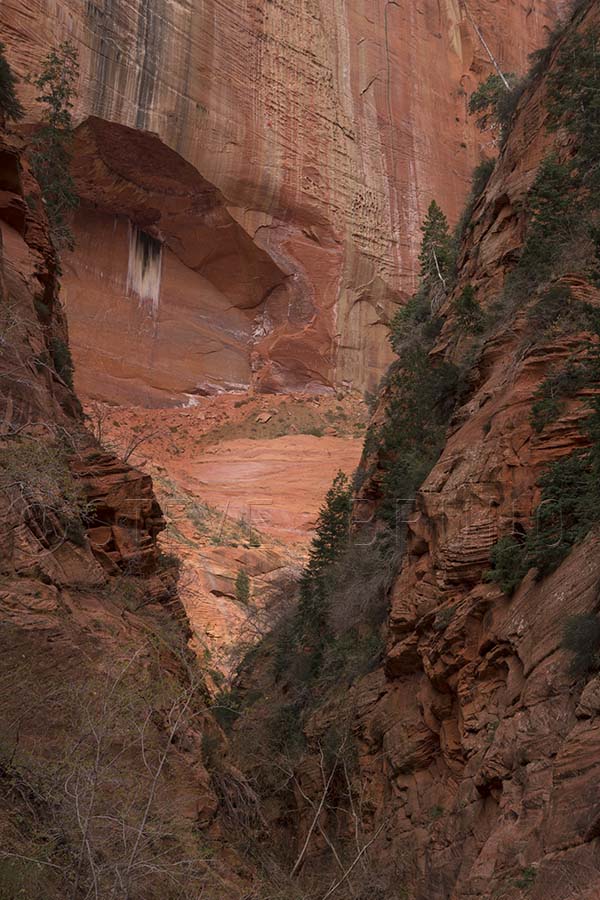
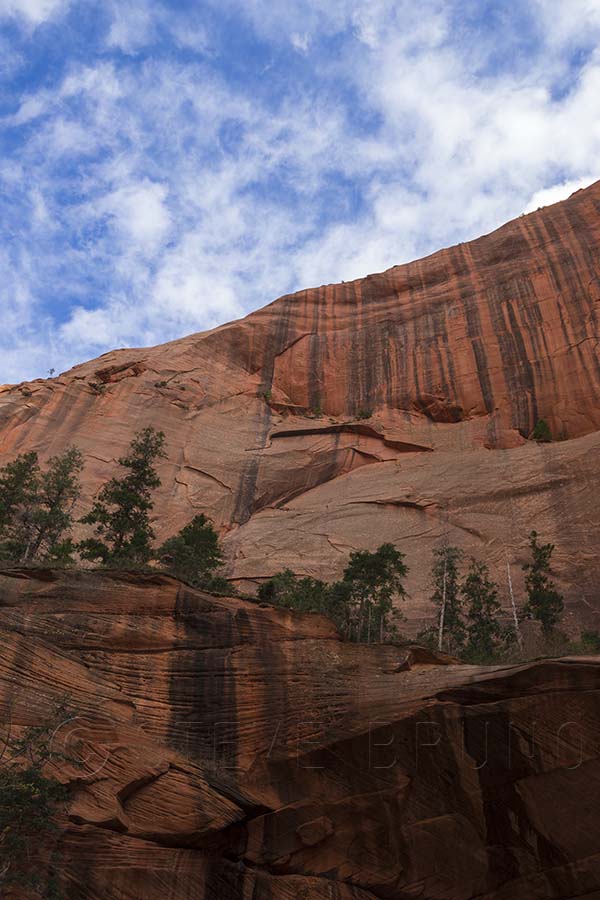
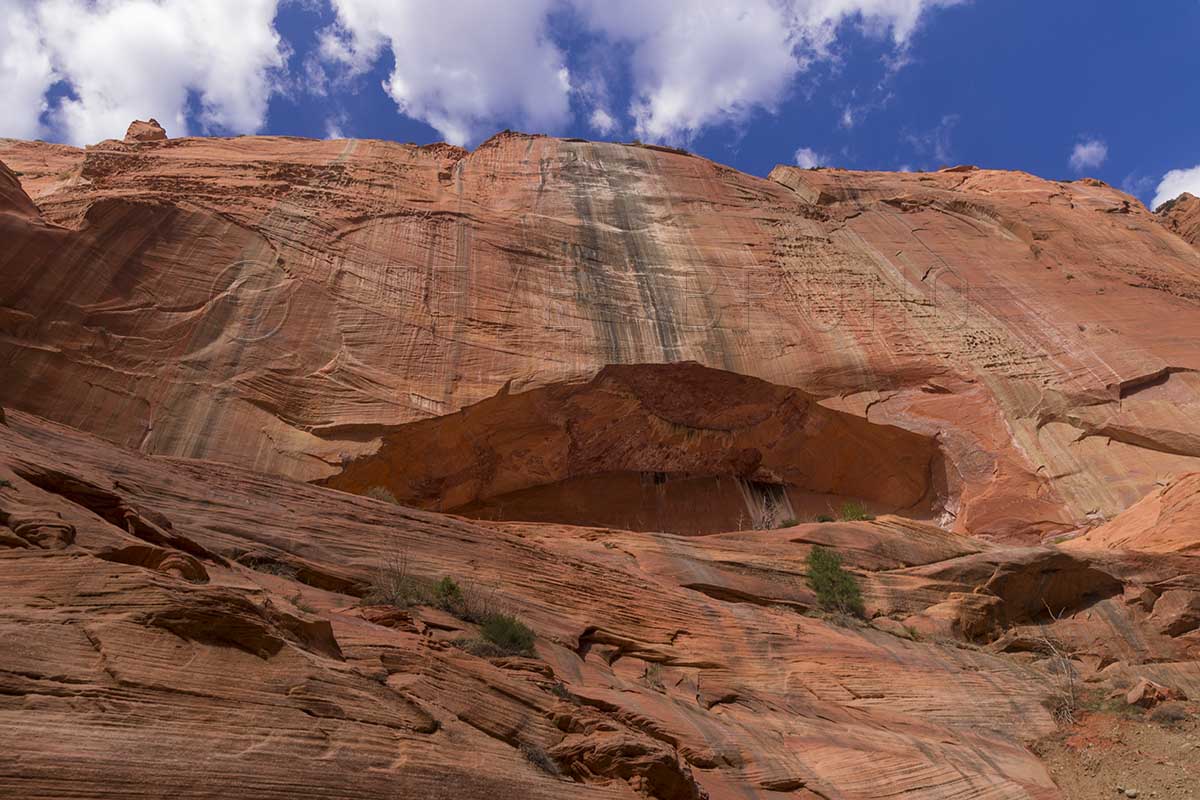
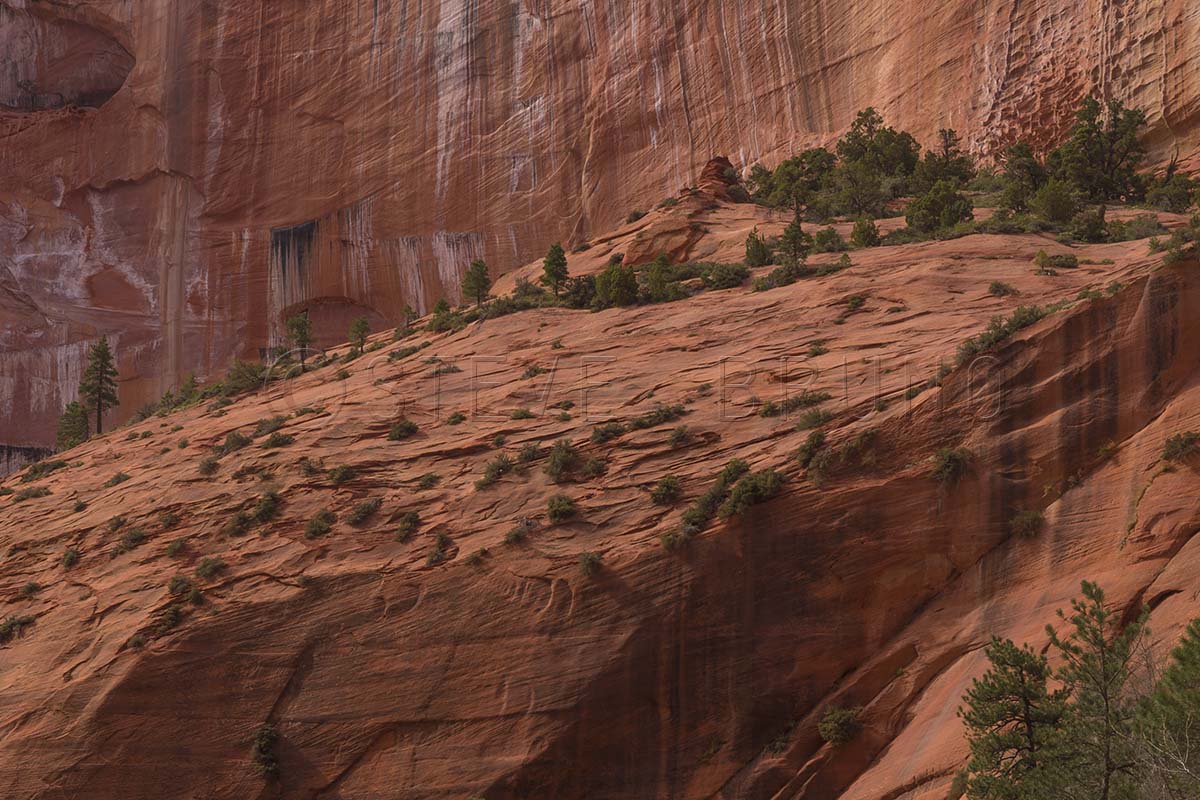
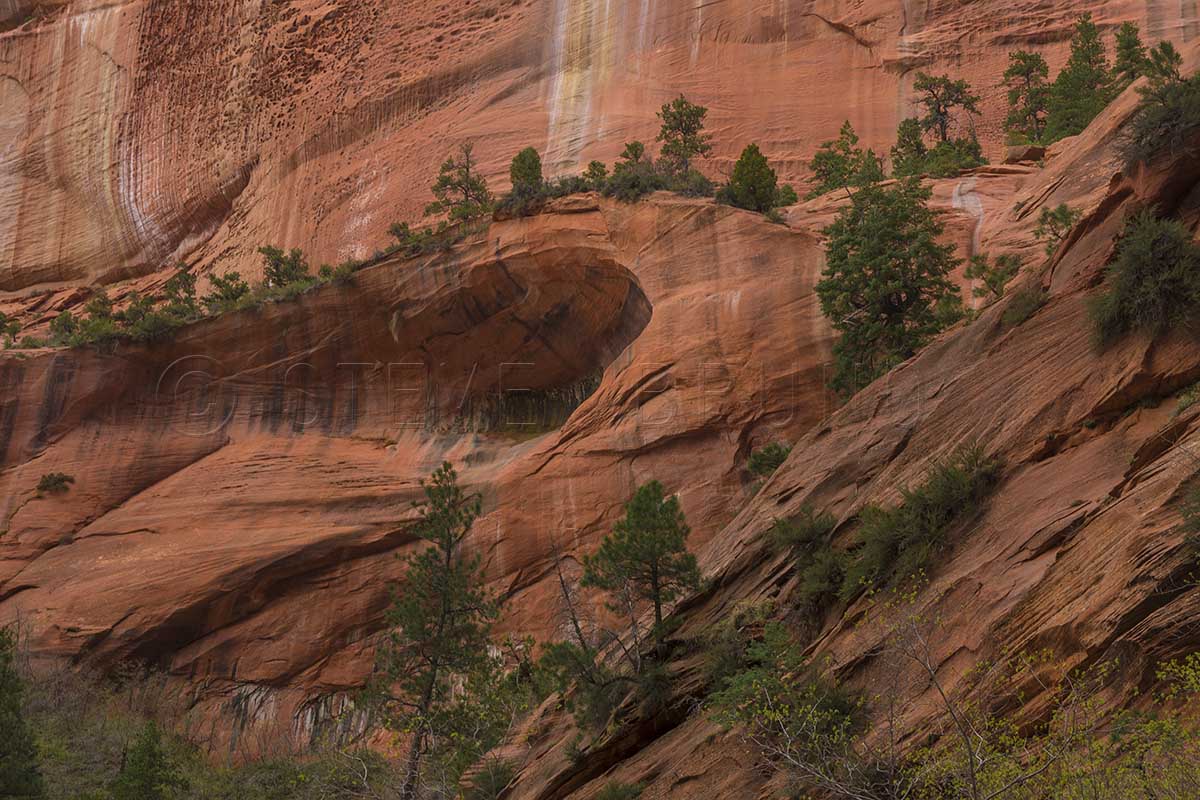
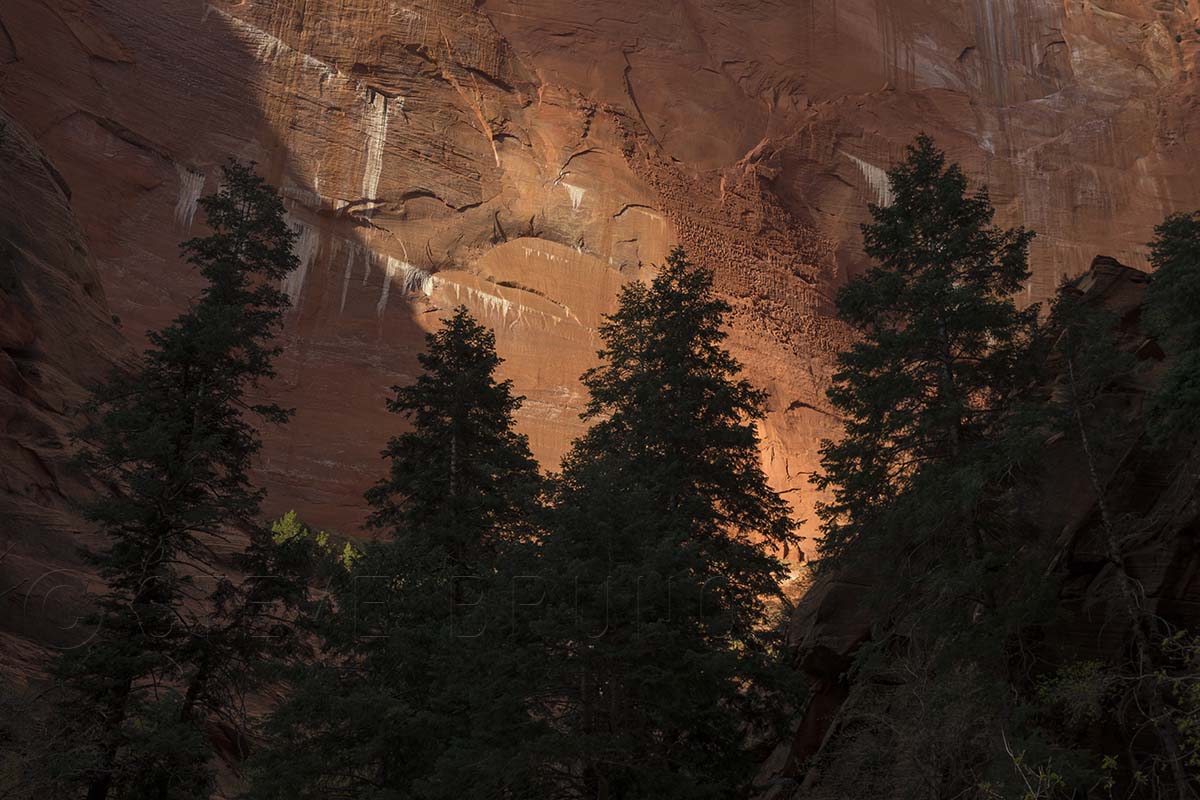
My friend Dave asked me to join him checking out a hike he had read about.  It was the Taylor Creek hike in the Kolob Canyons section of Zion National Park in Utah.  The National Park Service lists this as a 5 mile roundtrip hike that only gains 450 feet.  Dave and I both have extensive hiking experience, including the Zion Narrows and many Grand Canyon hikes, so this sounded like something we would knock out in about 2 hours.  The official trail ends at Double Arch Alcove, but he had read that going further up canyon was worth investigating.  Even then, we both had the feeling we would be done early, and maybe that would leave time to hike another trail in the park.

We left Las Vegas about 8 am on a late April day.  The forecast for Zion was sunny skies and about 80 degrees F.  This placed us on the trail about 11 am, just in time for mid-day light.  Neither one of us was expecting any great photographs, but it was a beautiful day, and any day hiking is a good day!

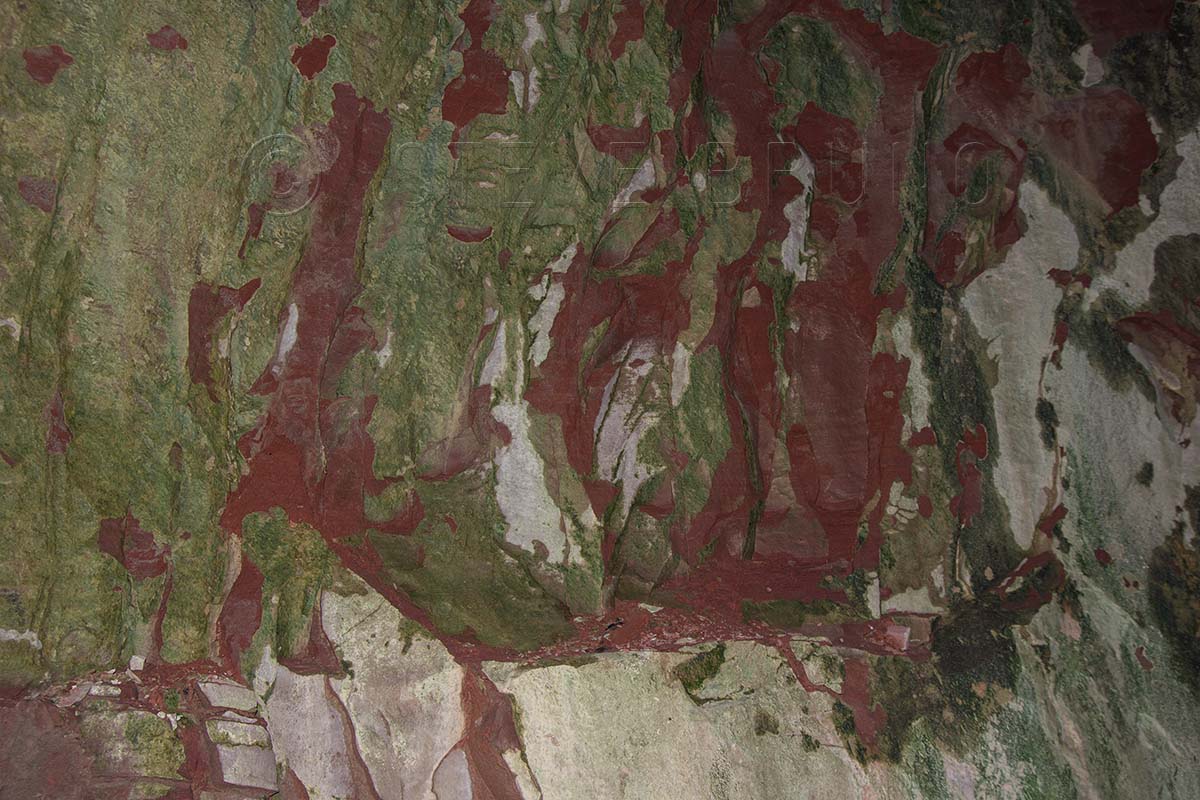
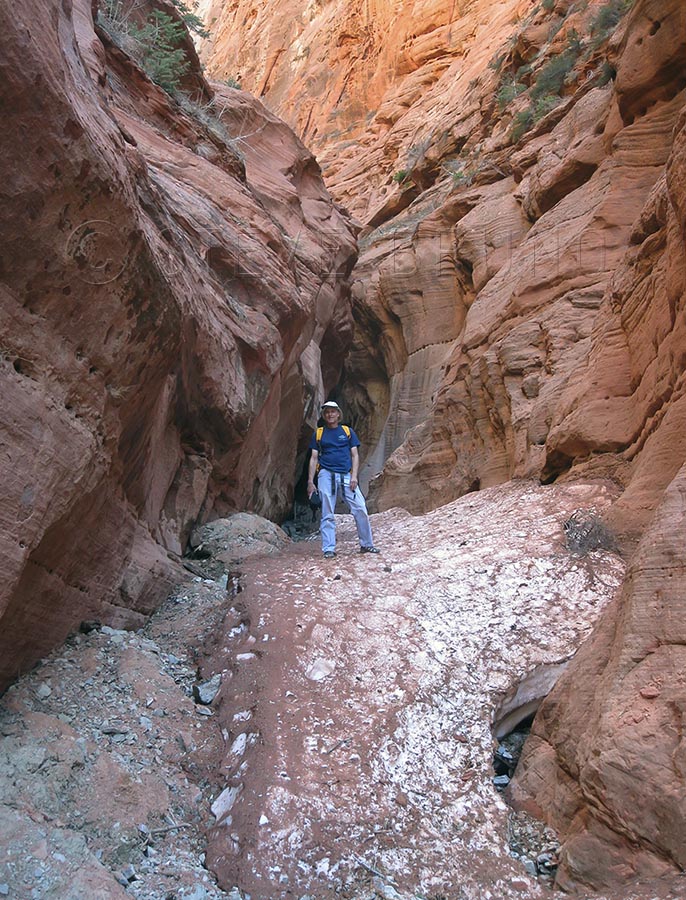
The trail started out in relatively open country and we could see higher canyon walls ahead.  The easiness of the trail soon had us at an old cabin along the way.  It didn’t seem like it was much longer when we arrived at Double Arch Alcove.  This was an impressive sight and the depth of this beautiful canyon had become obvious.  As we continued further up, there was a physically demanding spot or two, enough to keep the average tourist back.  Then, our first unexpected sight came up.  It was a large snowbank at the base of the canyon where water was trickling down.  The cool air announced its presence before we had sight of it, and the snow was a bit on the mushy side, as one would expect in 80 degree air.  We continued upward, and as we neared the end of our route we encountered another snowbank.  This one, however, was completely different.  It was several feet thick and rock hard.  We referred to it as the desert glacier, and were estimating that it was still going to be there in June when the temps hit 100.  It was shaded by steep walls of the final narrow box canyon.  At the end of this box canyon were colors and textures that neither one of us had ever seen, and in a canyon so dark we needed a flash to capture it properly.

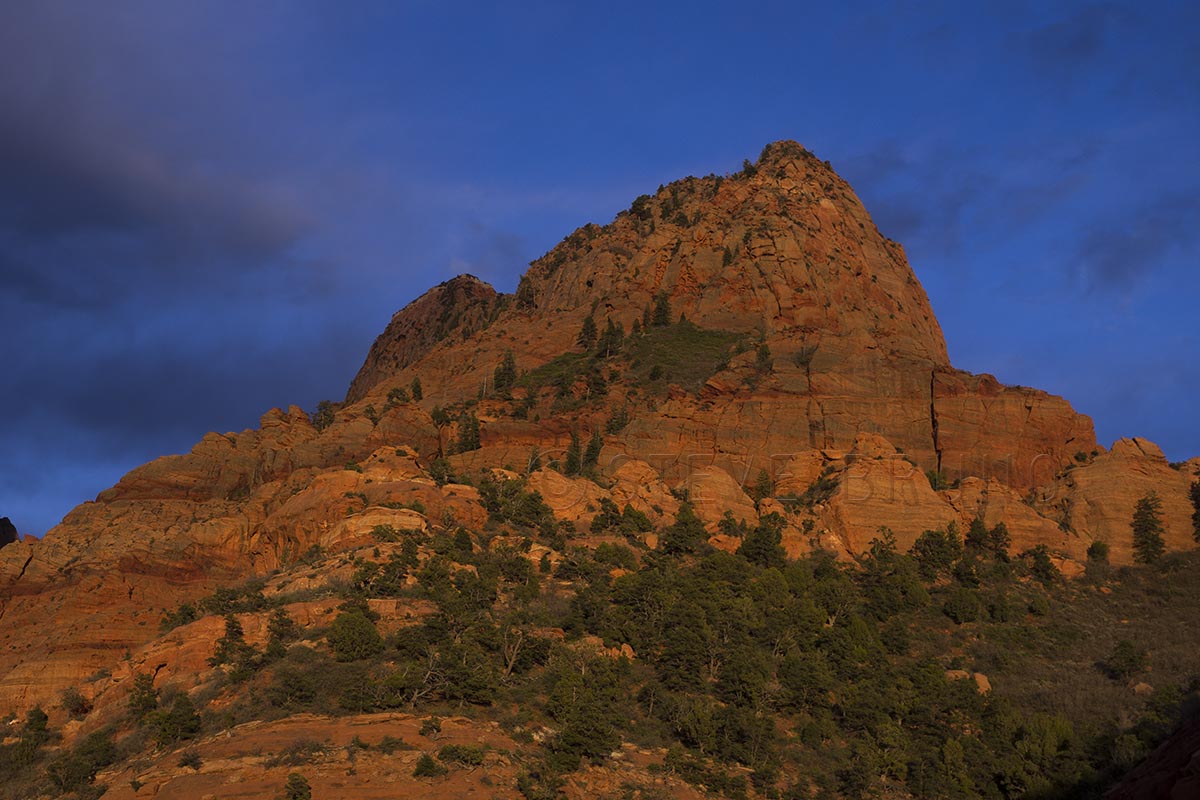
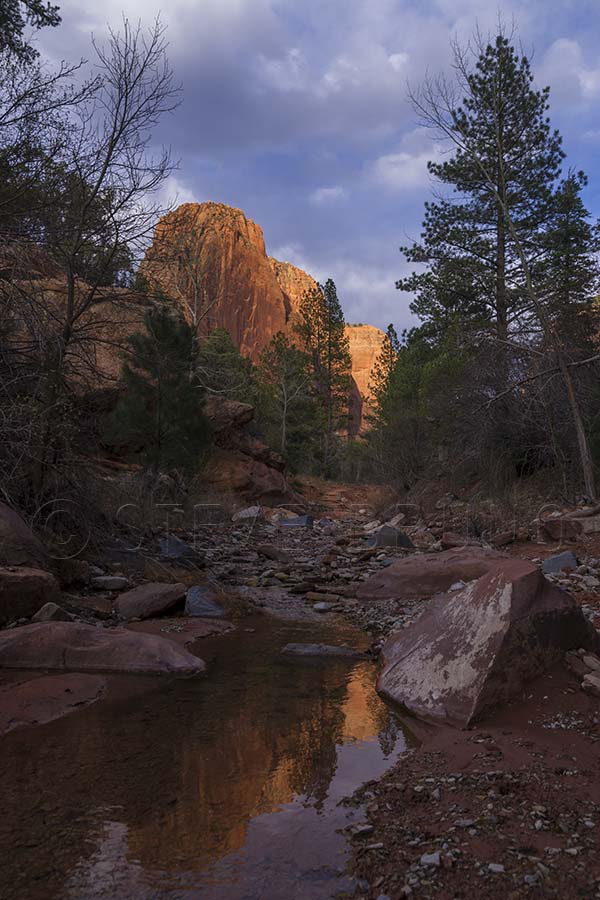
As we headed back, we couldn’t help but notice that there was a cloud or two floating above.  The weathermen rarely get it right, and this day was no exception.  By the time we got back to Double Arch Alcove, there was more cloud than open sky, and the light was becoming great for photography.  Usually I’m the one who holds other hikers back under these circumstances, but Dave was fascinated with the changing light as much as I was.  A hike which we should have finished in another 45 minutes took us almost 3 hours.  Most of these photographs are along the official trail.

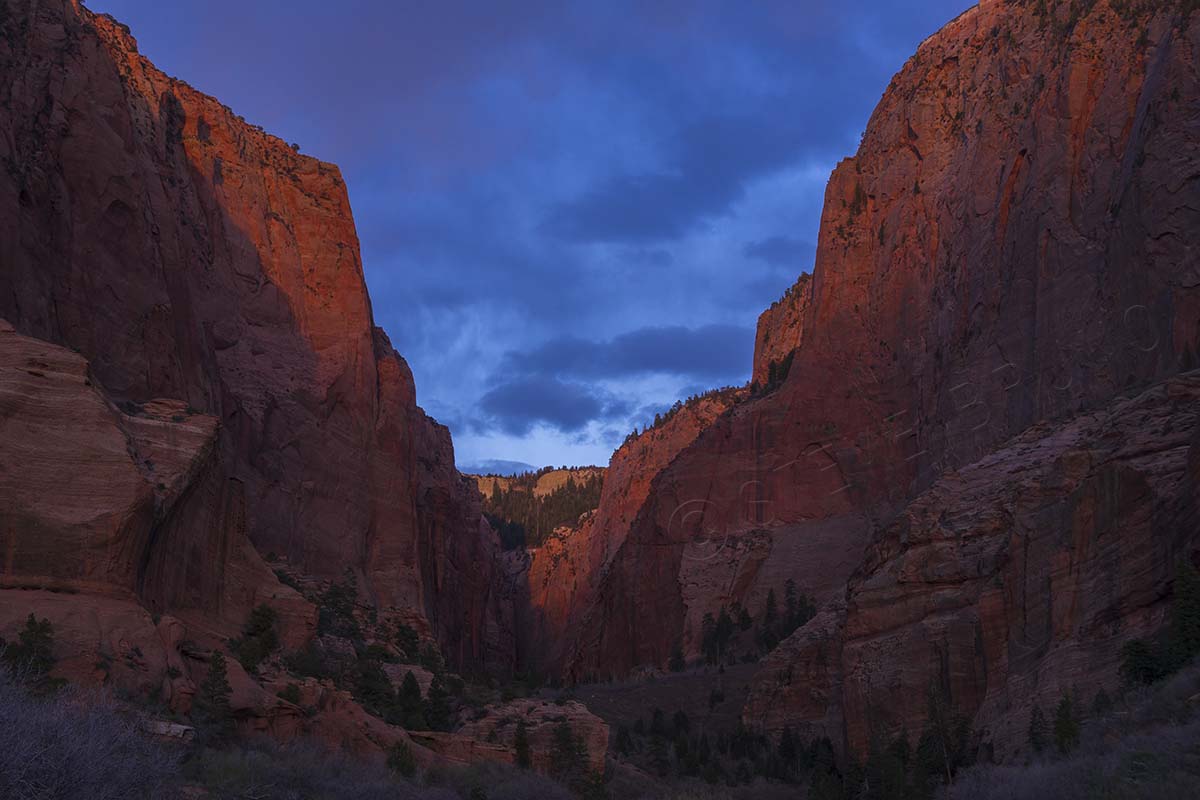
As we got back to the car, we knew we only had about a half hour before sunset, and we couldn’t leave just yet.  We drove into the park about another mile and found a couple great spots to get more photos as the sun was going down.  Afterwards, we headed down to St. George and filled up on a healthy dose of comfort food.  What better way to finish out a very good day?

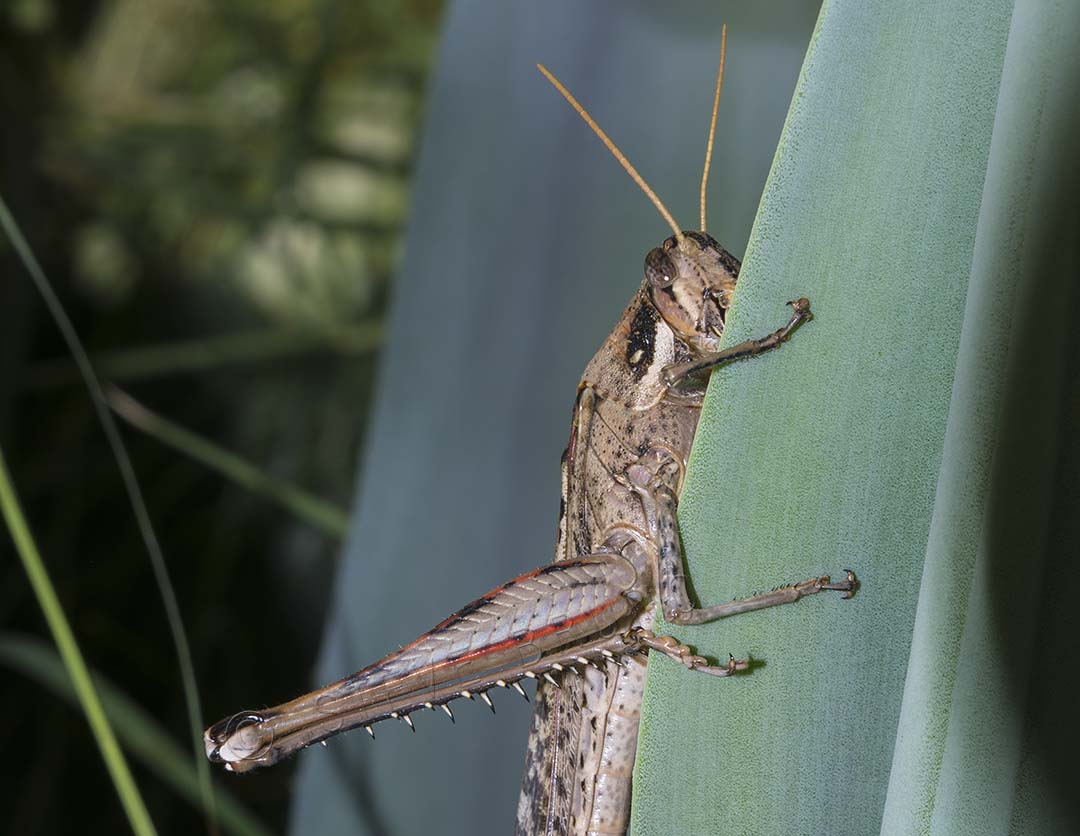
Sunday Stills, the next challenge: Going Buggy

grasshopper clings to agave plant, photo by Steve Bruno

Grasshopper clinging to an agave plant, my entry for Ed’s Challenge.

Blog at WordPress.com.

Up ↑