Search

Steve Bruno Photo

Category

nature

Day Trip Through Hill Country

While in Texas recently, I had a chance to get away for a day to see if that state had anything to offer this nature photographer.  I have been to the Guadalupe Mountains in the far western portion of the state, but much of what I’ve seen has been flat and unphotogenic.  My previous most favorable impression of Texas has been the best night sky viewing I’ve seen anywhere.

I had heard about the hill country near Austin and San Antonio, so that’s where I was determined to explore.  A cold front blew through the day before, with tornadic activity in the northern part of the state, but I was left with blue skies for the day.  Although I prefer clouds and softer light for my photos, I wasn’t going to complain with temperatures that barely hit 70, and almost no humidity.

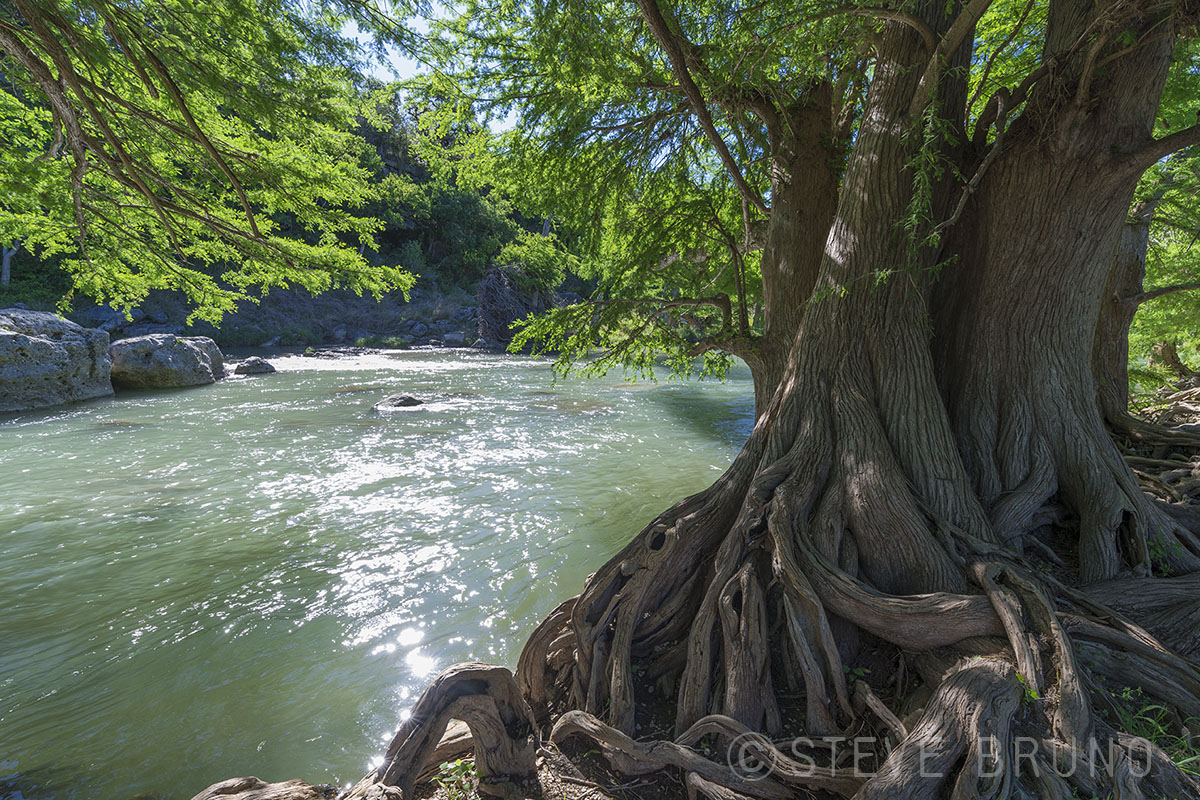
I tried to research places to check out, but really didn’t see any photos that made stop and say, “Wow, I have to visit there”!  I was really disappointed that many of these places didn’t open until 8am.  With a sunrise at 6:30, that meant I was going to miss the best light of the morning.  My first stop was Guadalupe River State Park.  It really wasn’t a planned stop, but the sign said 3 miles, so it seemed a waste not to visit.  The river is wider than I expected in this mostly arid environment, with a beautiful green hue to the water.  Mostly I was charmed with the older trees along the banks and their beautiful exposed root system.  The tiniest of clouds passed briefly in front of the sun, showing me a glimpse of how this place would photograph under softer conditions.  That was just a tease, and I did manage a couple photos before realizing it was time to move on.
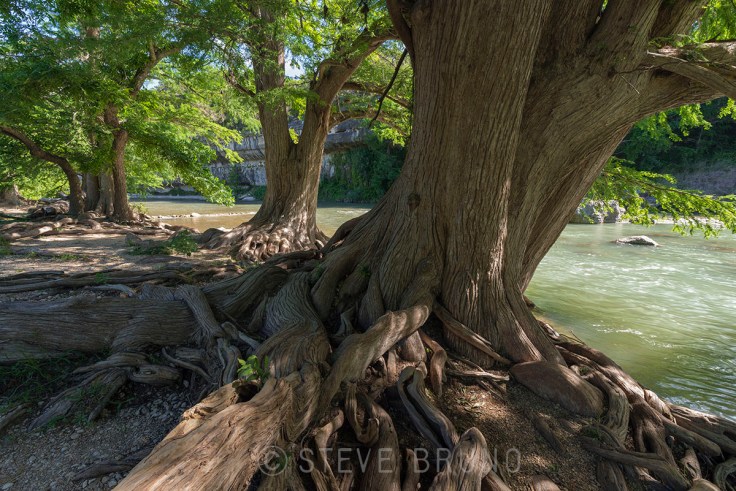
River 02

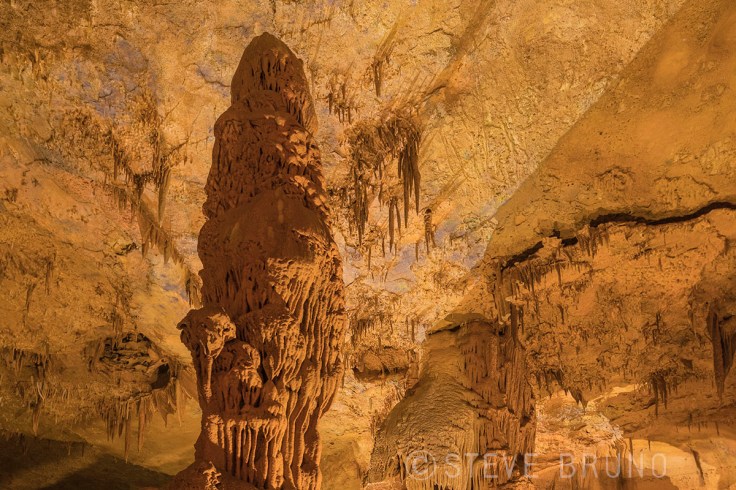
My next stop was Cave Without A Name.  This was a planned stop.  There are other caves in the region, but the remoteness made me think I would have a little quieter visit.  There were just 5 of us in our little tour, and the staff was very friendly.  I expected the usual stalagmites and stalactites that are common to caves, but there were features called “bacon strips” that seemed pretty unusual, and my favorite “the alien”.

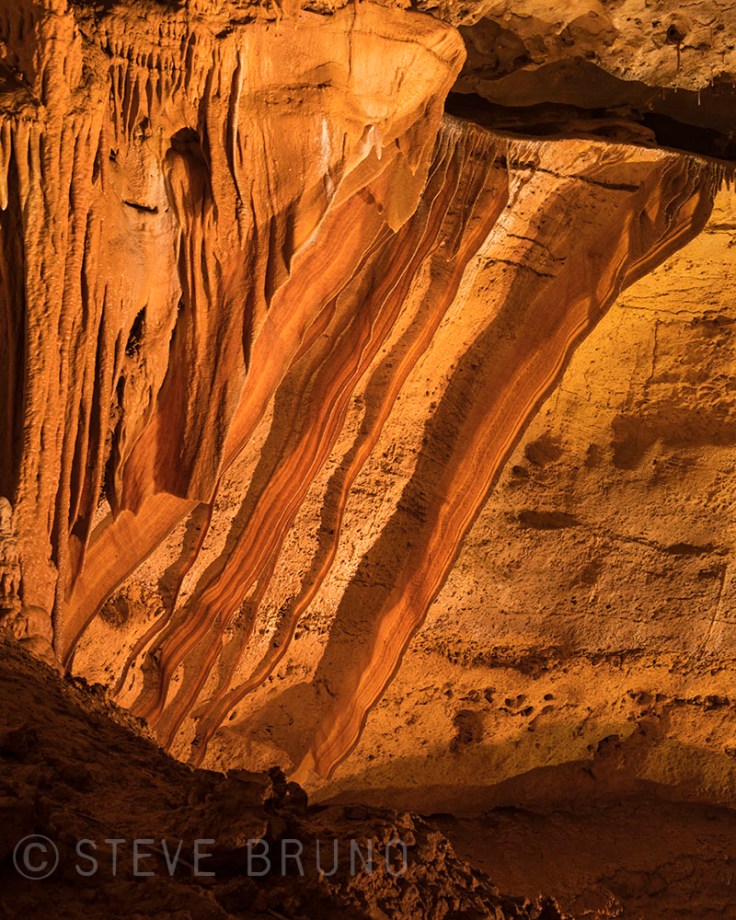
Cave 05

Cave 04

Cave 01

Cave 03

I spent more time there than I had anticipated, but given the fact that above ground was midday lighting conditions, that didn’t seem to matter.  I was definitely glad with this choice for a visit.  Upon my drive out I saw a sign for a local county park.  Kreutzberg Canyon Natural Area is on the Guadalupe River, and seemed like a nice place for a picnic, but given the fact that I had stopped previously along this river, and the sun was now too high, I kept my visit brief.  I was planning to stop next at Enchanted Rock, but the people at the cave told me it was a popular area and might be closed due to crowd size already.  The fact that they didn’t stay open until sunset just reinforced my feeling that this would have to wait for another trip.

After a late lunch stop, I was headed off to my last scouted location, Pedernales Falls State Park.  Although none of the photos I had seen had a wow factor, the staff at Cave Without A Name said I would enjoy this place.  They were absolutely correct.  As I was driving through hill country, I realized I was at the tail end of the spring flower season, but there were still a few left, including these within the park.
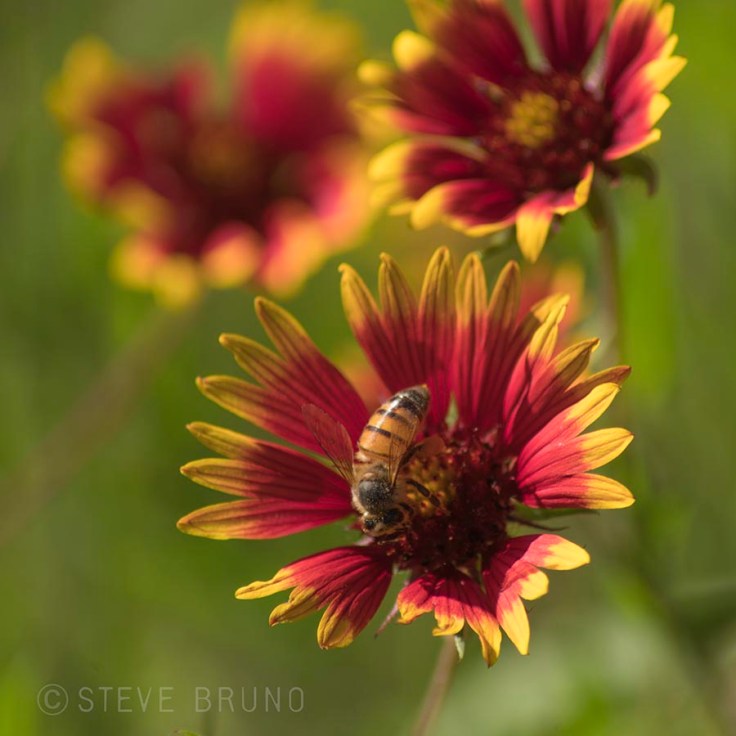
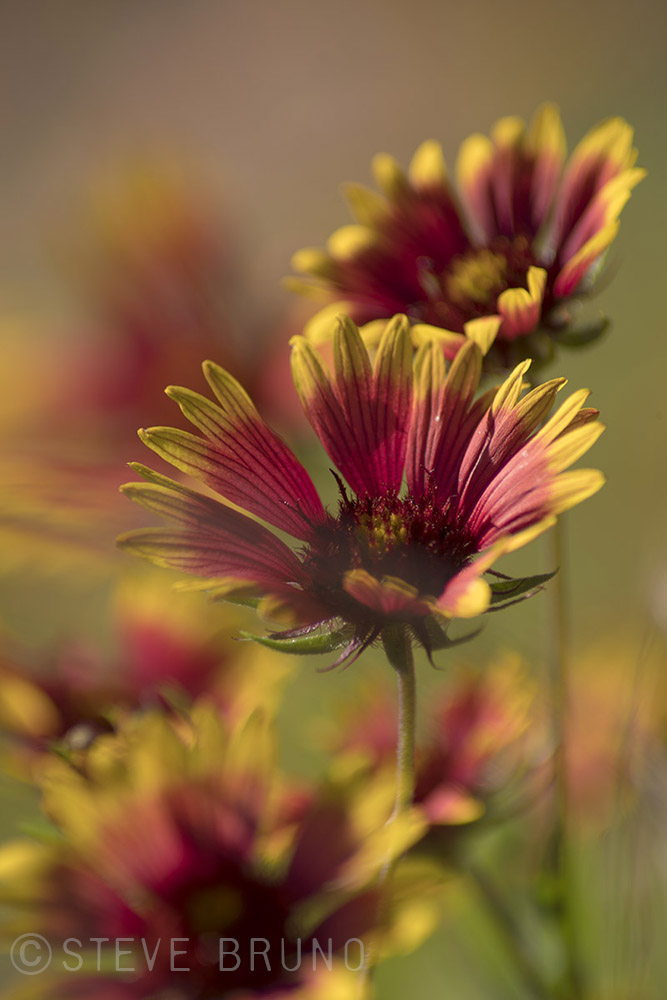
Pollination

Flowers

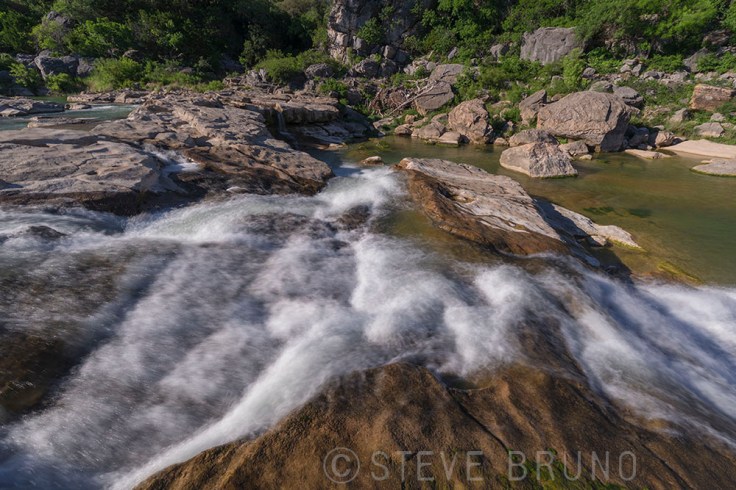
My biggest surprise was the overall size of the place and volume of water.  These are not tremendous falls, but a series of cascades all distinct from each other.
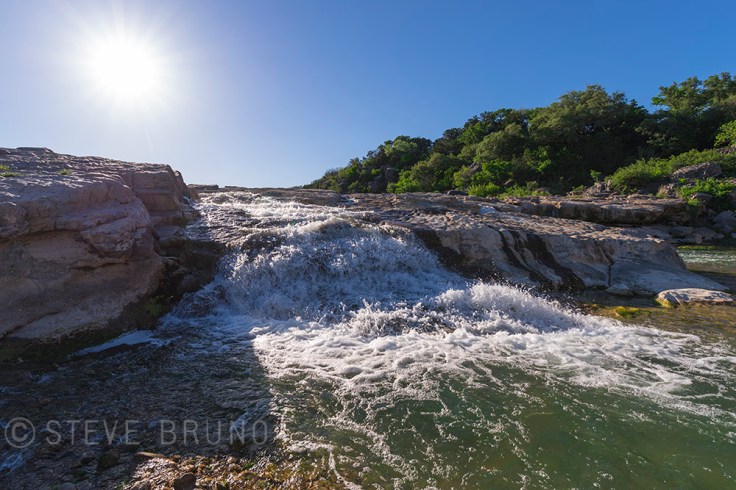
Falls 01

Falls 02

As I said, the volume of water was not what I expected after the photos I had seen online, and this river has perhaps the best infinity pools I have ever seen.  This is the moment I was really wishing for clouds.
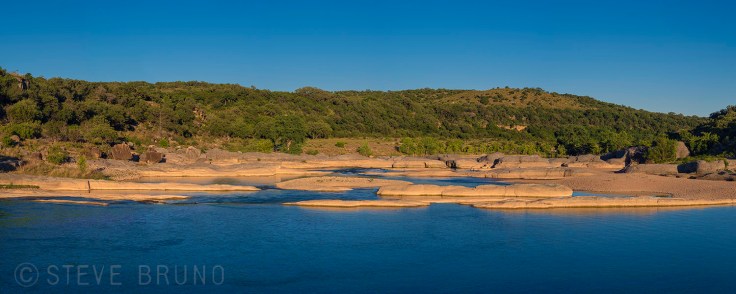
Infinity Pools

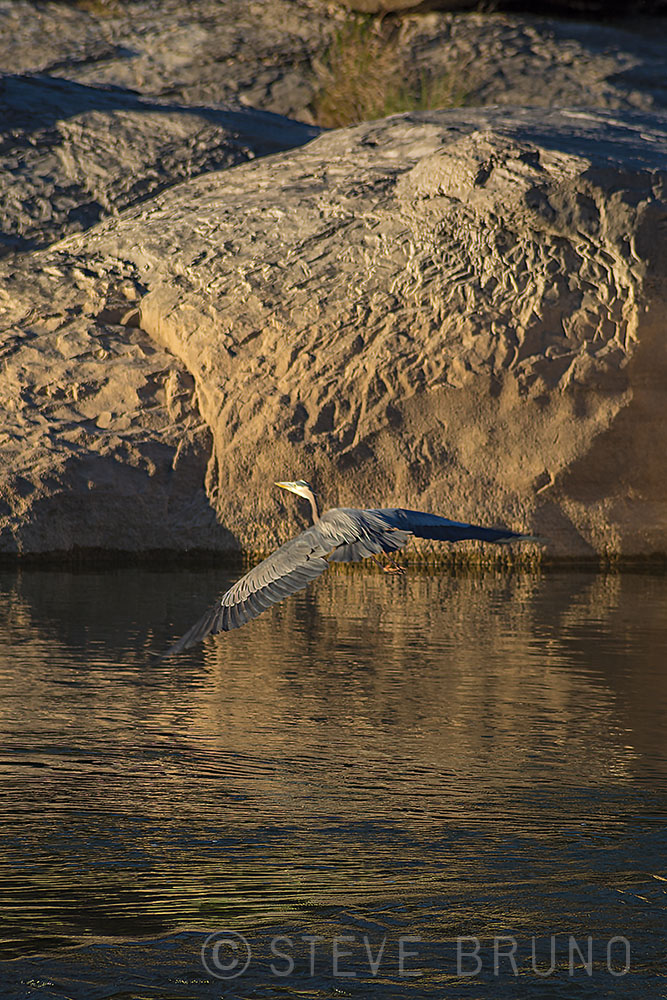
There were still a few people around at this point, but not too many.  I think this allowed the wildlife to feel at ease returning to the water.  The park’s website lists heron and vultures as part of the permanent inhabitants.  Even with the telephoto lens, the vultures I saw were too far away to really recognize, but this heron put itself in the most perfect spot to be photographed.  The bird was aware of my presence, so I kept my distance until I had many shots that I liked.  When I took a couple steps closer, I was able to capture its takeoff.
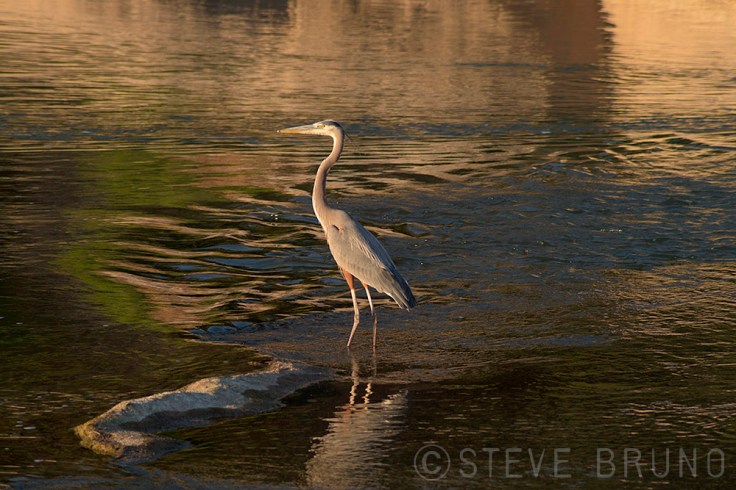
Crane

Falls 03

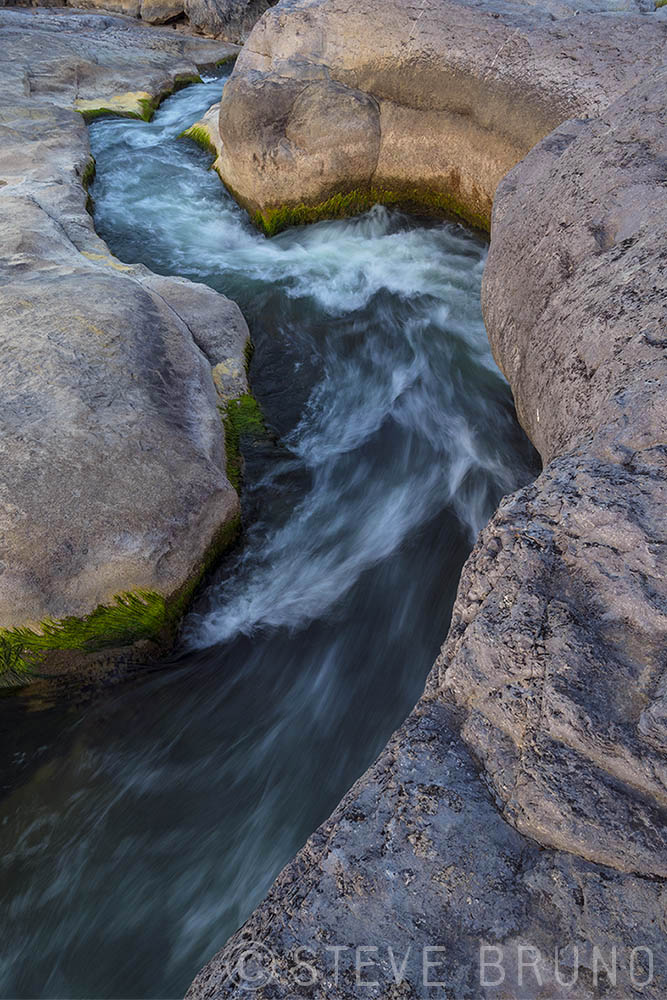
With that, I was just waiting for the sun to get to the horizon for the soft light I needed for my favorite part of the falls.
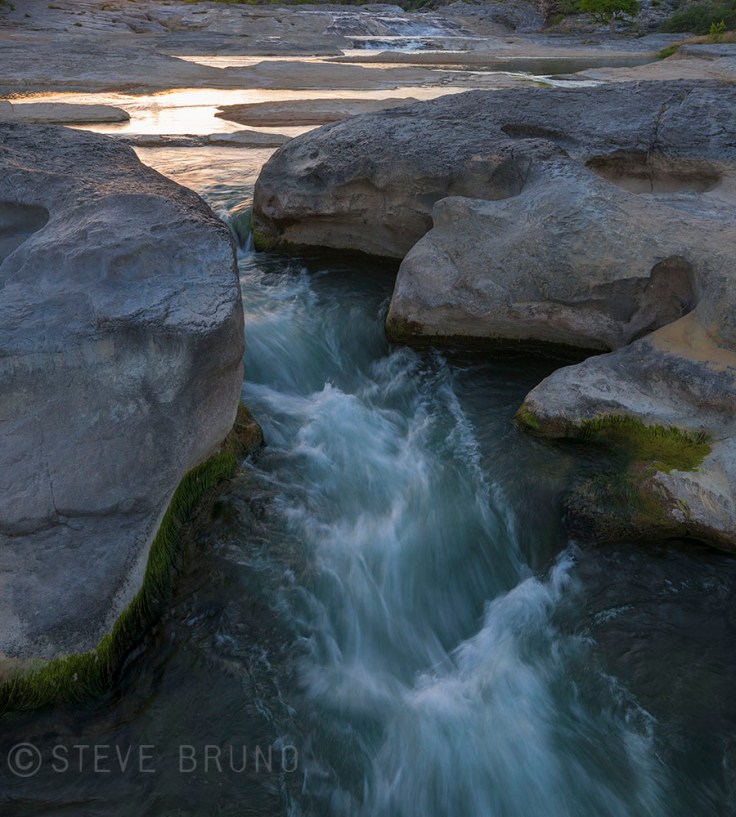
Falls 08

Falls 05

Monochrome Madness: MM3-52

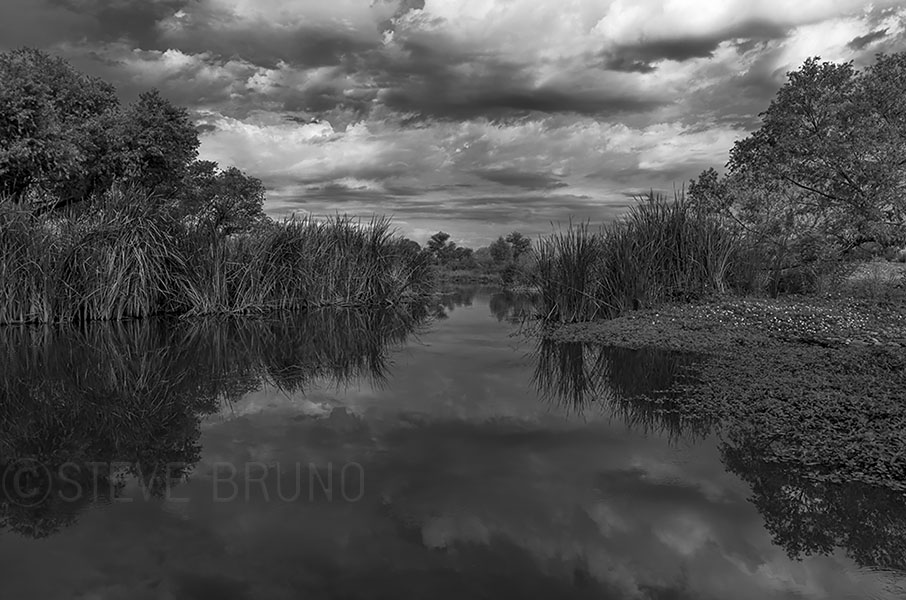
As spring storms start to lose their punch, it’s time to start venturing further northward.  One place I love to photograph is Cathedral Gorge State Park.  It’s a blink-and-you-miss-it kind of spot along the Great Basin Highway in eastern Nevada.  Full of texture and contrast, it offers many opportunities for black and white photography, and there are places and times where color photography works too.  Storm clouds added another dimension on this spring day.

This photo is my contribution to Leanne Cole’s Monochrome Madness this week.  Next week starts the fourth year for this project for Leanne.  To see what other photographers have contributed, or instructions to join in, visit her website.

Monochrome Madness: MM3-21

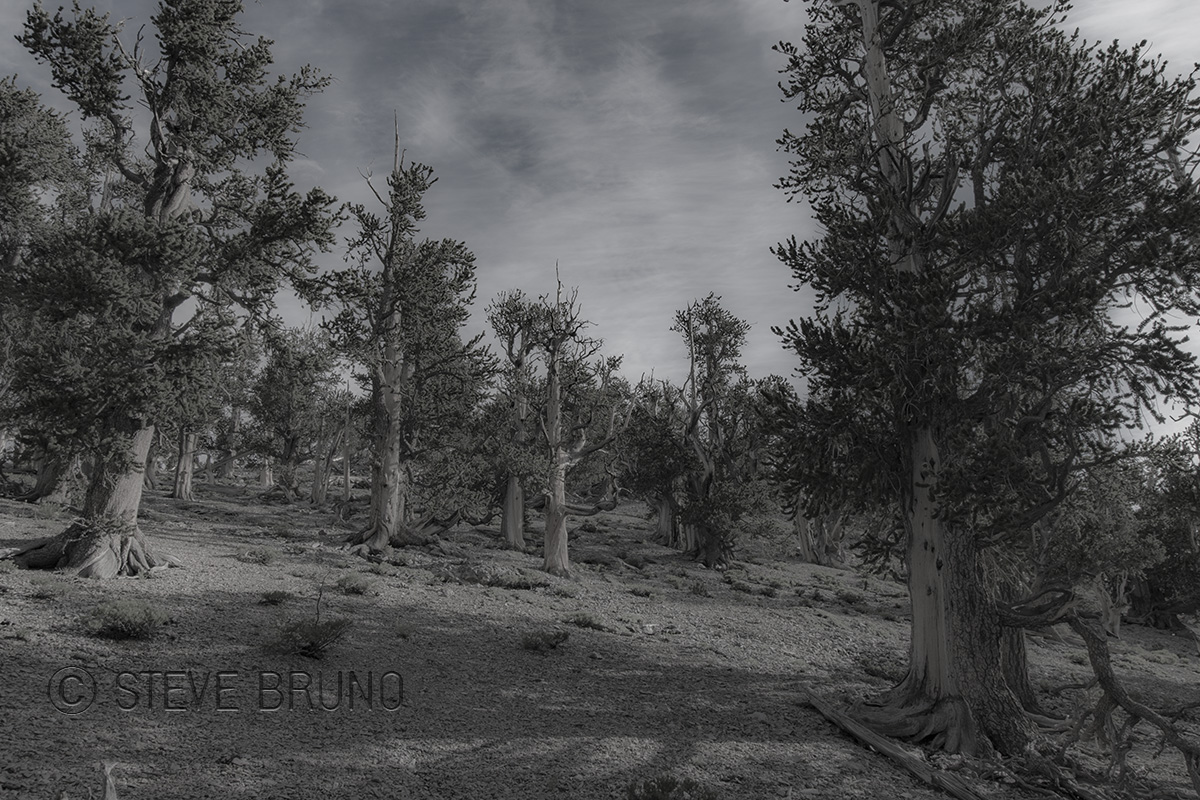
Bristlecone Pines.  The ancient forest.  These majestic trees can live to be 5000 years old, and only grow at the highest elevations just below tree line.  This particular group is from the Spring Mountains, near Las Vegas, Nevada, at an elevation just over 10,000 feet.  Many of these can be twisted with stunted growth, usually on an exposed ridge where the dominant winds have a long term effect upon them.  The overall straightness and height of this group made me stop for a photo.

This is my contribution to Leanne Cole’s Monochrome Madness this week.  You can see the work of other’s on her site, as well as instructions on joining the challenge.

WPC: Mirror

This week’s Daily Post Challenge theme is Mirror, and as with many bloggers, I have photos of calm bodies of water. Who can resist pointing the camera towards nature’s reflections?  Those weren’t the only ones I came across, and I realized I have more of these than I initially thought I would.  Here are some of my favorites.

I usually had my camera along with the dogs out for an excursion, and in these shots, I noticed some reflections.

In modern buildings, the glass surfaces almost always offer a mirrored image, and here are a couple favorites from Calgary, Alberta.

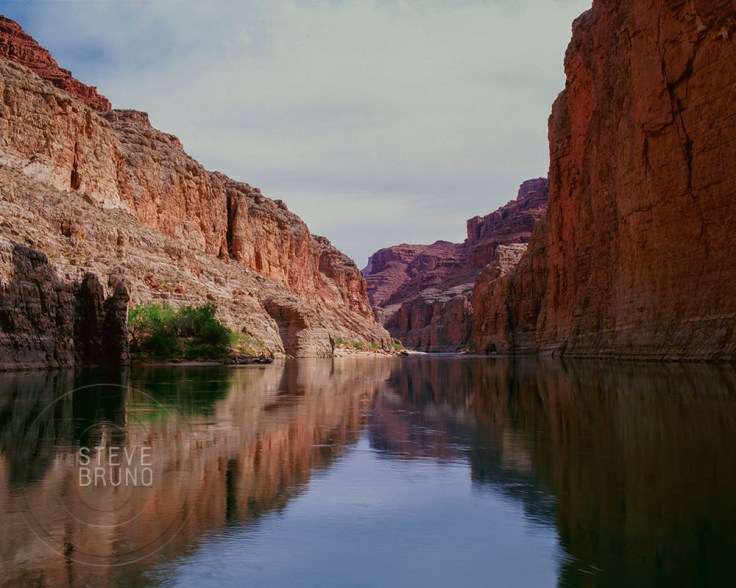
With that much volume of water in motion, large rivers seem like an unlikely place to find a mirrored surface. Despite that, early morning on the Colorado River in Marble Canyon in Grand Canyon, Arizona can look like this.

Colorado River reflections in Marble Canyon, Grand Canyon National Park - Steve Bruno - gottatakemorepix

In my backyard (relatively speaking), I have a couple spots I enjoy hiking in Red Rock Canyon, where I came across these mirrored surfaces.

One of my favorite places that I’ve ever hiked, West Clear Creek in Arizona, usually has a breeze moving through the canyon.  Early mornings can be very calm, and pools can be glasslike.

Mountain lakes with reflections appear to have proliferated my files without me being aware of it.  Here are some in that category.

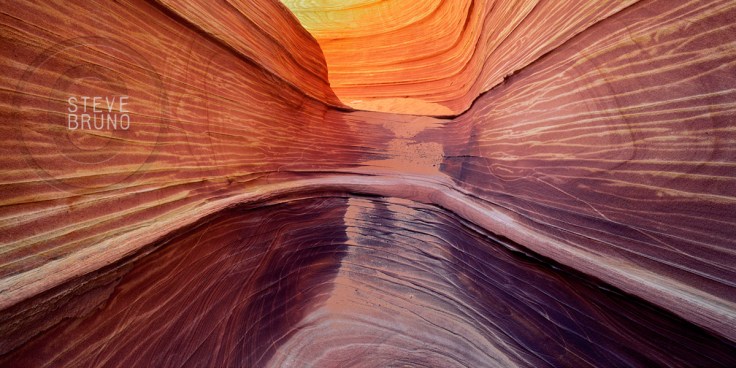
One image that always made me look twice was this one from Coyote Buttes.  There is no water or reflection here, but I felt like the illusion was there.

Coyote Buttes, The Wave - Steve Bruno - gottatakemorepix

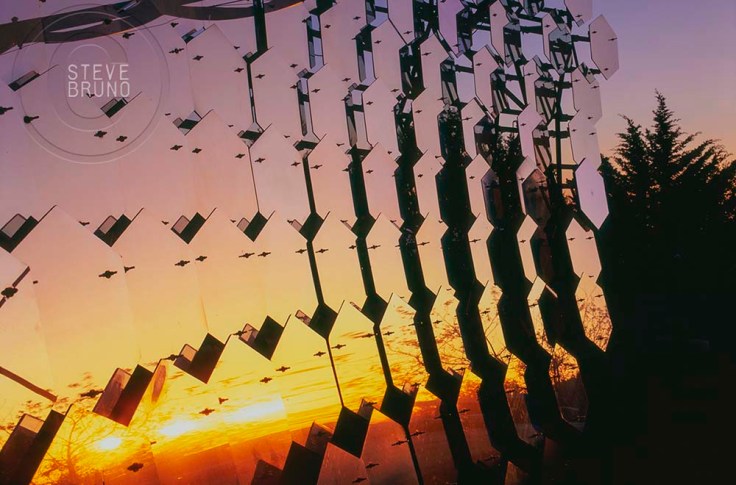
I have one photo of an actual mirror. This is the MMT (Multiple Mirror Telescope) at the Whipple Observatory on Mount Hopkins, Arizona.  During daylight, this telescope dish is tilted down and pointing northward.  This was around the summer solstice, and at sunset, when the sun was at its furthest point north.  As I walked by, this cool mountain air had a hotspot about 20 degrees warmer from the sun just grazing the edge of this dish array.  I can’t imagine the destruction if this thing were aimed in the slightest degree towards the sun.

MMT at Fred Lawrence Whipple Observatory, Arizona - Steve Bruno - gottatakemorepix

Finally, a little bit about the featured image.  That’s Saguaro Lake, on the outskirts of Phoenix, Arizona.  It’s usually a crowded place, especially in summertime.  This happened to be in winter, after a couple days of rain.  It’s a fairly sizeable body of water, and this reflection has to be a rare moment, and the absence of people, even rarer.  This photo will always have a special place in my memories.  It was the first one I ever had published.

Zion National Park: The Upper East Side

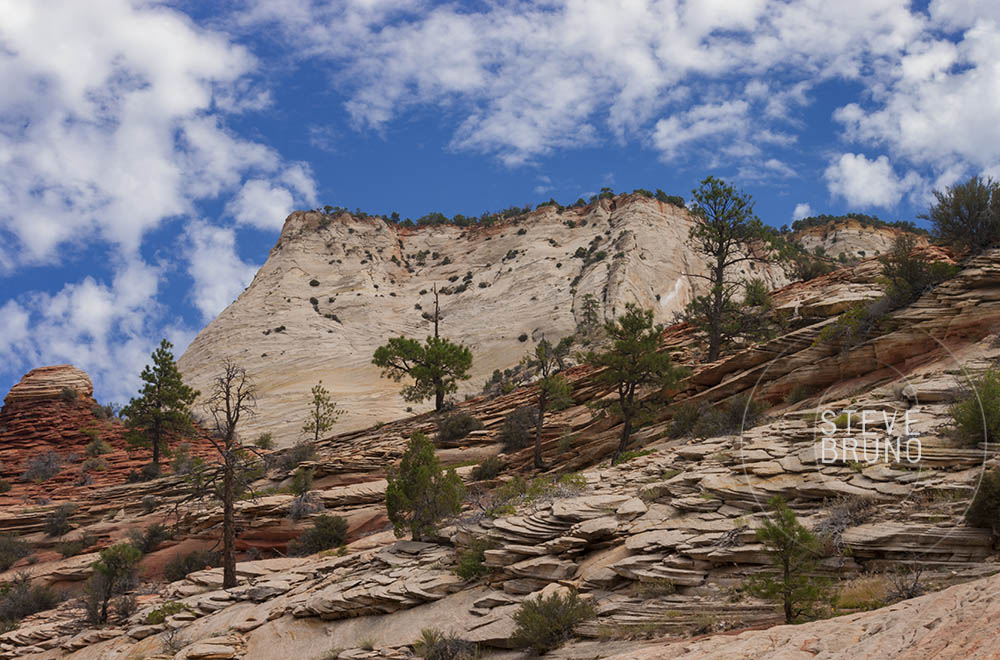
A couple days ago, The US National Park Service celebrated its 100th year.  Although many parks receive significant traffic, there are still parts of those parks where one can stretch out a little.  The east side of Zion NP is one of those spots.

Most visitors to Zion want to see the main canyon and places like Angel’s Landing and The Narrows.  As they head up the winding road and through the spectacular tunnels on the way out the east exit, many are on their way to either Bryce or Grand Canyon.  There are a couple pullouts along this stretch of road, but few spend time here.  Here’s a sample of the features on the upper east side.

WPC: Frame

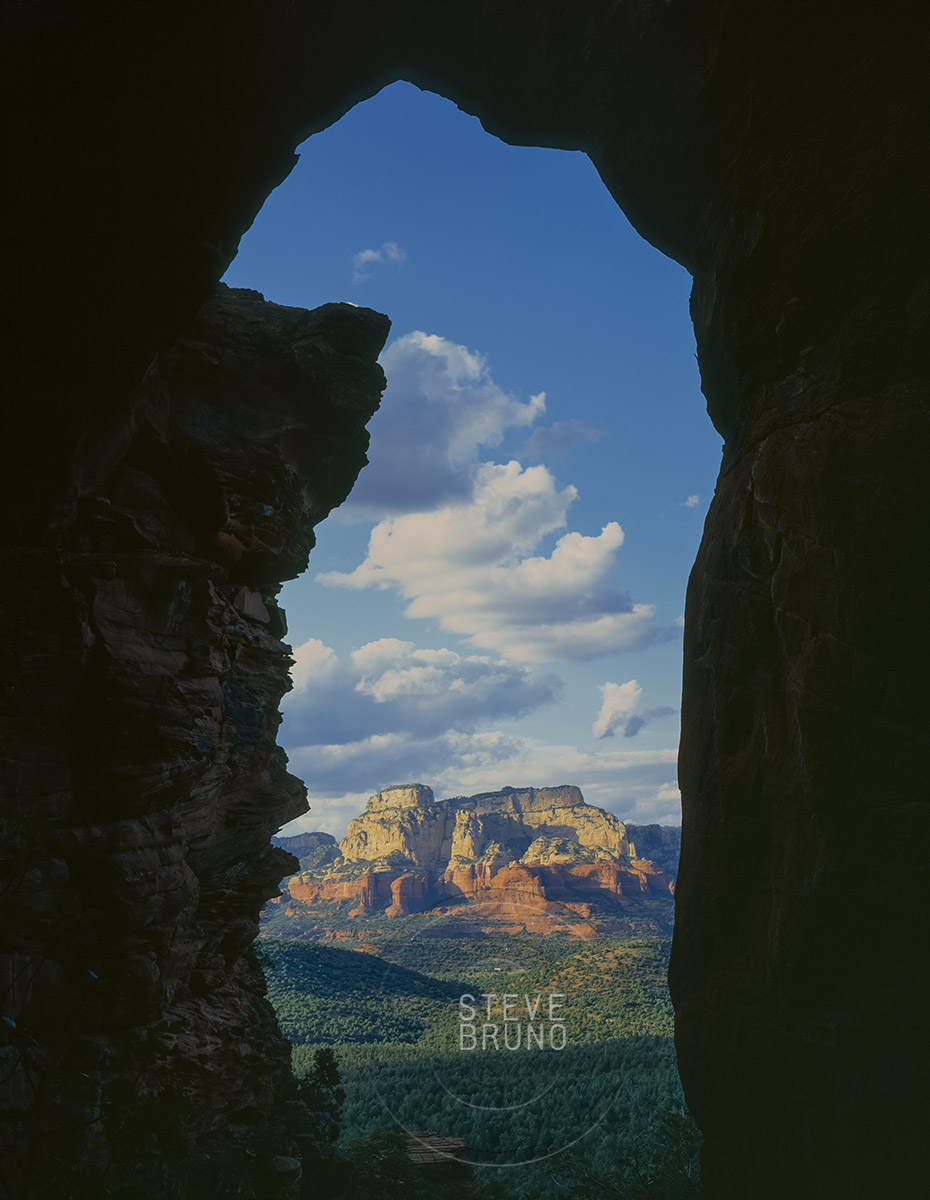
I find that natural arches usually frame the surrounding scenery very well.  The photo above was taken from underneath Devil’s Bridge, near Sedona, Arizona.  I was fortunate to have just the right amount of clouds helping to fill the frame.

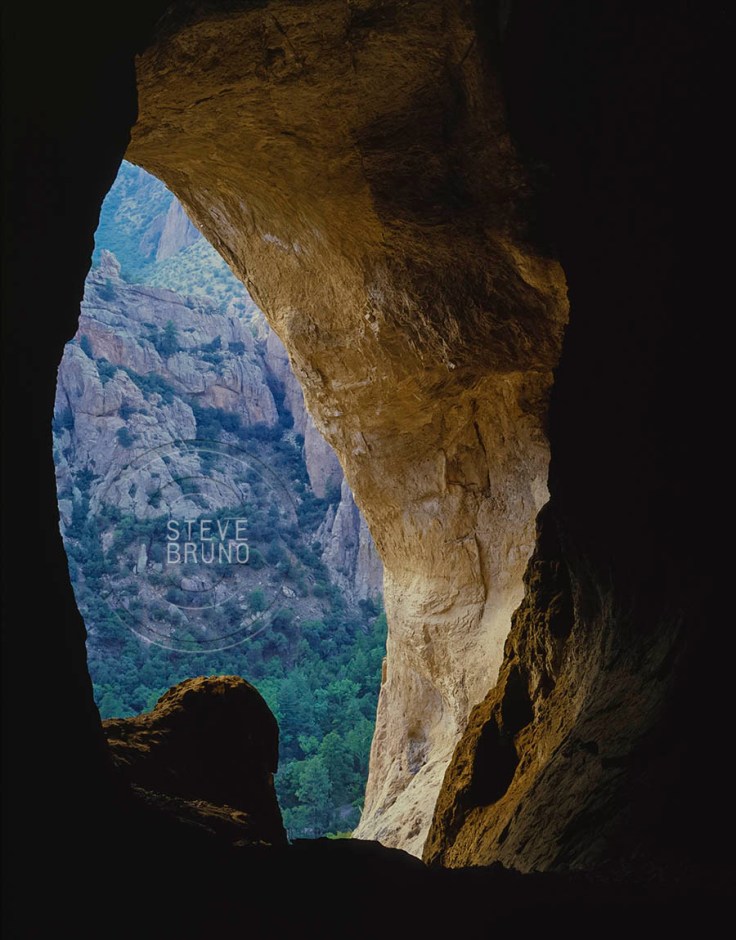
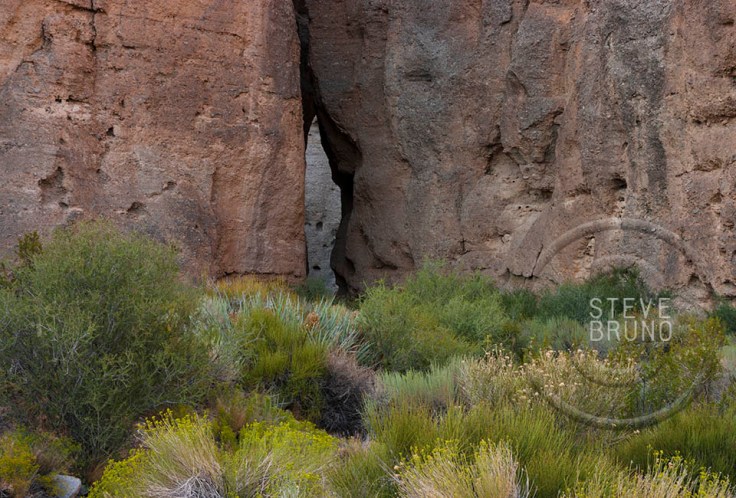
Cave Creek Canyon, in the far southeastern corner of Arizona, is named for all the openings that dot the canyon walls.  From far inside one of the larger openings, looking back into the canyon, I loved how this shot is framed.
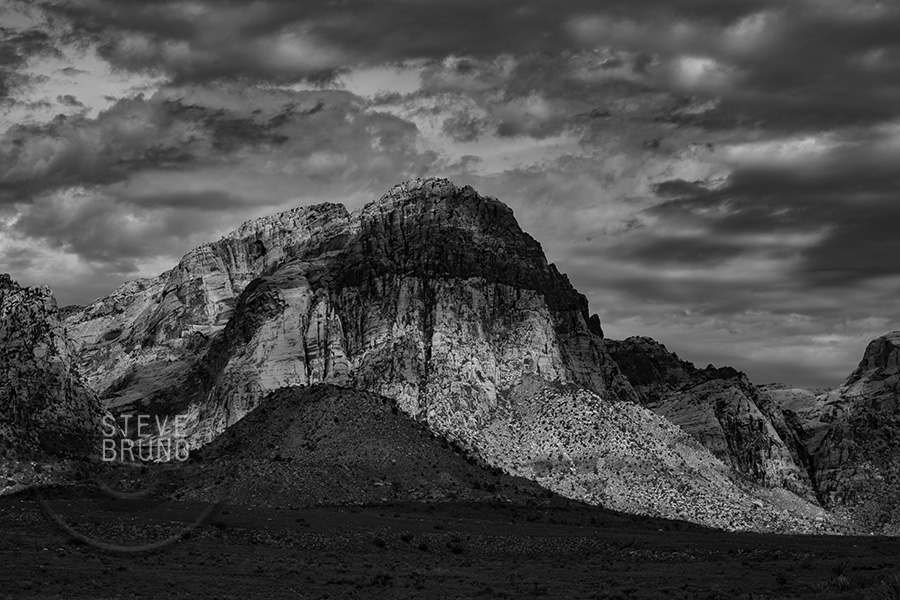
Cave Creek Canyon Chiricahua Mountains - Steve Bruno

Monochrome Madness: MM3-18

This is one of those rare times when the last shot of the morning turns out to be my favorite.  I had been up for sunrise, near that hill in the lower part of the frame.  The first minutes of daylight had a powerful glow, with just enough clouds to add some life to the scene.  As the morning progressed, the light continued to change with the building clouds.  After taking photographs for more than 2 hours, I thought I had exhausted all the possibilities, and was heading back down the trail.  I turned around in time to see this, and fire off a couple shots.  The saturation didn’t have the pop that was present in my early morning pics, but that didn’t matter.  I knew right away this was meant to be in b&w.

You will see this photo along with those of other bloggers in Leanne Cole’s Monochrome Madness this week.

WPC: Morning

As I developed as a photographer, it was evident that I was becoming more of a morning person.  Part of this was due to the fact that I was living in the desert, and hiking and just being outdoors were limited to mornings on many summer days.  When I say morning, I really mean from an hour before sunrise to about an hour after sunrise.  That’s when the light can be truly amazing.

As I started travelling to the National Parks and other highly popular areas, I really appreciated the diminished (and sometimes lack of) crowds first thing in the morning.  I can understand being on vacation and wanting to sleep in, just not if you’re a photographer.

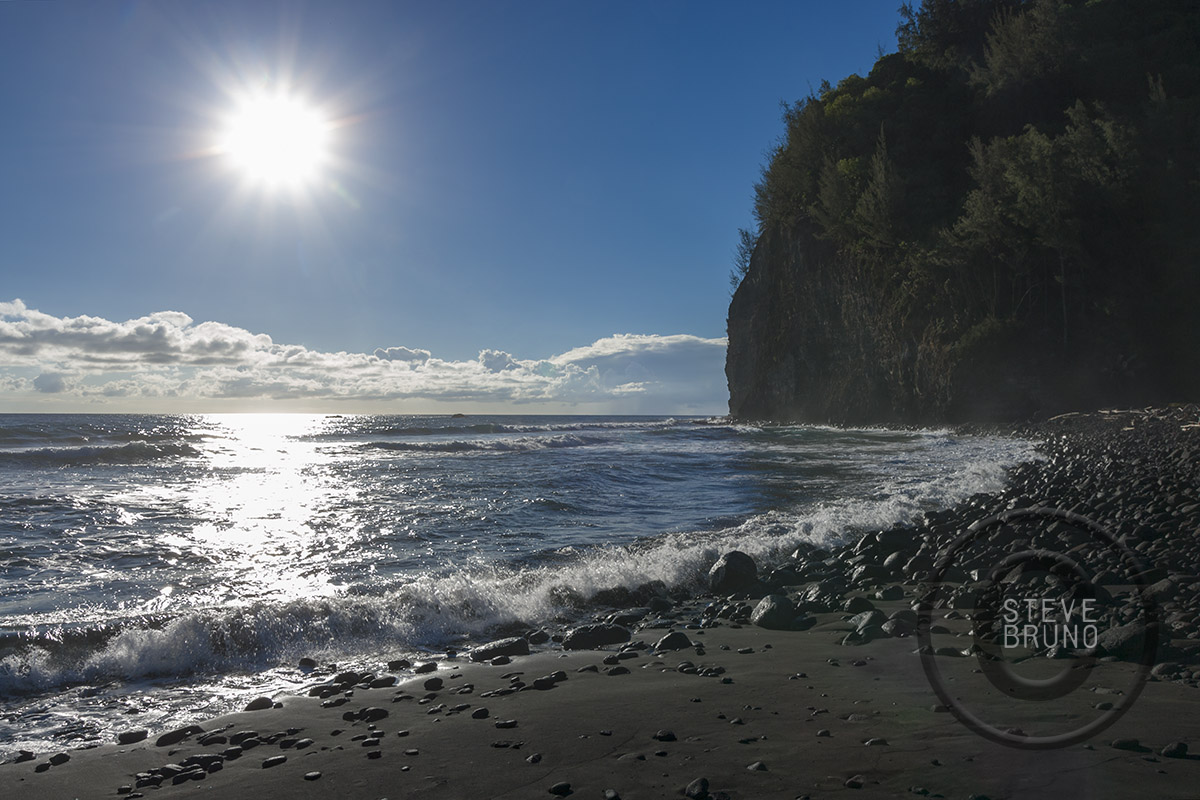
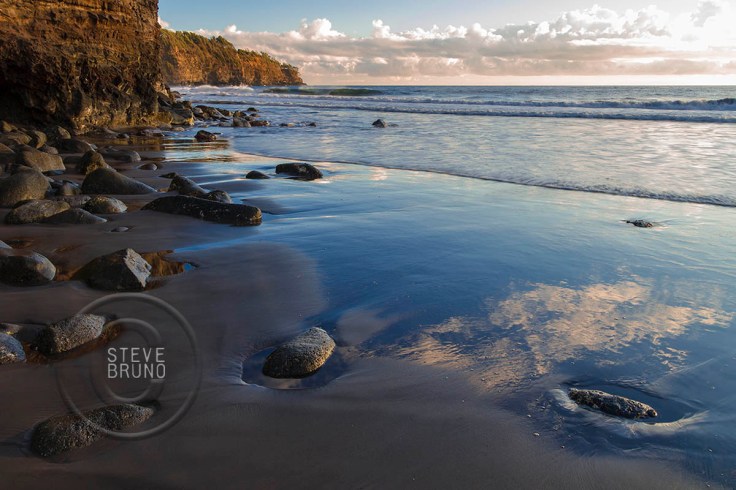
That brings me to my photos for this week’s challenge.  I was on vacation in Hawaii with quite a few family members.  We had been to this spot the day before, and I just looked at everything and knew I had to come back for a sunrise.  Upon returning to our rooms, I said, “I’m going back there first thing in the morning, who wants to join me?”  As I expected the answer was pretty much silence.

I arrived at the parking area just before sunrise and took a couple shots before hitting the trail.  It was a fairly short trail which descended a couple hundred feet to the beach.  It was a very relaxing, almost meditative, morning on a beautiful black sand beach.  About an hour later another person came down the trail, and by that time I was ready to head back.

Hawaii SunriseHawaii Oceanside Cliffs at SunriseHawaii Black Sand Beach Tide

I generally don’t like to wake to an alarm clock, but for occasions like this, I am glad to make exceptions.

WPC: Narrow

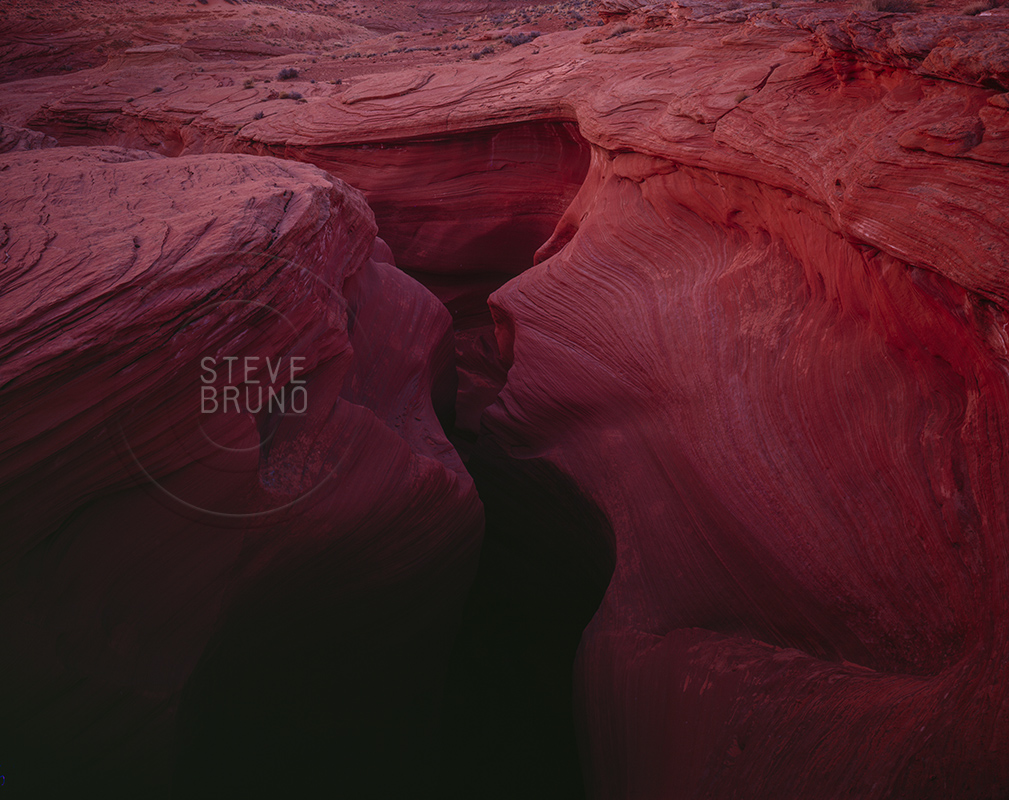
This week’s Daily Post Challenge of Narrow made me immediately think of slot canyons.  The most famous (and photographed) one is Antelope Canyon, and you can find thousands of shots from inside the canyon, but have you ever wondered what it looked like from outside?  This is lower Antelope Canyon (above), and that narrow crack in the earth is about 50 to 60 feet deeper than what you can see at this spot.  Water has worn it smooth all the way, so think of this as the bathtub drain if there’s a thunderstorm nearby.

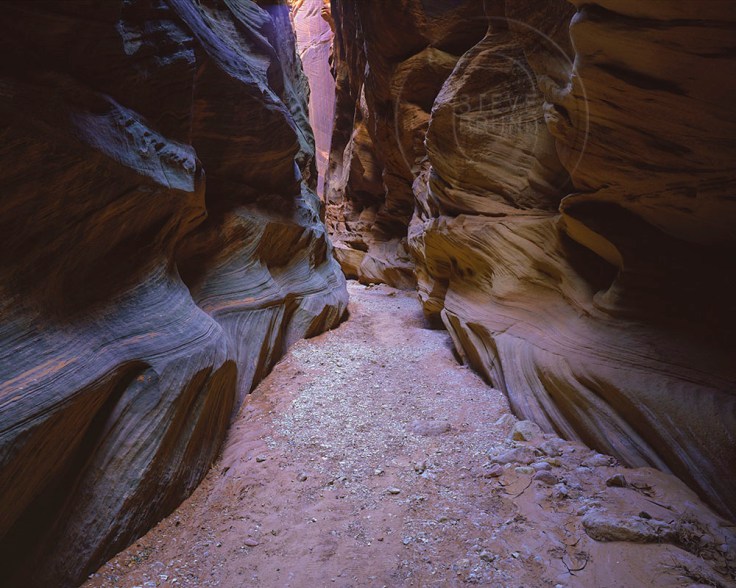
Not far from Antelope Canyon, even deeper and equally claustrophobic is Paria Canyon, with the branch known as Buckskin Gulch.  Once you’ve entered, it remains this narrow for miles, with few escape routes.  The drainage continues upcanyon for many miles, and there are logs jammed in a couple spots high above your head to remind you that this is a sunny day hike.  If it has flooded recently, you will find this impassible due to quicksand.

Buckskin Gulch - Steve Bruno

A much tighter series of canyons exist in Cathedral Gorge State Park in eastern Nevada.  No chance of being caught in a flood here, because these don’t travel very far.  In some spots you will have to walk sideways to get through.  Without some object providing a sense of scale, this may be difficult to obtain perspective, but I can’t walk through this canyon with my feet side by side.

Cathedral Gorge Narrow Canyon - Steve Bruno

One place that I find quite unique is this series of canyons at the base of Mount Charleston, Nevada.  The canyons themselves are not that narrow or deep, but there is this narrow passage from one canyon to the next one.

Secret Passage - Steve Bruno

Monochrome Madness: MM3-14

I love hidden treasures – those places you come across that very few people visit or even know about.  This is one of those places.  It’s on the edge of metropolitan Phoenix, Arizona, and so close it may be in the city limits.  But, for the millions living there, most have never seen this.

The water flows year round, and it used to be the dogs’ favorite spot for a walk.  Just not today.  Photography came first.  The scents of the river covered my clothing, and I was frantically sniffed upon returning, and given looks that said How could you go there without us?  I was soon forgiven because dogs are great at that.

This is my contribution to Leanne Cole’s Monochrome Madness this week.  You can see what other bloggers have added at Leanne’s site.

WPC: Details

Since I primarily take photographs of nature, my detail shots are mostly in the form of plant life.  Even if I lived somewhere besides the desert, I think I would still be fascinated with cacti.  Sometimes they’re shaped bizarrely, sometimes perfectly symmetrical.  And when you move in close (but not too close) they provide elaborate details.  Most would be vulnerable to damage from insects, birds, and animals if it weren’t for the defense mechanisms – all those thorns.

While many of you live in climates where flowers thrive, we are provided with only a limited showing of those.  Even in the driest of years, when the rest of the desert is stingy with blossoms, the cactus bloom.
Cactus Flower Closeup - Steve Bruno

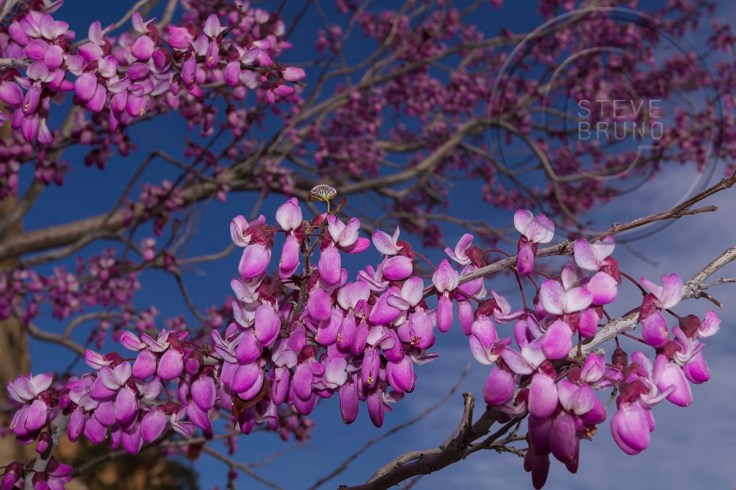
Trees are the other guaranteed bloomers around here, such as this redbud from nearby Red Rock Canyon.

Redbud Tree in spring, Red Rock Canyon, Nevada

In bloom or not, trees can be fascinating subjects, such as this one from Hawaii with a very entangled root system, or this detail of a bristlecone pine tree.


In the southwest, details of canyon walls can make for good photos, such as this one of cross-bedded sandstone in Valley of Fire State Park, or this etched detail in Fletcher Canyon.


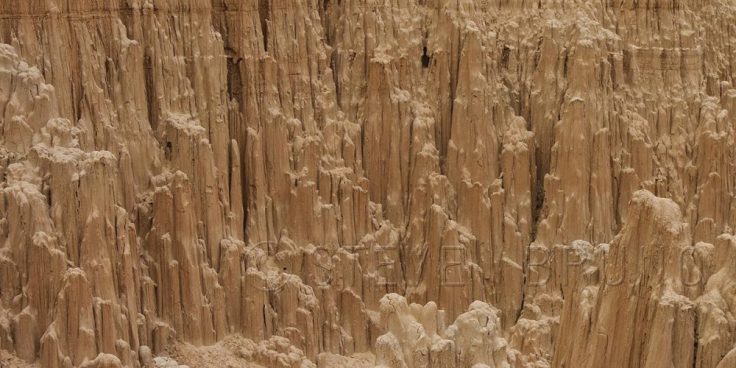
When I think of detailed shots, the first thing that comes to mind are close-up or macro images.  But sometimes, there are landscapes that have so much going on, that it’s hard to not just look for all the details.  This one is from Cathedral Gorge State Park, Nevada.

Cathedral Gorge State Park, Nevada
Textures in eroded clay and sand in Cathedral Gorge State Park, Nevada. Photo by Steve Bruno.

Monochrome Madness: MM3-12 High

This week’s Monochrome Madness has the theme of High, and my image comes from Harney Peak, South Dakota. It is the highest point in the state, and stands above everything for miles.  At a little over 7200′ it is not a very high altitude compared to those in the Rockies or Sierra Nevada, but its exposed summit and encompassing vistas make it seem loftier.

You can check out how others have interpreted this theme at Leanne Cole’s website

Blog at WordPress.com.

Up ↑