Search

Steve Bruno Photo

Monochrome Madness: MM4-23

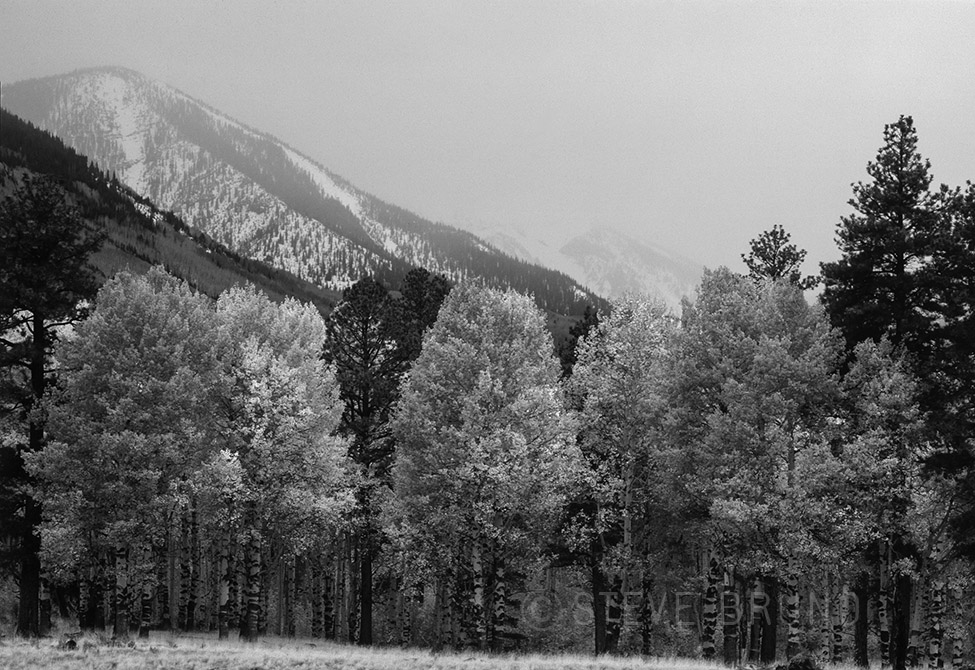
I love this time of year when the air gets cooler and the leaves change color.  Occasionally, cold fronts come through with a little moisture, and hopefully, not much wind.  That was the case for this photo from the San Francisco Peaks, near Flagstaff, Arizona taken a couple years ago.

This is my contribution to Leanne Cole’s Monochrome Madness this week.  To see what other photographers have contributed, or instructions to join in, please visit her website.

Monochrome Madness: MM4-19

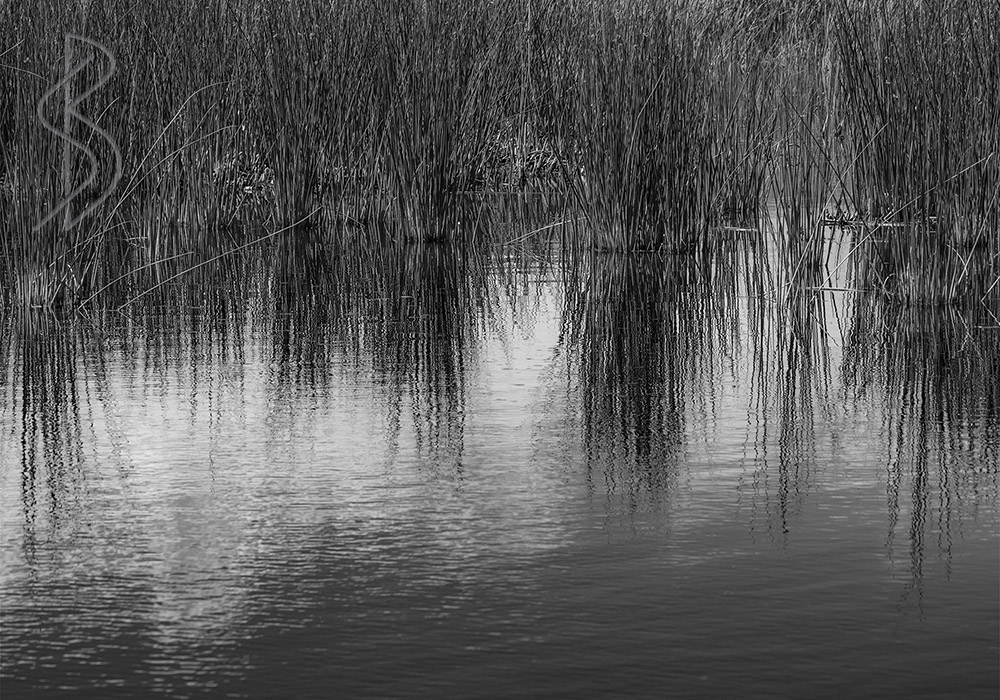
After having spent most of July in Oregon and Hawaii, I have to admit I’ve been a bit uninspired to head out into the desert.  Last week we had a beautiful day that started out with clouds and rain, and I made a relatively unplanned tour through the desert.  One of my stops was at Pahranagat National Wildlife Refuge along the Great Basin Highway.  I probably would have seen more wildlife if this hadn’t been towards the middle of the afternoon, but tall shade-providing trees, roads lined with sunflowers and small lakes were enough to soothe the senses.  The breezes would occasionally find a lull, and the clouds were just enough to provide a little contrast for my photo here.

You can see this photo on Leanne Cole’s Monochrome Madness this week.  To see what other photographers have contributed, or instructions to join in, please visit her website.

WPC: Elemental

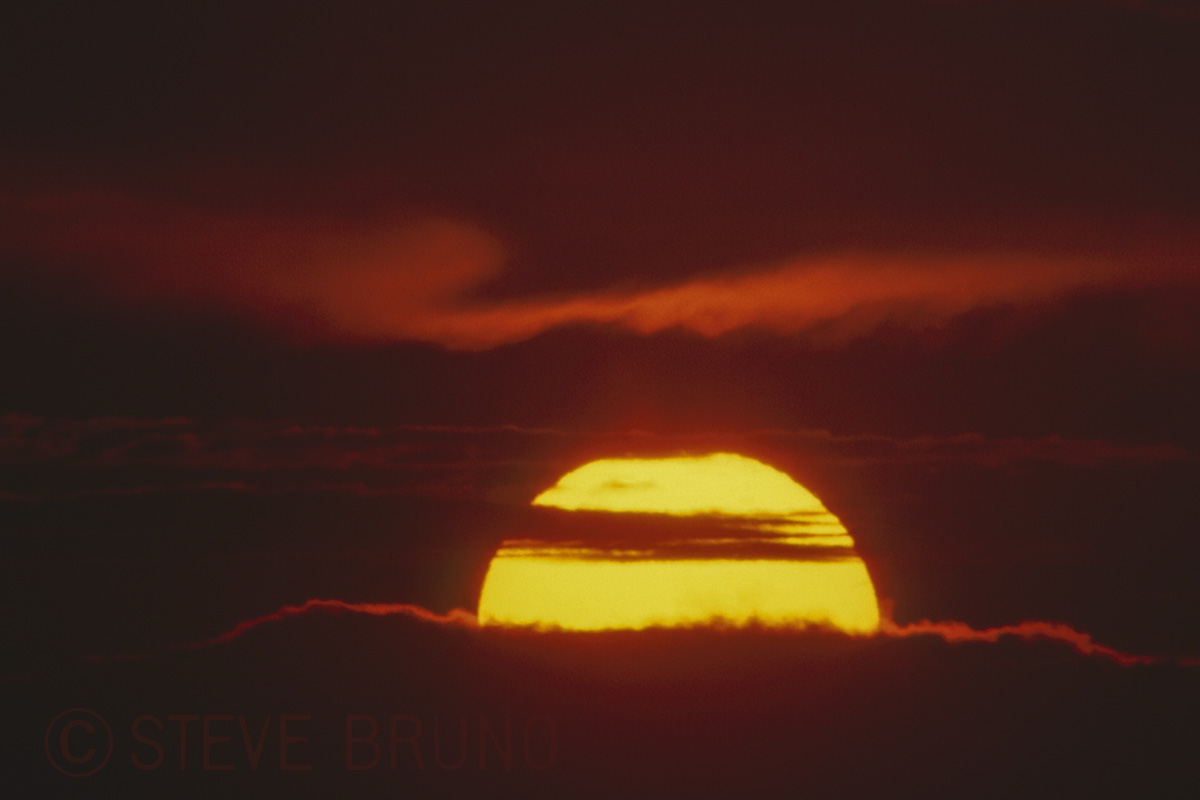
My recent trip to Hawaii provided me with the perfect shot for this weeks Daily Post Challenge of Elemental.  Earth, air, fire, and water are all there, but you can’t tell that the air is not exactly the best for you from this shot.  I probably could have gotten a little closer if this hadn’t been the downwind side.  I was fortunate to grab a couple shots before retreating to cooler non-toxic air.  In full size images enlarged on my screen, I can see the distortion from the heat.

Monochrome Madness: MM4-14

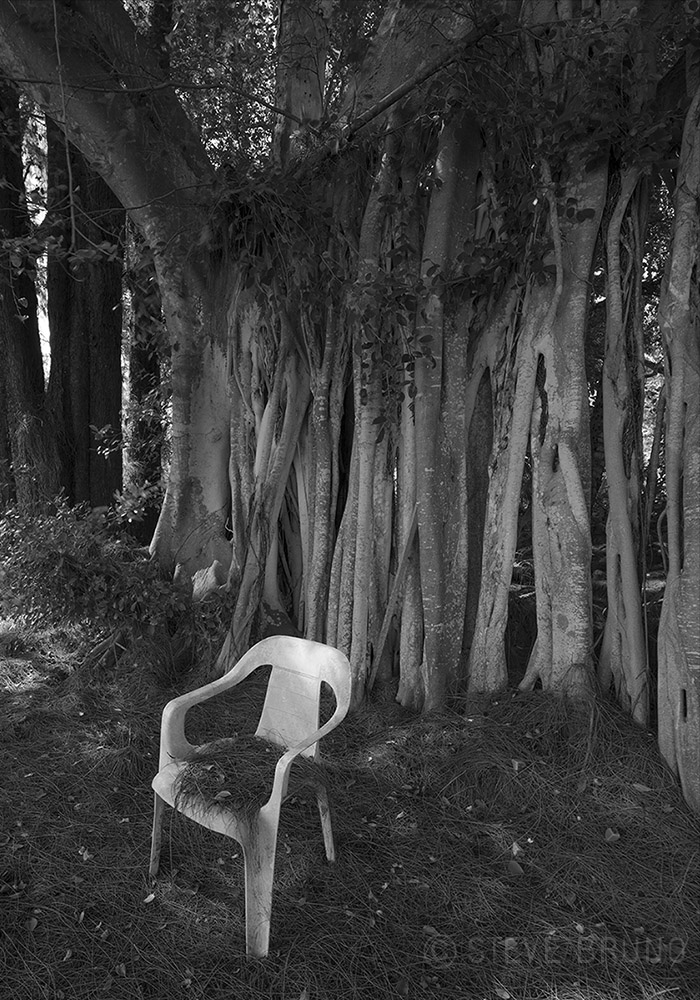
A couple days ago, I was returning from a beautiful morning along the north side of the big island in Hawaii.  I drove by this setting close to the road, which didn’t appear to be part of anyone’s front yard.  I was fascinated with the shapes and textures of the tree’s root system, and it’s bleached appearance.  I started to remove the chair, but took a few images with the chair in place first.  Clearly, with that much pine straw covering the seat, as well as how deeply the feet were covered, it had been a while since this chair had seen some use.  I took a few more photos after I removed the chair, but was more intrigued with the ones including the chair.

This is my contribution to this week’s Monochrome Madness, hosted by Leanne Cole.  To see what other photographers have contributed, or instructions to join in, please visit her website.

Monochrome Madness: MM4-11

For this week’s Monochrome Madness, the theme is wild.  I have been to several places so remote, not even the governing agencies could answer my inquiries as to trail conditions or water reliability.  And although these remote places are seldom seen by people, images captured there may not necessarily reflect the feelings of isolation.

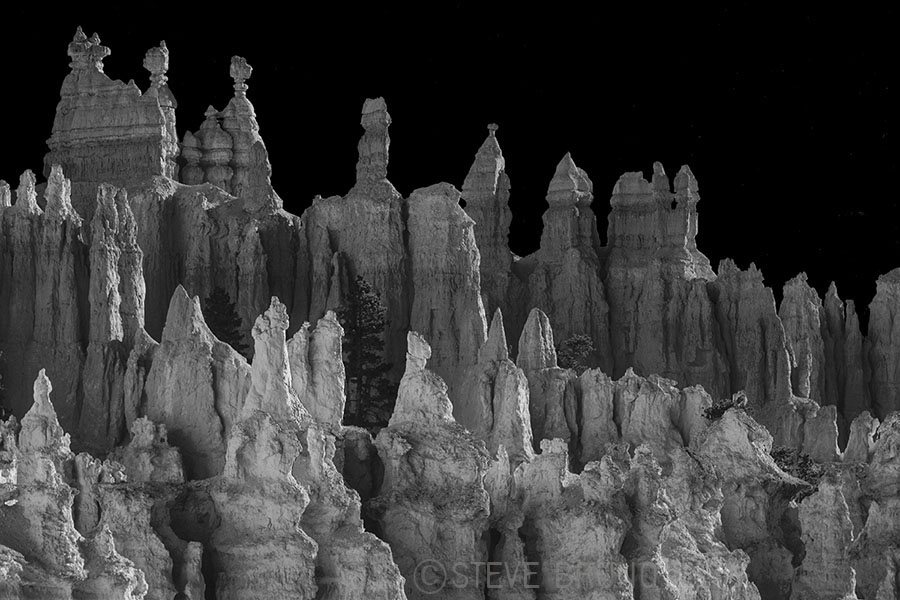
Bryce Canyon, the location of my photo, has spots that you can hike to that will give you a feeling of being in a wilderness, but most of the trails will have you hiking side-by-side with a bunch of strangers.  Despite that, it is still the wildest looking place I have ever been to.  This is my contribution to Leanne Cole’s Monochrome Madness this week.  To see what other photographers have contributed, or instructions to join in, visit her website.

Summer Daze

Nice to have some time to post again.  It’s my own fault – I told everyone that I wasn’t going to be available in July, so I’ve pretty much done 3 months work in the last 6 weeks.  I haven’t been hiking or touched my camera for non-assignment work in 2 months.  Thank God it’s July!

Summer usually doesn’t take its time getting to the desert.  This was one of the most comfortable springs on record, but late June doesn’t hold its punches.  Record and near record highs occurred for several consecutive days.  During this time I happened to be listening to local news when they were talking about people coming to visit here and specifically, Death Valley, to experience the intense heat.

To those of you thinking of visiting for that reason – don’t!  There’s a much simpler solution.  Instead, turn your oven on to about 200 degrees.  (Disclaimer: I don’t know who might be reading this, and don’t want to be contacting my attorney, so electric ovens only, not gas).  Next, kneel in front of the oven with your face towards it, ensuring that your head recoils in reaction to the blast of heat.  This is what all of us desert dwellers feel every time we step out of our air-conditioned cars and homes in late afternoon this time of year.

If that’s not enough discouragement, don’t visit here for the sake of the earth and our children.  Jets fly on less fuel when they’re not carrying as much weight, and the car you’re not renting won’t be putting emissions into the air.  Furthermore, you can take some of the money you’ll be saving and donate it to an environmental program that will prevent temperatures from reaching 125 degrees in the future.

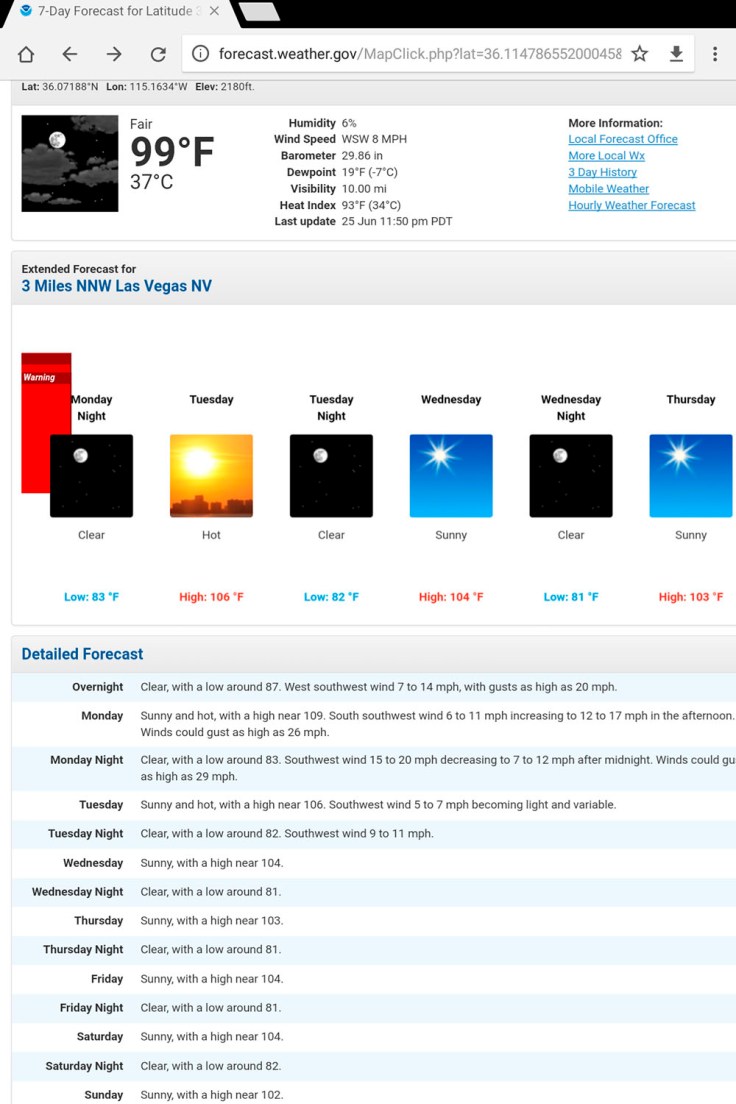
For those of you wishing to visit for sane reasons, come on down!  The heat wave is gone for now, and it’s almost pleasant again (in the mornings).  It will be 103 to 108 every day for the foreseeable future, but most of those days won’t be hot (that’s according to the National Weather Service, see below).


Summer Temps

WPC: Reflecting

A couple months ago, I returned to a favorite hike in Red Rock Canyon.  This particular canyon has water year-round, and I spent a fair amount of time around where a small channel of water was flowing ever so slowly across the boulders.

This is my image for this week’s Monochrome Madness on Leanne Cole’s website.  Since The Daily Post made the theme reflecting this week, I guess I’ll kill two birds with one stone.

Day Trip Through Hill Country

While in Texas recently, I had a chance to get away for a day to see if that state had anything to offer this nature photographer.  I have been to the Guadalupe Mountains in the far western portion of the state, but much of what I’ve seen has been flat and unphotogenic.  My previous most favorable impression of Texas has been the best night sky viewing I’ve seen anywhere.

I had heard about the hill country near Austin and San Antonio, so that’s where I was determined to explore.  A cold front blew through the day before, with tornadic activity in the northern part of the state, but I was left with blue skies for the day.  Although I prefer clouds and softer light for my photos, I wasn’t going to complain with temperatures that barely hit 70, and almost no humidity.

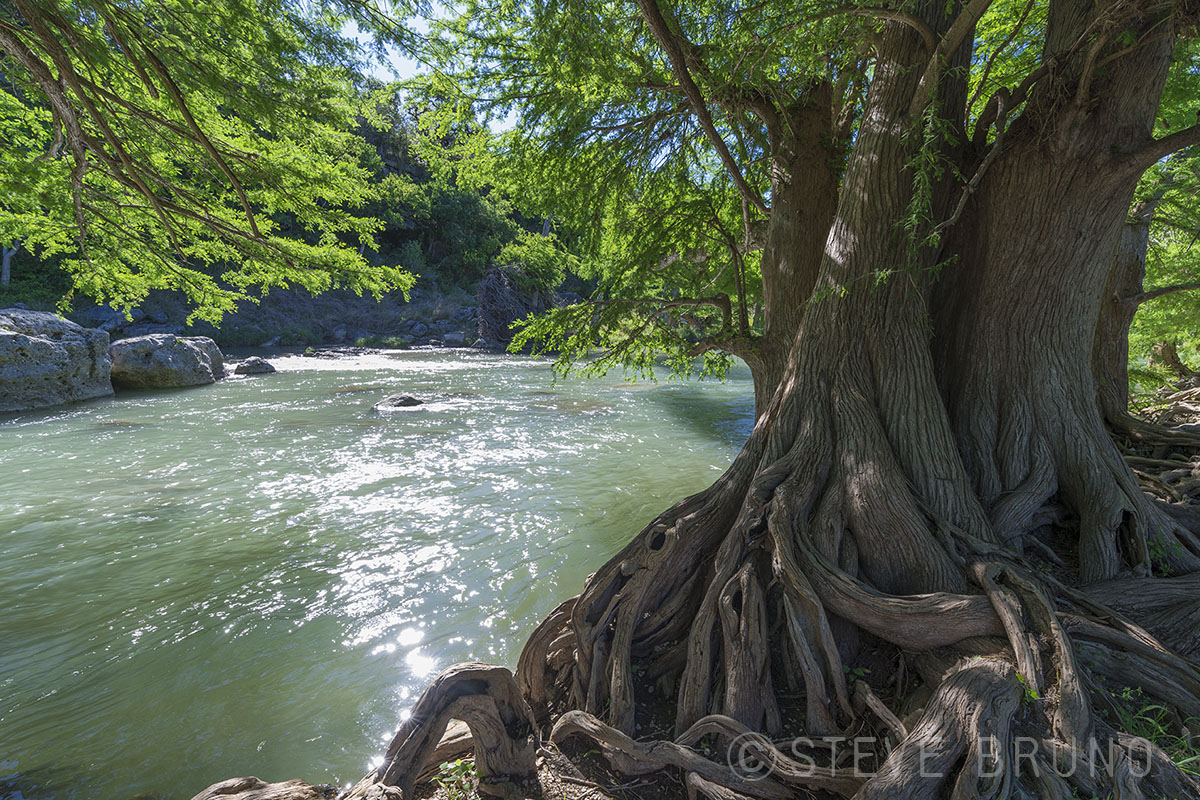
I tried to research places to check out, but really didn’t see any photos that made stop and say, “Wow, I have to visit there”!  I was really disappointed that many of these places didn’t open until 8am.  With a sunrise at 6:30, that meant I was going to miss the best light of the morning.  My first stop was Guadalupe River State Park.  It really wasn’t a planned stop, but the sign said 3 miles, so it seemed a waste not to visit.  The river is wider than I expected in this mostly arid environment, with a beautiful green hue to the water.  Mostly I was charmed with the older trees along the banks and their beautiful exposed root system.  The tiniest of clouds passed briefly in front of the sun, showing me a glimpse of how this place would photograph under softer conditions.  That was just a tease, and I did manage a couple photos before realizing it was time to move on.
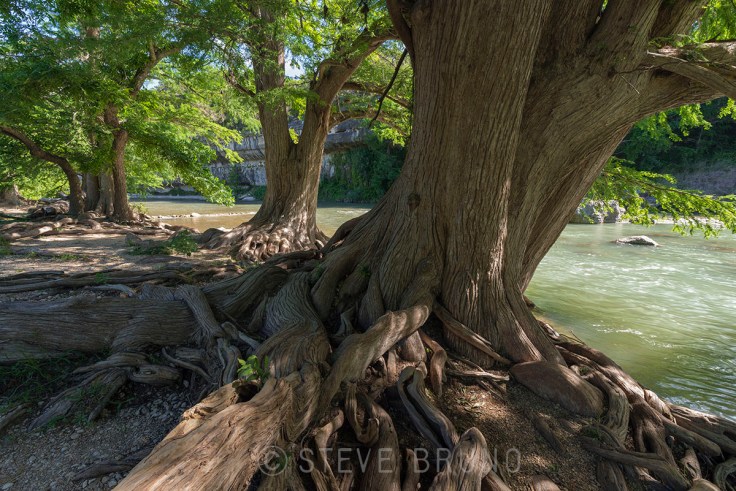
River 02

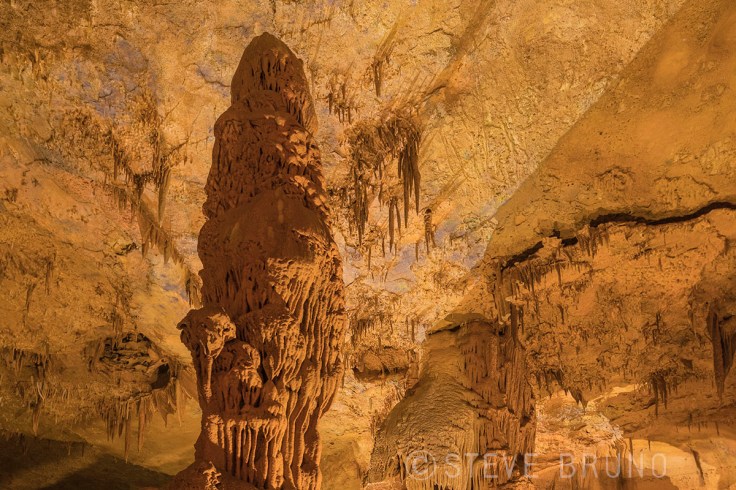
My next stop was Cave Without A Name.  This was a planned stop.  There are other caves in the region, but the remoteness made me think I would have a little quieter visit.  There were just 5 of us in our little tour, and the staff was very friendly.  I expected the usual stalagmites and stalactites that are common to caves, but there were features called “bacon strips” that seemed pretty unusual, and my favorite “the alien”.

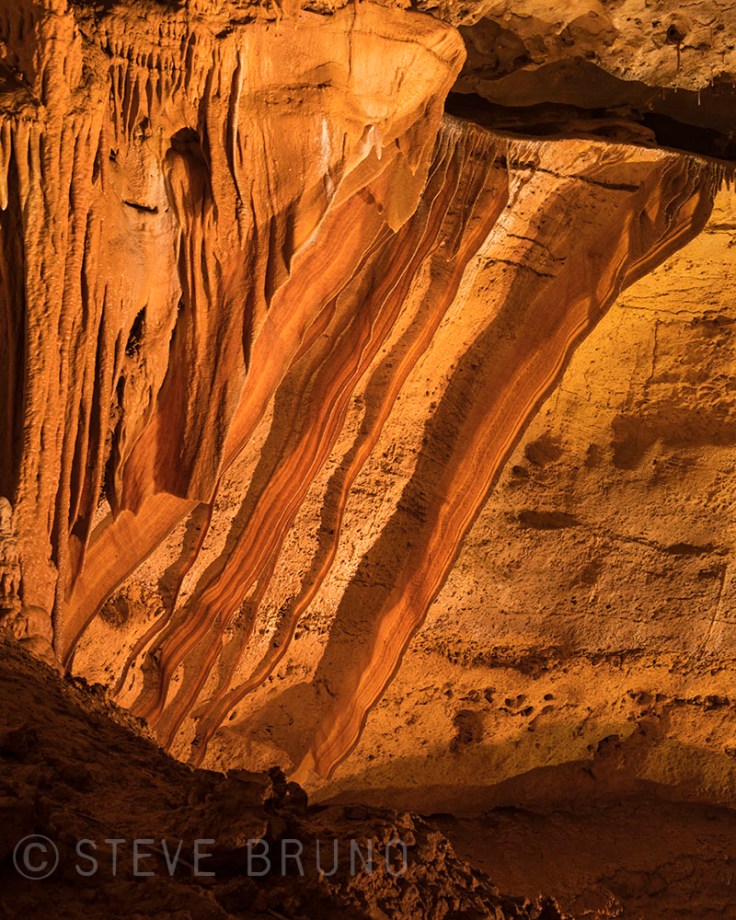
Cave 05

Cave 04

Cave 01

Cave 03

I spent more time there than I had anticipated, but given the fact that above ground was midday lighting conditions, that didn’t seem to matter.  I was definitely glad with this choice for a visit.  Upon my drive out I saw a sign for a local county park.  Kreutzberg Canyon Natural Area is on the Guadalupe River, and seemed like a nice place for a picnic, but given the fact that I had stopped previously along this river, and the sun was now too high, I kept my visit brief.  I was planning to stop next at Enchanted Rock, but the people at the cave told me it was a popular area and might be closed due to crowd size already.  The fact that they didn’t stay open until sunset just reinforced my feeling that this would have to wait for another trip.

After a late lunch stop, I was headed off to my last scouted location, Pedernales Falls State Park.  Although none of the photos I had seen had a wow factor, the staff at Cave Without A Name said I would enjoy this place.  They were absolutely correct.  As I was driving through hill country, I realized I was at the tail end of the spring flower season, but there were still a few left, including these within the park.
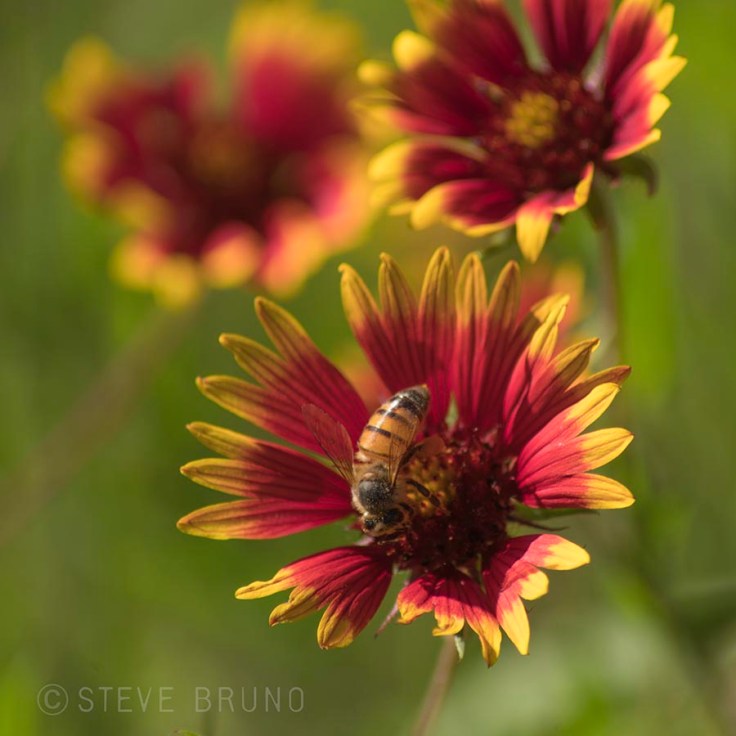
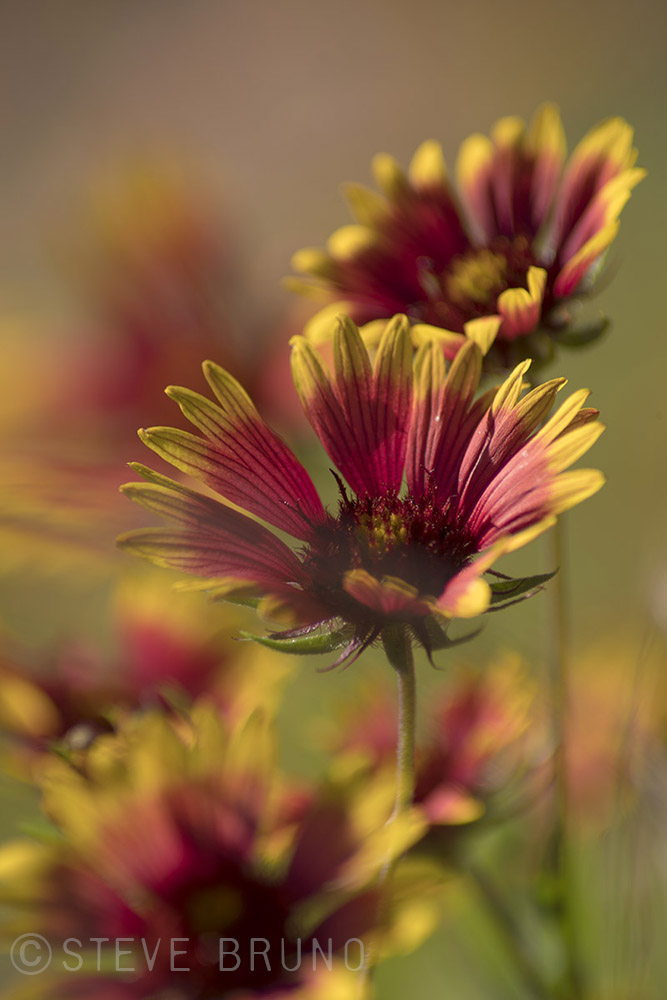
Pollination

Flowers

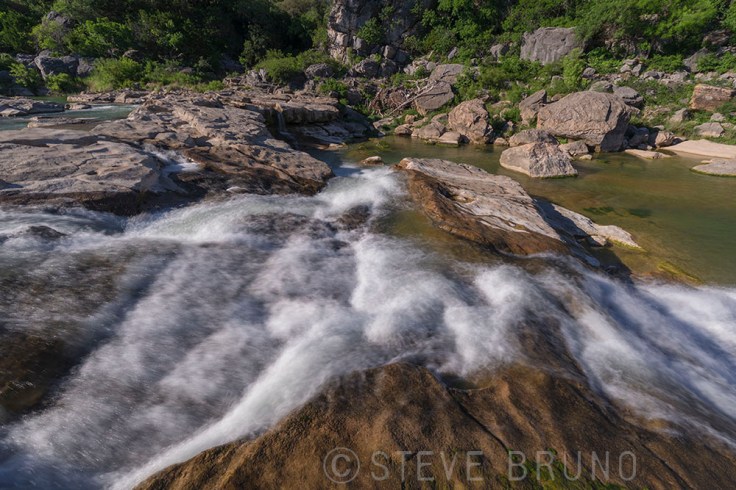
My biggest surprise was the overall size of the place and volume of water.  These are not tremendous falls, but a series of cascades all distinct from each other.
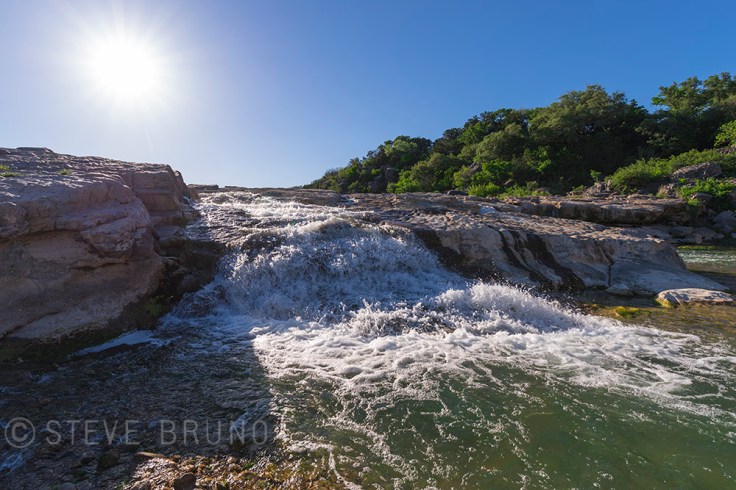
Falls 01

Falls 02

As I said, the volume of water was not what I expected after the photos I had seen online, and this river has perhaps the best infinity pools I have ever seen.  This is the moment I was really wishing for clouds.
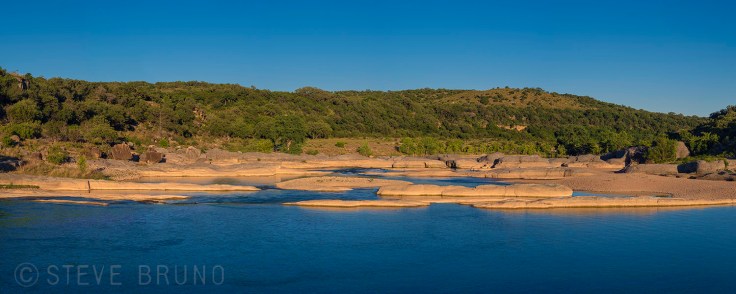
Infinity Pools

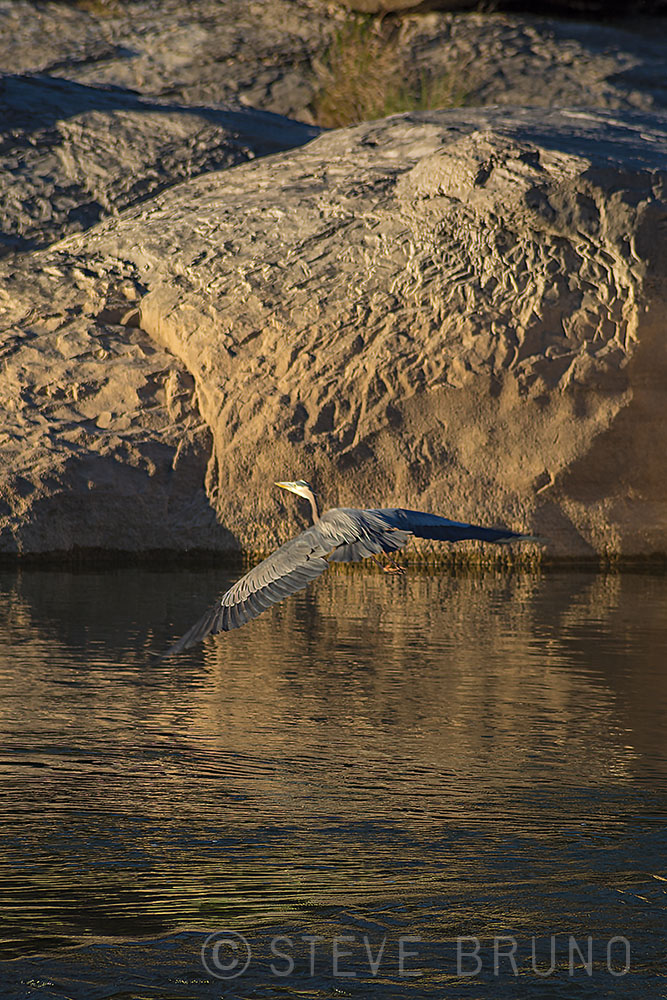
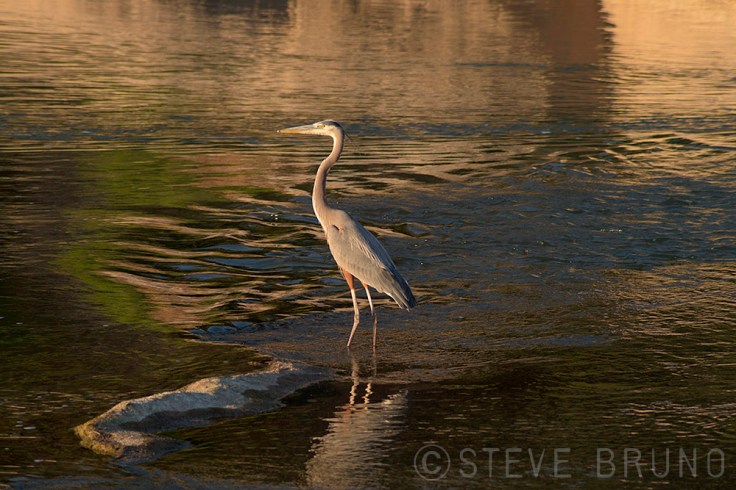
There were still a few people around at this point, but not too many.  I think this allowed the wildlife to feel at ease returning to the water.  The park’s website lists heron and vultures as part of the permanent inhabitants.  Even with the telephoto lens, the vultures I saw were too far away to really recognize, but this heron put itself in the most perfect spot to be photographed.  The bird was aware of my presence, so I kept my distance until I had many shots that I liked.  When I took a couple steps closer, I was able to capture its takeoff.
Crane

Falls 03

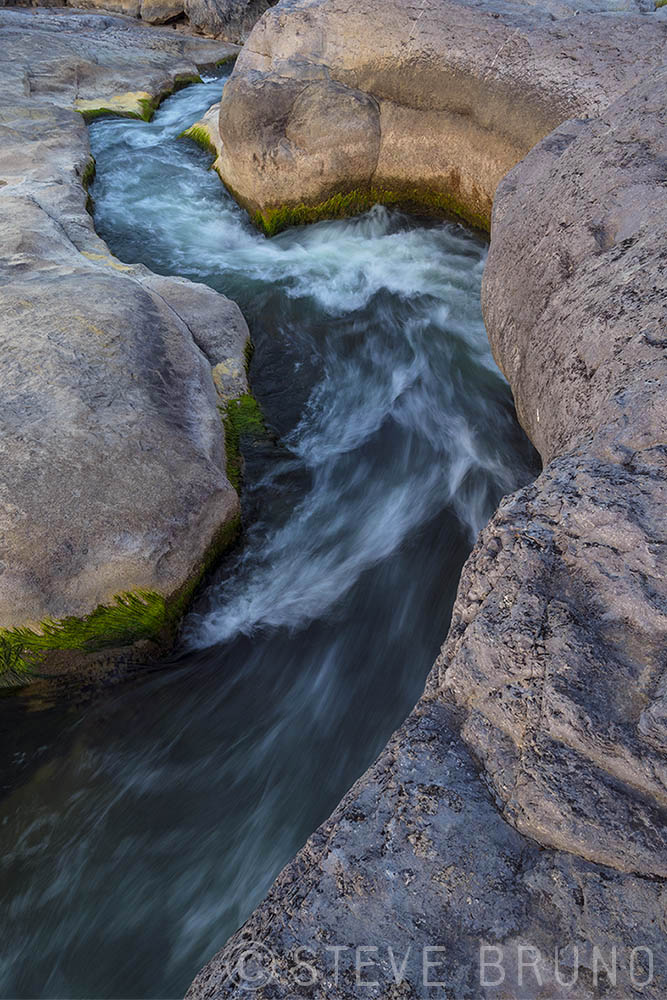
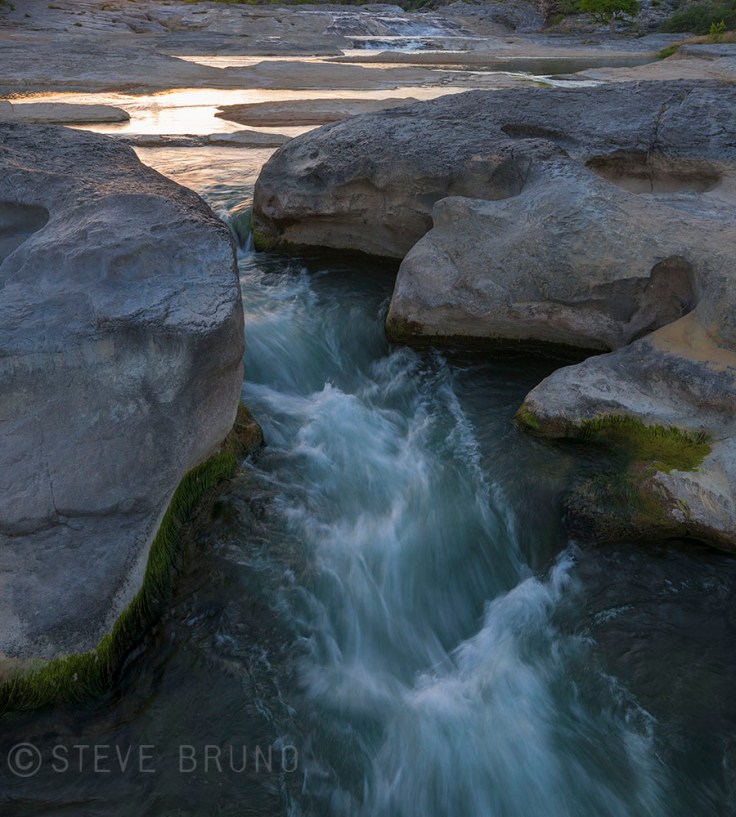
With that, I was just waiting for the sun to get to the horizon for the soft light I needed for my favorite part of the falls.
Falls 08

Falls 05

Monochrome Madness: MM3-52

As spring storms start to lose their punch, it’s time to start venturing further northward.  One place I love to photograph is Cathedral Gorge State Park.  It’s a blink-and-you-miss-it kind of spot along the Great Basin Highway in eastern Nevada.  Full of texture and contrast, it offers many opportunities for black and white photography, and there are places and times where color photography works too.  Storm clouds added another dimension on this spring day.

This photo is my contribution to Leanne Cole’s Monochrome Madness this week.  Next week starts the fourth year for this project for Leanne.  To see what other photographers have contributed, or instructions to join in, visit her website.

Monochrome Madness: MM3-51

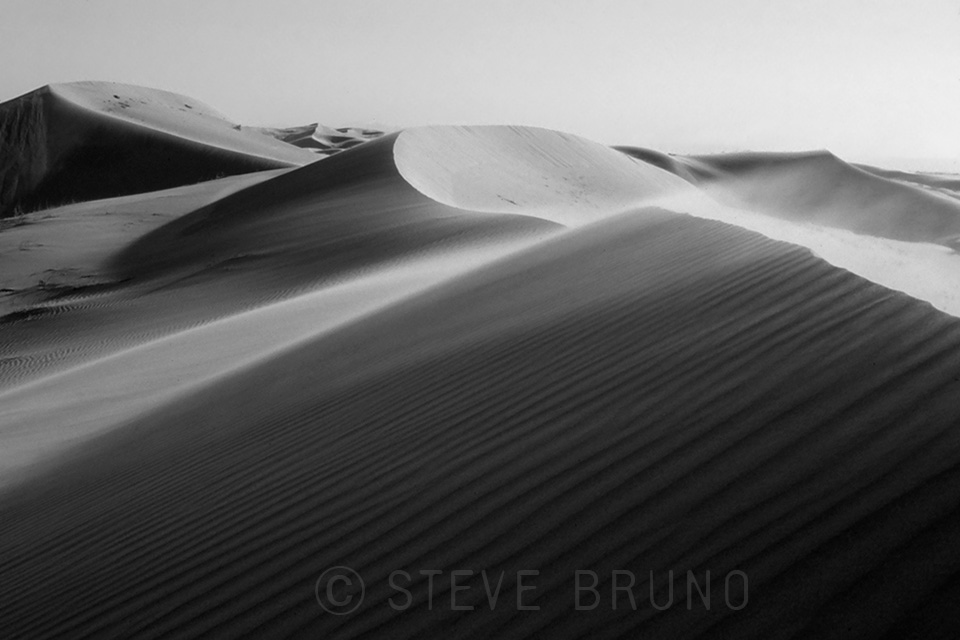
As spring transitions towards summer, cold fronts still pass through the desert, but they rarely contain significant moisture.  They always bring a little breeze, and sometimes, a lot.  A couple weeks ago we had wind gusts in the 70-80 mph range, and there’s never enough moisture to hold down the sand and dust when those fronts come through.  Usually this is landscape photography hell, but if you happen to be in the right spot, you can turn it into opportunity.

My photo was taken in the desert of southern California during one of these spring fronts, and is my contribution to Leanne Cole’s Monochrome Madness.  Instructions on how to participate, and the contributions of others can be found on her site.

Monochrome Madness: MM3-50

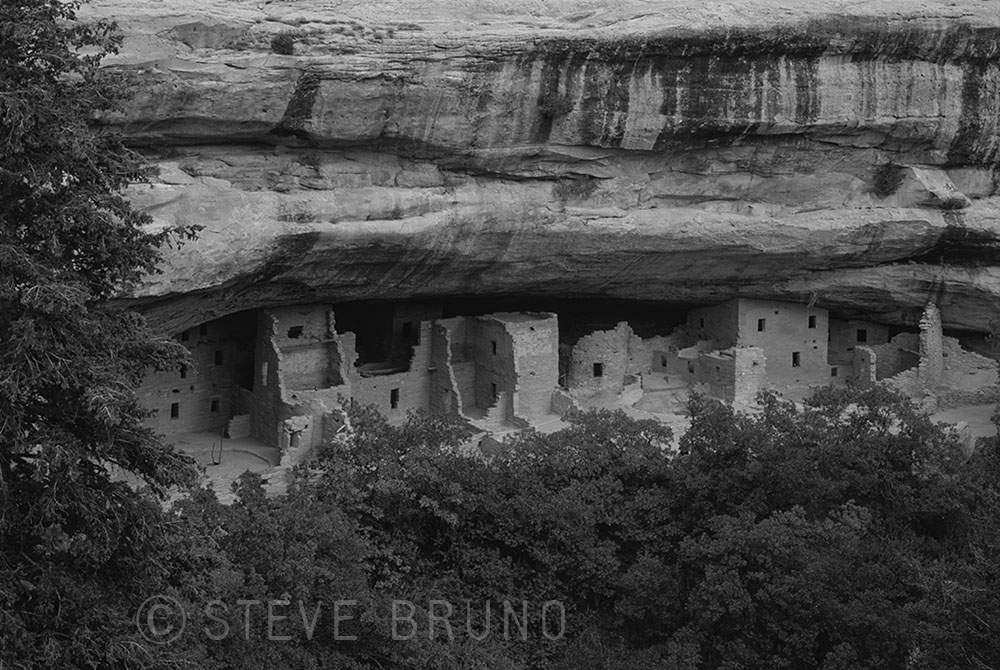
Mesa Verde National Park is one of the best preserved examples of the Ancestral Puebloan culture that once thrived in the American Southwest.  More commonly referred to as Anasazi, which is a Navajo term meaning “enemy ancestor”, these people created structures which were the largest in North America until Europeans settled here and industrialization began.  This civilization vanished around 700 years ago, and experts have various opinions as to how this happened.  A major climate shift started in the mid 1100’s with multiple periods of drought, and would have severely impacted the food supply.  There is also evidence of warfare which may have occurred with nomadic groups.

My photo is of Cliff Palace, the largest of the ruins at Mesa Verde, and is my contribution to Leanne Cole’s Monochrome Madness, which had the theme this week of culture.  Instructions on how to participate, and the contributions of others can be found on her website.

Monochrome Madness: MM3-48

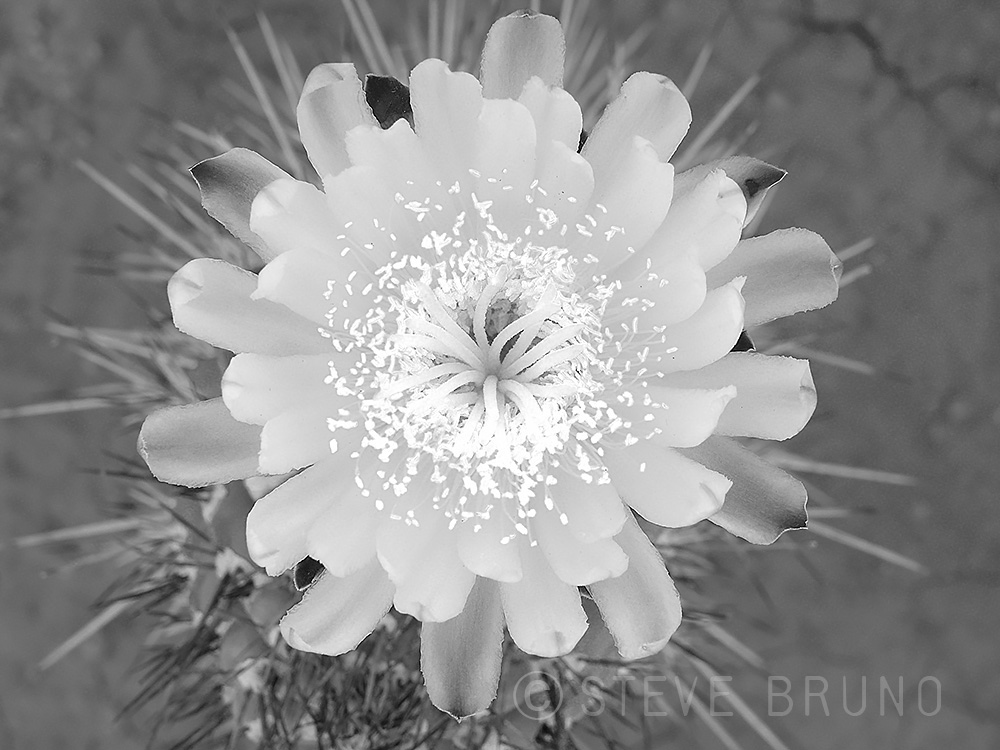
Spring has made it here, and it almost felt like we were going to jump right to summer.  Fortunately, temperatures have returned to normal, and we can go out and enjoy the flowers which have made their presence as a result of decent winter rains.  The cacti are usually the last to bloom, and it doesn’t matter to them if there was rain or not.

This is my contribution to Leanne Cole’s Monochrome Madness this week.  Instructions on how to participate, and the contributions of others can be found on her website.

Blog at WordPress.com.

Up ↑