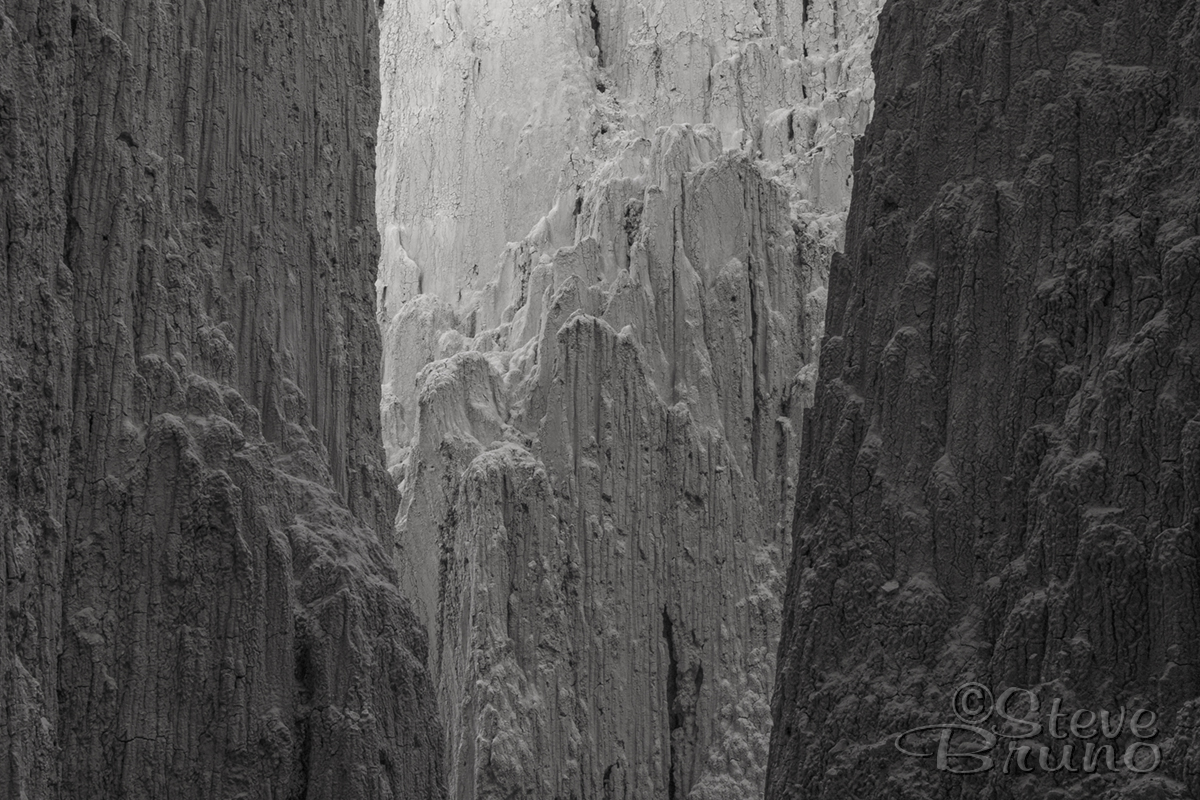
Slot canyons are amazing places in the way water can cut so deeply and intricately without removing the materials further out and above. They are also great places to hang out when the temperatures are soaring. Fortunately, we are heading into fall, and the relief factor is yielding to the fun of just exploring the desert. This week’s photo comes from Cathedral Gorge State Park in eastern Nevada. Unlike slot canyons in sandstone, these crevices don’t run very long, and are so narrow you have to side-step in a couple places to get through.
September 23rd marks the first day of autumn this year, but that is normally an irrelevant day in this part of the US. This morning I had the air-conditioning turned off and the doors open for the first time in a while, so perhaps this season will be different. I read a few months ago that the El Nino currents were still in place, which would account for a lack of a summer monsoon season. Another wet winter and spring would certainly be welcome, especially if followed by another spectacular wildflower season.
The cooler air also means we’ve made it through the worst of forest fire season. Our forests have been spared from significant sized fires. Surprisingly, of all places, the worst one this season was in southern Arizona. The Woodbury Fire lasted for about a month and consumed over 120,000 acres. Rugged terrain, inaccessibility, and summer heat were the contributing factors keeping that one from being extinguished quickly.
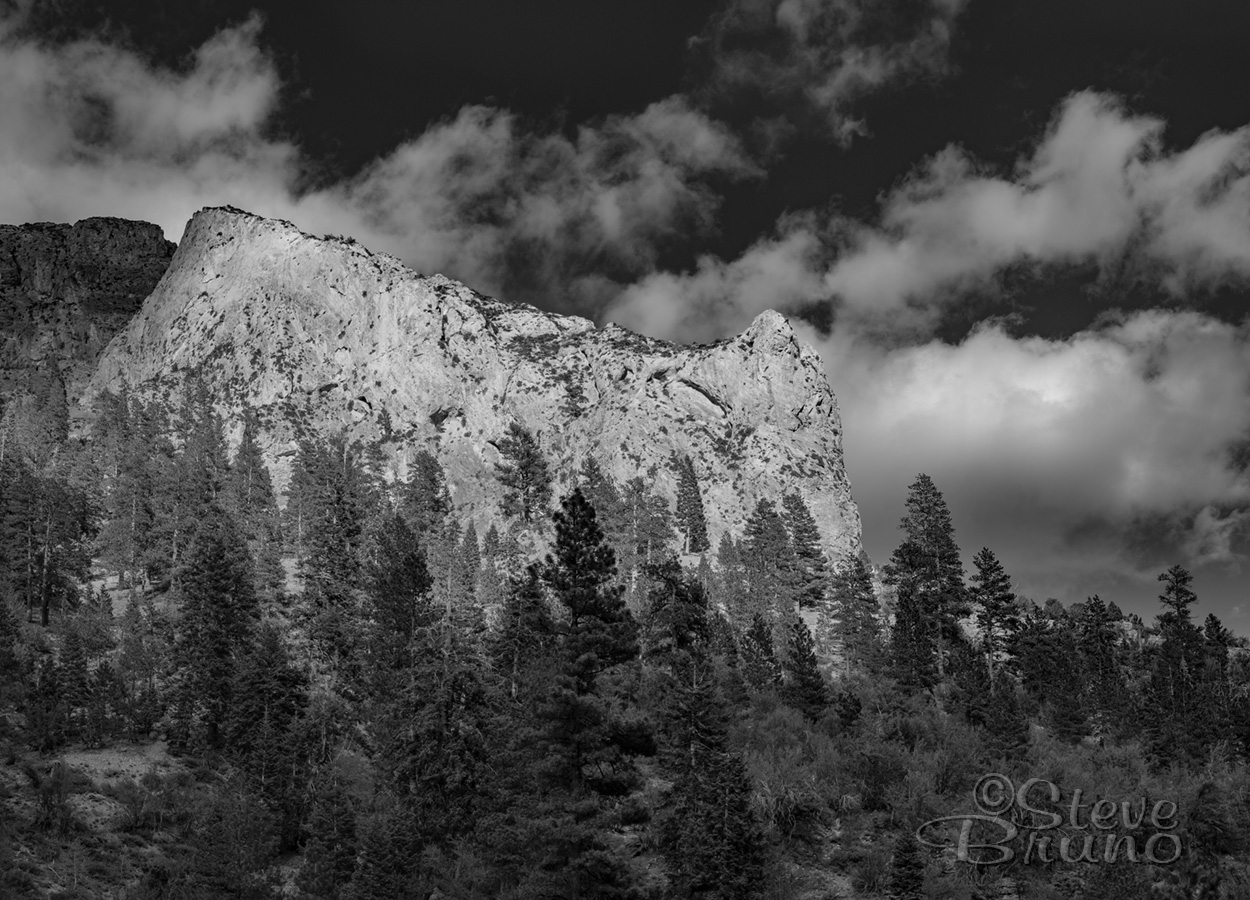
My closest mountain retreat, pictured above, did not have to deal with closures or fires this summer. Every autumn, I keep feeling like we just made it through another round of Russian Roulette. So many dry years, and just enough careless people visiting the forests push the odds in favor of the fires. Let’s hope for a few more El Nino winters.
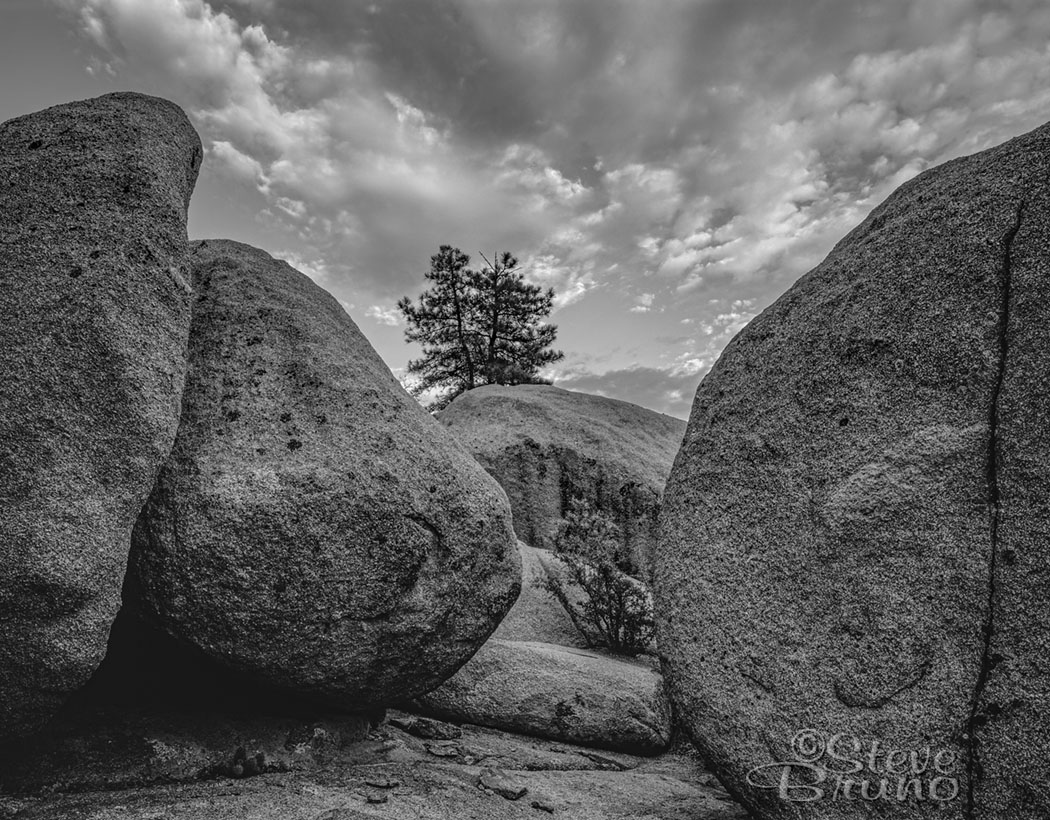
I find that many photogenic boulder locations tend to be in lower deserts here in the southwest. Joshua Tree National Park comes to mind when I see what other photographers like to cover. The boulders there may receive more attention than the tree the park is named for. There are much better Joshua Trees to see than the ones there, so I completely get this one.
The subjects of my photo come from the cooler, higher elevations of Prescott National Forest in central Arizona. The tree at the back is what caught my attention here. It provides a nice contrast and an element of scale for these massive rocks. The clouds drifting into the frame completed the scene for me.
As summer drags into its last month (in theory), we here in the desert are looking forward to a change. Normally the seasonal monsoon rains have their rhythm going by now, and lowered the fire danger and temperatures (ever so minimally). Even if the rains are few and far between, the clouds offer some relief as well as photogenic backdrops. On the occasions we have had clouds and rain, the storms started early, and were finished early.
This time of year, it’s nice to get away to the mountains for some relief. A lot of other people have the same idea, so when I go, I usually find some rough, isolated road to get further from the crowds. Because the fire danger throughout the west remains high, and most fires are human caused, I no longer feel comfortable doing this. I never make campfires wherever I go for environmental reasons, and I don’t understand why anyone would need a fire when it doesn’t get below 50 degrees. I think this was a tradition started by people in old western movies that needs to go away.
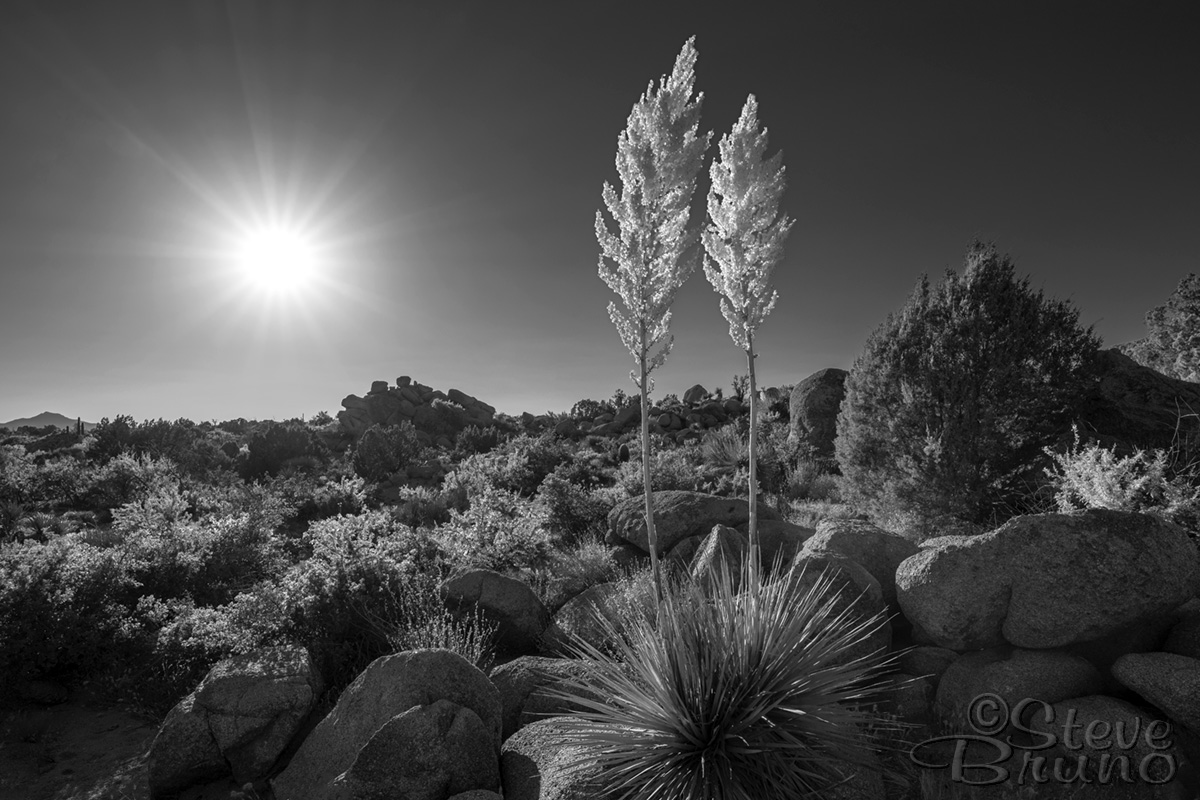
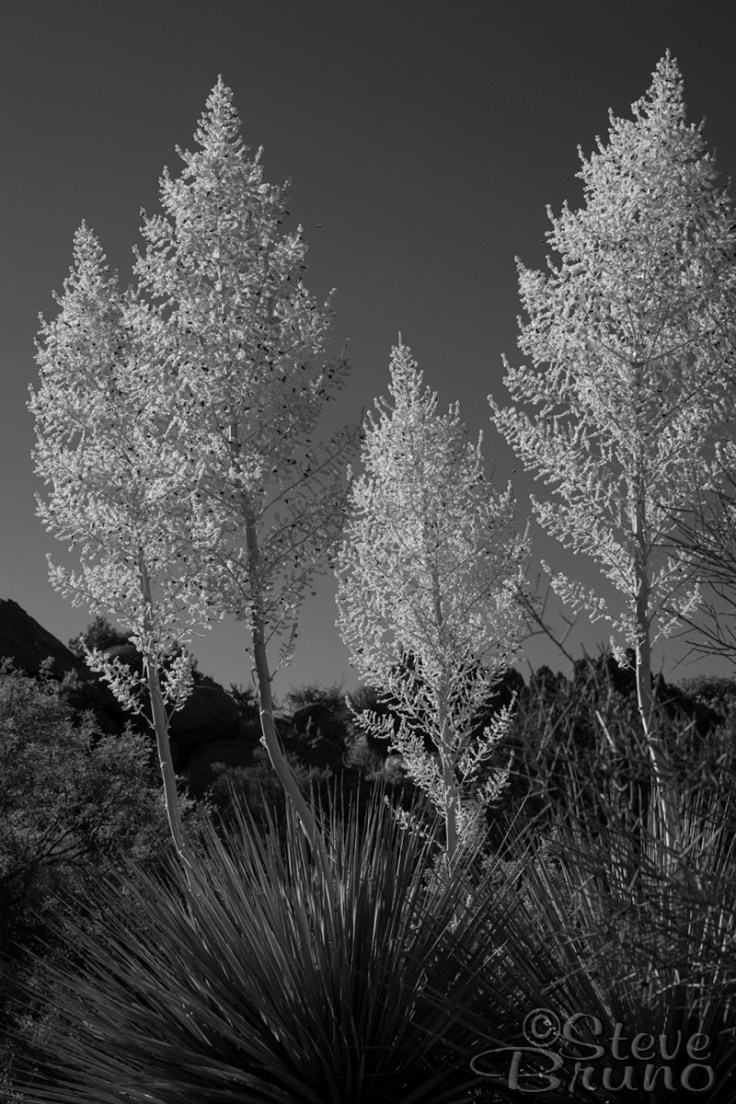
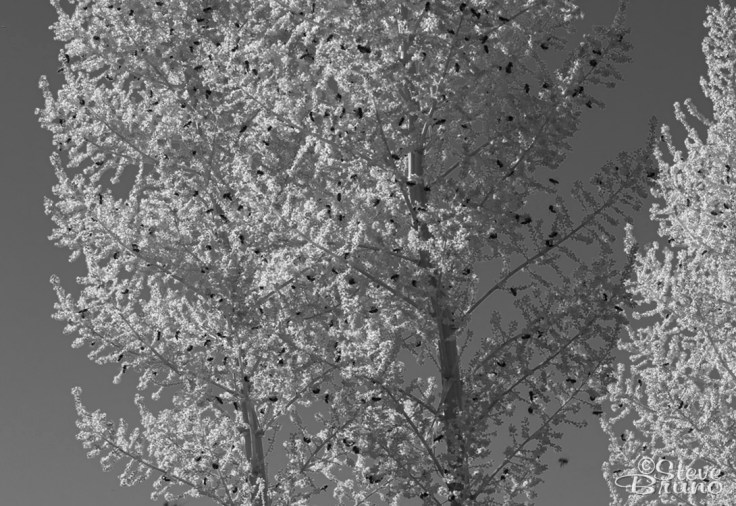
For now, my photo trips have been limited in number and almost exclusively on paved roads. These photos are from late spring in the desert of western Arizona. The yuccas are the last thing to flower in the desert, with the blooms taking place over an extended period, depending on the right conditions for each plant. As I approached the plants below, there was a definite buzz in the air. The bottom photo is a crop of the one above it, so you should be able to see the bees more clearly. Ive photographed these plants in spring before, and never remember encountering a single bee. About 100 feet away was a similar plant with fresher blooms, but no bees. I guess this is what happy hour looks like if you’re a bee!
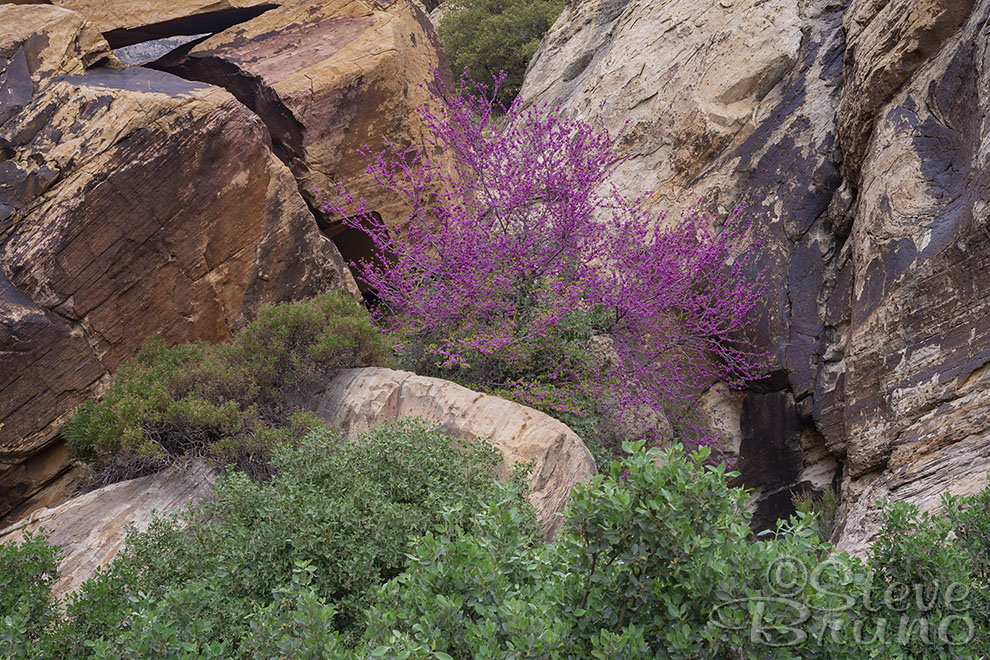
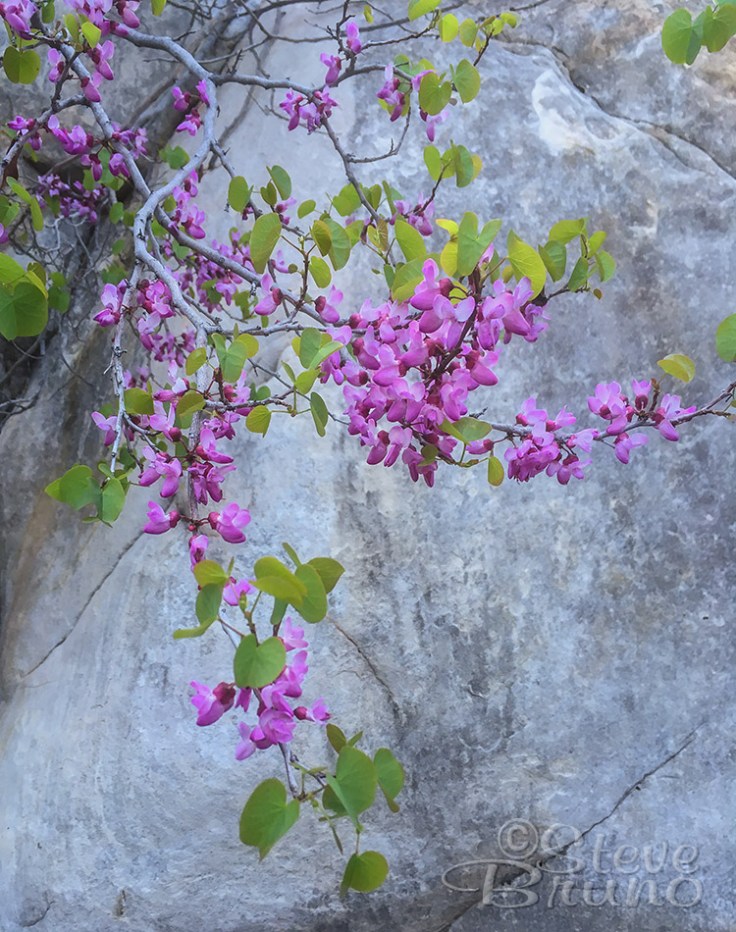
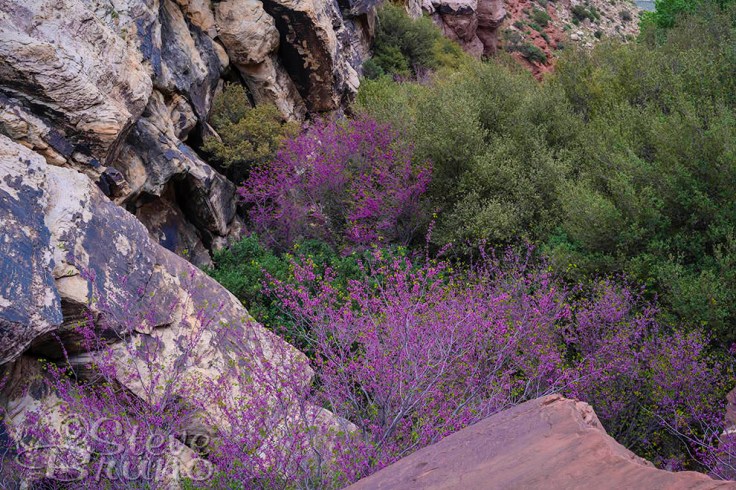
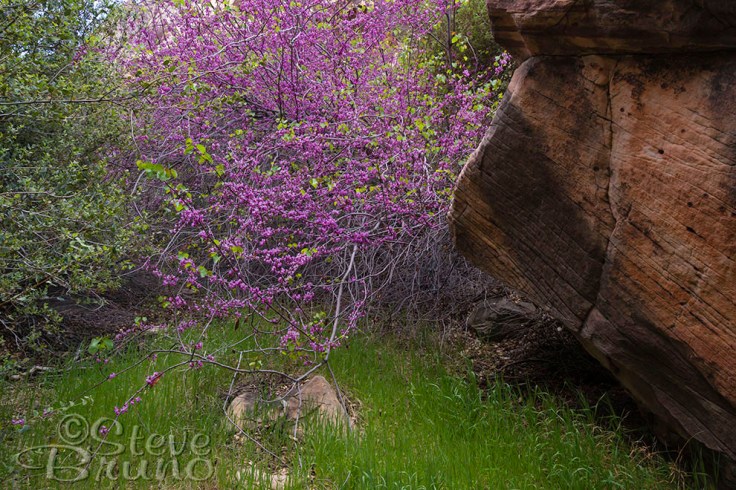
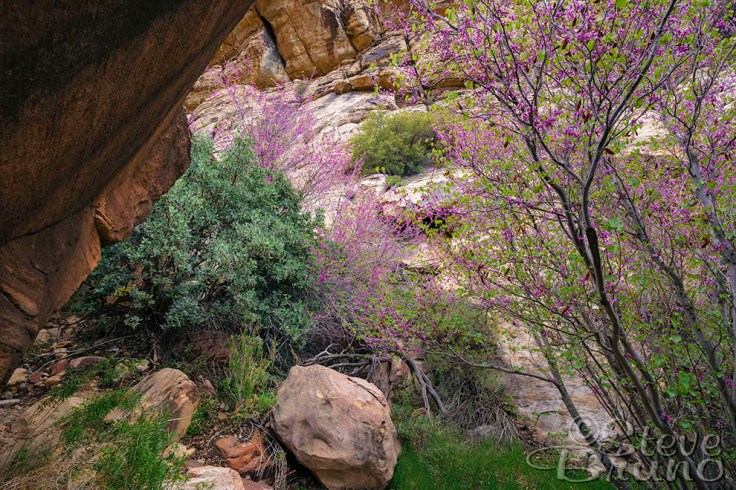
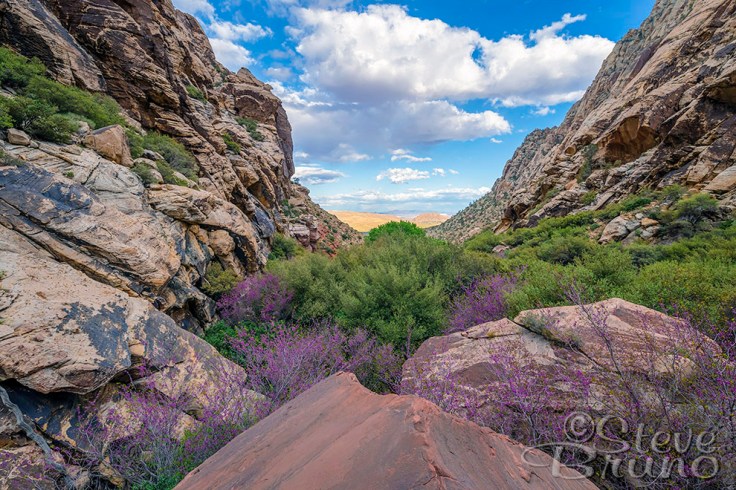
A wetter than usual winter has been a welcome sight for the southwestern US. Although many flocked to California to trample the flowers there, the bouquet has been continuing through the higher elevations. Red Rock Canyon has seen some small plants flowering, but I was amazed at all the redbud trees in bloom, and consider that the main attraction around here.
I know it’s been a while since I’ve posted, but I’ve had a backlog of projects that needed to be taken care of, and additional time sitting at a computer has been counterproductive to that. I’ll have a little more time for this now.

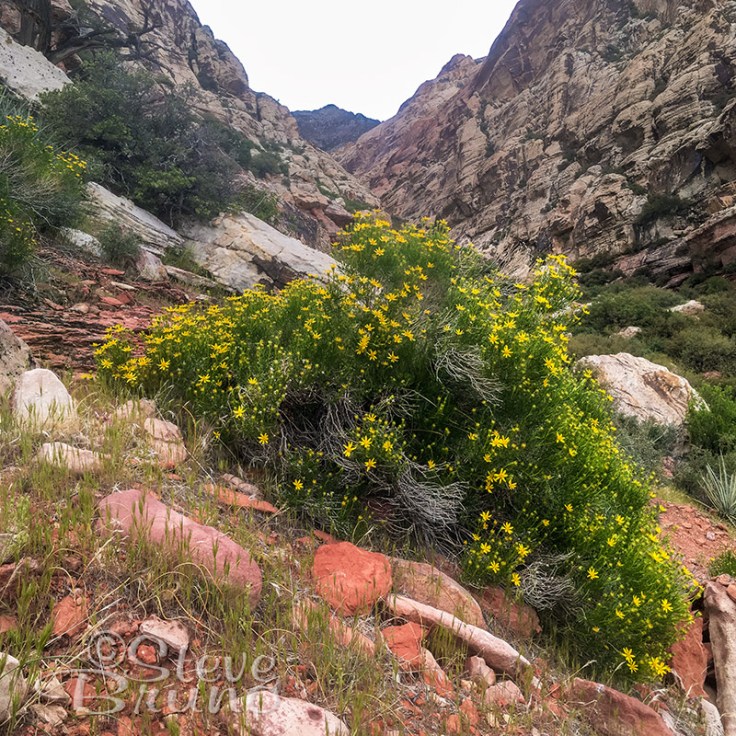

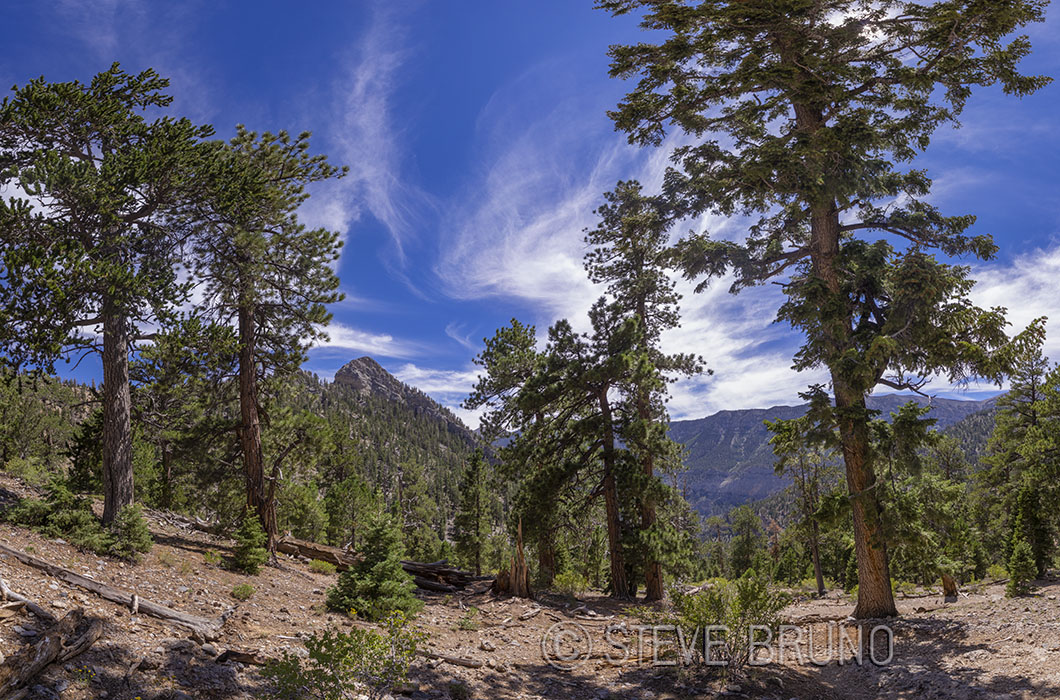
Recently, I had a chance to get out to our closest high elevation hiking spot. A friend had wanted to get away from the heat, and as with most people I know, didn’t want to to a hike on ‘photographer’s hours’. With that in mind, I wasn’t going to bring a camera, just my phone. Then I remembered the last time I did that, and we encountered butterflies and tiny flowers, so I packed my older smaller sensor camera and macro lens. That’s my idea of keeping it light.
The trail started around 8000 feet, and some of the trees down there had something I had never noticed before. Coming off the leaves was a thread-like material, covered with fine hairs. Most of these had a pigtail kind of curve to them, and their lighter color glowed in the backlight. My first shot of the day is actually one of my favorites.
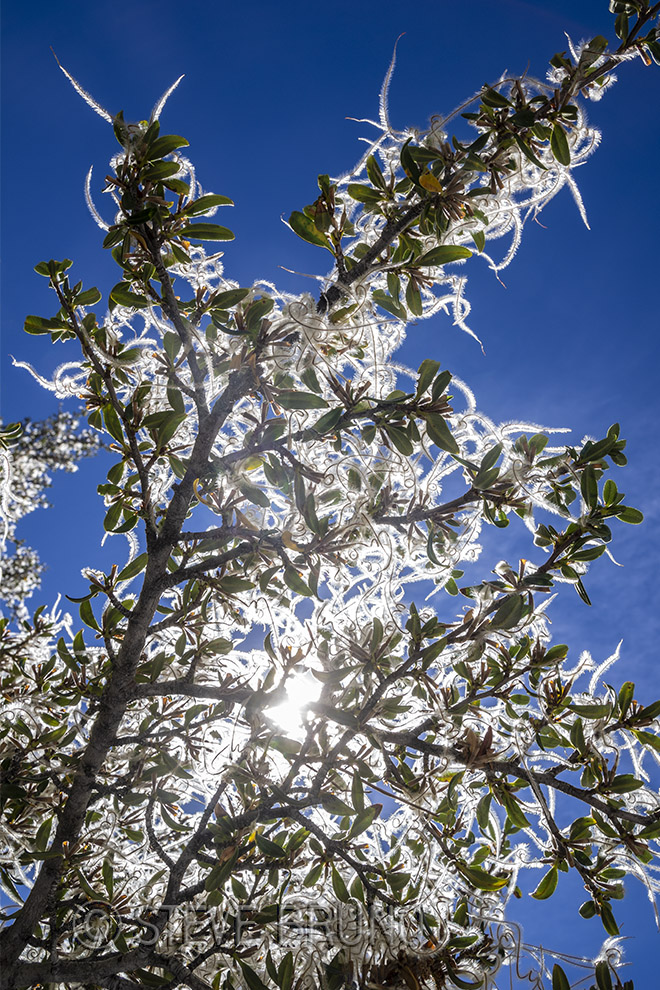
Even though these trees were present further up, the threads were not as abundant on those trees. I think I need to spend more time in this forest to notice the details of seasonal changes.

The photo at the top of this post was taken near the top of the trail. With my smaller sensor camera I don’t have an extreme wide angle lens, so this was a composite of 10 frames. We had started out with clear skies, but these timely clouds came passing through, looking more like fall than summer.
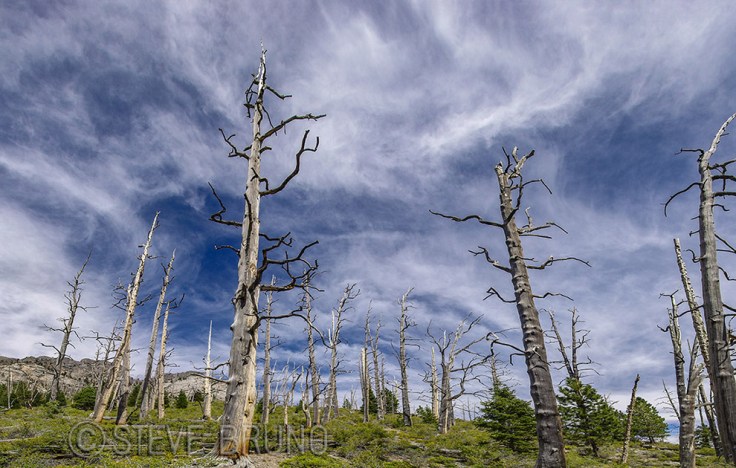
We arrived at the end point of one trail, then continued partway on another. I was wanting to see if the springs were still there after so many dry years. Just before the springs we found ourselves in the midst of the forest affected by the Carpenter 1 fire which happened in 2013. Although signs of recovery were evident, these trees will not be coming back, and the eerie feeling remains.
If there’s a positive side to not being in great shape anymore, it’s that the hike took long enough so that we finished with late afternoon light. Often this is the time of day i would start a hike with photos in mind. The young aspens were a stark contrast to the trees consumed by fire higher up.
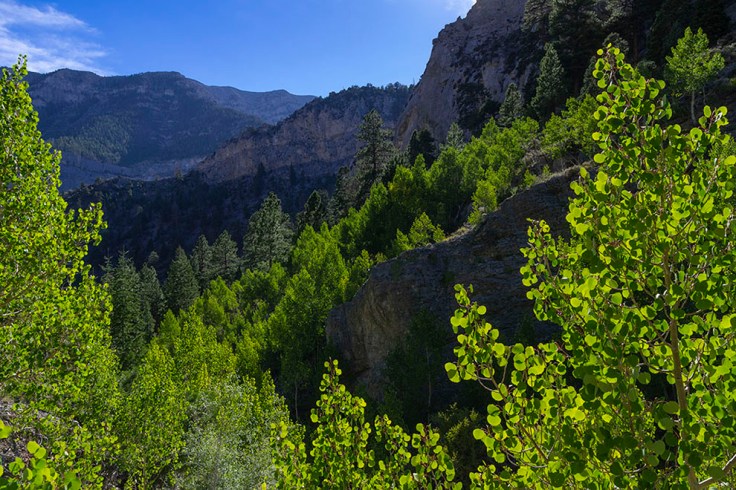
The cliffs in the lower part of the trail were beginning to get the glow of reflected light. The trees here are generally tall, but I couldn’t help but notice there was a giant amongst them.

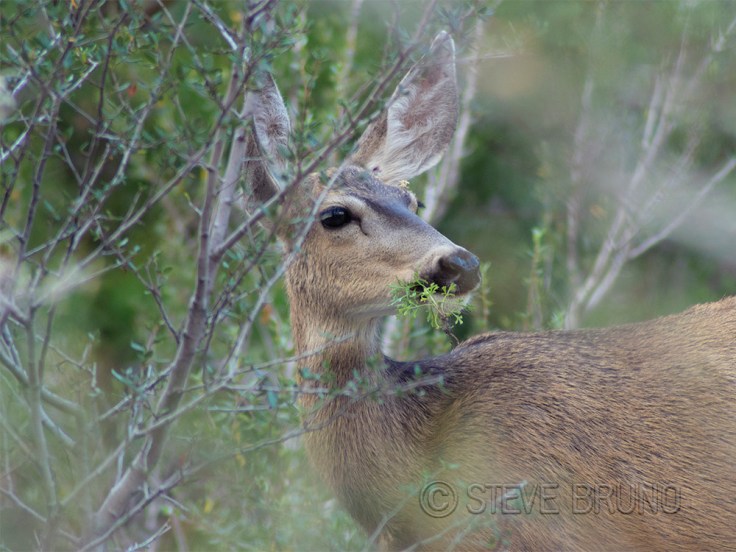
In addition to better quality of light, late afternoon usually brings out the wildlife. This young deer showed up trailside in the last half mile, but really wanted nothing to do with me. There was a significant barrier of shrubs between us, and the one moment I had a clear view, it moved out quickly, so I only got a parting shot.
It’s been a busy summer, and when work has slowed down, I’ve been catching up on lots of backlogged projects. We’ve had some of the worst looking skies I can ever remember here in southern Nevada, and we haven’t had any fires to speak of. We’ve had dust blowing in from storms in Arizona, but mostly the smoke from California’s fires. Most of the big fires throughout the west in the last few years have been human caused. I’d like to believe that Nevadans are smarter and more respectful of the environment, but the law of averages tells me that stupid people show up everywhere. I think because we are not a glamorous outdoor destination like our surrounding states, we luck out by getting less people overall. That’s OK…..more for us to enjoy!
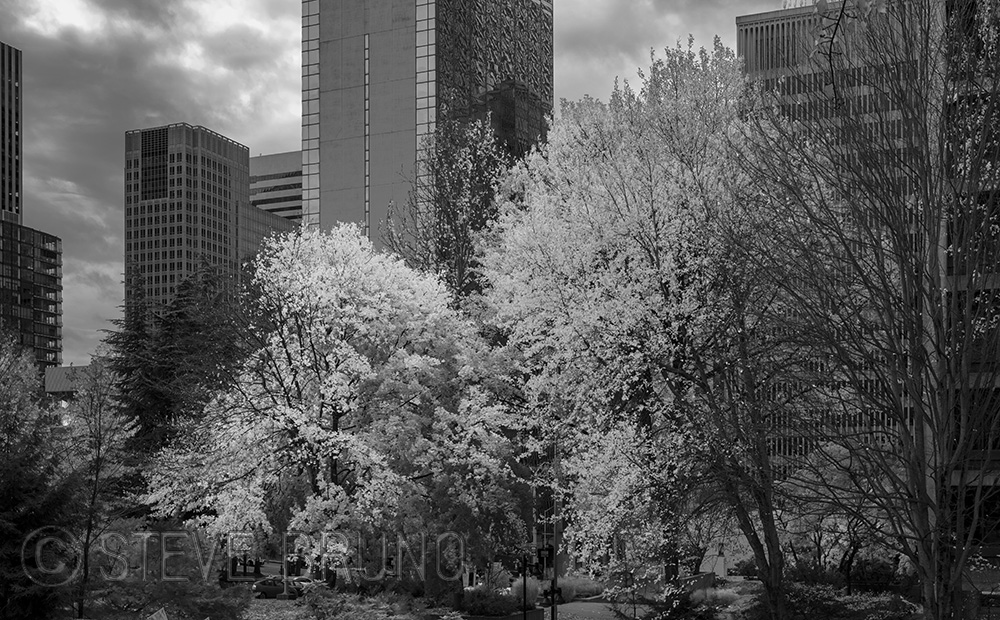
Last autumn I was in Seattle, and had the chance to walk around downtown under mostly dry skies. I found these trees to be dynamic with their color, but it wasn’t until recently that I had time to convert these to b&w. In the original, the two trees are completely different in color, but by changing the individual color values in the conversion, they appear similar, making it a stronger image.
This is my contribution to Leanne Cole’s Monochrome Madness, having the theme of Seasons this week. To see what other photographers have contributed, or instructions to join in, please visit Leanne’s website.
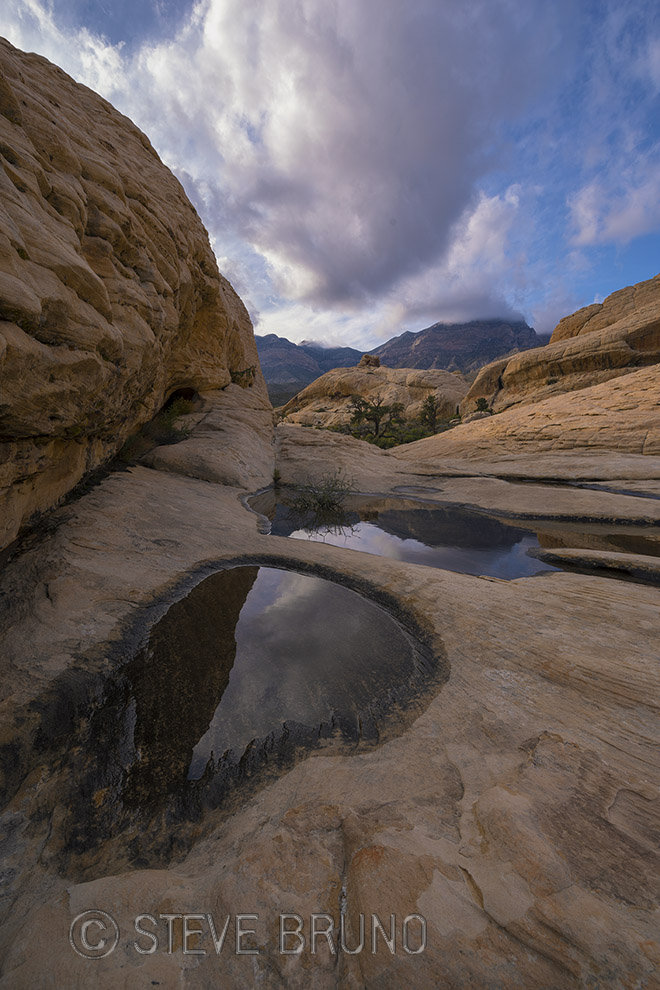
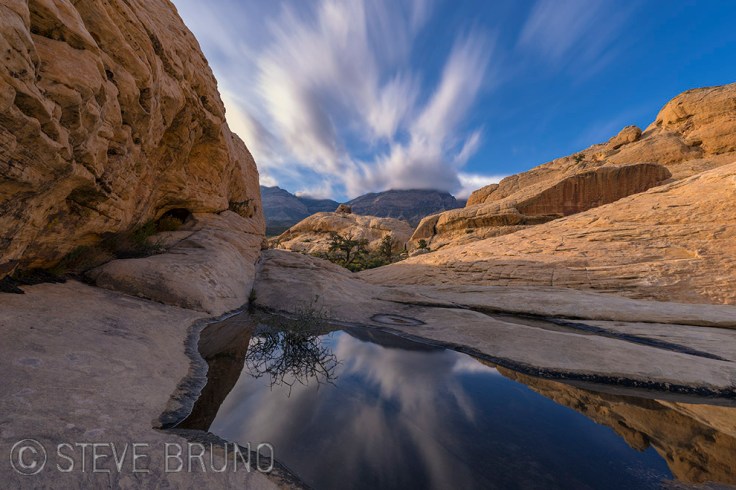
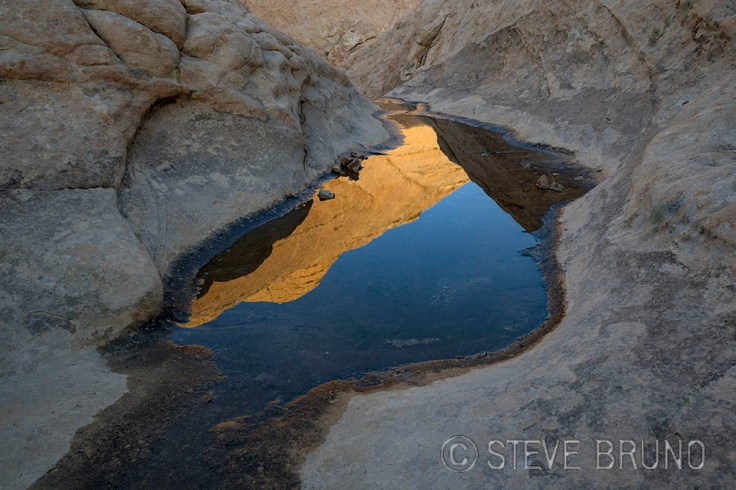
At the beginning of this month, we had our last winter storm. After it cleared out, I went to nearby Red Rock Canyon to catch the rainwater pools before they evaporated, and I posted the first of those shots already. After that first location, I hiked a little further to another great pool location. Although now starting to clear out completely, the remaining clouds were just right for the occasion.
As I took the drive out, the creek crossings had running water, and i knew i had to return the next day to see the waterfalls. I had aspirations to get to another location, but it’s been years since I’ve seen this one running. By the time I finished taking photos and videos, it was too late to make it to my originally intended destination. The water was no longer visible on the drive, and the volume flowing in the falls would probably be gone by the next day.
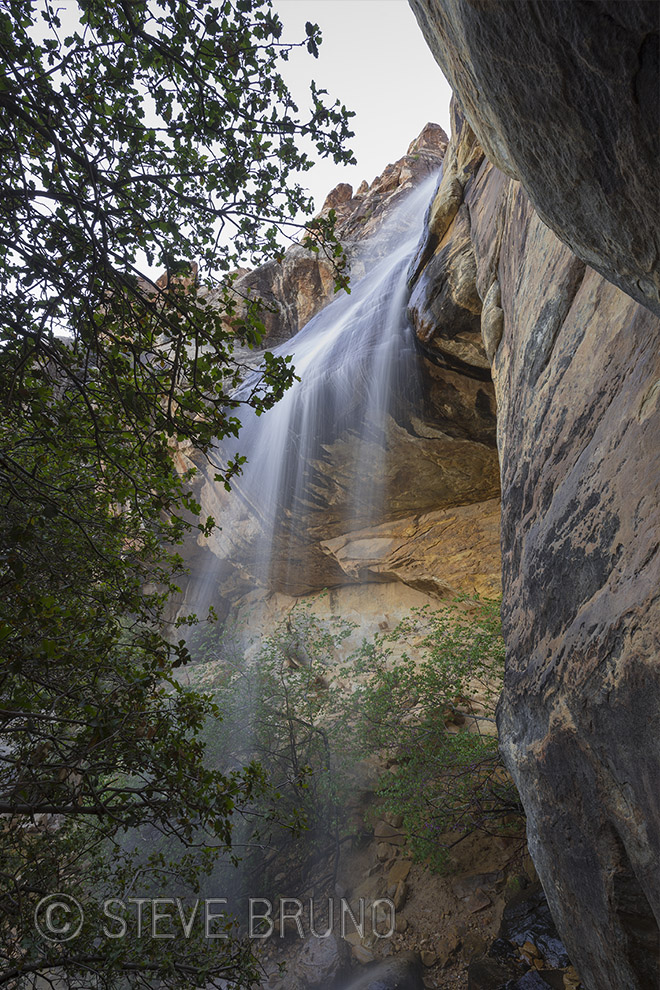
For this week’s Daily Post Challenge: Liquid
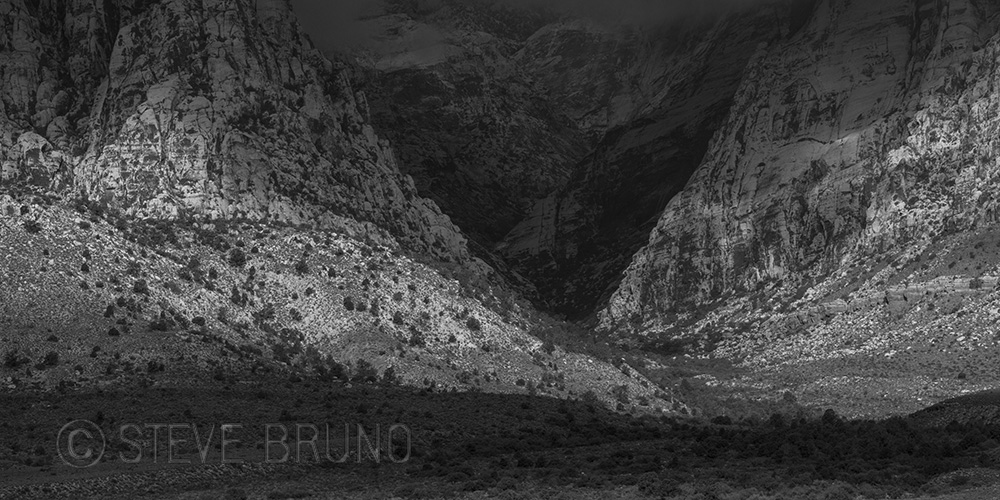
No matter what the temperature, I will rarely head out to take photographs if there are cloudless skies. Sometimes clouds just add an element to the skies that reduce the sterility of the scene. They always reflect light, and usually soften the light to some degree. When the clouds are thick enough, they can provide a natural light painting to a landscape that cannot be duplicated in post-processing. In the photograph above, a little bit of direct sunlight was hitting the cliffs in the middle-ground, while some filtered light was reaching a little further back to highlight the ridgelines. Heavy clouds were lingering beyond, making for a dark mood in the back of the canyon. I also had a brief cloud darken the foreground, helping to bring the attention to the cliffs. I never would have pressed the shutter had this been a sunny day.
This is my contribution to Leanne Cole’s Monochrome Madness this week. To see what other photographers have contributed, or instructions to join in, please visit Leanne’s website.
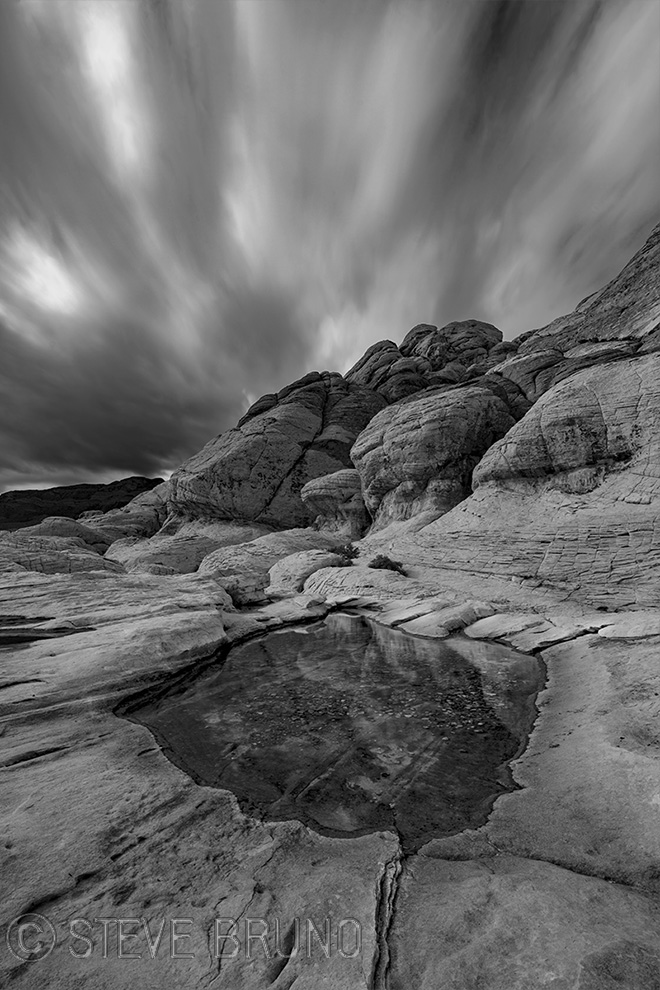
Last week we had a late season winter storm which brought snow to the mountains and a decent amount of rain to lower elevations. I went out to hike around the rainwater pools before they evaporated, and was fortunate to have plenty of fast-moving clouds for long-exposure photos. This is my contribution to Leanne Cole’s Monochrome Madness this week. To see what other photographers have contributed, or instructions to join in, please visit Leanne’s website.
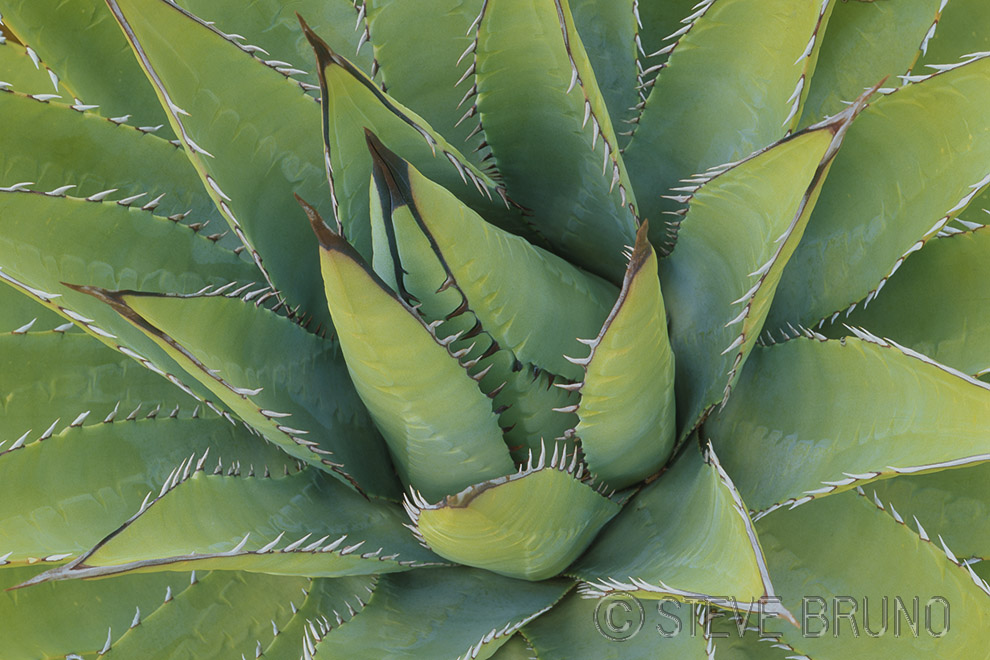
I am always intrigued by desert plants and how they grow and bloom. The agave (above) grows from a tightly packed center. As the leaves peel outward, they retain the lines of the leaves they grew adjacent to. The plants provides great lines and textures and photograph well from many angles, but I always liked this one showing the core.
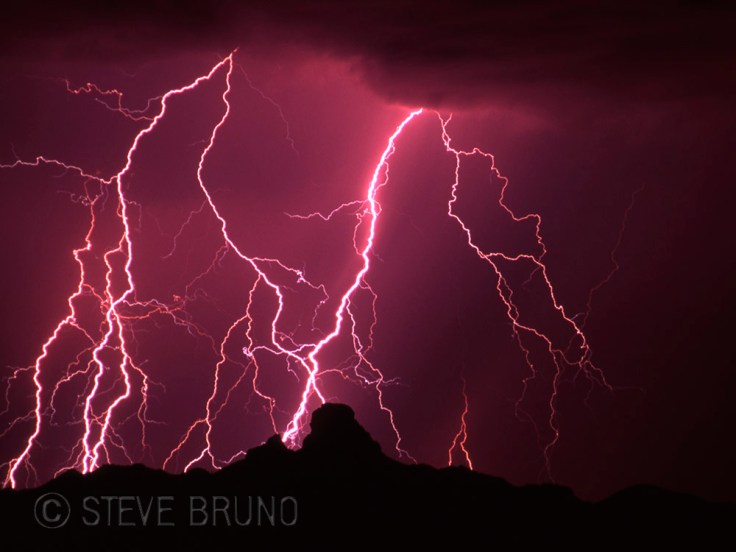
Bolts of lightning always leave fascinating lines, whether a single strike, or a multitude. This was probably the most potent and tightly concentrated thunderstorm I ever photographed.
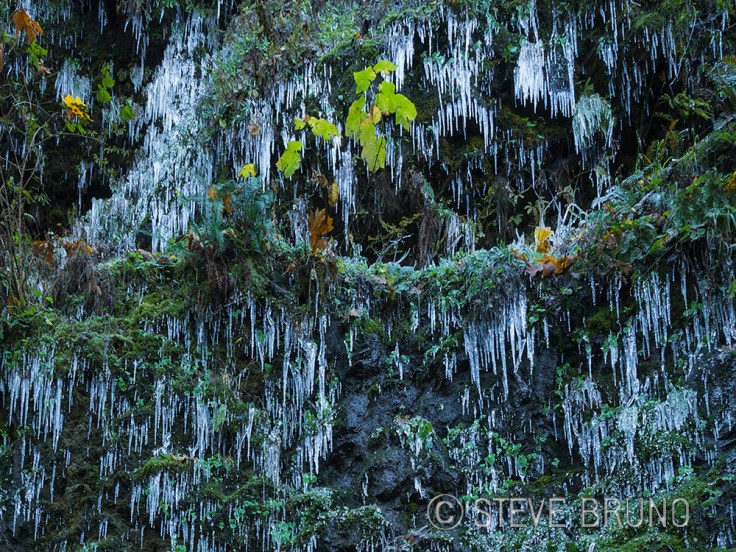
Another weather situation that can provide great lines to photograph are icicles.
I’m always looking for trees to photograph, mostly based on their lines and the shapes they create.
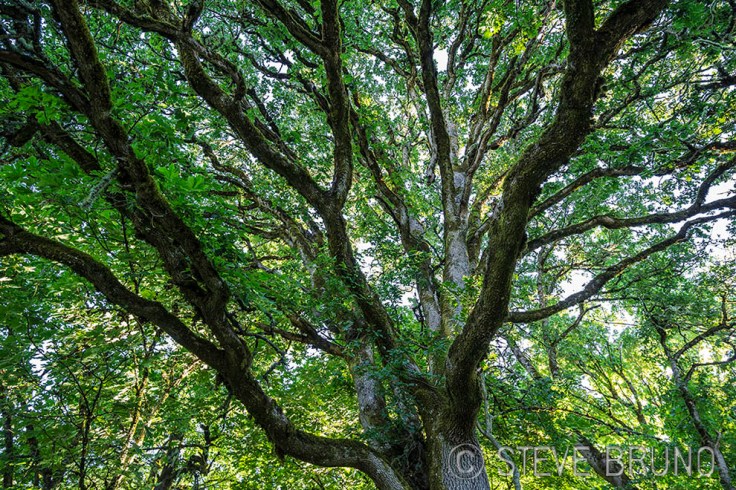
Sometimes, I don’t even have to look upward to see the photograph I want from a tree. Ponderosa pines are one of many types of trees with great bark patterns.

I find that landscape photographs are often best when there are lines that take you through the frame. The southwestern US has many locations with powerful lines.

The canyons near Escalante, Utah streaked with desert varnish, or the twisted sandstone of the Vermillion Cliffs are just two examples of that.

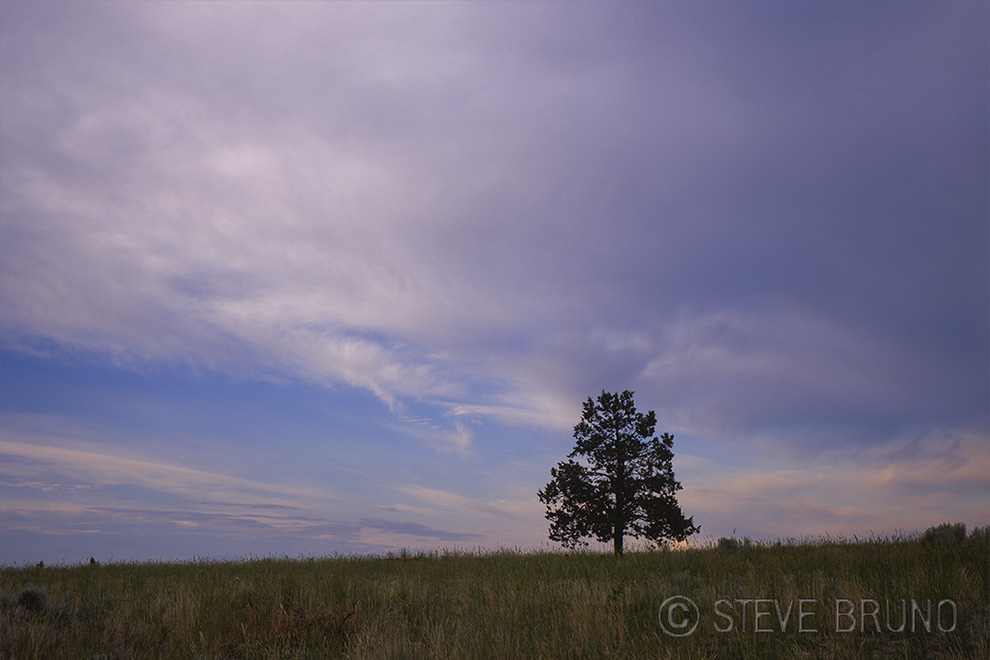
I remember the first Earth Day in 1970. At our school, each of the students was given a small tree to plant. We planted ours in the front yard, and it remained a small tree for what seemed an eternity. Although I have not lived in that house for many years now, I can go on Google Earth for a peek and see how much it has grown. Although that is just one simple act, I cannot get a visual progress reminder how my daily efforts to be as green as possible are working.
When I planted that tree, I was still young, and didn’t realize that an environmental movement was needed. I do remember public service ads against littering, and that it wasn’t uncommon to see a bag or a can flying out of the window of the car in front while driving down the highway. I don’t think I began to comprehend the magnitude of mankind’s waste until the first time I heard the expression acid rain. As our numbers grow, it becomes increasingly difficult to maintain a healthy planet, especially with consumer products becoming cheaper, and in the minds of many, more disposable.
Somewhere near the top of our environmental problems list would have to be our use of plastics. Once they find their way to major rivers and oceans, they mostly end up in one of 5 garbage patches currently circulating our planet’s oceans. Fortunately, there is an effort underway called The Ocean Cleanup, whose goal is to eliminate these vast floating debris piles. You can go to their website to read more about it, or possibly donate to their cause. This is, of course, just a large band-aid to a large problem. The real solution is to curb our use of plastics and make sure they end up being recycled.
 Here in the US, one of the more prominent issues in recent times was the reduction of the Grand Staircase-Escalante National Monument. If ever there was a case to show that politicians work for special interests, and not the people, this would be it. In the public input phase of this reduction, 99% of the respondents favored keeping the monument as it was. In the redistricting map of the GSENM, they have created three separate national monuments. Inside the former GSENM lies the highest concentration of well-preserved fossils ever discovered. It also contains the richest and most accessible coal deposit in the state of Utah, which is no longer under protected status on the new map. Coal consumption is on the decline in this country, so any coal mined here would most likely be sold to China.
Several lawsuits were filed to block the reduction of the national monuments, and Utah politicians immediately introduced a bill to manage the new property and see to it no further changes could ever be made. Proposed management of the new national monuments would consist of a seven member panel, of which, a majority would be local county officials. One of the members would also be appointed by the President, so a real public voice would be lost there as well. These are still federal lands, not designated as Utah state parks. Yes, our public lands in the hands of local politicians. This is a precedence we cannot establish. You can blame Trump all you want, but this ordeal was promoted and encouraged by Utah politicians. We can all follow suit from the Outdoor Retailers Association, and some of its vendors, who have boycotted the state of Utah for its policies about the environment and how it should be overseen. Although unlikely, a boycott by all potential visitors would send a message to the cronies in Salt Lake City that people coming to see the special lands in the southern part of the state provide a viable and profitable tourism economy. Once this land is tarnished it will remain that way.
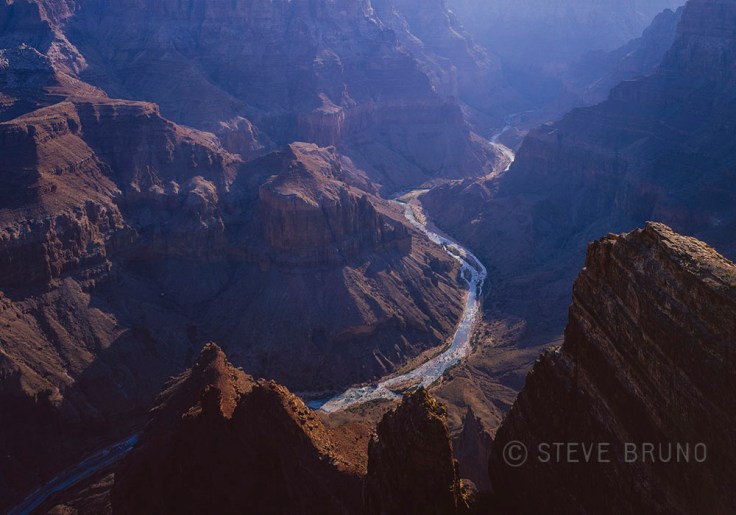
On a more positive note, a project I wrote about previously has been killed off. The Grand Canyon Escalade, was voted down by Navajo Nation Council late last year. Efforts by the tribe are underway to designate this area as a sacred site, and prevent any future blemishes on this special region from rearing their ugly heads again. Perhaps a long legacy of Native Americans being offered roses, only to discover that they were just getting the fertilizer, has provided Navajos and other tribes a better insight to what is truly best for them and their land. A special thank you goes out to the Navajo Nation Council and their wisdom for a long-term vision.
 Steve Bruno Photo
You must be logged in to post a comment.